If you're asking "where do red-crested turacos live?", the short answer is the forests of Central Africa. But that's like saying someone lives in Europe – it doesn't tell you much. The real story is in the specifics: the exact countries, the elevation of the forests, the types of trees they refuse to leave, and the surprising ways they've adapted to life in the canopy. As someone who's spent years tracking these birds from Uganda to Rwanda, I can tell you that finding them is about more than just geography. It's about understanding a lifestyle. Let's map it out.
In This Article
The Geographic Range: A Country-by-Country Breakdown
The red-crested turaco (Tauraco erythrolophus) isn't a widespread wanderer. Its world is a relatively narrow band across the heart of Africa. You won't find it in the savannas of the Serengeti or the deserts of the south. Its entire existence is tied to the belt of rainforests and moist woodlands in the Congo Basin and surrounding highlands.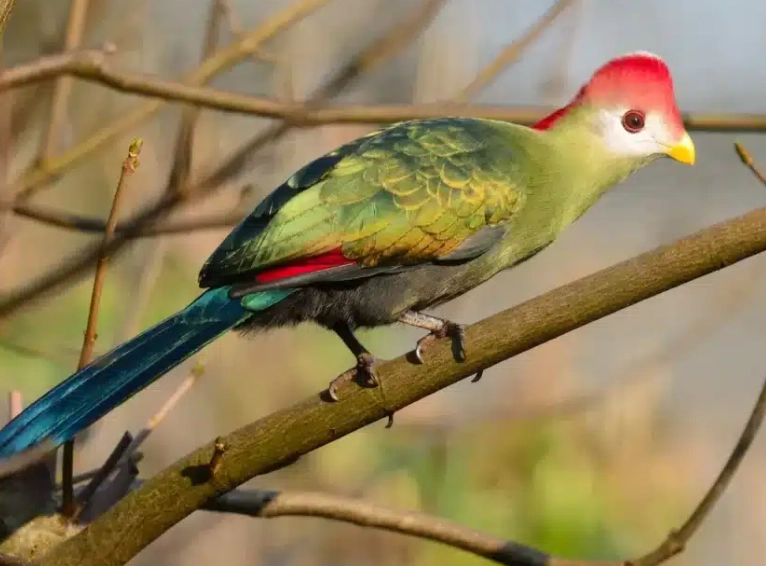
Their range centers on the Democratic Republic of the Congo (DRC). This is the core of their habitat. From there, it extends into several neighboring nations. You can reliably find them in:
- Democratic Republic of the Congo (DRC): Widespread in the central and northern forested regions, particularly in the Congo River basin.
- Angola: Specifically in the enclave of Cabinda and the northwestern forests bordering the DRC.
- Republic of the Congo (Congo-Brazzaville): Throughout the northern and central forest zones.
- Uganda: A key destination for birdwatchers. They are present in western Uganda's forests, like the famous Bwindi Impenetrable Forest.
- Rwanda: In the western forests, including Nyungwe National Park.
There are occasional, debated records from other bordering areas, but if you're planning a trip, stick to these countries. A common misconception is that they live in East Africa's dry acacia woodlands – that's a different group of turacos entirely. The red-crested is a creature of deep, wet greenery.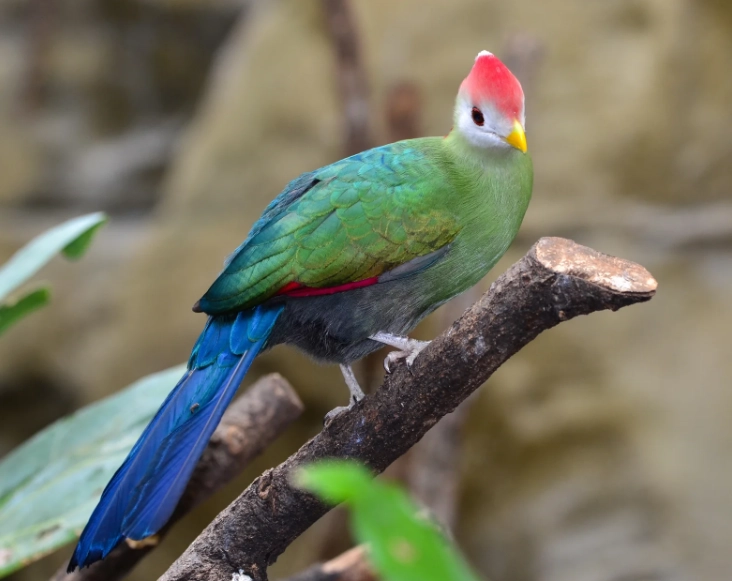
Elevation Matters: Don't just look at a map. Look at the topography. Red-crested turacos are primarily lowland birds. They thrive from sea level up to about 2,200 meters (7,200 feet). In places like Uganda and Rwanda, you're finding them in the montane forests at the higher end of that range. In the DRC's vast basin, they're down near the rivers. This preference for lower and mid-elevations is a crucial detail many birding guides gloss over.
What Kind of Forest Do They Call Home?
"Forest" is too vague. These birds are specialists. They don't just live in any cluster of trees. Their survival is linked to specific structural and botanical features.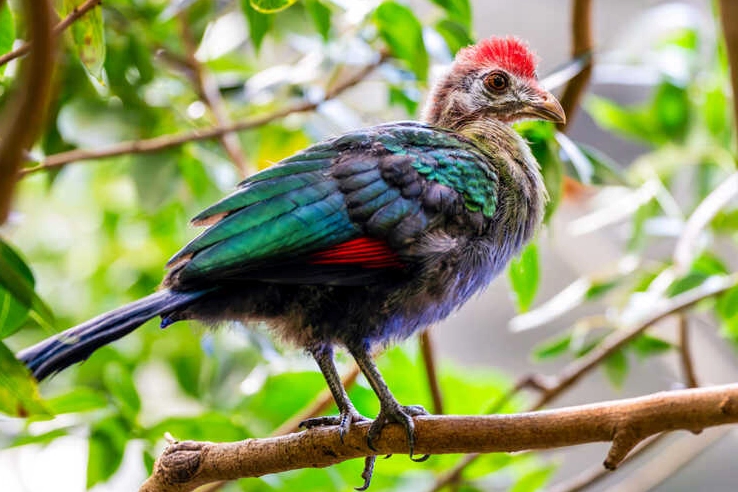
Primary vs. Secondary Forest: A Clear Preference
Red-crested turacos are birds of primary rainforest – the old-growth, complex, multi-layered forests that have been largely undisturbed. This is where they find their favorite food sources and nesting sites. They can tolerate secondary forest (forest that has regrown after disturbance) and even dense gallery forests along rivers, but population densities are always higher in primary stands. The quality of the canopy is non-negotiable.
Canopy Dwellers with a Fruit Addiction
They are almost exclusively arboreal. You'll rarely, if ever, see one on the ground. Their entire life – feeding, breeding, socializing – happens in the middle to upper canopy. This is because their diet is overwhelmingly frugivorous (fruit-eating). They have a particular fondness for wild figs (Ficus spp.) and other soft fruits. The presence of mature fruit-bearing trees is a direct predictor of their presence. If the fruiting trees are cut down, the turacos leave.
Their nesting strategy also dictates habitat. They build flimsy, platform-like nests of twigs high up in the fork of a tree, usually concealed by dense foliage. This requires mature trees with suitable branching structures.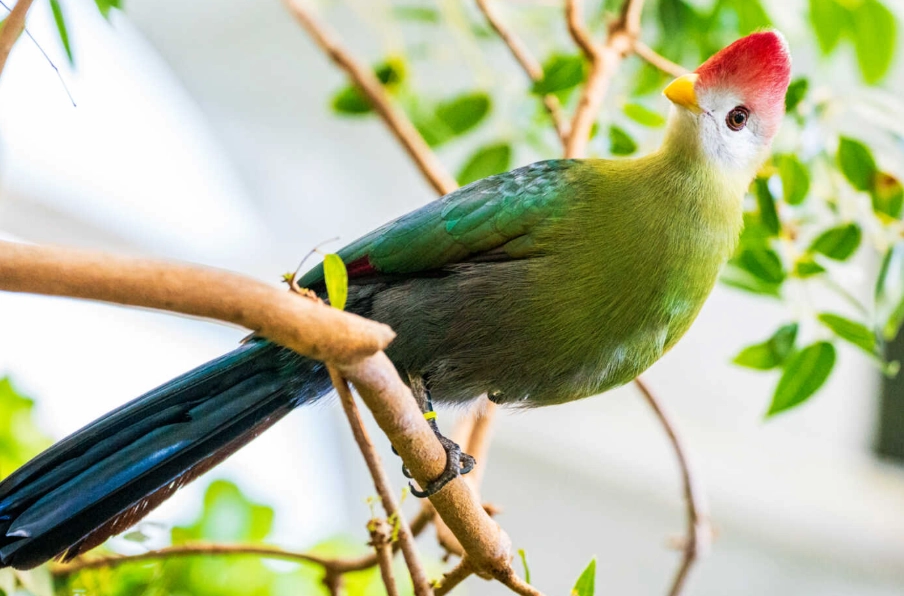
How to Identify Red-Crested Turacos in the Wild
Knowing their habitat is half the battle. The other half is knowing what you're looking and listening for. They're not always easy to spot in the dappled light.
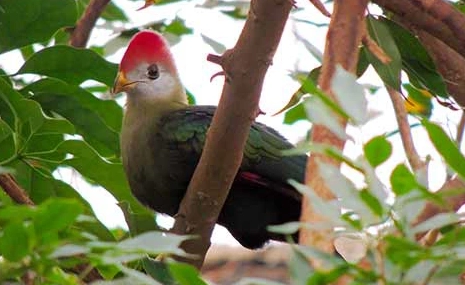
- The Crest: The namesake red crest is unmistakable. It's not always fully erect; often it's laid back, giving the head a rounded profile.
- Coloration: Mostly green body (which can look dark grey in poor light), with deep crimson primary flight feathers that flash brilliantly when they fly.
- The Call: This is often how you find them. Their vocalizations are a series of loud, barking, guttural "kow-kow-kow" notes that carry far through the forest. It's not a melodic song; it's a raucous announcement. I've spent hours trying to pinpoint that sound in Bwindi, only for the bird to be 50 meters away in a thick tangle of vines.
Top Locations for Observing Red-Crested Turacos
If you want to see one, you need to go where the habitat is protected and accessible to visitors. Here are the most reliable spots, based on personal experience and guide consensus.
| Country | Specific Location / National Park | Habitat Type | Best Viewing Notes & Travel Tips |
|---|---|---|---|
| Uganda | Bwindi Impenetrable National Park | Afro-montane rainforest | Excellent chance on guided forest walks, especially near Buhoma or Ruhija sectors. Often heard and seen in the early morning. Combine with gorilla trekking. |
| Uganda | Kibale National Park | Mid-altitude rainforest | Less guaranteed than Bwindi, but present. Look for them in the forest canopy along main trails. The primate density here is a bonus. |
| Rwanda | Nyungwe National Park | Montane rainforest | Canopy walkway offers a unique perspective to spot them at eye level. Listen for calls near the Uwinka Visitor Center. |
| Republic of Congo | Nouabalé-Ndoki National Park (Odzala-Kokoua area) | Lowland primary rainforest | A more remote and pristine experience. Requires specialized safari planning. Bird diversity here is astounding, with turaco sightings very likely in undisturbed areas. |
My personal recommendation for a first-time viewer is Bwindi, Uganda. The infrastructure for tourists is well-developed, expert local guides know their calls and habits intimately, and the odds are strongly in your favor. I recall one morning walk where a pair foraged in a fig tree just 20 feet from the trail, completely ignoring our group – a perfect, prolonged view.
Conservation Status and Threats to Their Habitat
Currently, the IUCN Red List classifies the red-crested turaco as Least Concern. This sounds reassuring, but it's misleading. It reflects a species that still has a large range, not one that is secure.
The real threat is habitat loss and fragmentation. The primary rainforests of Central Africa are under constant pressure from:
- Logging: Both legal and illegal. Removing large fruiting trees removes their food source.
- Agriculture: Slash-and-burn farming converts forest into patchy fields.
- Mining and Infrastructure Development: Roads fragment forests, creating edges that are less suitable for these sensitive interior species.
Their survival is directly tied to the fate of the protected area network in the region. Parks like Bwindi and Nyungwe aren't just tourist attractions; they are essential arks for the red-crested turaco and thousands of other species. Support conservation-focused tourism and organizations like the Wildlife Conservation Society, which works on the ground in these landscapes.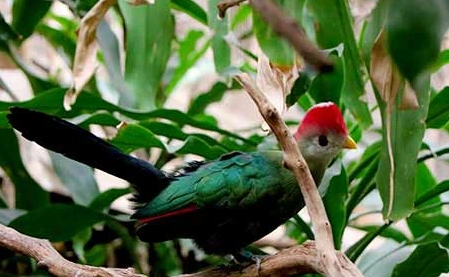

Comments
Leave a Comment