You've probably seen the funny-looking adult male fiddler crab, waving its one giant claw like it's conducting an orchestra. But have you ever stopped to look for the babies? Most people walk right past them. That's a shame, because the life of a baby fiddler crab is a frantic, fascinating, and surprisingly tough struggle for survival in the mud. They're not just miniature adults. Their world is different—more hidden, more vulnerable, and in many ways, more interesting.
What's Inside?
What Exactly Is a Baby Fiddler Crab?
Let's clear this up first. When we say "baby," we're usually talking about the juvenile stage after they've settled out of the water and look like tiny, perfect crabs. Scientifically, they're the post-larval juveniles. They've already been through a wild oceanic journey as microscopic plankton. Now they're on land (well, muddy land), trying not to get eaten while they grow.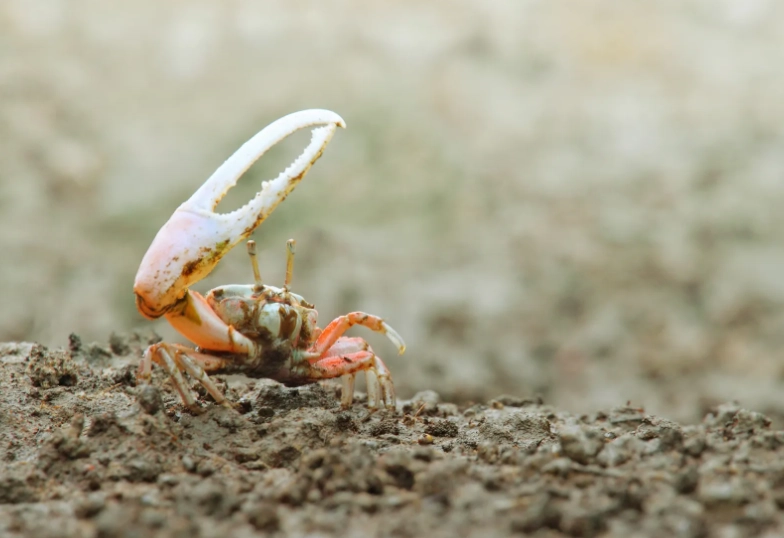
They're tiny. I'm talking 2 to 5 millimeters across the shell when they first come ashore. You need to get your eyes focused. Their color is usually a pale, semi-translucent version of the adults, which helps them blend into the sun-bleached mud and sand. The most common mistake is assuming they behave like the adults. They don't. Adults are bold, digging deep burrows and waving claws. Juveniles are secretive, often using temporary shallow pits or hiding under debris. They're the ninjas of the mudflat.
The Fiddler Crab Life Cycle: From Egg to Tiny Crab
Understanding their fiddler crab life cycle is key to knowing where and when to look. It's not a simple process. It's a numbers game, and the odds are stacked against them.
It starts with the female carrying fertilized eggs under her abdomen. After a few weeks, on a specific high tide (often at night during a full or new moon), she releases them into the water. This is where the journey gets crazy. Those eggs hatch into larvae called zoea. They're not crab-shaped at all—they look like little spiky aliens. For the next few weeks, they're plankton, drifting in the open ocean, at the mercy of currents and predators. Estimates from marine biology studies, like those referenced by the Smithsonian Ocean initiative, suggest only a minuscule fraction survive this phase.
The survivors eventually molt into a final larval stage called the megalopa. This stage looks a bit more like a crab and can swim. Here's the critical part: the megalopa has to find its way back to a suitable muddy or sandy shoreline. It uses cues like the smell of the mud and tidal rhythms. If it makes it, it molts one more time on the beach and becomes a juvenile crab. That's the baby fiddler crab you can actually see.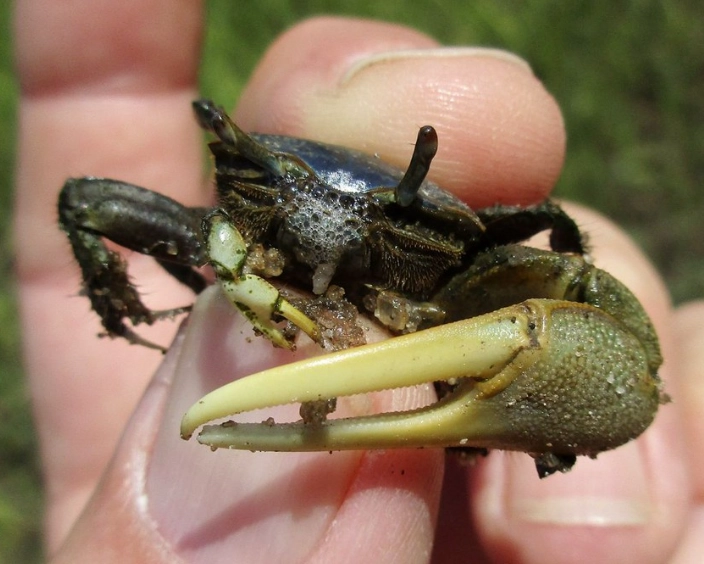
A Key Insight: The entire larval phase is a dispersal mechanism. It's why you find fiddler crab colonies on isolated patches of coast. One female's offspring can populate a new area miles away. This also means local populations are deeply connected to ocean health. Pollution or changes in currents far offshore can impact the number of babies that make it back.
Where and How to Find Baby Fiddler Crabs
This is the practical part everyone wants. You won't find them just anywhere. You need the right habitat, the right tide, and the right eyes.
Best Habitats for Spotting Them
Forget the deep, soupy mud. Juvenile crabs prefer firmer ground where they can maneuver and burrow easily. Look for these spots:
- Upper Intertidal Zone: The area closer to the land, above the main adult burrow fields. It's wetter at high tide but exposed longer. Juveniles colonize here first to avoid adult competition.
- Sandy-Mud Mixes: Firm substrates near the edges of mangrove forests or salt marshes.
- Runnels and Drainage Channels: Small grooves in the mudflat that hold a bit of water as the tide recedes. Babies often forage along the damp edges.
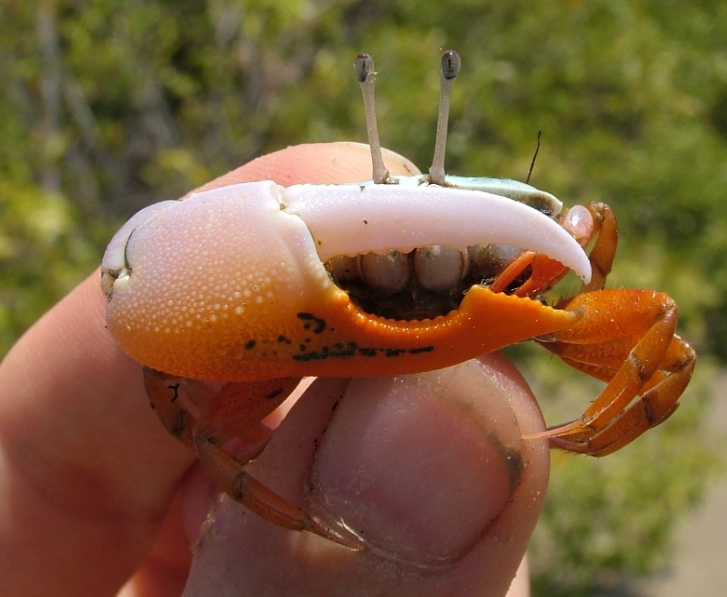
Timing Your Visit: Tides and Seasons
This is non-negotiable. Go at low tide. A falling tide is best, as the receding water concentrates activity. Early morning or late afternoon low tides are ideal because the sun isn't directly overhead, creating shadows that make the tiny crabs easier to see.
Seasonally, look in late spring through summer in temperate zones, and year-round in the tropics. This is typically after major spawning events.
Here’s a quick comparison of habitats to help you plan:
| Habitat Type | What to Look For | Best Time to Look | Difficulty Level |
|---|---|---|---|
| Salt Marsh Edge | Firm mud near Spartina grass clumps. Look for pinhead-sized holes. | Mid to low tide | Medium (good footing) |
| Mangrove Prop Roots | Pale sand/mud patches between roots. Babies hide in leaf litter. | Low tide | Easy to Medium |
| Sandy Beach near Estuary | Wet sand just above the waterline. Look for tiny, scurrying specks. | Falling tide | Easy (but crabs are sparse) |
| Mudflat Runnels | Damp edges of small channels. Highest concentration of foraging babies. | Low tide | Hard (soft mud) |
Pro Tip: Get low. Sit or crouch down. Let your eyes adjust to the scale. What looks like a grain of sand might suddenly move. Scan slowly—you're looking for movement, not shape at first.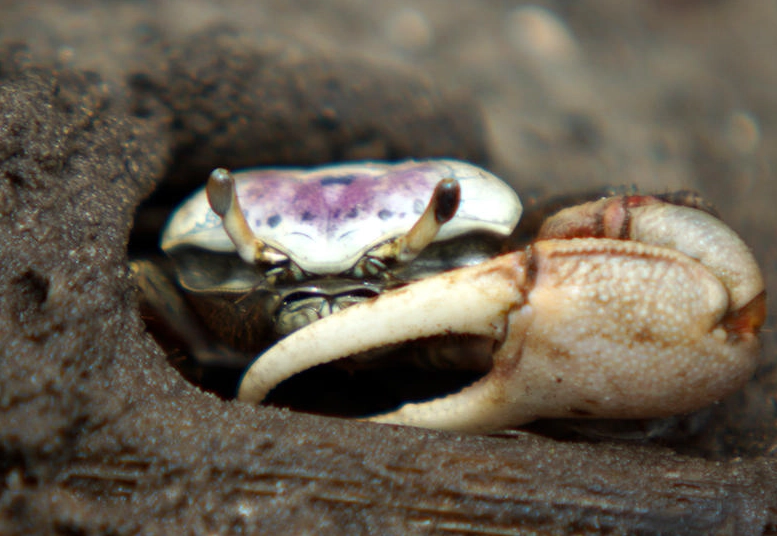
Observing Baby Fiddler Crab Behavior: What to Look For
Once you've found them, the real show begins. Their behavior is a scaled-down, high-speed version of the adults, with key differences.
Feeding Frenzy: They're constantly eating. Using both small claws, they scoop up sediment, sort out edible detritus (algae, microbes, decaying matter), and roll the cleaned sand into little pellets called pseudofeces. Watch a patch of mud; you'll see these tiny balls appearing like magic around a moving speck.
Burrow Dynamics: They don't maintain deep, permanent burrows like adults. Their burrows are shallow, often just a quick retreat. If you see one vanish into a hole, wait patiently. It'll usually pop back out in under a minute.
The Claw Development: In males, the major claw starts to become noticeable when they're still very small. But it's not the comically large prop yet. You might see a juvenile male testing out a small wave. It's practice for the serious signaling they'll do as adults.
The biggest threat? Everything. Birds, fish during high tide, other crabs (cannibalism is real), and even dehydration. Their survival strategy is simple: be everywhere, eat constantly, grow fast, and stay hidden.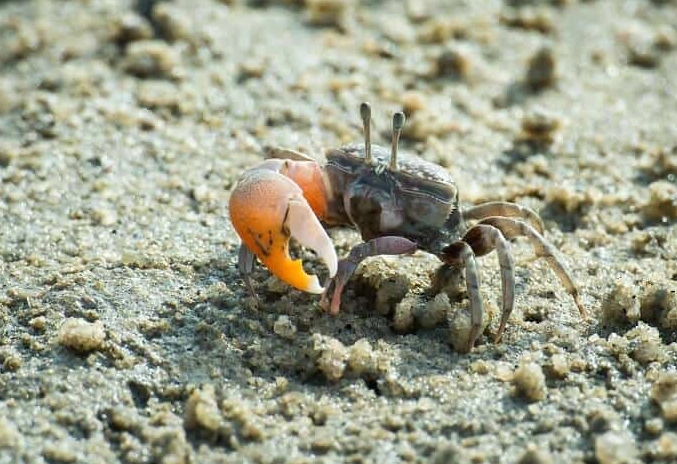
Why Baby Fiddler Crabs Matter: Their Role in the Ecosystem
This isn't just cute wildlife spotting. Baby fiddler crabs are ecosystem engineers in training. Their non-stop feeding and burrowing activity is crucial.
By processing tons of sediment, they aerate the mud. This brings oxygen down into the anaerobic layers, which helps break down pollutants and supports beneficial bacteria. Their burrows, even if shallow, create micro-habitats for other tiny organisms. They are a massive food source, transferring energy from detritus (dead stuff) up the food chain to birds, fish, and larger crabs.
When you see a healthy population of juveniles, it's a strong indicator of a healthy coastal ecosystem. It means the water quality is good enough for larvae to develop, the mud is clean enough to live in, and the food web is intact. Conservation groups often use fiddler crab populations as a bio-indicator for this reason.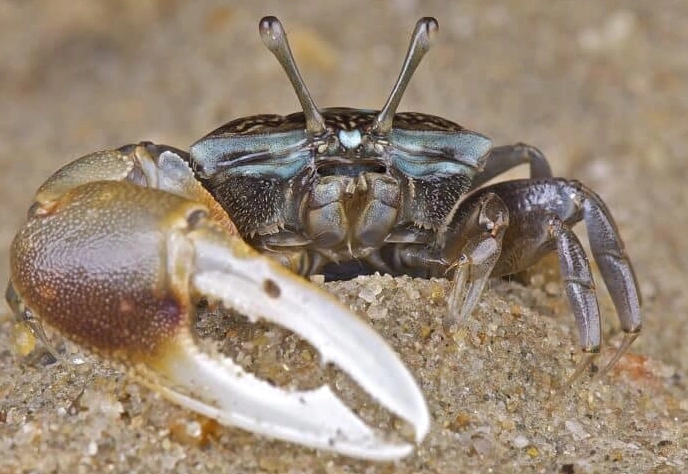



Comments
Leave a Comment