I’ve spent countless hours crouched in the mud, camera in hand, trying to predict the erratic dance of the sand fiddler crab. Most people walk right past them, just another part of the muddy background. But once you stop and look—really look—you’re watching one of the coast’s most complex and vital performances. This isn't just a crab. It's an ecosystem engineer, a communication specialist, and a sign of a healthy shoreline. Forget the glossy brochures of big marine life; the real drama unfolds in the ankle-deep water of a tidal flat. Let's get into what makes the sand fiddler crab so much more than a sideways-scuttling crustacean.
In This Article: Navigating the World of Fiddler Crabs
What Makes the Sand Fiddler Crab So Unique?
You can't miss the male's oversized claw. It’s comically large, sometimes making up half his body weight. Everyone calls it a "fiddle," hence the name. But this claw isn't for fighting predators—it's too cumbersome for that. Its primary function is communication.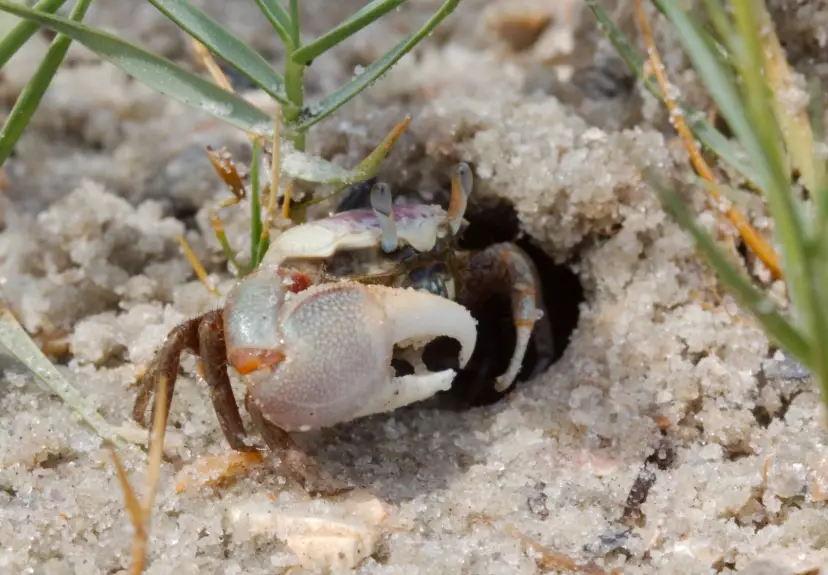
The Famous Wave: More Than Just a Mating Call
The waving motion is the crab's language. Yes, it attracts females (a rapid, high-amplitude wave is like a flashy pickup line). But it also serves as a territorial broadcast to other males, a simple "I'm here, this is my patch." What most guides don't tell you is that the wave's speed and pattern can change with the tide, time of day, and even the presence of a potential threat—like your shadow. I’ve noticed that on overcast days, the waving seems less frantic, more subdued. It’s a nuanced behavior, not just a robotically repeated gesture.
Burrow Architects: Masters of Mud and Sand
Every crab you see has a personal retreat: a burrow it excavated itself. This burrow is a lifeline. It provides shelter from the sun, birds, and the incoming tide. The crab’s constant digging and sediment processing are what earn it the "fiddler" name, as it "fiddles" with the sand. They create those perfect little sand balls you see littering the mudflat—pellets of processed sediment from which they've extracted edible microbes and detritus.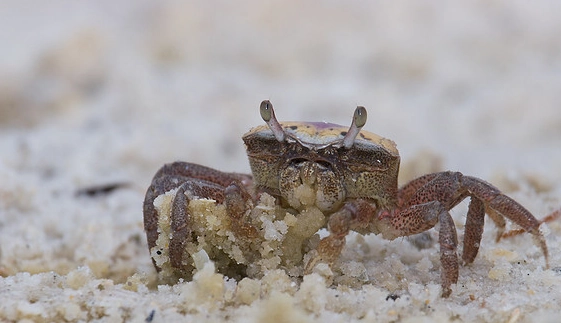
How to Find and Observe Sand Fiddler Crabs Safely
This is where theory meets practice. You want to see this behavior for yourself. One common mistake is going out at high tide. You'll find nothing but water. Their world operates on the tidal schedule.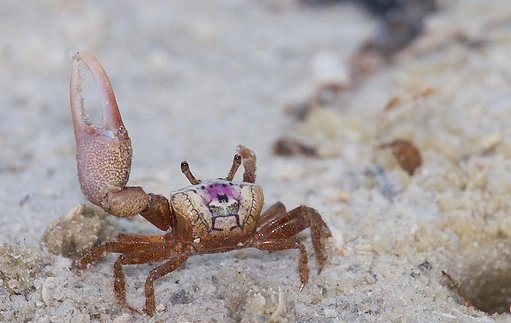
Your Fiddler Crab Spotting Checklist
- Timing is Everything: Plan your visit for a low tide, especially on a calm, sunny day. An hour or two before low tide is prime time. They're most active when the mudflat is exposed but still damp.
- Location, Location, Location: Look for protected, intertidal zones: estuarine mudflats, sandy lagoons, the fringes of mangrove forests, and sheltered bays. They avoid crashing surf.
- Move Slowly and Sit Still: Their eyes are on stalks, giving them nearly 360-degree vision. Fast movements send them diving into burrows. Approach slowly, then find a dry spot to sit or crouch. Wait 5 minutes. The colony will re-emerge.
- Respect the Habitat: Walk carefully to avoid crushing burrows. Don't try to grab them. Their large claw can give a surprisingly strong pinch, and you risk damaging their delicate legs.
Let me give you a concrete example. One of my favorite spots is the Sanibel Island mudflats in Florida. There's a specific access point near the lighthouse where, on a falling tide, hundreds of sand fiddler crabs emerge. You don't need a boat or a guide—just check the tide chart, aim for a 9 AM low tide, and wear shoes you don't mind getting muddy. The spectacle of a colony "waking up" is worth the messy feet.
| Best Observation Spot Type | What to Look For | Peak Activity |
|---|---|---|
| Estuarine Sand/Mud Flat | Large colonies, distinct burrow holes, sand pellets everywhere. | 2 hours before to 2 hours after low tide. |
| Mangrove Forest Edge | Smaller groups among roots, often mixed with other crab species. | Early morning low tide. |
| Protected Coastal Lagoon | Wide, open areas perfect for photography and behavioral study. | Daytime low tides on sunny days. |
The Crucial Role of Sand Fiddler Crabs in the Ecosystem
This is the part that truly blows my mind. These little crabs aren't just cute; they're fundamental. Think of them as the earthworms of the intertidal zone.
By constantly digging and feeding, they aerate the sediment. This process, called bioturbation, is critical. It allows oxygen to penetrate the mud, which helps break down organic matter and prevents the buildup of harmful gases like hydrogen sulfide (that rotten egg smell). Their burrows also provide micro-habitats for other tiny organisms once the crab has abandoned them.
They are a key food source. Shorebirds, like plovers and sandpipers, rely heavily on them. Even fish and larger crabs will snack on smaller fiddlers when the tide comes in. The National Oceanic and Atmospheric Administration (NOAA) notes the importance of these intertidal species in supporting broader coastal food webs. A thriving fiddler crab population often signals a healthy, productive shoreline.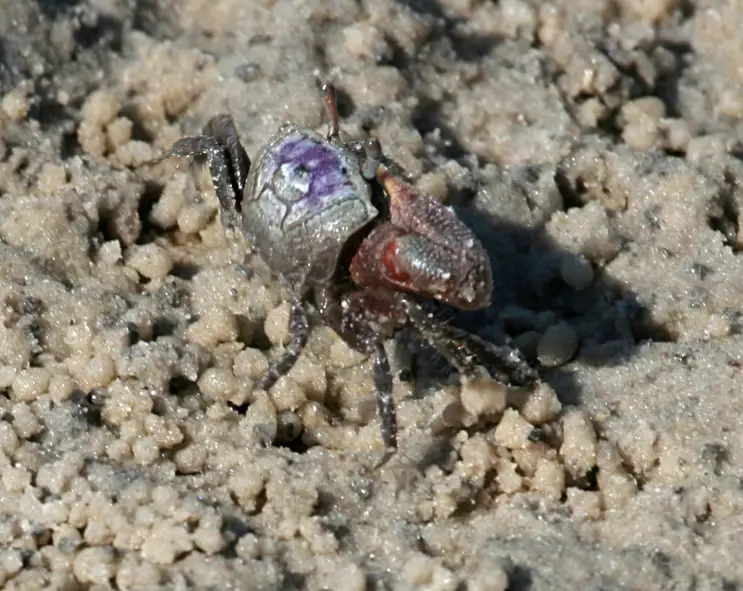
Common Misconceptions and Expert Tips
After years of watching them, I see the same misunderstandings repeated.
Misconception 1: "The big claw is for defense." Actually, it's a terrible weapon. If a bird attacks, the crab will often autotomize (self-amputate) the large claw to escape, regrowing a smaller one later. The small feeding claw is far more vital for its daily survival.
Misconception 2: "They only eat sand." They're actually consuming the thin biofilm of bacteria, fungi, and detritus coating the sand grains. They're microbial farmers, scraping and filtering.
My top tip for photographers: Get low. Eye-level shots of a waving crab against a blurred background are stunning. But be patient. Wait for the crab to fully exit its burrow and resume its normal activities. That shot of it "fiddling" with a sand ball next to its burrow mouth tells a much richer story than a simple portrait.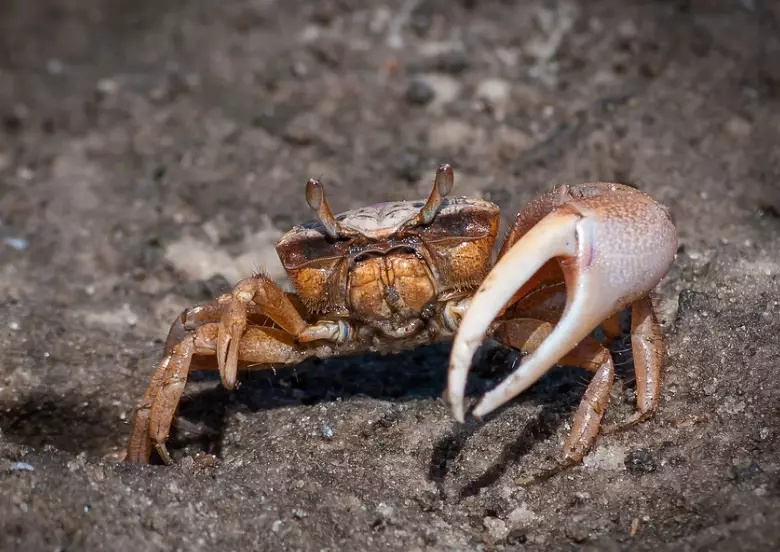


Comments
Leave a Comment