Jump to What Matters
Let's cut to the chase. If you're searching about Darwin frog poisonous, you're likely worried about safety or curious about amphibian toxins. I've spent years studying frogs, and here's the straight truth: the Darwin frog (Rhinoderma darwinii) has mild toxicity, but it's not a major threat to humans. Most panic comes from confusion with more venomous species. In this guide, I'll break down the facts, share some field observations, and give you practical advice that goes beyond generic warnings.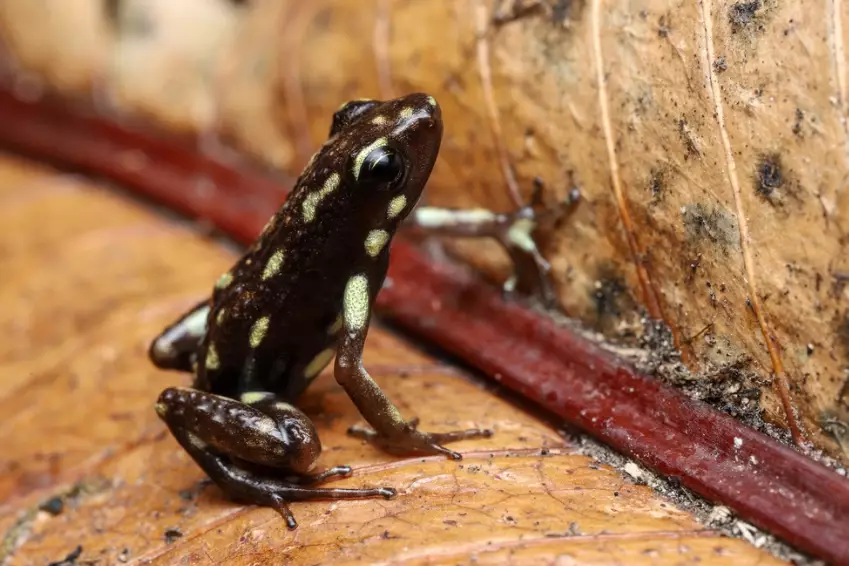
You might have heard stories from friends or seen dramatic posts online. I recall a hike in Chile where a fellow traveler freaked out over a small frog, thinking it was deadly. It turned out to be a harmless species, but the fear was real. That's why understanding specifics matters.
What is the Darwin Frog?
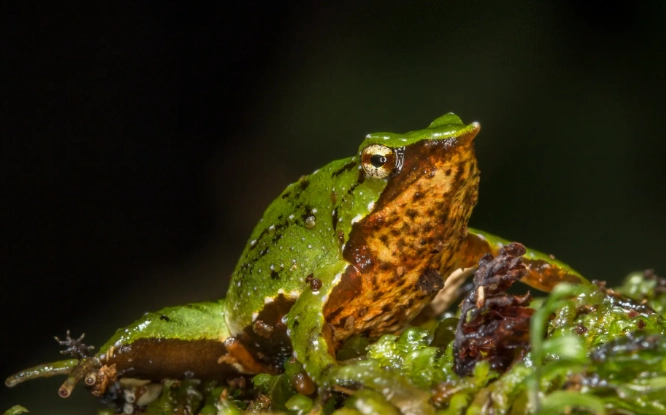
The Darwin frog is a tiny amphibian native to the forests of Chile and Argentina. It's famous for its unique breeding behavior—males carry tadpoles in their vocal sacs. But when it comes to poison, people often mix it up with other frogs.
Physical Traits and Habitat
These frogs are small, about 2-3 cm long, with a pointed snout and camouflaged brown or green skin. They live in moist, leaf-littered areas near streams. If you're in South America, you might spot them, but they're shy. A common mistake is assuming all small, colorful frogs are toxic; Darwin frogs are actually quite dull-looking.
I've seen them in the wild, and they blend in so well that you'd miss them unless you're looking closely. Their habitat is under threat from deforestation, which adds to their elusive nature.
Is the Darwin Frog Actually Poisonous?
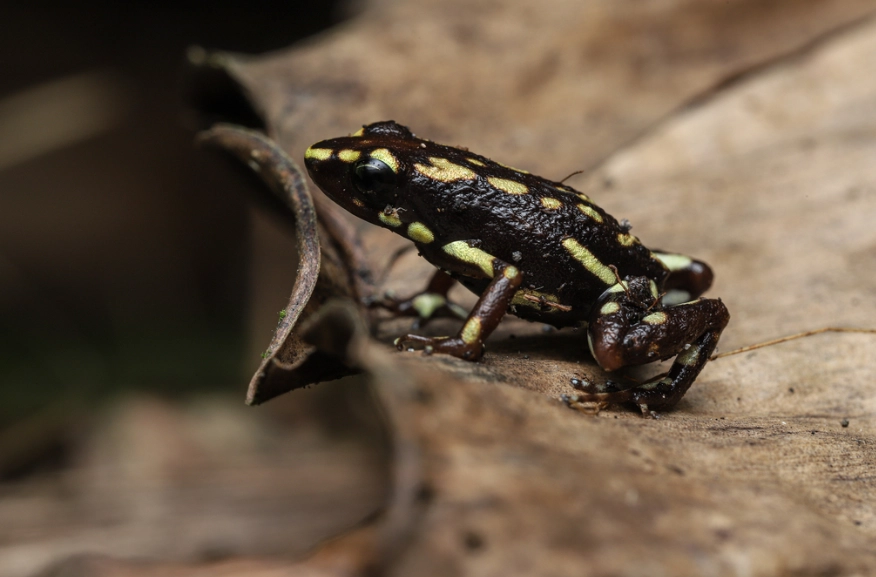
Yes, but with a big asterisk. The Darwin frog produces skin secretions that contain mild toxins, primarily as a defense against predators. It's not like the deadly poison dart frogs from Central America.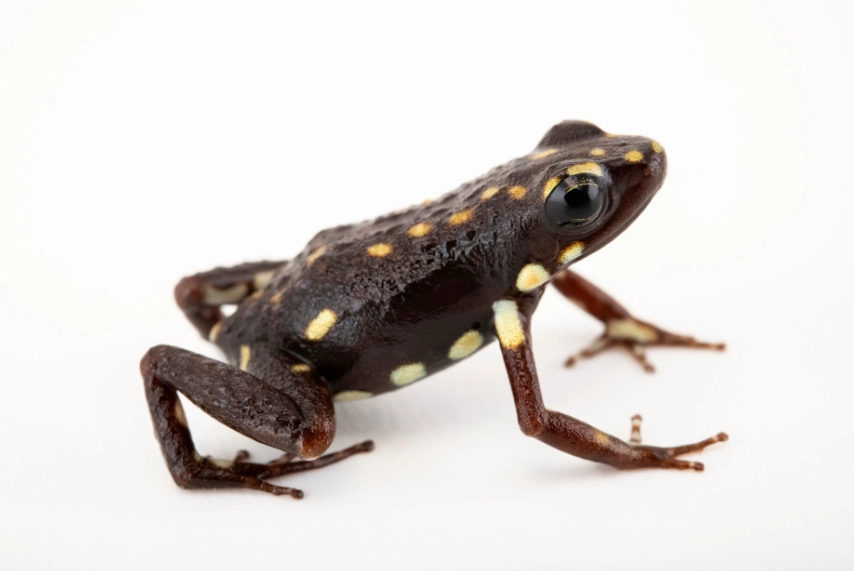
The Science Behind the Toxins
Research from sources like the Amphibian Specialist Group shows that Darwin frog toxins are alkaloids, similar to those in other amphibians but less potent. They can cause irritation if handled, but severe reactions are rare. A study published in the Journal of Herpetology noted that the toxicity level is low compared to species like the golden poison frog.
Here's a comparison table to put things in perspective:
| Frog Species | Toxin Type | Effect on Humans | Habitat |
|---|---|---|---|
| Darwin Frog (Rhinoderma darwinii) | Mild alkaloids | Skin irritation, possible allergic reaction | Chile, Argentina forests |
| Golden Poison Frog (Phyllobates terribilis) | Batrachotoxin | Can be fatal if ingested or through open wounds | Colombia rainforests |
| Common Toad (Bufo bufo) | Bufotoxins | Nausea, vomiting if ingested | Widespread in Europe |
From my experience, the biggest risk isn't the poison itself, but mishandling. I've met herpetologists who handle Darwin frogs with bare hands and report no issues, but they always wash up afterward. It's about context.
Why People Get It Wrong
Many assume all poisonous frogs are equally dangerous. That's a myth. The Darwin frog's toxicity is often overstated in casual conversations. I've read forums where users claim it's lethal, but that's based on confusion with other species. The reality is, unless you have a specific allergy, you're unlikely to face serious harm.
How the Poison Works in Nature
The toxins serve as a deterrent. When a predator like a bird tries to eat the frog, the bad taste or mild poisoning makes it spit it out. It's a survival tactic, not an offensive weapon.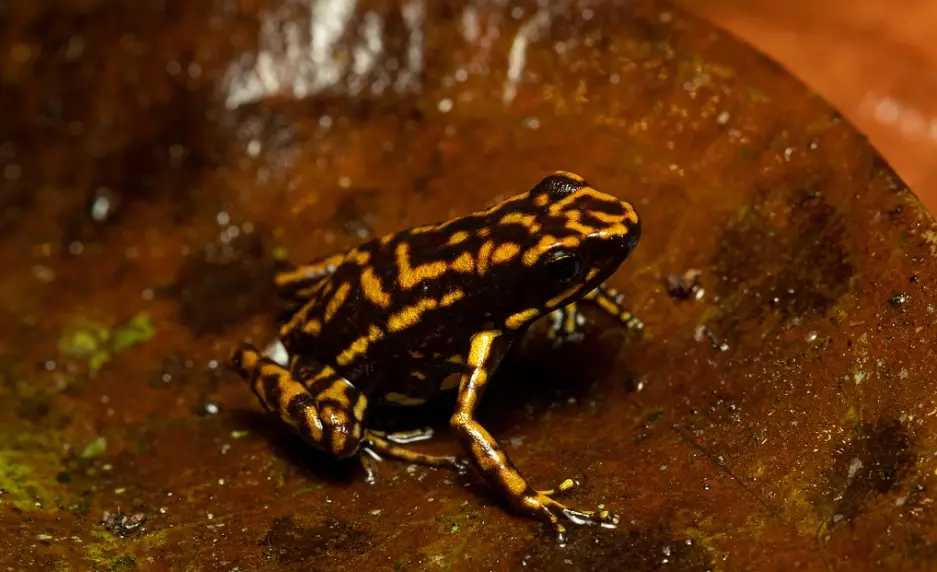
Think of it like a spicy pepper—unpleasant but not deadly. In the wild, I've observed birds avoiding these frogs after one try. It's fascinating how evolution shapes these defenses.
Behavioral Adaptations
Darwin frogs are nocturnal and rely on camouflage. They don't actively use poison like some snakes; it's passive. If you pick one up, it might secrete toxins, but that's a last resort. Most of the time, they just hop away.
I remember a field trip where we monitored frog behavior. The Darwin frogs were so timid that they rarely secreted anything unless stressed. That's a key point: stress increases toxin production.
Safety Tips for Humans and Pets
If you encounter a Darwin frog, here's what to do. First, don't panic. The risk is low, but precautions help.
Quick Safety Checklist: Always wash hands after touching any frog, keep pets on a leash in frog habitats, and avoid handling if you have cuts or sensitive skin. If you're keeping them as pets—which I don't recommend due to conservation issues—use gloves and consult a vet.
For pet owners, dogs or cats might try to play with frogs. I've seen cases where pets got sick from licking toxic amphibians, but with Darwin frogs, symptoms are usually mild, like drooling or vomiting. Still, it's best to prevent contact.
What If You're Exposed?
If skin contact occurs, wash with soap and water immediately. If irritation persists, see a doctor. For ingestion—which is unlikely—seek medical attention. But honestly, in my years, I haven't heard of a serious incident involving Darwin frogs specifically.
A common error is using alcohol or harsh chemicals to clean the area; that can worsen irritation. Stick to mild soap.
Common Myths Debunked
Let's tackle some misconceptions. Myth 1: Darwin frog poison can kill you. False—it's not potent enough. Myth 2: All frogs in South America are deadly. Not true; toxicity varies widely. Myth 3: You can get poisoned just by being near them. Nope, direct contact is needed.
I've had students ask if these frogs are used in traditional medicine. Some cultures use amphibian toxins, but Darwin frogs aren't a primary source. That's more common with toads.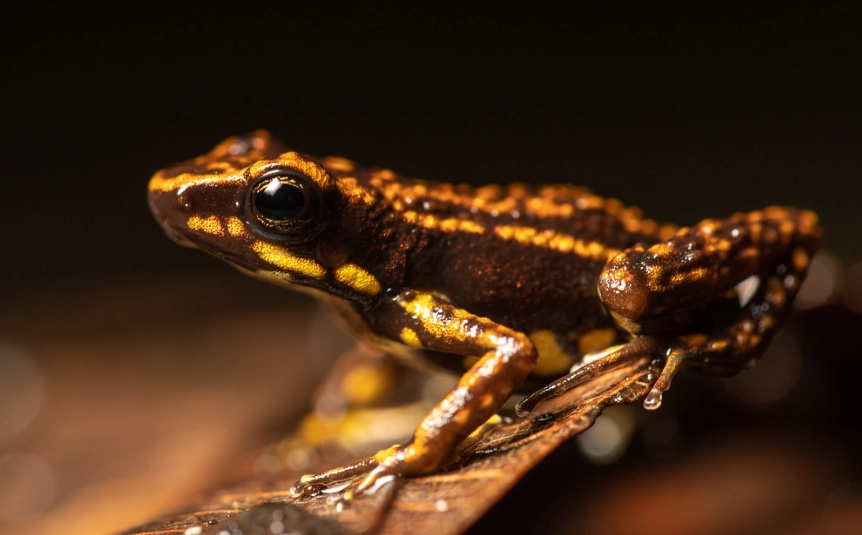
Conservation and Ecology
Darwin frogs are listed as Vulnerable by the IUCN due to habitat loss. Their poison plays a role in ecosystem balance by deterring predators, which helps maintain biodiversity.
Conservation efforts are crucial. Organizations like the Amphibian Survival Alliance work on protecting their habitats. If you're interested, support local conservation groups in Chile.
From a personal stance, I think focusing solely on their poison misses the bigger picture. These frogs are indicators of environmental health. When I visited their habitats, the decline in numbers was alarming, linked to climate change and pollution.
Your Questions Answered
 Are Darwin frogs more poisonous during certain seasons?
That wraps it up.
Understanding Darwin frog poisonous claims requires digging beyond surface-level info. It's a fascinating species with mild defenses, not a horror story. Stay informed, respect wildlife, and you'll be fine. If you're planning a trip to South America, enjoy the biodiversity but keep a respectful distance.


Comments
Leave a Comment