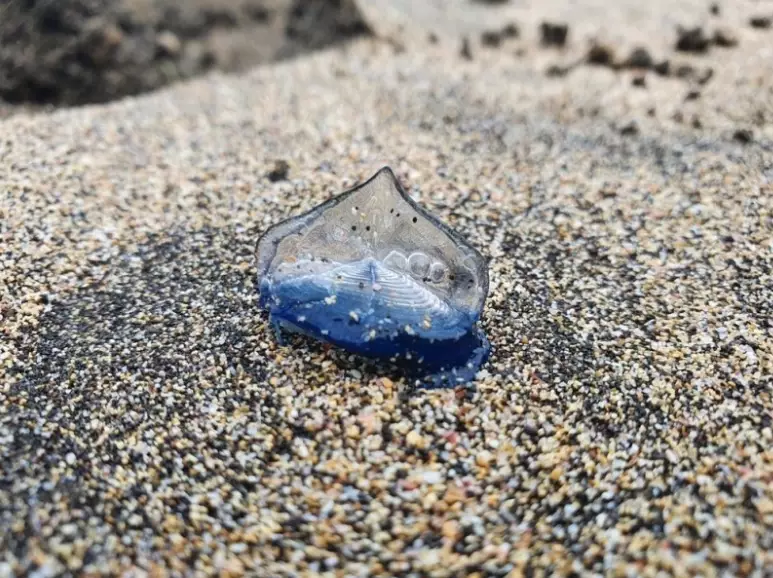
You're walking along a beach after a storm, and the sand is littered with thousands of them. Small, oval, about the size of a credit card, with a translucent blue body and a stiff, clear sail set diagonally across the top. They look like tiny, discarded sailboats or strange pieces of plastic. You've just stumbled upon a mass stranding of Velella velella, the creature perfectly known as the "By the Wind Sailor." It's not a single animal, not a jellyfish, and definitely not plastic. Unpacking what it actually is reveals one of the ocean's most fascinating and misunderstood stories of survival, wind, and interconnected life.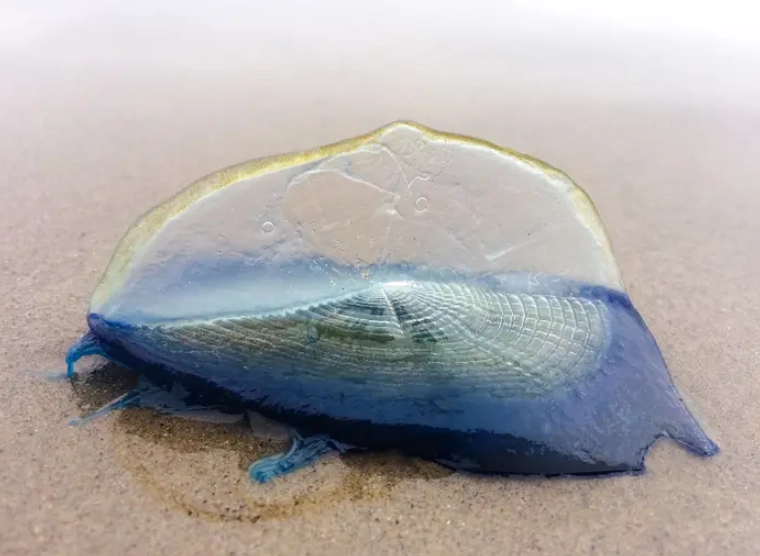
What You'll Find in This Guide
What Exactly Is This Blue Blob?
Let's clear up the biggest confusion first. The By the Wind Sailor is not a jellyfish. I see this mistake everywhere, even on nature center signs. It's a hydrzoan, which puts it in the same broad class as the Portuguese man o' war and those tiny, feathery polyps you see on dock pilings. The key difference? Velella is a colony.
That little blue raft you pick up is a superorganism. It's made up of hundreds of individual, highly specialized polyps working together. Some form the gas-filled float (the blue part, colored by carotenoid pigments for sun protection). Others become the feeding tentacles that hang underneath, capturing plankton. A different set handles reproduction. They can't survive apart. Calling it a jellyfish is like calling a coral head a single animal—it misses the whole point.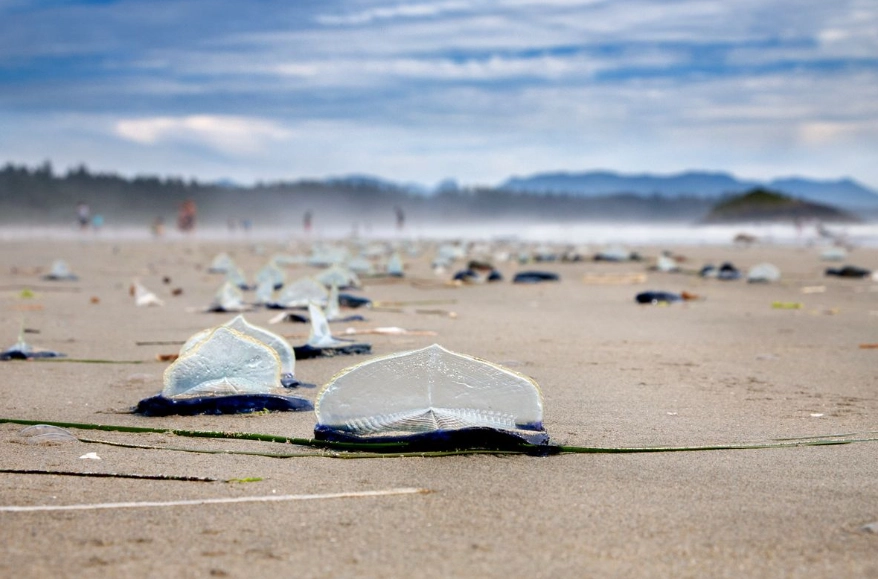
The Strange Lifecycle of a Floating City
Their life story is weirder than fiction. The colony you see drifting is just one phase. Each Velella velella colony is either "right-handed" or "left-handed," depending on which way its sail angles. This isn't trivial. Right-sailed colonies get pushed to the right of the wind direction, left-sailed to the left. Over an ocean basin, this can lead to entire populations being separated, a natural experiment in genetics driven by breeze.
They reproduce by releasing tiny medusae (the true jellyfish-like stage) into the water. These medusae are minuscule, rarely seen, and they produce the larvae that will eventually bud off to form new floating colonies. It's a complex, two-stage dance between a floating form and a swimming form.
What's on the Menu (And Who's Menu Are They On?)
Dangling their stinging tentacles below the water's surface, they're passive hunters of zooplankton—copepods, fish larvae, anything small enough to catch. Their sting is harmless to humans. I've handled hundreds, and the worst I've felt is a slight, fleeting stickiness. The real danger is if you have a cut or get it near sensitive areas like your eyes.
They are a crucial food source in the open ocean. The blue sea raft is a floating buffet for specialized predators:
- The Glaucous-winged Gull: These birds expertly pluck them from the surface.
- The Ocean Sunfish (Mola mola): Their bizarre, beak-like mouths are perfect for scooping up Velella.
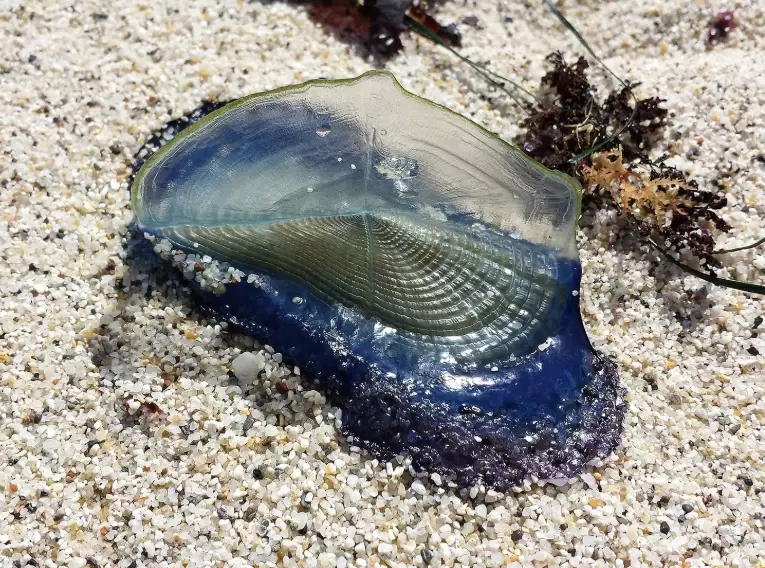
- The Purple Sea Snail (Janthina janthina): This incredible creature floats on a bubble raft it makes itself, preying almost exclusively on Velella and other hydrozoans. Find a Velella on the beach, look closely, and you might find its violet predator nearby.
Why Do By the Wind Sailors Wash Ashore?
Mass strandings are the events that make headlines. You'll see reports from the Pacific Northwest, California, British Columbia, even the UK and New Zealand. The recipe is simple: an offshore population bloom, followed by strong, persistent onshore winds. They have no propulsion. The sail is fixed. If the wind blows toward land for days, they all come in.
Spring is the classic season in the Northern Hemisphere, but fall events happen too. It's all about wind patterns. I keep a simple log: when I see the first one, the wind direction for the past 48 hours (data from the National Oceanic and Atmospheric Administration's buoy reports is perfect), and the state of the tide. After a few years, you can almost predict them.
| Beach Location (Example) | Typical Stranding Season | Primary Wind Driver | What to Look For |
|---|---|---|---|
| Oregon & Washington Coast | Late April - June | Strong South/Southwest Winds | Wrack lines full of blue ovals after a spring storm. |
| Central California (Monterey Bay) | March - May, occasionally Fall | Northwesterly Winds shifting onshore | Often mixed with other gelatinous plankton like salps. |
| British West Coast (Vancouver Island) | May - July | Prevailing Westerlies | Can be so dense they form a blue line at the high tide mark. |
| Southwest England (Cornwall) | Summer, after Atlantic gales | Southwesterly Gales | Less frequent but dramatic when they occur. |
Are They Just Beach Litter? Their Hidden Ecological Role
Seeing a beach covered in decaying By the Wind Sailors can feel like witnessing pollution. It's not. This is a massive nutrient pulse event. That organic matter gets broken down by microbes, eaten by shorebirds and insects, and eventually fertilizes the coastal ecosystem. Research from institutions like the Monterey Bay Aquarium Research Institute (MBARI) shows these gelatinous inputs are a significant, if episodic, part of coastal food webs. They're not a sign of a sick ocean; they're a sign of a productive one far offshore.
The mistake is thinking the story ends on the sand. It's a transfer of energy from the open ocean to the shore.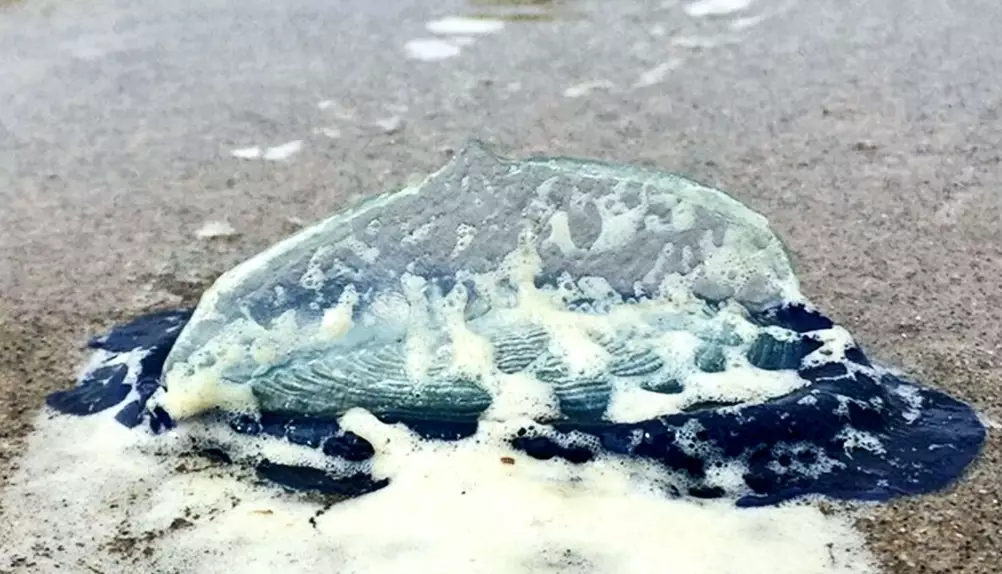
How to Be a Responsible Beachcomber
So you've found them. What now?
Photograph them. Notice the details. Is the sail intact? Are there any tiny purple snails (Janthina) attached? Is the color vibrant blue or faded to a pale purple? These are your observations. If you must touch, wet your hands first (it reduces stress on their delicate tissues) and gently return them to the water if they are still fresh. But understand that if the wind is right, they'll likely be back on the sand soon. That's their fate.
Reporting mass strandings to local marine science centers or via citizen science apps like iNaturalist is incredibly valuable. You're providing real-time data on the distribution of these open-ocean drifters.
Wind, Water, and Warning Signs
Here's where it gets concerning, and why ocean acidification is a critical tag for this topic. Velella, like many planktonic creatures, may be a climate change indicator. Their floating raft is made of chitin, a material that could be affected by changing ocean chemistry. More acidic water makes it harder for marine organisms to build and maintain hard structures.
Furthermore, shifts in wind patterns and ocean currents—driven by climate change—could alter the frequency and location of mass strandings. Are we seeing more? In different places? The data isn't long-term enough yet, which is why your beach observations matter. Anecdotally, veteran beachcombers I talk to feel the blooms are becoming less predictable.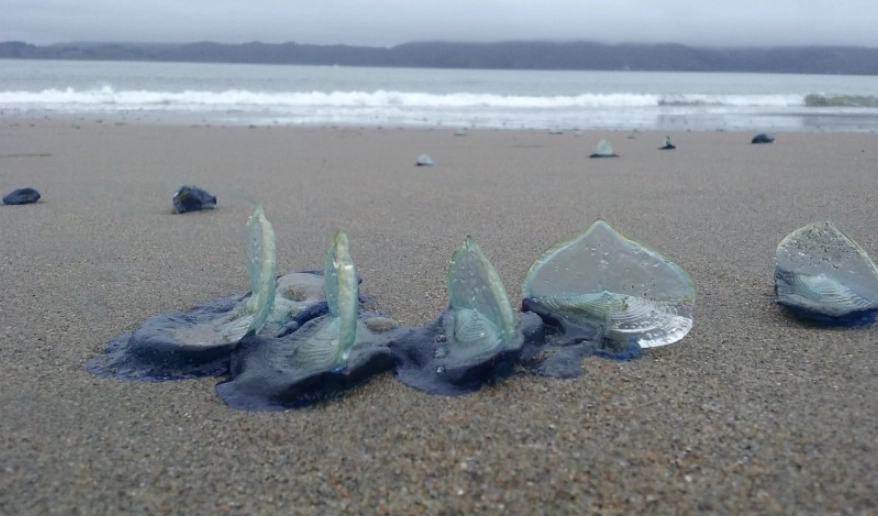
Your By the Wind Sailor Questions, Answered
 What's the difference between Velella and the Portuguese Man O' War?

Comments
Leave a Comment