Let's talk about the Black Jacobin pigeon. If you've ever seen one at a show, you know they're stunning. That massive, reverse-hood of feathers, the sleek black plumage, the proud stance – it's a living piece of avian art. But here's the thing most articles won't tell you: they're not just a pretty face. Keeping Jacobins, especially the Black variety, is a commitment that goes way deeper than basic pigeon care. I've seen too many enthusiastic newcomers get a pair, only to struggle with matted head feathers, breeding issues, or birds that just don't thrive. This guide is for the person who wants to do it right, from day one.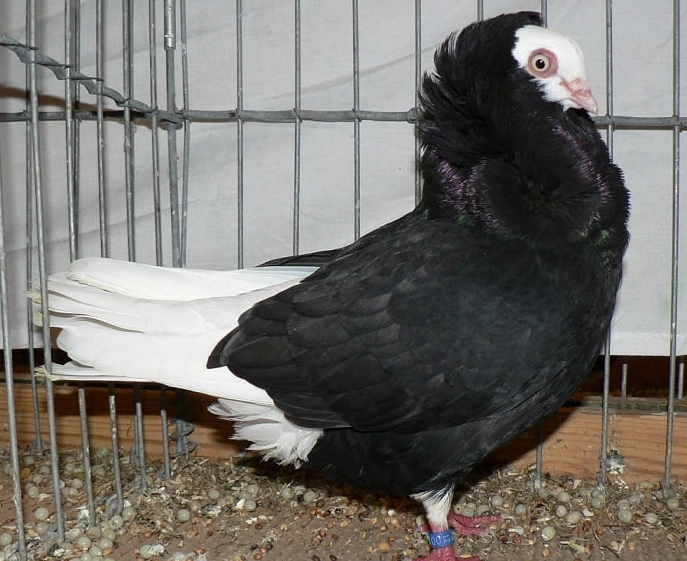
Quick Navigation
Where Did This Fancy Bird Come From?
The Jacobin pigeon's story starts in Asia, likely India, centuries ago. They're named after the Jacobin monastic order, whose monks wore a distinctive hooded cloak. The resemblance is obvious. Breeders in Europe, particularly in the UK and Germany, took this foundation and refined it over generations into the exhibition bird we know today. The Black Jacobin is one of the many color varieties, prized for its deep, consistent color and high contrast. Unlike some breeds developed for utility, every aspect of the Jacobin has been shaped by the show standard. This is crucial to understand – their form follows a very specific function, which directly impacts how you care for them.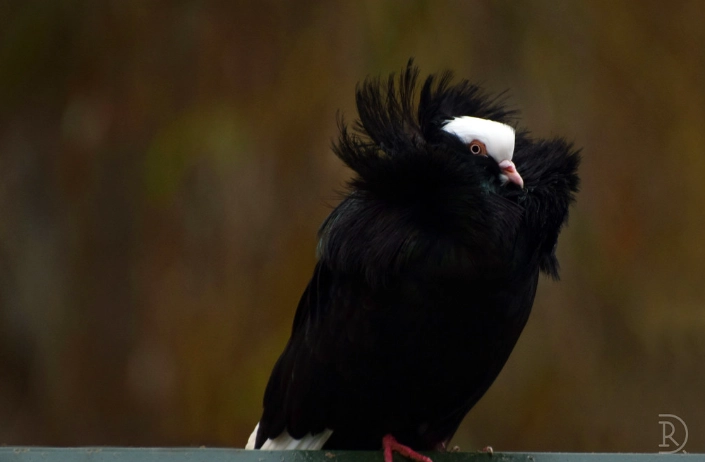
The Jacobin Look: More Than Just a Hood
Everyone focuses on the hood. It's the star. But a top-quality Black Jacobin is a sum of precise parts.
The Hood (or Mane): This isn't just messy head feathers. It's a symmetrical, reverse-growing rosette that forms a perfect circle around the head, meeting at the back in a distinct "chain." It should be full, but not so overgrown it impairs the bird's vision.
The Body: Compact, upright, and broad-chested. They should carry themselves with a graceful, alert posture.
Legs and Stance: Legs are medium length, set well apart. A common fault is legs set too close together, making the bird look unstable.
Color: For the Black variety, the ideal is a solid, intense, glossy black from beak to toe, without any rusty tinge or white feathers. Maintaining this depth of color is where diet and genetics intersect.
Key Distinction: Don't confuse the Jacobin with the English Trumpeter or other crested breeds. The Jacobin's hood is unique in its reverse growth and formation. A quick glance at the National Pigeon Association's breed standards page clarifies this – the Jacobin standard is all about that specific head feather structure.
Setting Up the Perfect Jacobin Loft
This is where most first-time owners make their first big mistake. A standard pigeon loft won't cut it. Their hoods are delicate and prone to damage.
Loft Design Must-Haves
Headroom and Perches: You need higher perches than for other breeds, and they must be smooth and wide (at least 1.5 inches across). Thin, rough perches will break and soil the hood feathers. Place perches so there's ample vertical space between them and the roof – a Jacobin needs to fly up to its perch without brushing its head.
Flight Area: A protected flight pen is non-negotiable. They need exercise to stay fit, but free-flying exposes them to predators, weather, and sticky substances (like tree sap) that can ruin the hood. An enclosed aviary is safer.
Nest Boxes: Standard boxes work, but make them extra deep and clean. I line mine with pine shavings and change them twice a week during breeding season. A dirty nest is a fast track to soiled feathers and health issues for the squabs.
What to Feed Your Black Jacobins
You can't just buy a bag of generic pigeon feed. Their nutritional needs support feather quality, breeding stamina, and overall health. A poor diet shows up quickly in dull plumage and low fertility.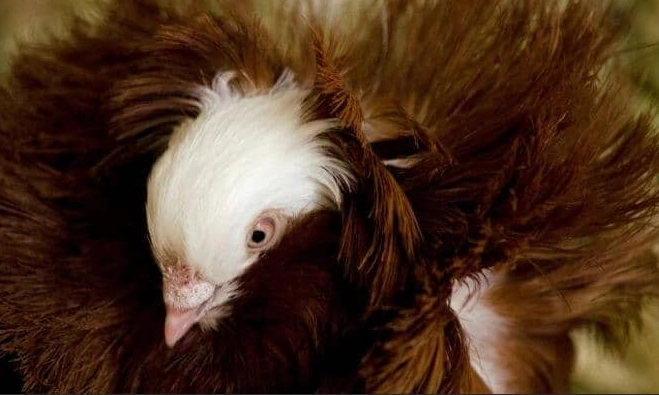
I use a mix of:
- High-Quality Pigeon Grain Mix (50%): Look for mixes with peas, wheat, corn, and milo.
- Legumes (25%): Peas and lentils for protein, especially critical during molt and breeding.
- Seeds for Condition (15%): Safflower, flaxseed, and a little hemp seed. Flax is great for feather sheen.
- Grit & Supplements (10%): A constant supply of mineral grit, plus a weekly dose of a pigeon-specific vitamin in their water, like those from brands such as Vetafarm.
Clean, fresh water is available at all times. I use automatic waterers to keep it contamination-free.
| Life Stage | Diet Focus | Key Supplements |
|---|---|---|
| Maintenance (Non-Breeding) | Balanced grain/legume mix, maintain weight | Mineral grit, weekly vitamins |
| Breeding Season | Increase protein (more legumes) | Calcium (cuttlebone), daily vitamins |
| Molting Season | High-protein, add oil-rich seeds (flax) | Amino acids, probiotics for gut health |
| Show Preparation (Last 6 Weeks) | Lean mix, reduce fat, enhance color | Color enhancers (natural, like marigold extract) |
The Tricky Business of Breeding
Breeding show-quality Black Jacobins is the real challenge. It's genetics, environment, and a bit of luck.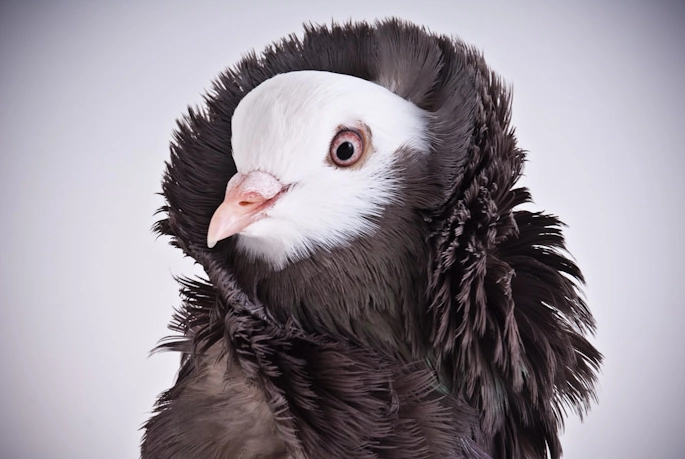
Pairing Strategy
Never pair two birds with the same fault. If one has a slightly narrow hood, pair it with a bird with an exceptionally full hood. You're balancing traits. I keep detailed records of every pairing and the qualities of each squab. Resources like the American Jacobin Club newsletter often discuss pairing strategies that are more insightful than generic breeding advice.
The Squab Stage
Jacobin parents can be clumsy. The hood sometimes gets in the way of feeding the young. Watch the squabs closely. If they aren't gaining weight, you may need to foster them under a more experienced pair of a different breed (like Homers) or hand-feed. This is a common but rarely discussed hurdle.
Keeping Your Flock Healthy
Jacobins are generally robust, but their hood makes them susceptible to specific issues.
- Feather Lice & Mites: The dense hood is a paradise for parasites. A monthly visual check and quarterly preventive treatment (like a permethrin-based spray applied carefully) is essential. Don't wait until you see them scratching.
- Respiratory Issues: A dusty loft is a killer. Excellent ventilation is more important than keeping it slightly warm. Draft-free, but fresh air always moving.
- Impacted Crop: Sometimes they ingest bedding or feathers. Watch for a persistently full, squishy crop. Adding poultry grit to aid digestion can help prevent this.
Find an avian vet before you have an emergency. Not all vets are comfortable with pigeons.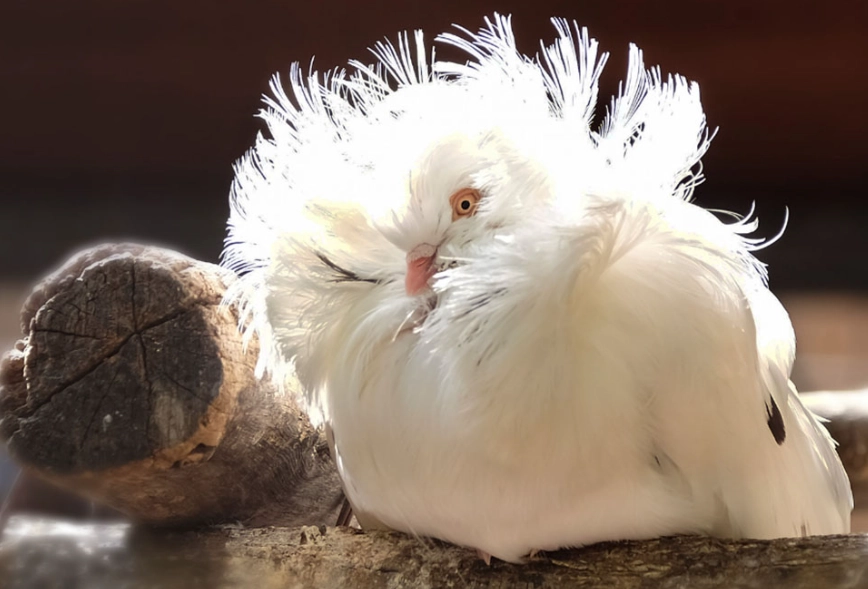
Getting Ready for the Show Ring
Preparing a Black Jacobin for a show is a 6-week process, not a last-minute bath.
Feather Care: The hood is gently misted with water and arranged with a soft, baby-hair toothbrush. Any stained feathers are carefully cleaned with a dilute, bird-safe shampoo. Never use human products – they strip natural oils.
Conditioning: The bird should be fit, not fat. Flight time in the aviary is increased. The diet is leaned out.
Training: Get them used to the show cage. Handle them daily so they stand calmly for the judge. A nervous bird that fluffs up or hides its head will never place well.
Transport: Use a dedicated, spacious show travel crate. Line it with soft, clean paper. Crowding during transport can destroy months of preparation.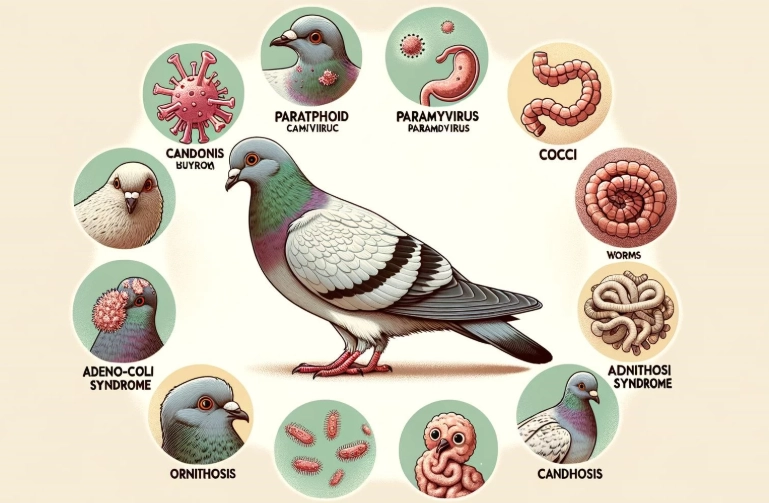
Your Questions, Answered
This usually points to two things: loft humidity or diet. A damp, poorly ventilated loft will cause feathers to clump. Fix the airflow first. Secondly, a diet lacking in the right oils (like those from flaxseed) leads to dry, brittle feathers that don't lay properly. Try adding a teaspoon of flaxseed to their daily feed for a month. Also, ensure their water source isn't causing them to wet their hood when they drink – use a cup drinker rather than an open bowl.
It's not uncommon, especially with young or inexperienced pairs. Jacobins can be nervous parents. First, make sure their nest box is in the quietest, darkest corner of the loft. Any disturbance can spook them. Second, check the eggs with a candler around day 5-7. If they're infertile, the pair will often give up. If they're fertile and they still abandon, you might have a pair that just isn't good sitters. Your best bet is to pull the eggs and place them under a reliable foster pair (like a pair of Homing pigeons) immediately. Don't keep trying with a pair that consistently abandons – you'll just waste breeding seasons.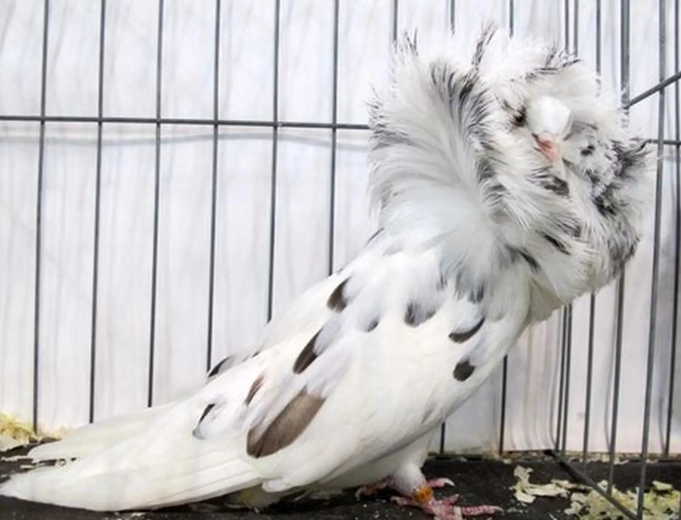
You can't make a final call until after the first molt (around 4-5 months old), when the true hood comes in. However, look for early signs in a 6-8 week old squab: a broad, strong head shape, a wide stance, and the early hint of feather rosettes above the eyes. The ones that look a bit "plain-headed" as babies often develop the best, tightest hoods. The squabs with huge, fluffy head feathers early on often molt into a looser, less desirable mane. It's counterintuitive, but I've seen it hold true more often than not.
Comments
Leave a Comment