The Jacobin Pigeon is a showstopper. That magnificent feathered hood, the "Jacobin" or "cowl," makes it one of the most recognizable fancy pigeon breeds globally. But here's the thing that trips up countless new fanciers and even some with a bit of experience: telling the hens from the cocks. It's not as straightforward as with some other breeds, and getting it wrong can throw off your breeding plans or flock dynamics. This guide isn't just a rehash of basic facts. We're going deep on the Jacobin Pigeon female—how to spot her with confidence, understand her unique needs, and successfully breed her.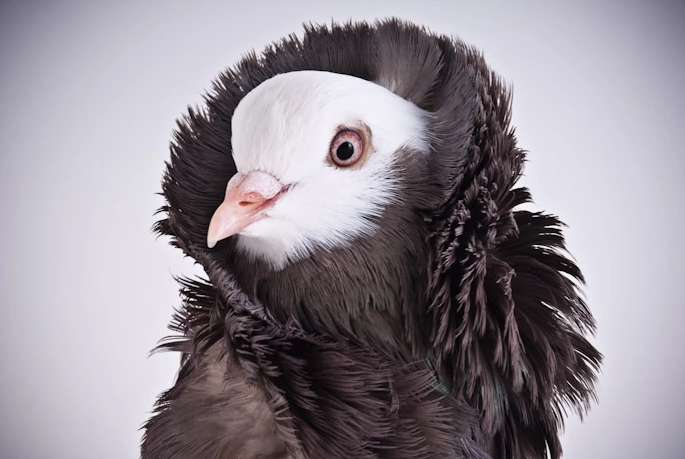
What You'll Learn in This Guide
How to Identify a Female Jacobin Pigeon
Sexing Jacobins visually is an art, not a perfect science. You need to look at the whole picture. Many beginners fixate on size alone and get it wrong. A common mistake is assuming the larger bird is always the male. While often true, I've seen plenty of robust, dominant hens that out-muscle their mates.
You have to combine physical traits with behavioral clues. Let's break it down.
Physical Characteristics of a Jacobin Hen
The key is subtlety. A hen is generally more refined.
Size and Build: She is typically slightly smaller and more slender than the cock. Her head is often finer and more delicate. The body carriage might be a touch more horizontal, whereas a mature cock can stand more upright, puffing his chest. But the difference can be mere millimeters.
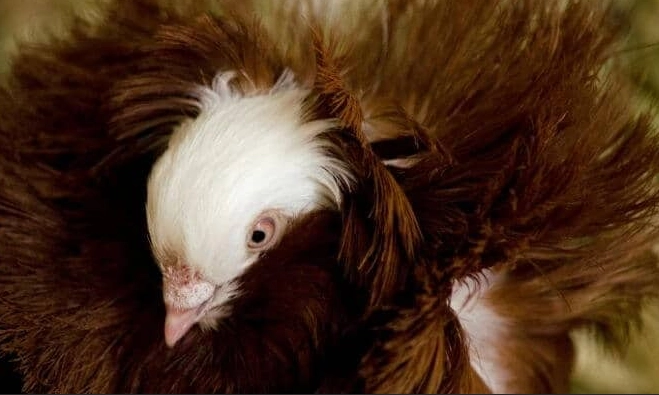
The Head and Hood: This is crucial. The hen's hood, while still full and beautiful, is often (but not always) slightly less developed. The feathers might be a bit shorter, and the rosettes (the circular feather formations at the base of the hood) may be less pronounced. Her beak is usually finer and more slender.
Weight: A mature Jacobin hen usually weighs between 280-340 grams (10-12 oz), while a cock can range from 310-370 grams (11-13 oz). You need a good scale to use this reliably.
Behavioral Signs That Scream "Hen"
Behavior is often the dead giveaway, especially during breeding season.
Courtship and Mating Behavior: The cock is the performer. He will coo persistently, often with a deeper, more resonant "coo-roo-coo" sound, and perform the bowing and turning display. The hen, if receptive, will remain quieter, may respond with soft grunts, and eventually crouch for mating. If you see a bird consistently being the one chased or courted, it's likely the hen.
Nesting Behavior: The hen is the primary nest sitter. She will spend the most time in the nest bowl, especially during the incubation period from late afternoon through the night until mid-morning. The cock usually takes the day shift. A bird that is fiercely protective of a particular nest box is almost always the hen.
General Demeanor: Hens can be assertive, but they often (not always) have a slightly calmer, less confrontational air than cocks, who may be more prone to posturing and sparring with other males.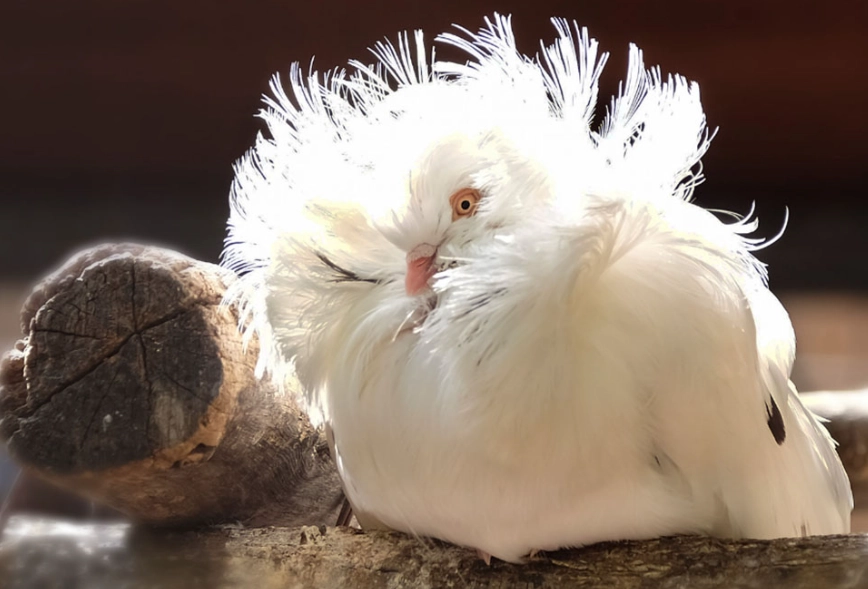
| Characteristic | Female Jacobin Pigeon (Hen) | Male Jacobin Pigeon (Cock) |
|---|---|---|
| Primary Role | Egg layer, primary incubator (night shift), brooder. | Courtship display, mate guarding, daytime incubator. |
| Typical Build | More slender, finer bone structure, smaller head. | More robust, broader chest, larger head. |
| Hood Feathering | Often slightly less full; rosettes may be smaller. | Usually fuller, more pronounced hood and rosettes. |
| Vocalization | Softer coos and grunts, especially when nesting. | Loud, persistent "coo-roo-coo" courtship song. |
| Key Behavior | Crouches for mating, guards nest fiercely. | Bows, turns, dances, and pursues the hen. |
Caring for Your Jacobin Hen
Caring for a Jacobin hen isn't radically different from caring for the cock, but her needs shift during the breeding cycle, and you must account for her slightly more delicate frame, especially regarding that hood.
Housing and Environment
Jacobin hens need space. That hood limits their peripheral vision, making them more susceptible to surprise and stress.
Aviary or loft space should allow for easy, unobstructed flight. Perches must be placed so they can land and take off without their hood feathers getting caught or damaged. I recommend smooth, rounded wooden perches of at least 1-inch diameter. Avoid crowded conditions; stress can cause a hen to lay fewer eggs or abandon a nest.
Nest boxes are critical. A Jacobin hen prefers a deep, semi-enclosed box for security. A standard box around 12x12x12 inches works, but I've had better results with slightly taller boxes (14 inches high) with a partial front to help contain the nesting material. Always provide ample clean nesting material like pine shavings or straw.
Diet and Nutrition for Optimal Health
A hen's nutritional demands skyrocket when she's producing eggs. A maintenance diet of 50% grains (corn, wheat) and 50% legumes (peas, beans) is fine. But when breeding, she needs more.
Increase the protein content. Add more peas, lentils, or a commercial pigeon breeding mix. Grit with added calcium and oyster shell must be available at all times. Eggshell formation drains her calcium reserves rapidly. A deficiency leads to thin-shelled eggs, egg binding, and serious health risks for the hen.
Fresh, clean water is non-negotiable. Hens drink more when laying. I change water twice daily.
How to Breed Jacobin Pigeon Hens Successfully?
Breeding Jacobins is the pinnacle for many fanciers, and the hen is the centerpiece of this process. Success hinges on managing her specific needs.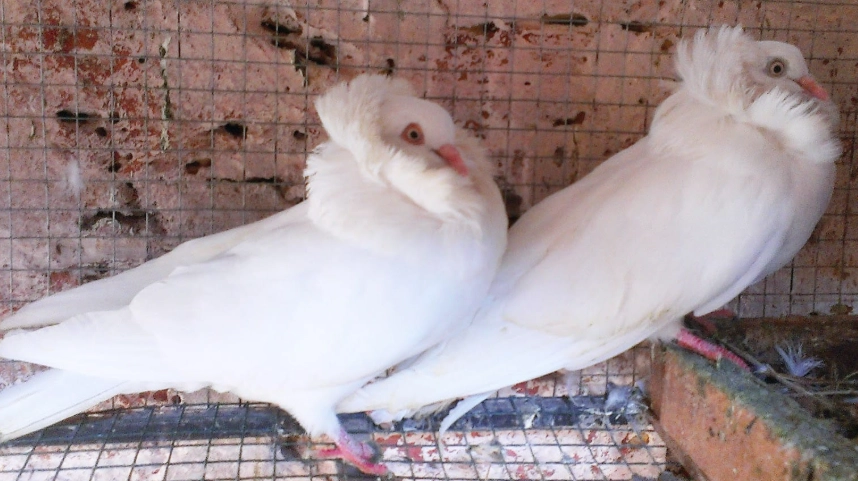
Pairing and the Breeding Cycle
Select a compatible pair. A overly aggressive cock can stress a hen, leading to failed mating or poor parenting. Introduce them in a neutral space or a large flight pen. Watch her behavior. If she's constantly running from him, consider re-pairing.
The cycle starts with courtship, then mating. About 10 days after mating, she will lay the first egg, usually in the late afternoon. The second egg follows about 44 hours later. Here's a critical, often-overlooked point: Jacobin hens often don't start serious incubation until the second egg is laid. Don't panic if she seems inattentive to the first egg for a day. It's normal.
Incubation and Hatching
Incubation lasts 17-19 days. The hen typically sits from late evening until mid-morning. The cock takes over for the day. Disturb them as little as possible. Candling eggs at day 7-10 can check for fertility, but do it quickly and gently.
Hatching can be tricky for Jacobin squabs. Their large, awkward heads and the confined space of the egg can lead to "dead-in-shell" if humidity is off. Ensure the nesting area isn't too dry. A shallow water pan in the loft can help ambient humidity.
Rearing Squabs and Hen Health
Both parents produce "crop milk" to feed the squabs. The hen's nutritional needs are now extreme. A high-protein breeding mix, plus supplements like brewer's yeast, is essential. Watch her weight. A hen that looks gaunt needs immediate dietary support.
Limit her to 2-3 clutches per year. Back-to-back breeding without rest depletes her and produces weaker offspring. After weaning the squabs (at 4-5 weeks), separate her from the cock for a rest period of at least 6-8 weeks on a maintenance diet to recover her condition.
 Understanding the Jacobin Pigeon female is about appreciating her subtle differences and her central role in the breed's continuation. By learning to identify her accurately, catering to her specific care needs—especially during the demanding breeding cycle—and respecting her limits, you ensure not only her well-being but also the health and quality of future generations of these magnificent, hooded birds. It's a rewarding journey that goes far beyond just keeping a beautiful pigeon.


Comments
Leave a Comment