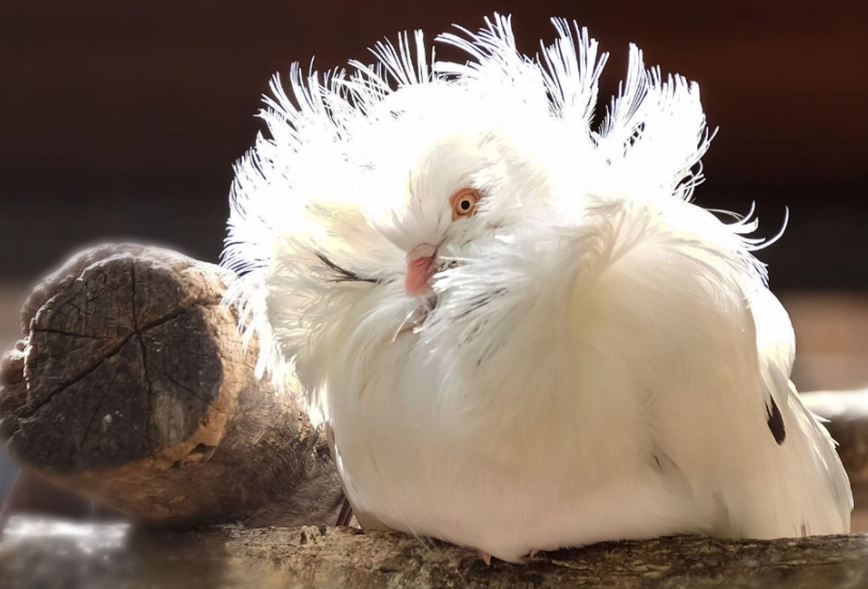
Let's be honest. When you first saw a Jacobin pigeon, you weren't thinking about its health. You were captivated by that incredible feathery hood, the elegant posture, the sheer uniqueness of it. I was the same. But after years of breeding and showing these birds, I've learned a hard truth: their beauty is directly tied to their vulnerability. That magnificent hood isn't just for show; it's a built-in health challenge. This guide isn't a list of generic pet advice. It's a deep dive into the specific, often overlooked health issues that plague Jacobin pigeons, based on hands-on experience and conversations with other long-time fanciers.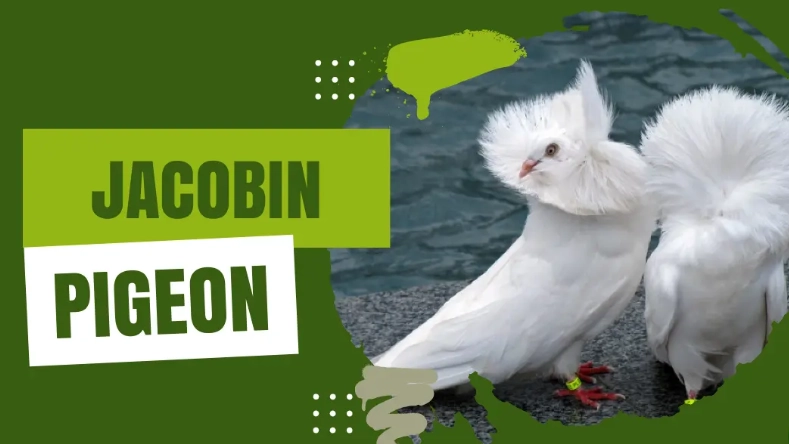
What You'll Find in This Guide
The Top 3 Jacobin Pigeon Health Problems
Most pigeon health lists are too generic. For Jacobins, three issues stand head and shoulders above the rest. If you master these, you're 80% of the way there.
1. Respiratory Infections: The Silent Hooded Threat
This is the big one. That gorgeous hood restricts air flow around the head and limits the bird's field of vision. A Jacobin can't easily shake its head to clear nasal discharge or see a draft coming. Combine that with the dust their feathers can generate, and you have a perfect storm for respiratory trouble.
What to look for: It's subtle at first. Not always sneezing. Listen for a slight clicking or gurgling sound when the bird breathes, especially after flight. Watch for them sitting fluffed up more than usual, or a single watery eye (which they'll try to wipe on their shoulder). A clear, then later milky, discharge from the nostrils is a red flag.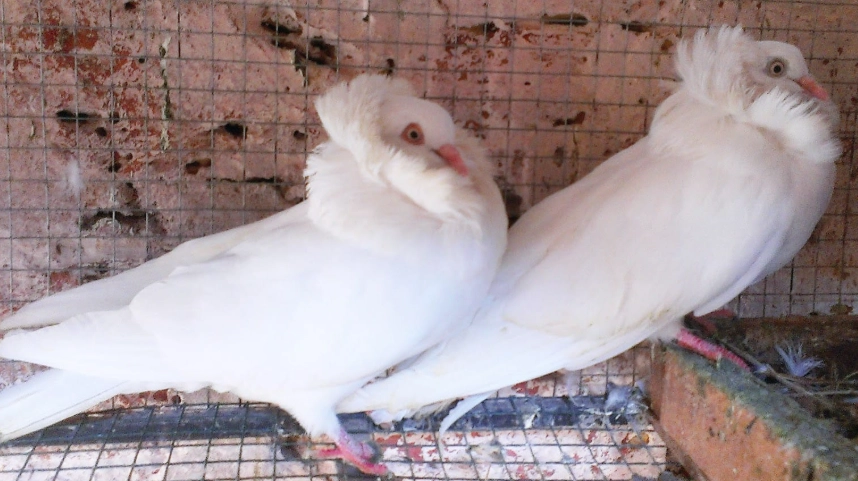
2. External Parasites: More Than Just an Itch
Mites and lice love the dense feathering of a Jacobin, particularly under the hood and in the fluff around the vent. A minor infestation in a short-faced tumbler is a major one in a Jacobin.
You won't always see the bugs. Look for the evidence: restless behavior, excessive preening, small scabs or irritation on the skin (part the feathers gently), and—the biggest clue—a "powdery" look at the base of the feathers, which is mite debris. Feather lice will cause the shafts to look frayed and chewed.
3. Feather Cysts and Damaged Plumage
The Jacobin's feathers are long, delicate, and grow in specific patterns. Feather cysts (ingrown feathers) are common, especially in the cape and hood. They look like small, hard lumps under the skin. Also, because the hood obscures vision, Jacobins are more prone to damaging their feathers by bumping into things. Broken blood feathers (pin feathers) can bleed significantly and are an infection risk if not handled correctly.
Your Daily Prevention & Care Routine
Prevention isn't complicated, but it is non-negotiable. This is the boring stuff that saves you from the heartbreak later.
Housing is Everything: Their loft needs excellent ventilation but zero drafts. Think steady, gentle air exchange, not a wind tunnel. Perches should be wide and flat to support their feet and prevent pressure sores. Avoid wire floors; they're terrible for foot health. Space is crucial—overcrowding is the fastest way to spread disease and stress.
The Cleaning Schedule That Actually Works: Forget "weekly deep cleans." It's about daily spot cleaning. Remove wet droppings and spoiled food every single day. I use a simple vinegar-water solution for daily wipe-downs of perches and common areas. A full loft disinfectant? I do it seasonally, or if there's been illness. The goal is to manage ammonia and moisture, not create a sterile lab environment that stresses their immune systems.
Bathing & Grooming: Jacobins need to bathe. It keeps their feathers in condition and helps control parasites. Provide a shallow pan of water at least twice a week. After bathing, ensure they can dry in a warm, draft-free area. Check their feathers regularly for damage or cysts. A small cyst can sometimes be expressed gently when new, but if it's large or old, leave it to a vet.
Diet & Nutrition: Building From the Inside Out
You can't out-supplement a poor diet. A common error is feeding a generic "pigeon mix" high in peas and corn, which can be too heavy and protein-rich for a non-racing fancy bird.
A Better Base Mix: Look for a high-quality fancy pigeon or dove mix. It should have a variety of small seeds (millet, canary seed), some wheat, and a smaller percentage of legumes (like vetch, not just peas). A good ratio is about 50% grains, 30% small seeds, 20% legumes. Corn is fine in moderation, especially in winter.
Essential Supplements (The Short List):
- Grit: Non-negotiable. It's not just for digestion; it provides essential minerals. Offer a separate container of insoluble grit (flint, granite) and a mineral grit (with oyster shell, charcoal).
- Calcium: Especially for hens. A cuttlebone in the loft is the easiest way.
- Probiotics: I add a poultry probiotic to their water once a week, especially after stress (showing, weather change) or antibiotic treatment. It supports gut health, which is linked to overall immunity.
- Electrolytes & Vitamins: A multivitamin in the water every other week is sufficient for most of the year. During molting or breeding, you can be more frequent.
Fresh, clean water is more important than any supplement. Change it daily, and scrub the containers regularly to prevent biofilm buildup.
Special Considerations for Breeding Season
Breeding puts immense strain on Jacobins. Hens can become calcium depleted (leading to egg binding). Parents feeding squabs can spread any latent infections.
Prepare at least a month ahead. Worm your birds (under guidance, not automatically). Ensure their diet is top-notch. Provide extra calcium sources. Nest boxes should be clean, private, and safe from drafts. Watch breeding pairs closely for fatigue. Sometimes, the best thing you can do for their long-term health is to give them a rest year if they seem run down.
Squab health starts with the parents. A weak or nutrient-deficient parent bird will raise a weak squab. The first week is critical—ensure the parents are feeding properly. Rejections happen; be prepared to hand-feed if necessary, though it's a last resort.
Your Jacobin Health Questions Answered
 What's the one supplement you wouldn't keep Jacobins without?
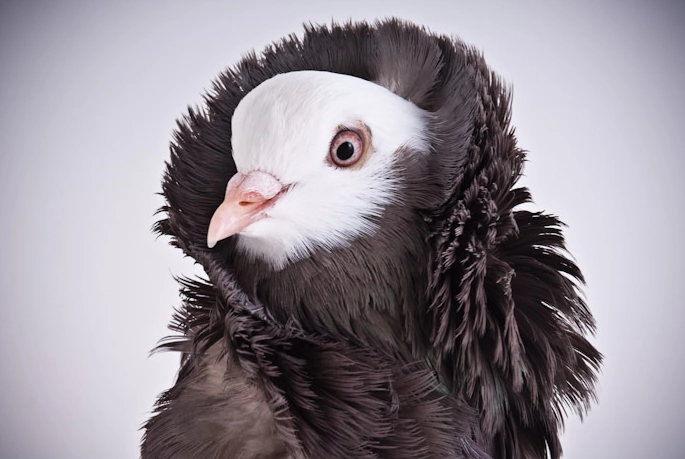 Caring for a Jacobin pigeon is a commitment to detail. Their health issues are manageable, but they require a proactive, observant owner. It's not about being a veterinarian; it's about being a good steward. By understanding their unique vulnerabilities—that magnificent, problematic hood, their dense feathering, their specific needs—you can create an environment where they don't just survive, but truly thrive. The reward is a healthy, vibrant bird whose elegance is matched by its vitality.

Comments
Leave a Comment