Let's get straight to the point. Crocodiles, sharks, and dinosaurs are often lumped together as "ancient monsters," but that lazy label misses the real story. I've spent years studying predator ecology, and what truly connects them isn't just teeth and terror—it's a masterclass in survival against astronomical odds. One group watched continents split, another ruled the planet for an era, and the last outlived that era's catastrophic end. Their collective history isn't a random trio of scary animals; it's a blueprint written in bone and cartilage showing how life weathers global change. We're talking about biological designs so effective they've persisted for hundreds of millions of years, designs that make our own species' brief tenure look like a fleeting experiment.
Your Quick Guide to Ancient Predators
The Winning Biological Blueprint: It's Not Just About Size
Everyone focuses on the jaws. Sure, a T. rex's bite could crush a car, a great white's is a sensory-guided scalpel, and a saltie's is a death-roll generator. But the secret sauce is in the less glamorous systems. Their sensory worlds are hyper-specialized. Sharks detect bioelectric fields we can't conceive of—the faint heartbeat of a fish buried under sand. Crocodiles have pressure receptors (integumentary sense organs) on their jaws that feel a single ripple in the water. Dinosaurs like raptors likely had incredible vision and possibly even primitive feathers for insulation and display, a fact often overshadowed by Hollywood's scaly depictions.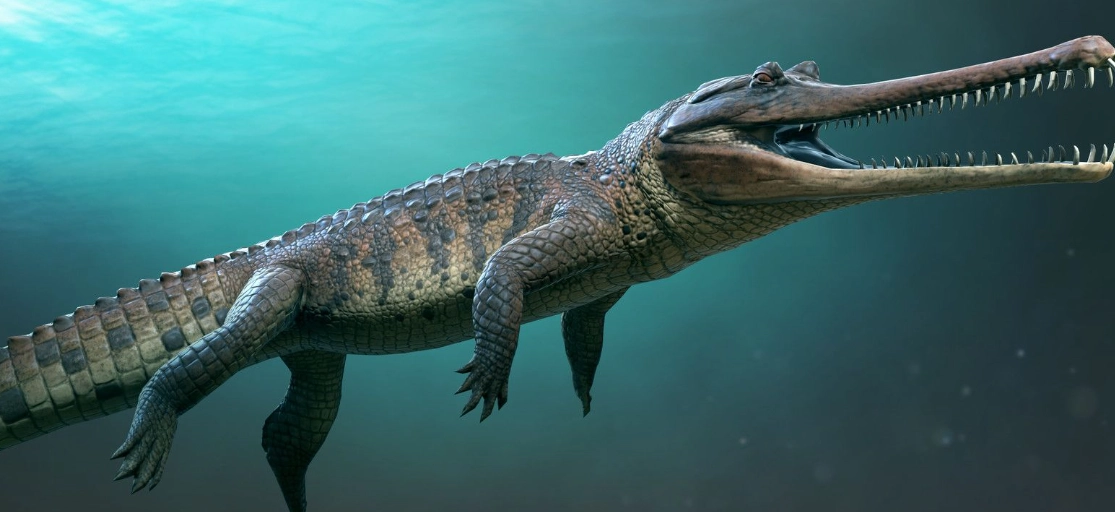
Their metabolic strategies are a study in efficiency. This is where a common mistake pops up: assuming all these predators were hyper-active, warm-blooded chase machines. Not so. Crocodiles are masters of the ambush, with a metabolism that allows them to go months without food. Many large theropod dinosaurs may have been mesotherms—not quite cold-blooded, not quite warm-blooded, a middle ground that conserved enormous energy. Sharks like the great white are regional endotherms, keeping key muscles and organs warmer than the water, but they're not burning energy like a marathon-running mammal. The lesson? Evolution favors the efficient, not just the powerful.
A Personal Note on Metabolism: I once watched a large crocodile at the St. Augustine Alligator Farm in Florida. It didn't move for six hours. A tourist next to me called it "boring." I saw a predator running on an operating system that uses 1% of the battery life a mammal of its size would need. That's not boring; that's engineering genius.
Evolutionary Timelines: Who Lasted and Why the Dinosaur Story is Incomplete
We need to clear up the timeline mess first. Sharks are the OGs. Their basic body plan appeared over 400 million years ago, before trees were tall on land. Crocodilians as we'd recognize them showed up in the Late Cretaceous, around 95 million years ago, sharing the world with T. rex. Non-avian dinosaurs ruled from about 230 to 66 million years ago.
The table below cuts through the noise. It's not about who's "best," but about the survival strategies that worked in different contexts.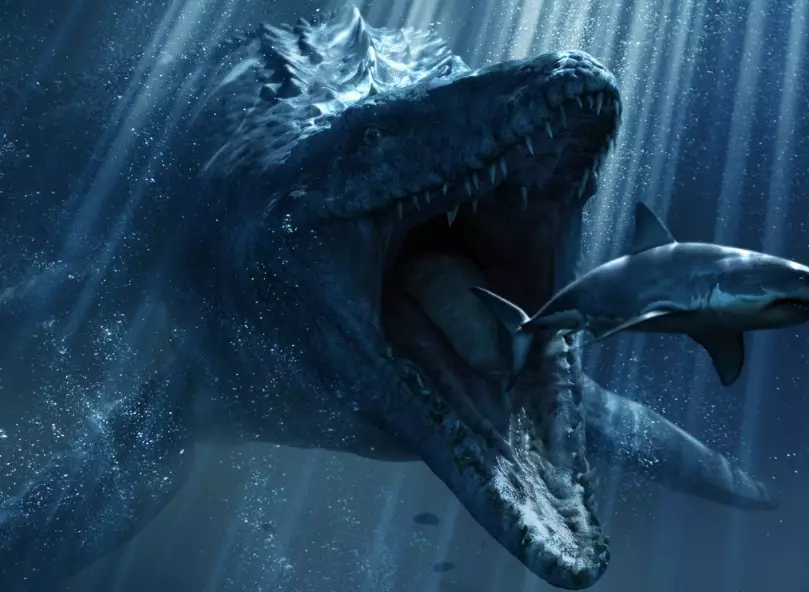
| Feature | Sharks (Elasmobranchs) | Crocodilians | Non-Avian Dinosaurs (Theropods) |
|---|---|---|---|
| Key Survival Adaptation | Cartilaginous skeleton (light, flexible), unparalleled electroreception, constant tooth replacement. | Semi-aquatic niche (escapes land competition), incredible bite force, parental care of young. | Diverse body plans (bipedalism, feathers), likely complex social behaviors, varied diets. |
| Biggest Evolutionary Test | Survived all five mass extinctions, including the Permian-Triassic "Great Dying." | Survived the Cretaceous-Paleogene (K-Pg) asteroid impact that wiped out non-avian dinosaurs. | Failed to survive the K-Pg impact event (except for the avian lineage—birds). |
| Why They Endure(ed) | Ocean-dwelling buffered climate shifts; generalized, efficient physiology. | Ability to fast for extreme periods; freshwater refuges post-asteroid; low energy needs. | Dominance for 165 million years speaks to success, but ecological specialization may have been a liability during sudden, global catastrophe. |
| Modern Representative | Great White Shark (Carcharodon carcharias) | Saltwater Crocodile (Crocodylus porosus) | Birds (e.g., Eagles, Hawks) |
Here's a non-consensus point you won't hear often: we frame the dinosaur extinction all wrong. We say "dinosaurs died, mammals rose." That ignores the crocodilians, which were there too. They didn't just survive by being aquatic—so were giant marine reptiles like mosasaurs, and they died out. Crocs survived because they were freshwater generalists with that incredible fasting ability. When the sky darkened and food chains collapsed, a croc could wait it out in a muddy river. A T. rex, needing thousands of calories daily, couldn't. Survival isn't always about being the toughest; sometimes it's about being the most patient, the most energy-frugal.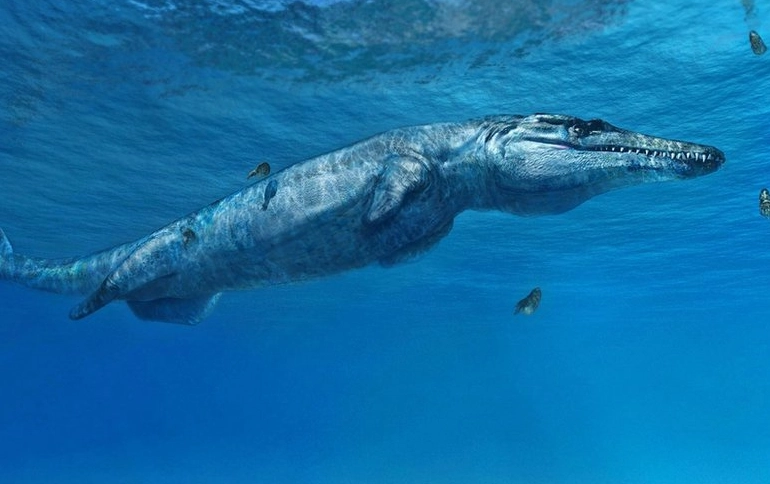
Where to See These Living (and Extinct) Legends
You want to connect with these creatures? It takes different trips. This isn't a theoretical list; these are places I've been or colleagues have vouched for.
For Crocodilians Up Close
Skip the sketchy roadside zoos. For ethical, educational, and jaw-dropping views:
St. Augustine Alligator Farm Zoological Park (Florida, USA): This is the only place in the world with every living crocodilian species. You can stand on a boardwalk and look down at a Nile croc, a gharial, and a saltwater croc from a few feet away. It's humbling. Their breeding programs are serious conservation work. Tickets are around $35 for adults. Go in the morning for feeding demonstrations—it's the only time you'll see them move with purpose.
Crocodylus Park (Darwin, Australia): In the heart of saltie country. You take a boat tour on a lagoon with massive, wild-born salties. The guides are researchers, not just performers. They'll explain the pressure receptors on the jaws. It costs about AUD $40. The dry season (May-Oct) is best.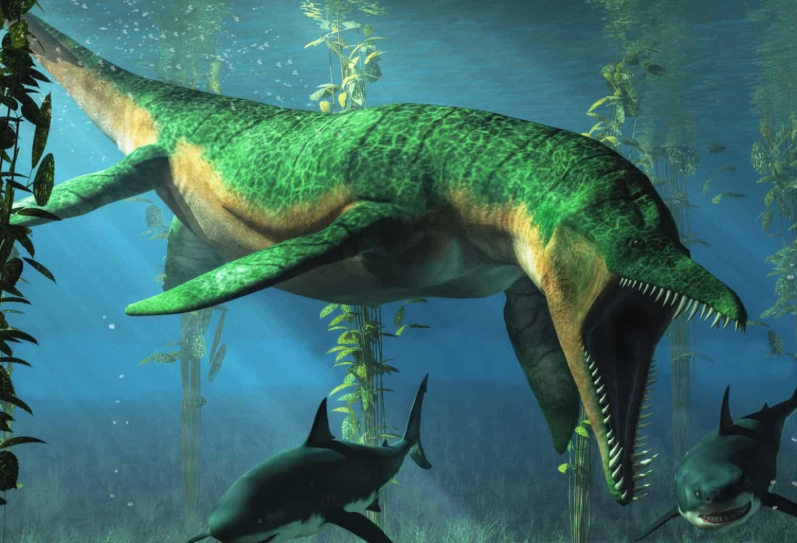
For Shark Encounters
Diving is the gold standard, but there are amazing aquarium options.
Georgia Aquarium (Atlanta, USA) - Ocean Voyager: The single largest aquarium tank in the Western Hemisphere. You walk through a tunnel with whale sharks, hammerheads, and sand tigers gliding overhead. It's the closest most will get to pelagic sharks. It's pricey (around $45), and you need to book a timed entry. Worth every penny for the perspective shift.
Cage Diving in Gansbaai, South Africa or Guadalupe Island, Mexico: For the adventurous. You're in a steel cage, a great white materializes from the blue. It's not scary; it's awe-inspiring. You realize you're looking at a 50-million-year-old design. Trips run $200-$500. Choose operators with strong science and safety credentials, like those affiliated with the Shark Trust.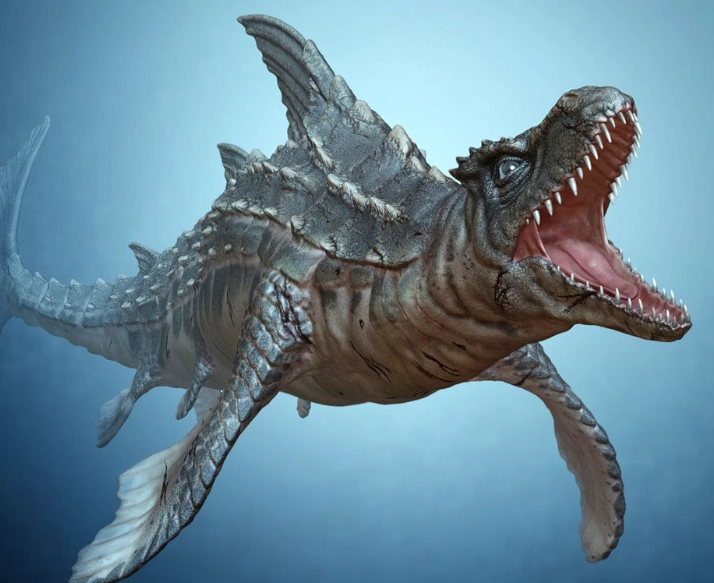
For Dinosaurs (The Next Best Thing)
Fossils are the real deal. Bones don't lie.
The Field Museum (Chicago, USA) - SUE the T. rex: The most complete T. rex ever found. Standing under SUE changes you. You notice the healed injuries, the massive skull. It's not a monster; it's an animal that lived a hard, long life. General admission is $26. Plan at least 2 hours just for the dinosaur halls.
Royal Tyrrell Museum (Drumheller, Canada): In the middle of the Alberta badlands, one of the world's premier paleontology museums. You see dinosaurs in the rock they were found in. The preparation lab view is a masterclass in patience—technicians spend years exposing a single bone. About $20 CAD entry. The surrounding hiking trails have smaller fossils right on the surface (look, don't take!).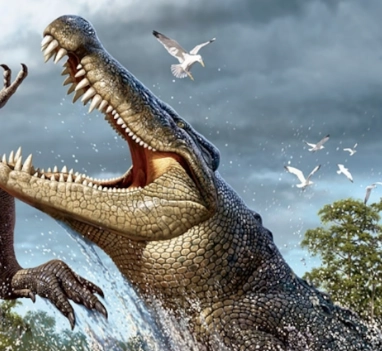
Debunking Common Myths and Misconceptions
Let's kill some darlings.
Myth 1: "Sharks are mindless killing machines." Nonsense. Most shark bites on humans are cases of mistaken identity (surfer silhouette from below = seal). They're curious investigators. A great white will often do a "test bite" and release, realizing its mistake. That's cold comfort if you're the bitee, but it speaks to behavior, not malice.
Myth 2: "Crocodiles are slow and stupid." On land, a croc can sprint faster than you for short distances. Their problem-solving intelligence is documented—they use tools (balancing sticks on their snouts to lure nesting birds), and they coordinate hunts.
Myth 3: "All big dinosaurs were slow, cold-blooded lizards." This is the most persistent error. Biomechanics studies, like those cited by the Smithsonian, suggest a T. rex could likely run 15-25 mph. Many were agile, active, and as mentioned, potentially mesothermic. The lumbering, tail-dragging brontosaurus of old cartoons is dead.
The Modern Fight: Conservation Status and Why It Matters to You
Their past resilience doesn't guarantee future safety. Humans are a novel threat.
Sharks: Overfishing and the fin trade are catastrophic. According to IUCN data, over a third of shark and ray species are threatened with extinction. Losing sharks, the ocean's apex regulators, collapses food webs. You can help by checking seafood guides and avoiding products with shark liver oil (squalene) in cosmetics.
Crocodilians: Many species, like the Chinese alligator, are critically endangered due to habitat loss. Others, like the American alligator, are a success story—protected from overhunting, they rebounded. Support wetland conservation. It's not just for crocs; it's for flood control and water purification.
Dinosaurs (Birds): Remember, birds *are* dinosaurs. We're losing them at an alarming rate. Habitat destruction, cats, window strikes. Protecting a hawk or an eagle is literally conserving a lineage that survived an asteroid. Put decals on your windows. Keep cats indoors.


Comments
Leave a Comment