You find a dead mouse in your garden one afternoon. The next morning, it's gone. No feathers, no fur, just a slight depression in the soil. You might thank a cat, but there's a far more efficient and fascinating culprit at work: the creature often called the corpse fly. This isn't a fly at all, but a beetle—specifically, a burying or carrion beetle (genus Nicrophorus). These insects are nature's ultimate sanitation engineers, and their life story is one of cooperation, parental care, and gruesome efficiency. Forget the simple scavenger; this is an organism that actively manages and repurposes death.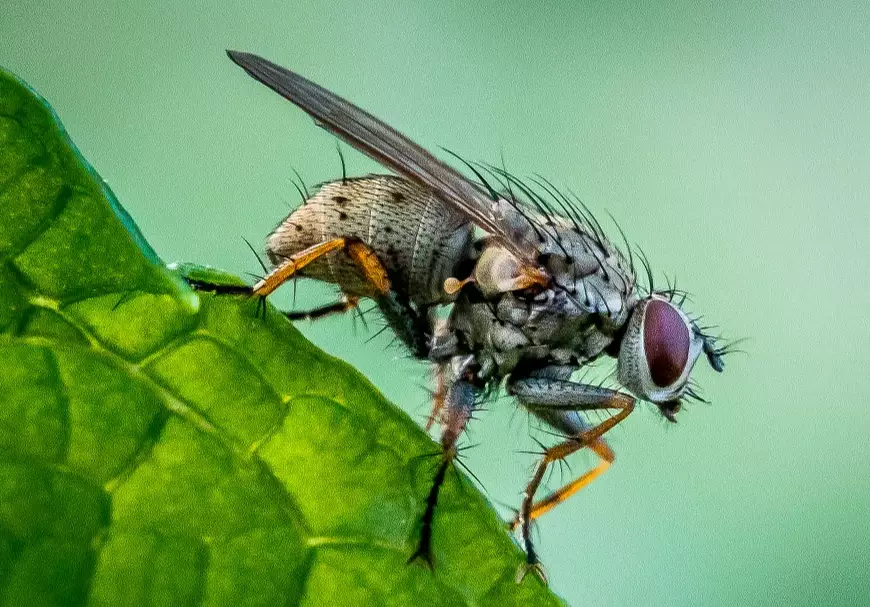
In This Article
- What Exactly Is a Corpse Fly? (Burying Beetle 101)
- The Corpse Fly's Remarkable Life Cycle: From Egg to Adult
- How Burying Beetles Benefit Your Garden and Ecosystem
- Where and How to Find Corpse Flies (A Practical Guide)
- Common Myths and Misconceptions About Carrion Beetles
- Frequently Asked Questions About Corpse Flies
What Exactly Is a Corpse Fly? (Burying Beetle 101)
The name "corpse fly" is a classic case of mistaken identity. Flies (order Diptera) have two wings. What we're talking about here has four wings—the front pair hardened into protective cases. They are beetles, belonging to the family Silphidae. The stars of the show are the sexton or burying beetles in the genus Nicrophorus.
Let's get the visuals straight. These aren't drab, boring bugs. Many species are striking, with glossy black bodies punctuated by bright orange or red markings on their wing cases (elytra). The patterns are like warning signs. They range in size from about 1 to 1.5 inches long. If you see one, you'll notice a distinct, somewhat musky odor. That's their chemical calling card and defense mechanism.
Not Just One Species: A Diverse Family
Globally, there are about 75 species of Nicrophorus. In North America and Europe, you might encounter several. Nicrophorus vespilloides is common in Europe, while Nicrophorus orbicollis and Nicrophorus tomentosus are frequent finds in North American woodlands. They all share the core behavior: burying small vertebrate carcasses. But their strategies can differ slightly. Some are more tolerant of cooler temperatures, allowing them to be active earlier in spring or later in fall.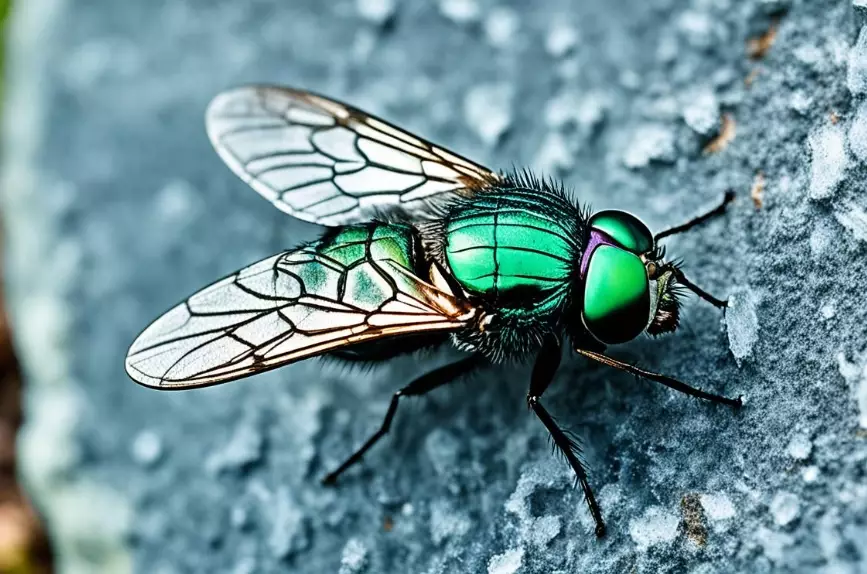
A quick identification tip: If you find a beetle on a dead animal, look at its antennae. Burying beetles have distinctive, clubbed antennae with orange tips. If it's a true fly (like a blowfly), it will have large, often red, compound eyes and only one pair of functional wings. This simple check settles the "fly vs. beetle" debate instantly.
The Corpse Fly's Remarkable Life Cycle: From Egg to Adult
This is where the magic—if you can call it that—happens. The life cycle of a burying beetle is a tightly choreographed dance centered around a carcass. It's not a passive process; it's active estate management.
Finding the Prize: It starts with a male or female beetle detecting the scent of decay from up to two miles away. They have incredibly sensitive antennae tuned to chemicals like putrescine and cadaverine. I've watched them arrive at a small bird carcass within an hour of placement. They don't just stumble upon it; they race toward it.
The Burial: Once a beetle finds a suitable carcass (a mouse, shrew, or small bird is ideal), it will try to attract a mate. If another beetle of the opposite sex arrives, they form a pair bond. Then the real work begins. They crawl under the carcass and use their strong legs to dig the soil out from beneath it. The body slowly sinks into the earth. They'll work together to sever any roots or move small stones. The goal is to completely inter the carcass, creating a subterranean "brood ball." This can take several hours of relentless labor.
Preparation and Egg-Laying: Here's a nuance most guides miss. The beetles don't just bury and lay eggs. They meticulously prepare the carcass. They strip off fur or feathers, roll the flesh into a ball, and coat it with oral and anal secretions. These secretions contain antimicrobial compounds that slow down decomposition and mold growth. They're essentially embalming their food source to keep it fresh for their babies. After preparation, the female lays eggs in the soil nearby, not directly on the carcass.
Parental Care: When the larvae hatch, they crawl to the brood ball. Both parents remain. This is rare in the insect world. The parents feed the larvae by regurgitating pre-digested carrion. They also defend the brood from rivals like flies or other beetles. The larvae go through three stages (instars) over about a week, growing rapidly on the rich food supply.
Pupation and Emergence: Once fully grown, the larvae burrow into the soil surrounding the now-depleted brood ball to pupate. Adults emerge weeks later, ready to start the cycle anew. The entire process, from burial to new adult, can take 4-6 weeks depending on temperature.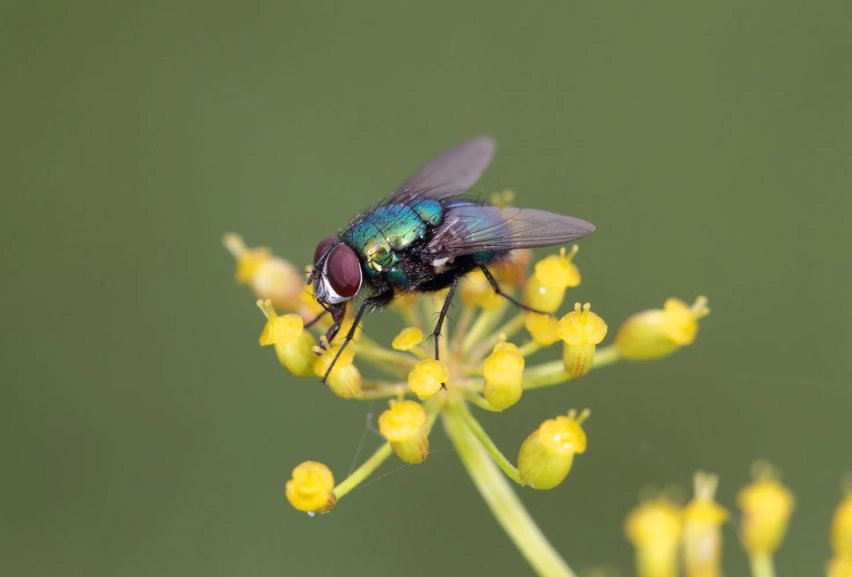
How Burying Beetles Benefit Your Garden and Ecosystem
Let's be honest, the idea of insects swarming over a dead body isn't everyone's cup of tea. But shifting your perspective reveals these beetles as indispensable allies. Their ecological services are profound and directly beneficial to your local environment, especially if you have a garden.
Natural Waste Removal: They are the primary removers of small animal carcasses from the landscape. Without them, dead mice, voles, and birds would linger, attracting less desirable scavengers like rats or becoming breeding grounds for flies and pathogens. A study published by the Royal Entomological Society highlighted how burying beetles significantly reduce the presence of fly larvae on carcasses through direct competition.
Soil Aeration and Fertilization: The act of burial is essentially tilling. They dig and turn over soil, improving aeration. The decomposed carcass becomes a concentrated nutrient packet, enriching the soil with nitrogen, phosphorus, and other elements far more effectively than surface decomposition.
Pest Population Control: By efficiently recycling carcasses, they disrupt the breeding cycles of pest insects like blowflies and flesh flies that rely on exposed carrion. A healthy burying beetle population is a natural form of pest suppression.
Supporting the Food Web: They are food for other wildlife, including birds, mammals, and other insects. Their activity also supports a whole micro-ecosystem of mites (often hitched on the beetles), nematodes, and other decomposers.
Think of them as a free, highly skilled cleanup and soil amendment service. The alternative—you having to deal with a rotting carcass—is far less appealing.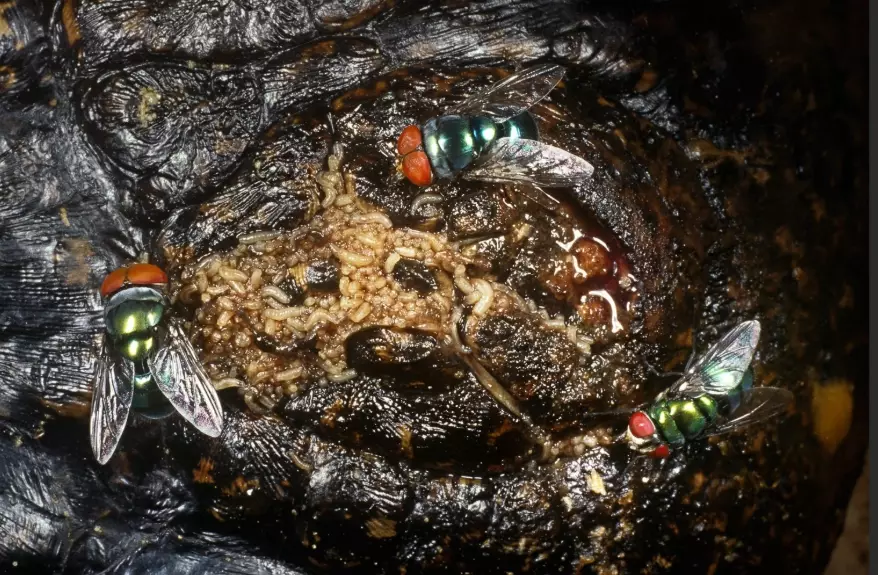
Where and How to Find Corpse Flies (A Practical Guide)
Want to see this phenomenon for yourself? It's easier than you think, but requires a bit of setup and the right location. This isn't like birdwatching; you're essentially setting a trap for a specific behavior.
Prime Locations: Burying beetles favor the edges of ecosystems. Look for forest edges, hedgerows, the borders between fields and woods, and overgrown gardens. They need loose, workable soil for burial, so avoid compacted ground or thick clay. I've had the most success in oak woodlands with a sandy loam floor.
The "Bait": You'll need a small, fresh carcass. This is the uncomfortable part for many. Ethical sources include:
- Frozen mice or chicks from a pet store (sold as reptile food). Thaw completely.
- A bird that has recently died from a window strike (check local regulations).
The ideal size is a mouse or a small songbird. Too large (a squirrel or rabbit), and the beetles can't handle it. Too small (an insect), and it's not worth their effort.
Setup and Observation:
- Timing: Late spring through early fall is best, on a warm evening when beetles are most active.
- Placement: Take your bait to your chosen location. Place it on the ground, preferably near some leaf litter or under a loose shrub for slight cover.
- Monitoring: Check the bait after 1-2 hours, and again the next morning. Use a red-light headlamp at night to avoid disturbing them too much.
- What to look for: Beetles on or under the carcass, or the carcass itself appearing to sink into the ground. You might see them fighting off rival insects.
A word of caution: This process involves decay. There will be an odor. You will see other insects. Wear gloves, and be prepared for the reality of nature's processes. The payoff, however, is witnessing one of the most complex and caring behaviors in the insect world.
Common Myths and Misconceptions About Carrion Beetles
After years of talking to people about these insects, I've heard it all. Let's clear up some persistent falsehoods.
Myth 1: "They spread disease." The opposite is true. By rapidly burying and chemically treating carcasses, they reduce the surface area available for disease-carrying flies and bacteria. Their secretions have antifungal and antibacterial properties. They are part of the sanitation solution, not the problem.
Myth 2: "They're just like dung beetles." While both are recyclers, their methods and targets are completely different. Dung beetles process feces, often rolling it into balls. Burying beetles target flesh and work as a pair to inter it. Different niche, different behavior.
Myth 3: "If I see one, it means something died nearby." Not necessarily. Adults are strong fliers and can be found wandering in search of a carcass or a mate. Finding one on a flower (they sometimes feed on nectar) doesn't mean your garden is a graveyard.
Myth 4: "All carrion beetles bury bodies." This is a critical distinction. The Silphidae family has two main groups: the Nicrophorinae (the burying beetles we discuss) and the Silphinae (the large carrion beetles). Beetles in the genus Silpha (like the Red-breasted Carrion Beetle) do not bury carcasses. They and their larvae feed on the surface. Only Nicrophorus species perform the elaborate burial.
Frequently Asked Questions About Corpse Flies
No, they pose virtually no threat. They are not venomous, do not bite, and are not vectors for human diseases. Their primary defense is to emit a foul-smelling chemical from their abdomen to deter predators. The worst that might happen is you get a whiff of that odor if you handle one roughly. They are completely harmless to pets. In fact, by removing small carcasses, they may reduce your dog's chance of finding and rolling in something dead.
The best thing you can do is nothing. If you find a small dead animal (mouse, vole, bird) in a secluded part of your garden, just leave it. The beetles will likely find it. "Helping" by moving it to a bin or burying it deeply yourself removes this resource from the ecosystem. If you want to actively encourage them, reduce or eliminate broad-spectrum insecticide use, maintain some areas of loose, undisturbed soil and leaf litter, and have a diversity of plants to support the small mammals and birds that are their food source.
This is a common frustration and reveals a key point about their behavior. They are highly sensitive to disturbance and competition. If the carcass is too large, the soil too hard, or if they are constantly harassed by ants, flies, or even your observations, they may abandon the project. Another reason is the discovery of a more suitable, fresher carcass nearby. Their time and energy are precious; they'll cut their losses. For successful observation, minimal interference is the golden rule. Set up your bait and watch from a few feet away.
 What's the difference between a burying beetle and a blowfly?
They are competitors in the same space but with wildly different strategies. Blowflies (true flies) aim to lay eggs on a carcass as fast as possible so their maggots can consume it on the surface. They are speed-oriented. Burying beetles are quality-over-quantity investors. They work to secure the carcass, preserve it, and raise a few, well-fed offspring with parental care. In a way, blowflies are the fast-food scavengers, while burying beetles are the careful homesteaders. The beetles often win this competition by physically removing the carcass from the environment the flies need.
If you uncover a brood ball while gardening—a ball of flesh with small, white, grub-like larvae around it—the best action is to carefully re-cover it with soil. You've stumbled upon a nursery. Disturbing it will likely cause the parents to abandon it, and the larvae will die. Gently replace the soil and mark the spot so you don't disturb it again. Consider it a privilege to have such active natural recyclers in your soil.



Comments
Leave a Comment