Albino animals aren't just pretty white versions of their species—they're genetic anomalies fighting an uphill battle for survival. From poor eyesight to being easy targets for predators, their lives are tougher than you might think. Let's cut through the myths and get into what really matters: the science, the stories, and how we can help.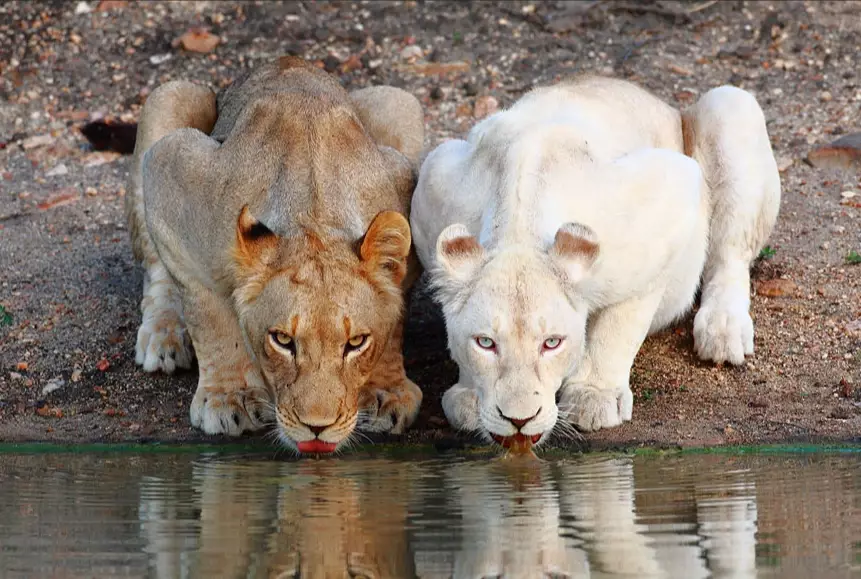
Jump to What Matters Most
What Exactly is Albinism in Animals?
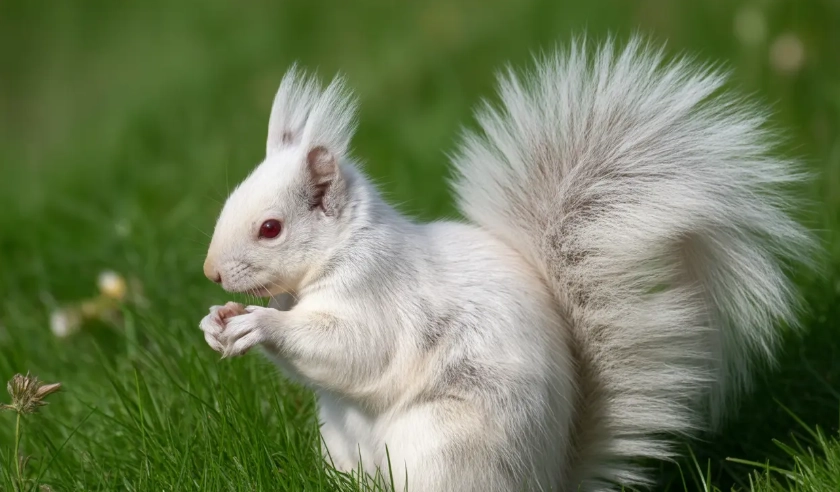
Albinism is a genetic condition where an animal lacks melanin, the pigment that gives color to skin, fur, and eyes. It's not a disease—it's a mutation that can happen in any species, from mammals to birds. I've seen it up close: during a visit to a wildlife rehab center, an albino squirrel stood out like a ghost against the green foliage. Its pink eyes darted nervously, a clear sign of the vision issues that come with this condition.
The Genetic Blueprint: How Albinism Happens
It all boils down to recessive genes. Both parents must carry the albinism gene for it to show up in their offspring. According to research from the University of California, Davis, this makes albino animals incredibly rare—often occurring in less than 1% of populations. Think of it as a genetic lottery where the prize is a lifetime of challenges.
Not Just White: Other Physical Traits
Beyond the white coat, albino animals often have pink or red eyes due to blood vessels showing through. Their skin is pale and sensitive to sunburn. In some cases, like with albino alligators, they might have a yellowish tint. It's a package deal that affects their entire biology.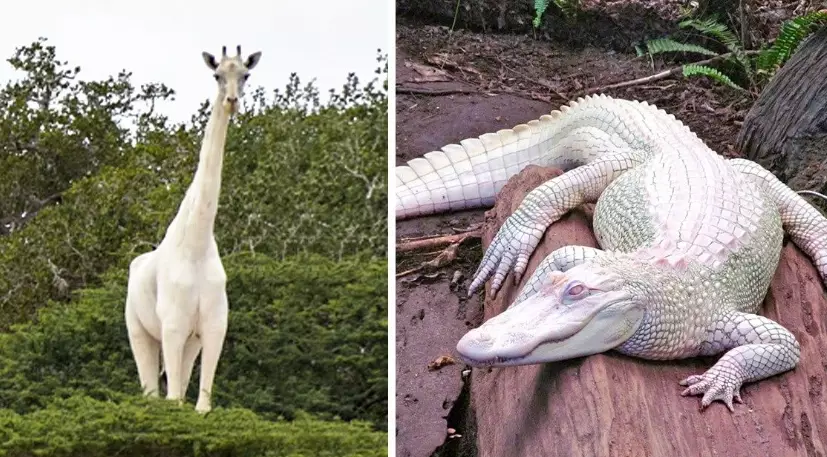
Top 5 Albino Animals and Their Real Stories
Here are five albino animals that highlight the diversity and struggles of this condition. I've picked these based on their uniqueness and the lessons they teach us.
Snowflake the Gorilla: Lived in Barcelona Zoo, was the world's only known albino gorilla. His story shows how albinism can lead to social isolation—other gorillas initially avoided him. He died of skin cancer, a stark reminder of the health risks.
Migaloo the Whale: An albino humpback whale spotted off Australia. Researchers from the Australian Marine Conservation Society track him; his white color makes him vulnerable to sun damage and boat strikes.
Albino Tigers in Captivity: Often bred in zoos for profit, which I find unethical. They struggle with vision and are more prone to stress in artificial environments.
Albino Deer in North America: Local hunters sometimes prize them as trophies, but conservation groups like the National Wildlife Federation argue this threatens their already low survival rates.
Albino Peacocks in India: Considered sacred in some cultures, but they face higher predation due to their visibility. I saw one in a sanctuary—it was stunning but clearly anxious, constantly looking around.
Survival in the Wild: Why It's So Hard
Imagine trying to hide from predators when you're bright white in a green forest. That's daily life for albino animals. Their lack of camouflage is a death sentence in many cases. Add to that poor eyesight—albinism often causes nystagmus (involuntary eye movements) and photophobia (light sensitivity), making it hard to hunt or avoid danger.
Vision Problems and Predation Risks
A study in the Journal of Wildlife Diseases found that albino mammals have up to 50% higher mortality rates in the wild due to predation. For example, albino rabbits are easily spotted by hawks. I recall a wildlife photographer telling me how an albino fox in his area disappeared within weeks—likely taken by a larger predator.
Social Challenges and Isolation
In social species, albino individuals might be rejected by their groups. This isn't just speculation; observations from primate research indicate that albino monkeys are often ostracized, leading to stress and lower reproductive success.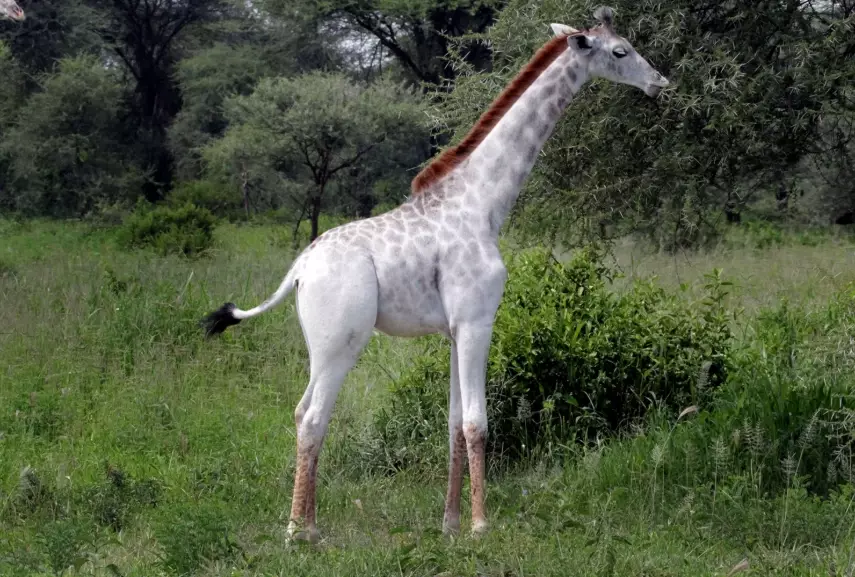
Debunking Common Myths About Albino Animals
Let's clear up some misconceptions. Myth: Albino animals have magical powers or bring good luck. Reality: They're just animals with a genetic quirk. Myth: They're always pure white. Actually, some have slight coloration or patterns. Myth: Albinism is contagious. Absolutely not—it's hereditary. Spreading these myths can harm conservation efforts by promoting exploitation.
How Can We Help Albino Animals? Practical Steps
Conservation isn't just about big organizations; small actions count. Here's what works, based on my conversations with wildlife rehabilitators.
| Action | How It Helps | Who Can Do It |
|---|---|---|
| Support protected habitats | Reduces predation and human interference | Governments, NGOs |
| Report albino animal sightings | Aids research and monitoring | Public, citizen scientists |
| Avoid breeding albinos in captivity | Prevents health issues and ethical concerns | Zoos, breeders |
| Educate communities | Reduces myths and promotes protection | Schools, media |
| Donate to rehab centers | Provides care for injured albino animals | Individuals, corporations |
For instance, the African Wildlife Foundation runs programs that train locals to protect albino elephants from poachers. It's hands-on work that makes a difference.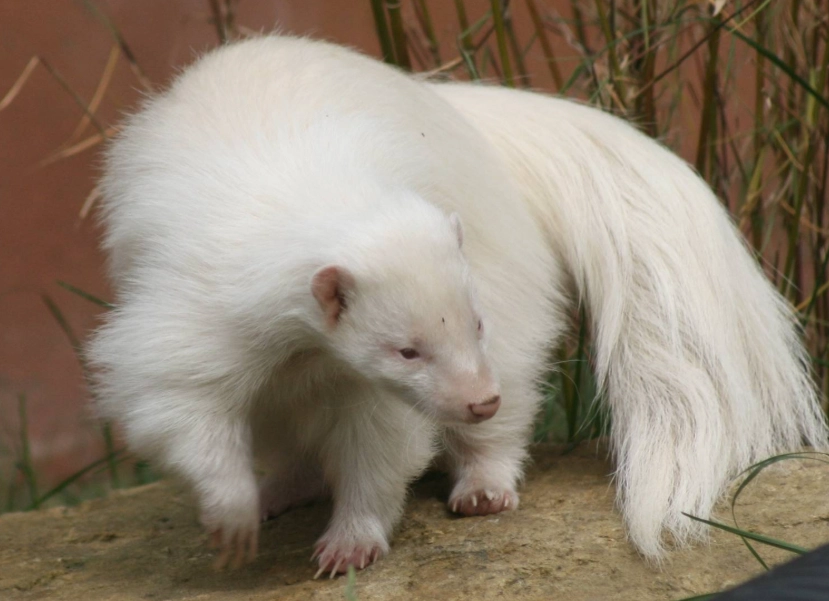
FAQ: Your Burning Questions Answered
 Albino animals remind us of nature's fragility and diversity. By understanding their struggles, we can move beyond fascination to meaningful action. Whether it's supporting habitat conservation or spreading accurate information, every bit helps. Next time you see a picture of a white creature, remember there's a whole story behind that coat.


Comments
Leave a Comment