Picture this: you're hiking through a sun-drenched Australian forest, and a large, muscular shape moves in the shade. You expect the usual grey fur, but instead, you're met with a coat so deep and dark it seems to swallow the light. You've just had a rare encounter with what many call a "black kangaroo." It feels almost mythical, like spotting a ghost. But it's very real. Let's cut straight to it: a black kangaroo isn't a separate species. It's a stunning melanistic eastern grey kangaroo (Macropus giganteus), a genetic twist that turns its iconic grey fur into a rich, often jet-black cloak. This isn't just a colour swap; it changes how we see them, where to find them, and the stories we tell about them.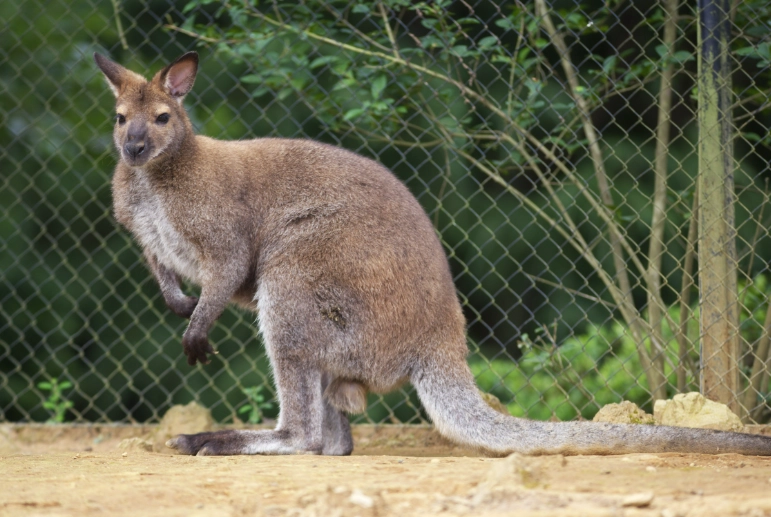
What's Inside This Guide
What Exactly is a Black Kangaroo?
Calling it a "black kangaroo" is a bit of a shorthand. Scientifically, you're looking at an eastern grey kangaroo with a condition called melanism. Melanism is the opposite of albinism; it's an overproduction of the dark pigment melanin. This results in that striking black or very dark brown fur. It's a rare but naturally occurring genetic variation, not a sign of a new species or some environmental pollution, as some old bush tales might suggest.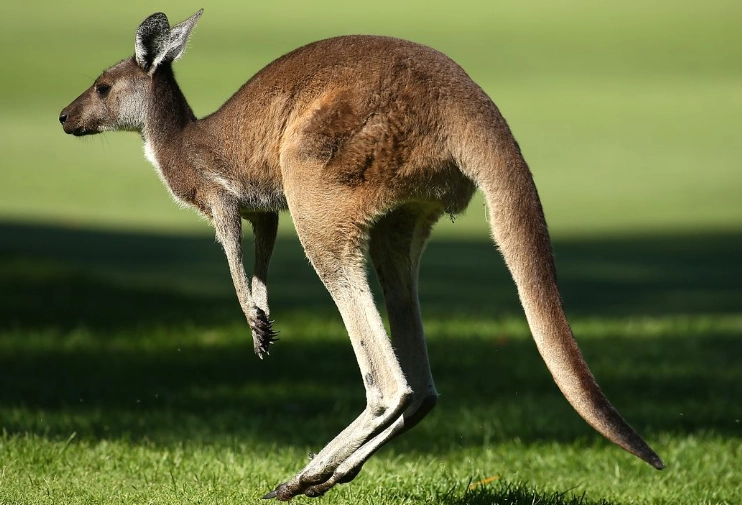
Key Point: The eastern grey kangaroo is one of the most common and widespread macropods in Australia. The black variant is simply a colour morph of this species, most frequently reported in specific, cooler regions like Tasmania and parts of Victoria.
I remember my first time seeing one, years ago, in Tasmania. I almost dismissed it as a trick of the light under the dense canopy. But as it turned, the sunlight caught its fur, revealing a sleek, uniform darkness that was unmistakable. That's the thing—they don't look dirty or off-colour. They look purposefully, elegantly dark. Their eyes, nose, and claws remain their normal colour, which creates a beautiful contrast against the dark fur.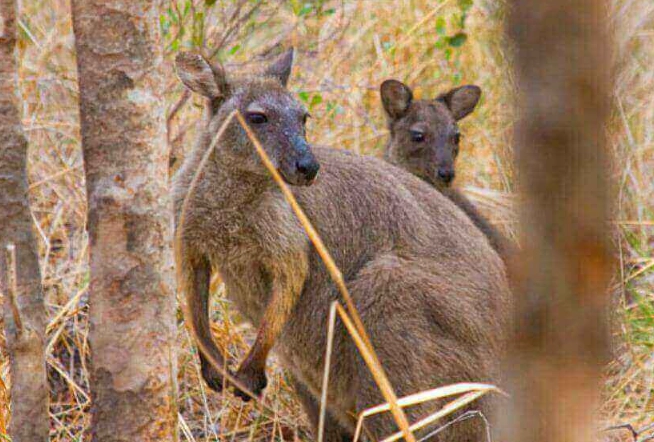
Where Can You See a Black Kangaroo?
You won't find them just anywhere. While eastern greys are everywhere on the east coast, the black-furred individuals show up more in certain pockets. Planning a trip to see one requires a bit of local knowledge.
Tasmania is the undisputed hotspot. The cooler climate and isolated gene pool on the island seem to have allowed this trait to persist more commonly. You're not guaranteed a sighting, but your odds are better here than anywhere else on the continent.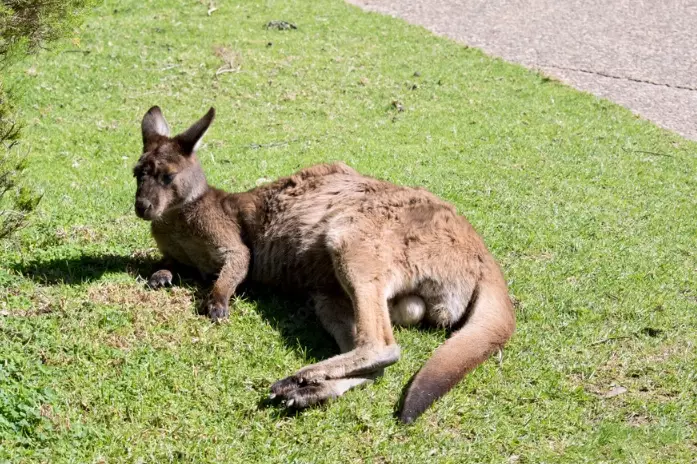
Top Locations for a Potential Sighting
| Location | Region/State | Type of Area | Best Time & Tips |
|---|---|---|---|
| Bonorong Wildlife Sanctuary | Tasmania | Wildlife Sanctuary | Any time. This is your safest bet. They have resident melanistic kangaroos. Check their feeding tour times for close-up views. It's a guaranteed, ethical way to see one. |
| Maria Island National Park | Tasmania | National Park (Ferry access) | Dawn and dusk. The island is car-free and teeming with wildlife. Walk or bike the tracks near the old Darlington settlement. Kangaroos here are very relaxed. |
| Namadgi National Park / Brindabella Ranges | ACT / NSW | Alpine National Parks | Late afternoon. There are consistent, though rare, reports from hikers and park rangers in these higher, cooler altitudes. Stick to fire trails and clearings. |
| Wilsons Promontory National Park | Victoria | Coastal National Park | Early morning. The Tidal River area and surrounding grasslands. Sightings are infrequent but do occur. Combine with a general wildlife spotting trip. |
A common mistake hopeful visitors make is just driving through these parks at midday. Kangaroos, black or grey, are crepuscular—most active at dawn and dusk. That's your window. Spend the golden hours quietly sitting at the edge of a clearing, and you increase your chances tenfold.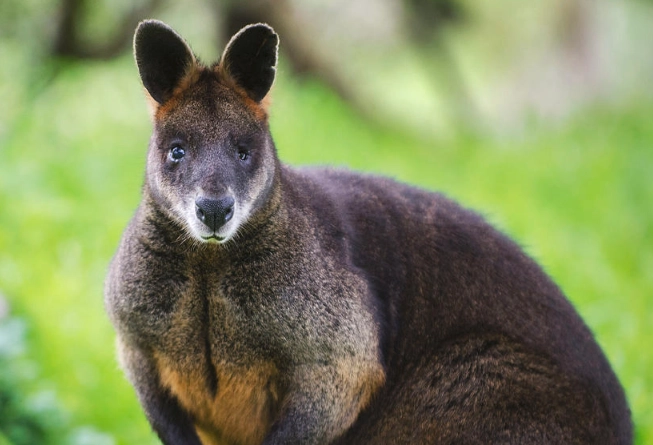
How to Tell a Black Kangaroo Apart
Not every dark kangaroo in bad light is a true melanistic one. Here’s how to be sure you’ve seen the real deal and not just a muddy western grey or a red kangaroo in shadow.
First, confirm the species. You're looking for an eastern grey kangaroo. They have a soft grey face (usually), a pale chest, and thick, powerful hind legs. Red kangaroos are more rusty-coloured and built leaner; western greys are brownish with a distinctive dark halo around their nose.
Second, check the fur consistency. A true black eastern grey will have uniformly dark fur across its entire body—back, limbs, tail, and head. It won't be patchy. The darkness is in the fur, so their skin (visible on the nose, ears, and paws) will still be its normal pinkish-grey. This is a dead giveaway.
I've seen photos online where people proudly show a "black kangaroo" that's clearly just a wet, dirty western grey. The mud splatters give it away. A melanistic individual looks clean and uniformly coloured, even up close.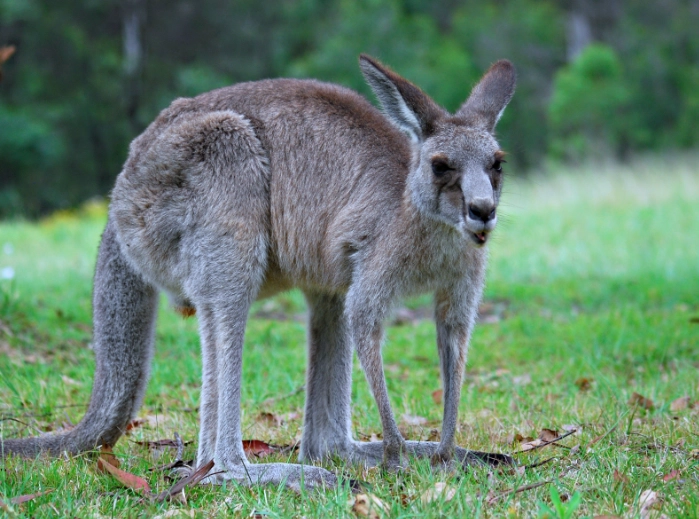
Tips for Photographing a Black Kangaroo
Photographing a dark subject against often-bright Australian landscapes is a technical challenge. Most smartphone snaps end up as a black blob or a blown-out background.
The Golden Rule: Expose for the fur. Tap your phone screen on the kangaroo's body to lock focus and exposure on it, even if the background gets too bright. On a camera, use spot metering.
Light is everything. The worst time is midday sun overhead. It creates harsh shadows that lose all detail in the black fur. Aim for the soft, angled light of early morning or late afternoon. Side-lighting will reveal the texture and sheen of their coat beautifully.
Consider the background. A jet-black animal gets lost against dark green bush. Position yourself so they are against a lighter background—a pale grassy field, a sandy track, or even a cloudy sky. This creates separation and makes the animal pop.
And please, keep your distance. Use a zoom lens. Their welfare and your safety are more important than any photo. Stressing an animal for a shot is never worth it.
Your Black Kangaroo Questions Answered
Spotting a black kangaroo is one of those special moments that reminds you how diverse and surprising nature can be. It's not about checking a box on a weird animal list. It's about understanding a nuance in Australia's most iconic animal. It adds a layer of depth to your wildlife watching. Now you know what to look for, where to quietly wait, and how to appreciate the genetics and luck behind that shadowy figure in the bush.

Comments
Leave a Comment