If you've ever seen a flash of iridescent purple in the African savanna, you might have spotted a violet starling. This bird isn't just another pretty face—it's a fascinating species with quirks that even seasoned birdwatchers miss. I've spent years tracking them from Kenya to South Africa, and here's the real scoop, minus the textbook fluff.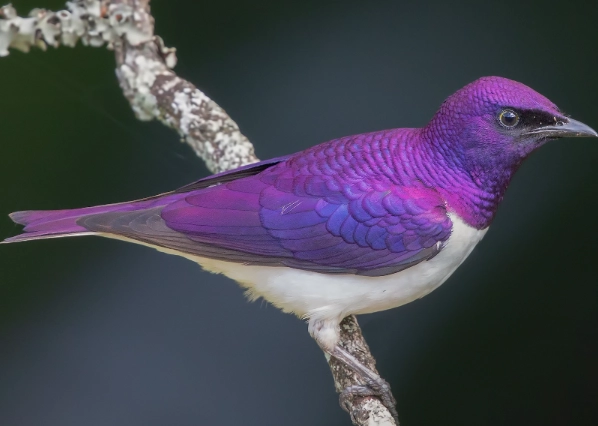
What You'll Learn
How to Identify a Violet Starling Correctly
Most people confuse violet starlings with other glossy species. The key is in the details. Male violet starlings (Cinnyricinclus leucogaster) have a deep violet back that shimmers in sunlight, while females are brown with streaks—a classic case of sexual dimorphism. Juveniles look mottled, which trips up beginners.
I remember guiding a group in Tanzania's Serengeti. Everyone pointed at a distant bird calling it a violet starling, but it was just a common starling with wet feathers. The giveaway? Violet starlings are smaller, about 18 cm long, with a shorter tail and a more slender bill. Their call is a harsh, chattering sound, unlike the melodic tunes of some relatives.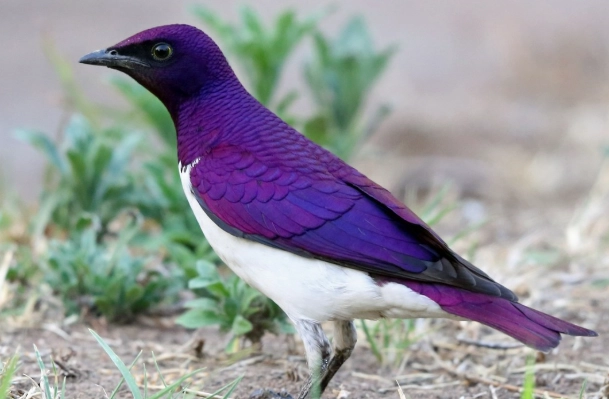
Pro tip: Don't rely on color alone. Light conditions can make the violet appear black or blue. Look for the white underparts in males—it's a dead giveaway.
Common Misidentifications and How to Avoid Them
Here's a quick comparison table I use in workshops. It saves hours of frustration.
| Species | Key Feature | Habitat Overlap |
|---|---|---|
| Violet Starling | Iridescent violet back, white belly | Woodlands and savannas |
| Glossy Starling | Greenish sheen, larger size | Urban areas and forests |
| Common Starling | Speckled plumage, introduced in Africa | Farms and cities |
If you're in East Africa, check the eyes. Violet starlings have dark eyes, while some glossies have yellow rings. It's subtle, but it matters.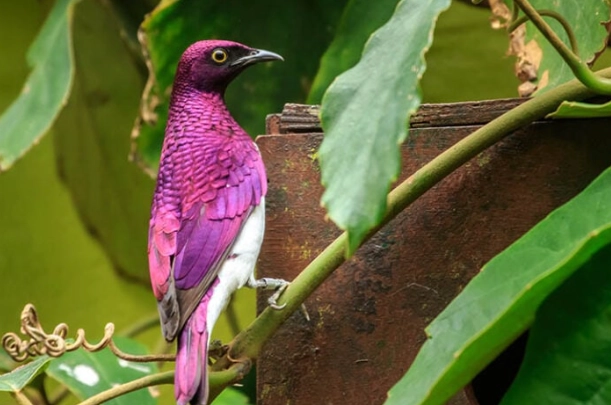
Where to Find Violet Starlings in Africa
These birds aren't everywhere. They prefer acacia woodlands and open savannas below 2,000 meters. I've had the best luck in Kenya's Maasai Mara and South Africa's Kruger National Park. Avoid dense forests—they hate them.
Distribution is patchy. According to the BirdLife International website, violet starlings range from Senegal to Ethiopia down to South Africa, but populations are declining in West Africa due to habitat loss. That's a red flag conservationists often overlook.
Rainy season? They move around more.
In Zambia, I tracked a flock for weeks. They stuck to riverine areas with fruiting trees. If you're planning a trip, aim for dry seasons (June to October) when vegetation is sparse and birds are easier to spot. National parks like Hwange in Zimbabwe have dedicated bird hides, but you'll need patience—these starlings are skittish.
What Violet Starlings Eat and How They Behave
Their diet is mostly fruit—figs, berries, you name it. But here's the twist: they also eat insects, especially during breeding season. I've seen them snatch termites mid-air, which is rare for starlings. This omnivorous habit helps them adapt to seasonal changes.
Behavior-wise, they're social but not overly noisy. Flocks can number up to 50, but they disperse during feeding. Nesting is in tree cavities, often abandoned woodpecker holes. Males perform display flights, but it's not the dramatic show some guides claim. It's more of a quick flutter.
One thing that annoys me: people assume they're migratory. They're not. They're resident birds with local movements. If you see one in winter, it's not a miracle—it's just staying put.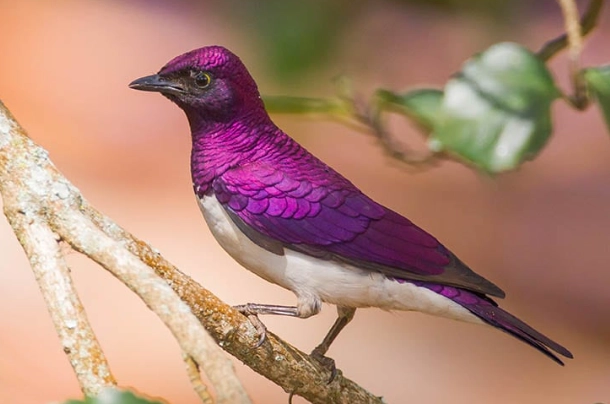
Practical Tips for Spotting Violet Starlings
Birdwatching for violet starlings isn't rocket science, but most get it wrong. First, timing: early morning or late afternoon. They're active then, foraging in the open. Midday? They're hiding in shade, and you'll waste hours.
Gear matters. A decent pair of binoculars (8x42 is my go-to) and a field guide like "Birds of Africa" help. But don't rely on apps too much—signal is spotty in the bush. I once saw a tourist glued to their phone while a flock flew right past.
Top Locations for Violet Starling Sightings
Based on my trips, here are the spots with the highest success rates:
- Maasai Mara, Kenya: Best from July to October. Look near lodges with fruiting trees. Entry fees are around $80 per day for non-residents.
- Kruger National Park, South Africa: Year-round, but avoid crowded rest camps. Self-drive permits cost about $25 per day.
- Selous Game Reserve, Tanzania: Less touristy, more birds. Guided tours run $150 per day, including transport.
Pack light, wear neutral colors, and listen for that chattering call. It's louder than you think.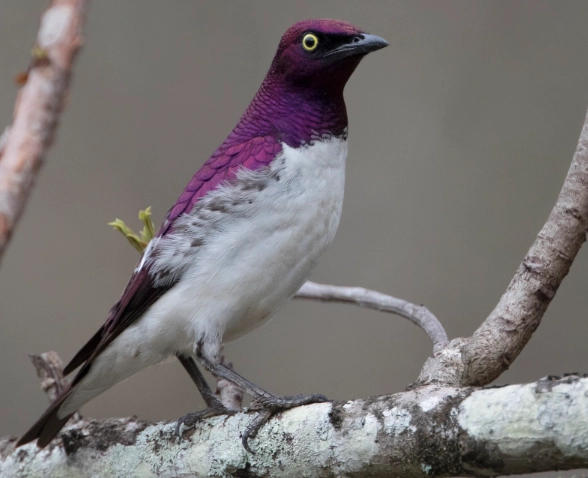
The Conservation Status of Violet Starlings
The IUCN lists violet starlings as Least Concern, but that's misleading. Local declines in West Africa are steep, thanks to deforestation for agriculture. In Nigeria, I saw habitats wiped out for palm oil—it's grim.
Conservation efforts focus on protected areas, but community engagement is lacking. BirdLife International's reports highlight this, but action is slow. If you're a birder, support local eco-tourism. It funds habitat preservation.
Urban sprawl is a silent killer.
Climate change might shift their range southward. Studies from the African Bird Club suggest temperature rises could reduce suitable habitats by 15% in decades. We need more data, but funding is tight.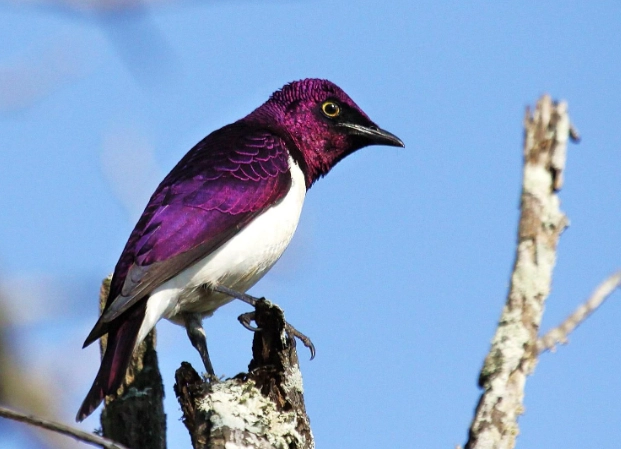
Your Burning Questions Answered
Got more questions? Drop me a line. I've spent a decade in the field, and there's always something new to learn. Happy birding!


Comments
Leave a Comment