You're snorkeling, and a wide, flat shape glides silently beneath you. Is it a ray? A minute later, a sleek, torpedo-like form cuts through the blue. Is that a shark? For many ocean lovers, telling rays and sharks apart is a point of pride—and sometimes confusion. They look so different, yet marine biologists insist they're close cousins. What's the real story?
Let's clear the water. Rays and sharks aren't just neighbors in the sea; they're family. They belong to the same class, Chondrichthyes, the cartilaginous fish. This means no bones—their skeletons are made of flexible cartilage, like the tip of your nose. That shared trait is just the beginning. Understanding their relationship, and their distinct paths in evolution, makes observing them infinitely more rewarding. It shifts them from "scary sea creatures" to fascinating examples of adaptation.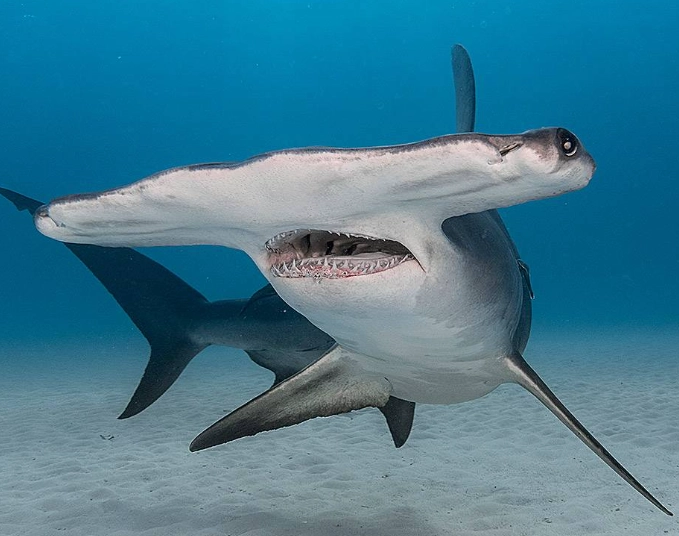
What You'll Discover in This Guide
What Exactly Are Rays and Sharks?
Think of them as two branches on the same evolutionary tree. About 400 million years ago, their common ancestor was probably a shark-like fish. One branch stayed with the classic, streamlined predator design—that's the sharks. The other branch went for a different strategy: life on the bottom. This group flattened their bodies, moved their pectoral fins to the sides, and specialized in crushing shellfish or filtering plankton. That's the ray lineage, which also includes skates.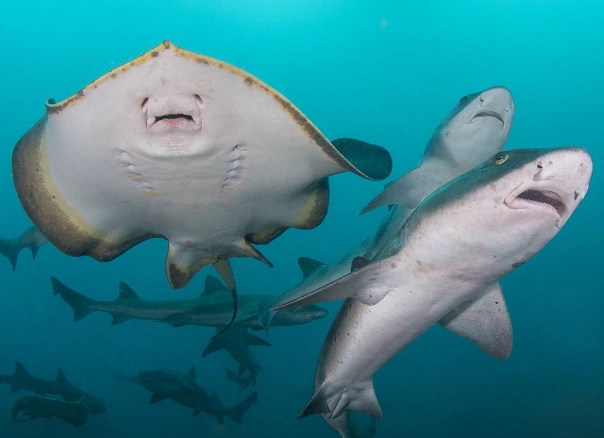
Sharks are the celebrities. Great whites, hammerheads, tiger sharks—their names evoke power and mystery. There are over 500 species, from the massive whale shark (a gentle filter-feeder) to the tiny dwarf lanternshark. Rays are the低调 (low-key) cousins, with over 600 species. They range from the gigantic oceanic manta ray, with a wingspan over 7 meters, to tiny electric rays that can deliver a shock.
A quick note on names: You might hear "ray shark" used informally. This isn't a scientific term. It usually refers to sawfish, which are technically rays with a long, toothed rostrum that looks like a saw. They're a perfect example of how these families blur the lines.
Key Similarities: Why They're Family
Underneath the wildly different exteriors, rays and sharks share a biological blueprint. It's these shared features that truly define them as cartilaginous fish.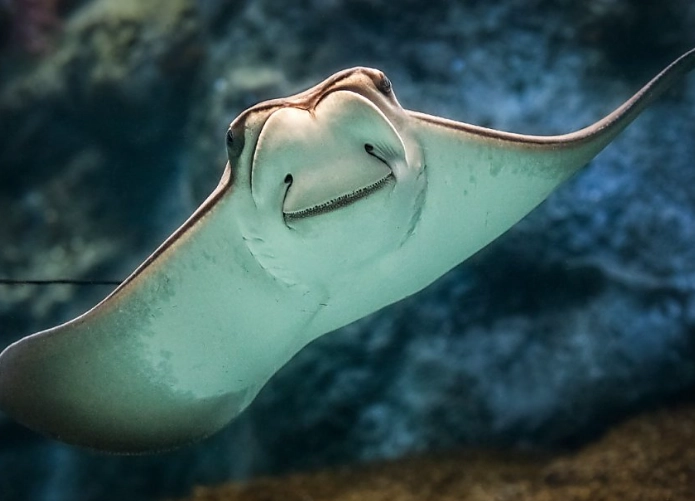
The Cartilage Skeleton
This is the big one. Unlike tuna, cod, or salmon, rays and sharks have no true bone. Their skeletons are built from cartilage, which is lighter and more flexible. It allows for incredibly agile movements. A shark can make a lightning-fast turn. A ray can undulate its body like a wave. Bone would be too rigid and heavy for some of these maneuvers. The trade-off? Cartilage doesn't fossilize as well as bone, which is why their ancient history is trickier to piece together.
Skin Like Sandpaper
Run your hand (theoretically!) along a shark or ray, and you'll feel tiny, tooth-like scales called dermal denticles. These aren't just for texture. They're shaped to reduce drag and turbulence, making them incredibly efficient swimmers. In some cultures, dried shark skin was used as sandpaper—it's that abrasive. This skin design is a shared, patented technology for speed and stealth.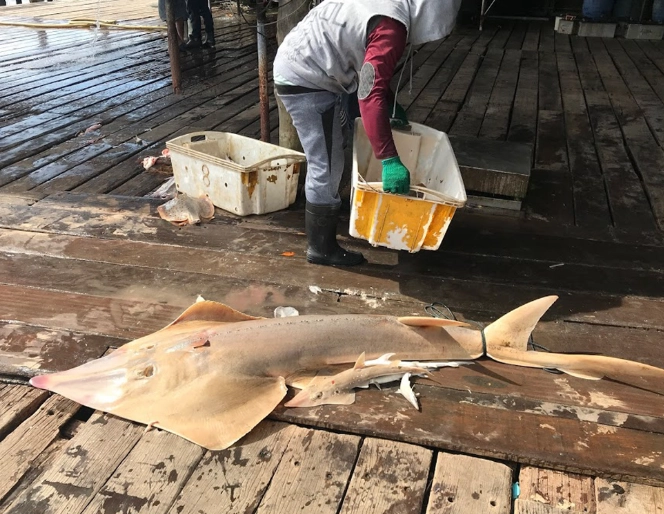
Reproduction Strategy
Forget about spawning millions of tiny eggs and hoping for the best. Most rays and sharks practice internal fertilization. Males have specialized claspers to transfer sperm. Then, species generally follow one of two advanced paths: they either lay tough, leathery egg cases (often called "mermaid's purses" for rays and skates), or they give birth to live young. This "quality over quantity" approach means babies are better developed and have a higher survival rate, but it also makes populations slower to recover from overfishing.
Striking Differences: More Than Just Shape
Now for the fun part—what sets them apart. Their body plans tell the story of completely different lifestyles.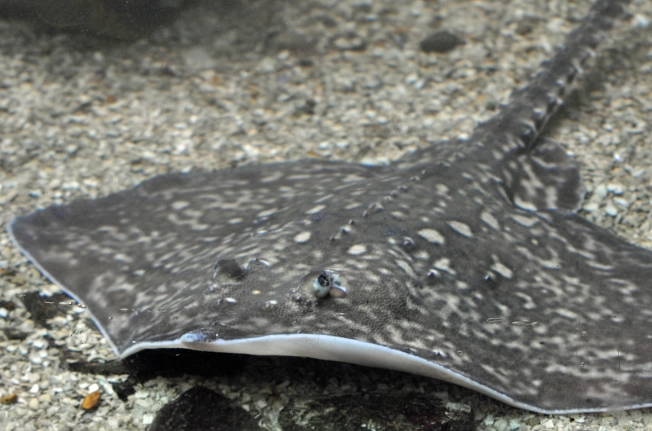
| Feature | Sharks (Typically) | Rays (Typically) |
|---|---|---|
| Body Shape | Streamlined, torpedo-like. Built for active, open-water hunting. | Flattened, dorsoventrally compressed. Designed for life on or near the seafloor. |
| Gill Openings | 5-7 gill slits on the sides of the head. | 5 gill openings on the underside (ventral side). |
| Pectoral Fins | Separate, rigid fins used for steering and lift. | Fused to the head, forming a broad "disc" or "wing" used for propulsion. |
| Mouth Position | Mostly on the underside, but often well forward. | Almost always squarely on the underside. |
| Primary Habitat | Pelagic (open water), from surface to deep sea. | Benthic (seafloor), though mantas are pelagic. |
| Swimming Motion | Powerful tail (caudal fin) sweeps side-to-side. | "Wings" (pectoral fins) undulate up and down in a wave motion. |
The gill placement is a dead giveaway and explains their behavior. A shark swimming forward easily passes water over its gills. A ray lying on the sand would suffocate if its gills were on the side—sand would clog them. Having gills on the belly allows them to draw in clean water from above while resting on the bottom. Many rays also have specialized spiracles (holes behind the eyes) to pump water over their gills without sucking in sand.
How to Tell a Ray from a Shark at a Glance?
In the water, you need quick identifiers. Here's your field guide.
If it looks like a "flying carpet" or a "pancake with a tail," it's a ray. The wide, flat disc is unmistakable. You'll see it flapping its edges gracefully. If it's buried in the sand, you might only see its eyes and spiracle poking out—a classic ray move.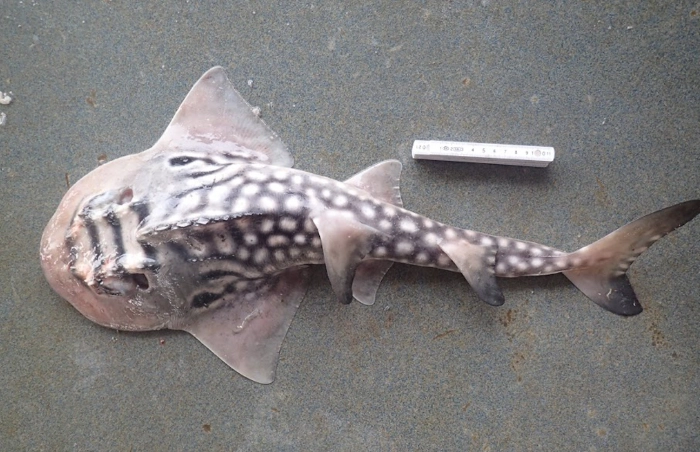
If it looks like a "submarine" or a "torpedo with fins," it's a shark. That sleek, muscular body designed for speed is the key. Watch the tail—it's the main engine, swinging powerfully from side to side.
One common mix-up is between a small shark swimming near the bottom and a ray. Look at the head. Does it have a distinct, separate head from the fins? Shark. Are the fins seamlessly merged into a wide, triangular body that starts right behind the eyes? Ray.
I once spent ten minutes on a dive convinced I was tracking a small nurse shark along a reef ledge. It was oddly slow. When it turned, the flat underside and ventral gills gave it away—it was a large guitarfish, which is actually a type of ray! Their bodies are a weird, perfect hybrid, showing how fluid these categories can be.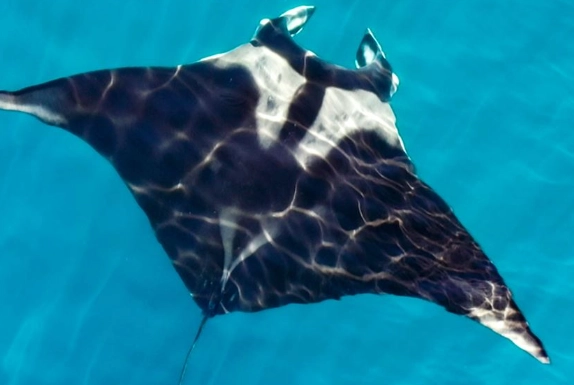
Their Crucial Role in the Ocean
Both are apex predators or important mesopredators, and that makes them vital.
Sharks are the ocean's regulators. By preying on the sick and weak, they keep fish populations healthy and prevent any one species from exploding and disrupting the ecosystem. The loss of sharks from a coral reef, as studies have shown, can cause a cascade of negative effects, like overgrazing by herbivores.
Rays are the vacuum cleaners and bulldozers. Many species, like stingrays, root in the sediment for clams and worms. This aerates the seafloor, much like earthworms do on land, releasing nutrients and preventing dead zones. Manta rays and devil rays are filter-feeders, cruising with mouths open to harvest plankton, playing their own role in that food web.
Their shared vulnerability is their slow growth and low reproduction rates. This makes them exceptionally sensitive to overfishing, bycatch, and habitat loss. Protecting one often means protecting the other, as conservation measures like marine protected areas benefit all large marine species.
A Practical Guide to Observing Them Safely
Want to see them in person? It's an unforgettable experience. Here’s how to do it responsibly.
Top Locations for Ray Encounters:
- Manta Ray Night Dive, Kona, Hawaii: Operators use lights to attract plankton, which in turn attracts majestic manta rays that perform underwater ballets. It's a structured, safe experience.
- Stingray City, Grand Cayman: A famous sandbar where southern stingrays gather in clear, waist-deep water. Go with a reputable guide who teaches proper interaction (no touching the eyes or gills).
- The Great Barrier Reef, Australia: Home to a stunning diversity, including reef mantas, eagle rays, and blue-spotted stingrays. Liveaboard trips offer the best access.
Top Locations for Shark Encounters:
- Ningaloo Reef, Australia (Whale Sharks): Seasonal aggregation of the world's largest fish. Strict codes of conduct ensure swimmers don't harass them.
- Beqa Lagoon, Fiji (Bull & Tiger Sharks): Controlled, baited dives run by experienced Fijian communities. It's intense and not for beginners, but it's a profound way to see apex predators up close in a managed setting.
- Galapagos Islands, Ecuador: Perhaps the ultimate destination. You can see huge schools of scalloped hammerheads, Galapagos sharks, and even whale sharks. Requires advanced diving skills due to currents.
The Golden Rules:
- Never chase or corner an animal. You're in their home. Let them come to you or pass by.
- Maintain respectful buoyancy. Don't crash into the reef or stir up sediment.
- Listen to your guide. Local knowledge is irreplaceable. They know animal behavior and local regulations.
- For rays: do the "stingray shuffle." When wading in sandy areas, shuffle your feet to scare away buried stingrays. They sting only in defense if stepped on.


Comments
Leave a Comment