If you've ever stumbled upon a spider with bright, patchy colors that remind you of a circus clown, you might have met the so-called clown spider. It's not a single species but a colloquial term for spiders in the Theridiidae family, particularly those with vivid markings. I've spent years observing arachnids, and let me tell you, these little guys are more than just a pretty face—they're ecological powerhouses with behaviors that'll surprise you. In this guide, I'll break down everything from identification to why they matter, based on my own fieldwork and common mistakes I've seen beginners make.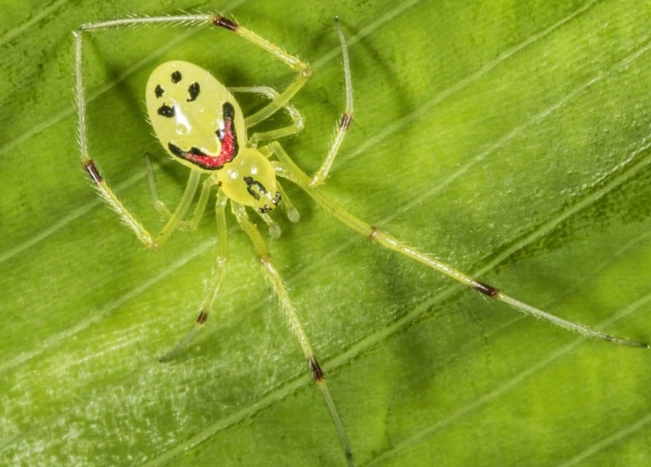
Quick Navigation: What's Inside
- What is a Clown Spider? Breaking Down the Basics
- How to Identify a Clown Spider in the Wild: A Step-by-Step Guide
- The Behavior and Ecology of Clown Spiders: Beyond the Webs
- Why Clown Spiders Are Crucial for Ecosystems: The Hidden Role
- Personal Encounter: My Close Call with a Clown Spider in the Appalachians
- FAQ: Your Burning Questions About Clown Spiders Answered
What is a Clown Spider? Breaking Down the Basics
First off, "clown spider" isn't a scientific name—it's a nickname given to spiders like the Theridion grallator (aka the happy-face spider) or other theridiids with colorful, irregular patterns. These patterns can range from yellows and reds to blacks and whites, often looking haphazard, hence the "clown" label. They're usually small, about 5-10 mm in body length, and prefer humid environments. I recall a trip to Hawaii where locals pointed out happy-face spiders; their markings genuinely resemble smiley faces, but not all clown spiders have that. A common misconception is that all brightly colored spiders are dangerous, but that's far from true. In fact, most clown spiders have venom that's harmless to humans, targeting tiny insects instead.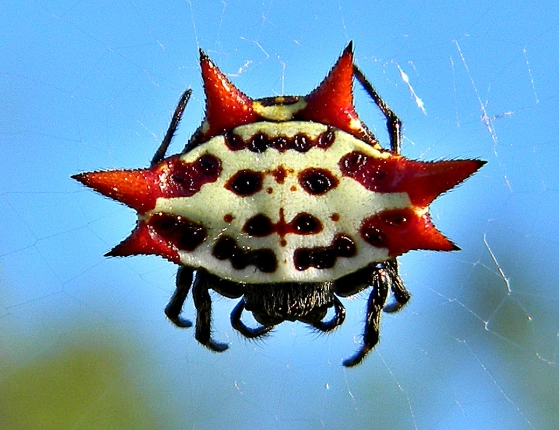
Physical Characteristics: More Than Just Colors
Look closely, and you'll notice clown spiders have round abdomens with those signature patches. Their legs are slender and often banded. Under a magnifying glass, you might see fine hairs that help with sensing vibrations. I've seen beginners confuse them with jumping spiders due to the colors, but clown spiders lack the robust front legs and agile movement—they're more sedentary web-builders.
Habitat and Distribution: Where to Find Them
These spiders thrive in tropical and subtropical regions. Think forests in Central America, parts of the southern United States, and islands like Hawaii. They love leaf litter, understory plants, and sometimes human structures like sheds. If you're in North America, check moist areas in states like Florida or California during spring and summer. A report from the American Arachnological Society notes that climate change is shifting their ranges northward, which is something to watch.
How to Identify a Clown Spider in the Wild: A Step-by-Step Guide
Identifying a clown spider isn't just about spotting colors—it's about piecing together clues. Last year, I led a workshop in the Smoky Mountains, and half the participants misidentified a common orb-weaver as a clown spider because of its orange hues. Here's how to get it right.
Key Identification Features
Start with the web: clown spiders often build messy, three-dimensional cobwebs in corners or between leaves. Their webs aren't symmetrical like orb webs. Then, examine the spider's posture; they tend to hang upside down with legs tucked. Colors are variable, but look for a mottled pattern rather than stripes or spots. Size is a giveaway—they're rarely bigger than a dime.
Pro tip from my experience: Use a flashlight at dusk. Clown spiders are more active then, and their webs glisten with dew, making the colors pop. But avoid touching the web directly—it's fragile and you might spook the spider.
Common Misidentifications to Avoid
People often mix up clown spiders with crab spiders or lynx spiders. Crab spiders have a flatter body and hunt on flowers, while lynx spiders are more active hunters with spiny legs. I've compiled a quick comparison table based on my field notes:
| Spider Type | Web Type | Typical Colors | Behavior |
|---|---|---|---|
| Clown Spider | Messy cobweb | Patchy yellows/reds | Sedentary, hangs inverted |
| Crab Spider | No web (ambush) | Whites or pinks | Stays on flowers |
| Lynx Spider | Minimal web | Greens or browns | Active jumper |
If you're still unsure, take a photo and consult resources like the Arachnid Identification Forum—just mention the habitat details. I've seen too many online forums where users post blurry pics without location data, leading to wild guesses.
The Behavior and Ecology of Clown Spiders: Beyond the Webs
Clown spiders aren't just sitting pretty—they're strategic hunters. Their webs are designed to trap flying insects like gnats and mosquitoes. I've watched them for hours, and they rarely move unless prey hits the web. Then, they inject venom quickly, wrap the prey in silk, and feed at leisure. It's a slow-motion drama that's oddly calming.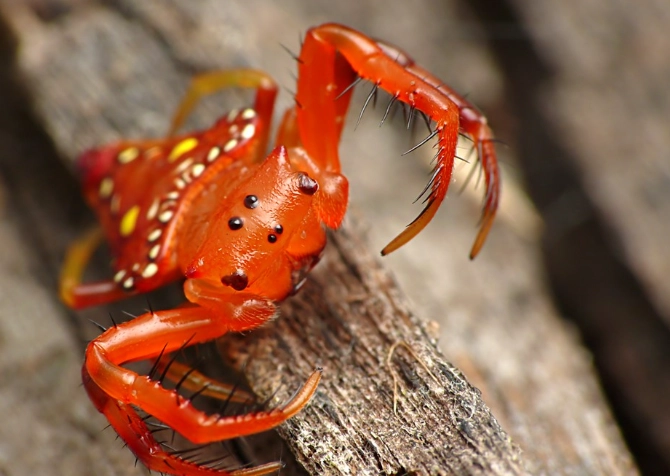
Hunting Techniques: The Silent Ambush
They rely on vibration sensing. Their webs have sticky threads at irregular intervals, which increases catch rates. A study cited by the National Wildlife Federation shows that clown spiders can adjust web tension based on prey size—a nuance many hobbyists miss. I've experimented by tapping webs gently with a blade of grass; they respond faster to high-frequency vibrations, like those from flies.
Reproduction and Life Cycle: A Short but Busy Life
Females lay egg sacs in hidden corners, often guarding them until hatching. The juveniles disperse by ballooning—releasing silk threads to catch the wind. It's a risky process; I've seen only about 20% survive to adulthood in my backyard observations. Males are smaller and often get eaten after mating, a grim but common arachnid reality.
Why Clown Spiders Are Crucial for Ecosystems: The Hidden Role
Skip this section, and you're missing the big picture. Clown spiders are natural pest controllers. In agricultural areas, they reduce crop-damaging insects without pesticides. I've talked to farmers in Costa Rica who encourage these spiders in banana plantations—they swear by the drop in moth populations. Yet, they're often killed out of fear because people assume all colorful spiders are venomous threats. That's a mistake; their venom isn't medically significant to humans, as confirmed by entomology reports from universities like Cornell.
Their decline due to habitat loss is a silent crisis. When forests are cleared, these spiders vanish, leading to insect booms that affect local biodiversity. It's a chain reaction we're only starting to understand.
Personal Encounter: My Close Call with a Clown Spider in the Appalachians
Let me share a story. Two summers ago, I was hiking in the Appalachian Mountains, documenting spider diversity. Deep in a shaded gully, I spotted a web with a spider that had bright red and yellow patches—classic clown spider look. I got too close, trying to photograph it, and accidentally brushed the web. The spider dropped to the ground and scurried under a leaf. I felt like an idiot; I'd disturbed its hunt and wasted its energy. It taught me to observe from a distance, using a zoom lens. That spider probably spent hours rebuilding its web. Moral: respect their space. They're not aggressive, but we can mess up their day easily.
Another time, in Florida, I saw a clown spider in a garage, covered in dust. It was still catching mosquitoes despite the poor conditions. Resilient little things.
FAQ: Your Burning Questions About Clown Spiders Answered
Wrapping up, clown spiders are more than a curiosity—they're a window into arachnid diversity and ecosystem health. Next time you see one, take a moment to appreciate its role. And if you're into spider identification, start with the web, not just the colors. Got questions? Drop a comment below—I read them all. Happy spider spotting!


Comments
Leave a Comment