Let’s cut to the chase: animal hybrids are absolutely real. They’re not just creatures from mythology or science fiction. I’ve seen a liger in person—a staggering animal that makes you rethink what you know about big cats. The idea that a lion and a tiger could produce offspring feels like it should be impossible, but it happens. And it’s not just in zoos. Climate change and shifting habitats are pushing different species together in the wild, leading to hybrids most of us never learned about in school.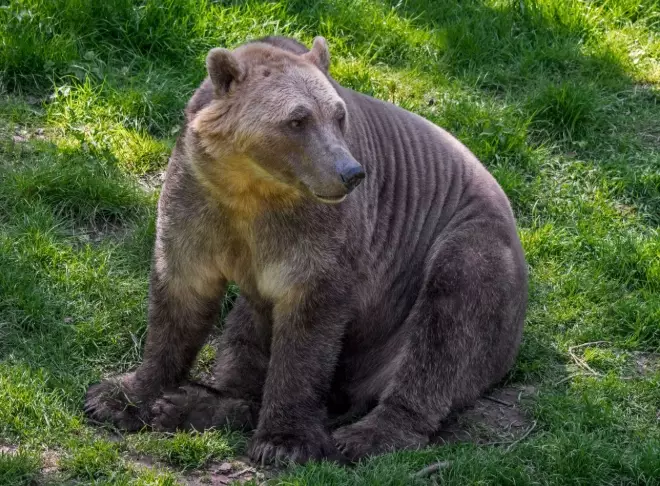
This isn’t about creating monsters. It’s a complex, natural, and sometimes human-influenced phenomenon that challenges our neat categories of species. If you’re searching for “animal hybrids real,” you’ve likely seen pictures and wondered, “Is that photoshopped?” More often than not, it’s not. This guide will walk you through the real hybrids that exist, how they come to be, where you might see them, and why they matter more now than ever.
What’s Inside This Guide
What Are Animal Hybrids? A Clear Definition
An animal hybrid is the offspring resulting from the mating of two different species or subspecies. Think of it as nature (or sometimes humans) blending two distinct genetic recipes. The key here is different species. A Labrador mating with a Poodle is a crossbreed, not a hybrid in the biological sense we’re discussing, because they’re the same species (Canis lupus familiaris).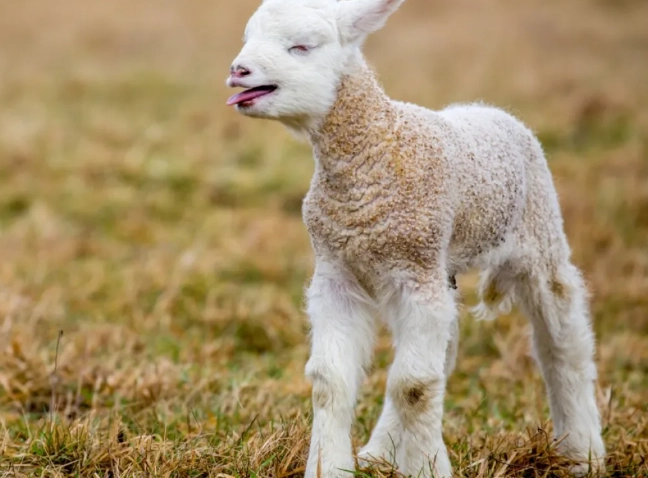
Where it gets fascinating is when you cross a horse (Equus ferus caballus) with a donkey (Equus africanus asinus) to get a mule. Those are different species. That’s a classic, working hybrid.
A common point of confusion: People often use “hybrid” loosely. In biology, it has a specific meaning tied to reproduction between genetically distinct populations. The offspring often, but not always, end up sterile (like the mule). This sterility is a major biological barrier that keeps species separate.
How Do Animal Hybrids Occur in the Wild?
It happens. More often than you’d think. There are two main pathways: natural and human-influenced.
Natural Hybridization: When Habitats Overlap
This is the big one that’s getting more attention. When the ranges of two closely related species overlap, and they encounter each other during mating season, hybridization can occur. It’s not their first choice, but it happens. The most famous recent example is the “grolar bear” or “pizzly bear.”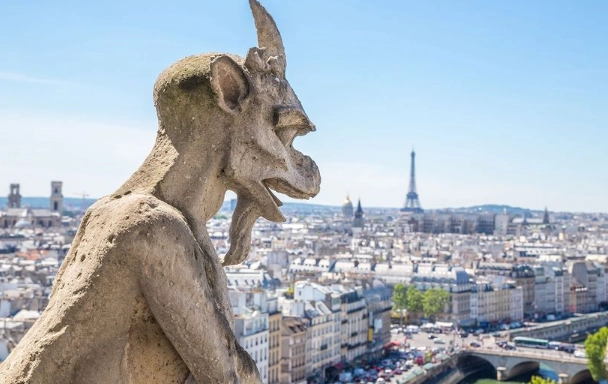
As Arctic sea ice melts, grizzly bears (Ursus arctos horribilis) are moving north into territory historically dominated by polar bears (Ursus maritimus). They meet. They’re both bears, genetically close enough. The result? A hybrid with features of both—often a bear with a polar bear’s shape but grizzly-like fur and claws. The National Geographic Society has documented several of these hybrids in the wild, a direct signal of a changing climate.
Human-Influenced Hybridization: Zoos and Breeding
This is where most of the famous “zoo hybrids” come from. When you put animals from different parts of the world in adjacent enclosures, or in past decades with less strict ethical guidelines, breeding sometimes occurred. Lions from Africa and tigers from Asia would never meet in nature. In captivity, they can. This gave us ligers and tigons.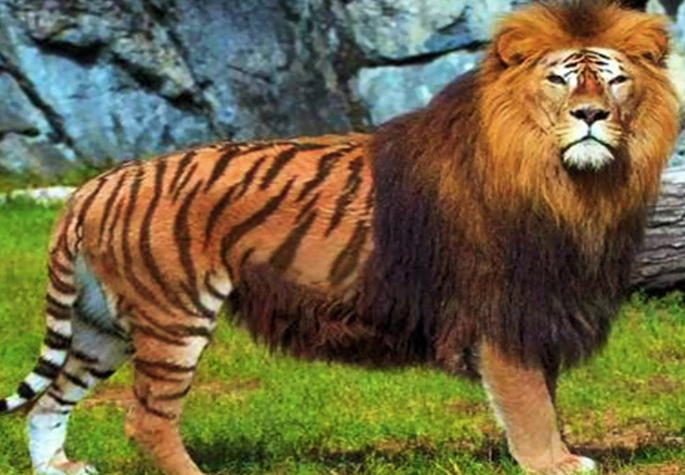
Most modern, accredited zoos (like those affiliated with the Association of Zoos and Aquariums) now have strict policies against intentionally breeding two different species. It’s considered unethical because it serves no conservation purpose and can create health problems for the animal. The hybrids you see today are often from earlier eras or from private facilities with different standards.
Famous Real Animal Hybrids You Can Actually See
Here’s a rundown of the most well-documented real animal hybrids. This isn’t an exhaustive list, but it covers the heavy hitters that prove the phenomenon is real.
| Hybrid Name | Parent Species (Male x Female) | Where It Occurs | A Key Fact | Can You See One? |
|---|---|---|---|---|
| Liger | Lion x Tiger | Captivity only | Often the largest big cat; exhibits hybrid vigor (larger than both parents). | Rare in modern zoos. Some wildlife sanctuaries or private parks may have them. |
| Tigon | Tiger x Lion | Captivity only | Rarer than ligers; usually smaller than either parent. | Extremely rare in modern collections. |
| Grolar / Pizzly Bear | Grizzly Bear x Polar Bear | Wild (Canadian Arctic) | A natural hybrid driven by climate change. Has been confirmed via genetic testing. | Virtually impossible to see in the wild by chance. Documented by researchers. |
| Wholphin | False Killer Whale x Bottlenose Dolphin | Captivity (one known case) | Only one confirmed living example, named Kekaimalu, at Sea Life Park Hawaii. | Yes, at Sea Life Park Hawaii. |
| Zebroid (e.g., Zorse) | Zebra x Horse or Donkey | Captivity, rarely in overlapping wild ranges | Typically sterile. Known for striped patterns on legs or body. | Sometimes found at exotic animal farms or sanctuaries. |
| Coywolf | Coyote x Wolf (Eastern Wolf/Gray Wolf) | Wild (Eastern North America) | Not a single event, but widespread, stable hybrid populations that are redefining the canid family. | Common in regions like the northeastern U.S., but hard to distinguish from coyotes. |
That last one, the coywolf, is a sleeper hit. Millions of them live among us, especially in suburban areas of the Northeast. They’re a perfect example of a successful, adaptable hybrid that’s thriving. The Smithsonian Institution has done extensive research on how these hybrids have developed unique traits, like larger skulls for hunting deer and a tolerance for human presence.
The Big Debate: Conservation and Ethical Concerns
This is where things get messy, and where my own opinion comes in. Hybridization presents a huge dilemma for conservationists.
On one hand, natural hybridization can be a creative evolutionary force. It can introduce new genetic variation that helps a population adapt. The coywolf might be better suited to modern, fragmented landscapes than a pure wolf or coyote.
On the other hand, it can be a conservation nightmare. If a rare species hybridizes with a common one, its unique genetic lineage can be “swamped” out of existence. This is a major threat for animals like the endangered red wolf in the southern U.S., which faces genetic dilution from coyotes. Is saving the “pure” species the goal, or is preserving a functional ecosystem role enough, even if it’s carried out by hybrids? There’s no easy answer.
The ethics of creating hybrids in captivity is clearer to me. With few exceptions, it’s a practice most experts now frown upon. These animals often face identity crises—they don’t belong to either parent’s social world. They can have health issues (ligers are prone to gigantism and joint problems). And they divert resources from legitimate conservation breeding programs for endangered species. Breeding a liger doesn’t help save lions or tigers in the wild. It’s a spectacle.
Where to See Real Animal Hybrids (If You’re Lucky)
You’re not going to walk into your local zoo and see a liger anymore. But if you’re determined, here are a few leads. Remember, animal welfare should be your first concern. Prioritize accredited facilities.
The Wholphin at Sea Life Park Hawaii: This is the most reliable and ethically presented hybrid you can visit. Kekaimalu is a celebrated resident, and the park contributes to marine conservation. Check the park’s website for hours and ticket prices—it’s a standard marine park admission.
Wildlife Sanctuaries and Rescues: Some older hybrids, like ligers or zonkeys (zebra-donkey), may live out their lives in accredited sanctuaries that took them in. Do your research. A good sanctuary will focus on the animal’s care, not promote it as a freak show. Don’t support roadside zoos that breed hybrids for profit.
In the Wild (Good Luck): Your best bet is the coywolf. If you live in or visit the northeastern U.S. or southeastern Canada, you’ve probably heard one howl. They look like robust, large coyotes. Going out with a local naturalist group on a “howling survey” might give you a chance to hear or glimpse one. Seeing a grolar bear? That’s a research expedition-level endeavor.
Hybrid Animal FAQs: Your Top Questions Answered
Can hybrid animals reproduce?
This is the rule everyone learns, and it’s mostly true: first-generation (F1) hybrids like mules and ligers are usually sterile. The chromosomes from the different parents don’t pair up correctly to make viable sperm or eggs. But “usually” isn’t “always.” There are documented cases of female ligers and tigons producing offspring when bred back to a male lion or tiger. In the wild, hybrid populations like coywolves can reproduce freely among themselves, creating a stable hybrid swarm. So the old rule is a good starting point, but nature loves exceptions.
Are ligers the biggest cats in the world?
They often are, due to a phenomenon called hybrid vigor or heterosis. They lack growth-limiting genes that are present in both parent species. A male liger can weigh over 900 pounds, significantly more than a large Siberian tiger. But this size comes at a cost—joint problems, heart issues, and a shorter lifespan are common. It’s not a healthy “super” trait; it’s a biological glitch.
Is a mule a hybrid animal?
Yes, it’s the textbook example. A mule is the offspring of a male donkey and a female horse. It’s sterile, strong, and has been used by humans for thousands of years. The reverse cross (male horse x female donkey) produces a hinny, which is also a hybrid but less common.
Why are some hybrids like the ‘liger’ controversial?
Because they are human-made novelties with no ecological purpose. Lions and tigers have different social structures, habitats, and behaviors. A liger fits into neither world. Creating them for entertainment or profit raises serious ethical questions about animal welfare and the purpose of zoological institutions. Modern conservation-focused zoos have largely moved away from this practice.
Could climate change create more hybrids?
Almost certainly. As the grolar bear shows, when species ranges shift and overlap due to warming temperatures, hybridization events will increase. Scientists are watching potential “hybrid zones” between species of whales, birds, and fish. This isn’t a future maybe; it’s a current reality documented in journals like Nature and Science. The long-term evolutionary impact is one of the big unanswered questions in conservation biology today.




Comments
Leave a Comment