So you're set on adding a small, intelligent, and utterly charming dog to your life. The field narrows quickly to two standout contenders: the bold, fox-like Pomeranian and the elegant, curly-coated Poodle (Toy or Miniature). On the surface, they share similarities—both are smart, popular, and fit in a handbag. But live with them for a week, and the differences hit you like a ton of bricks. I learned this the hard way when my meticulously researched Pomeranian, Leo, turned out to be a tiny, barking Napoleon with an attitude, while my friend's Toy Poodle, Finn, seemed to solve calculus problems for fun. Choosing isn't about which dog is "better"; it's about which dog's reality aligns with yours.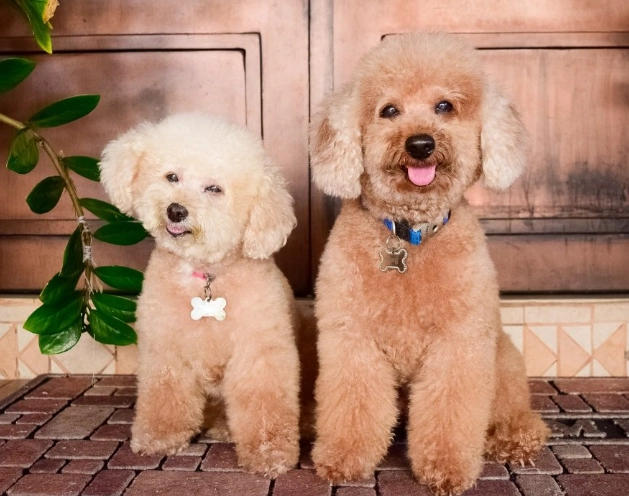
What's Inside This Guide
Pomeranian vs Poodle: A Side-by-Side Comparison
Let's cut through the fluff. This table breaks down the core realities. Remember, these are generalizations—individual dogs can surprise you.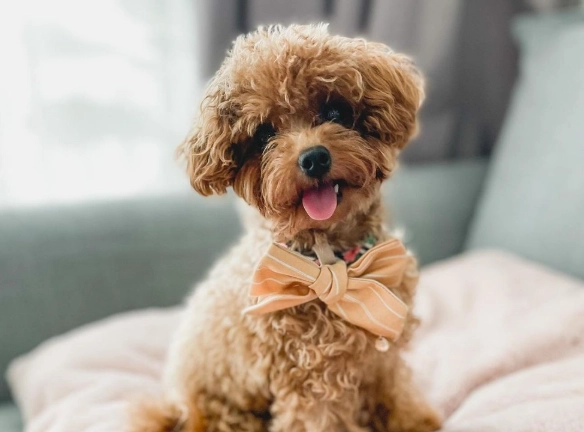
| Aspect | Pomeranian | Poodle (Toy/Miniature) |
|---|---|---|
| Temperament | Bold, confident, alert, sometimes bossy. A "big dog in a small body." Can be wary of strangers and other dogs. | Intelligent, active, proud, eager to please. Generally more sociable and adaptable. Known for their "clownish" humor. |
| Energy & Exercise | Moderate. Short bursts of energy (zoomies!) followed by long naps. A couple of short walks and indoor play suffice. | Higher. Needs consistent daily walks and mental challenges. A bored Poodle is a destructive Poodle. |
| Trainability | Smart but independent. Can be stubborn. Sensitive to tone—harsh methods backfire. Motivated by praise and treats. | Exceptionally trainable. Lives to work and please. Excels in obedience, agility, and trick training. |
| Vocalness | High. Prone to frequent, high-pitched barking. Can be a watchdog nuisance without training. | Moderate. Will bark to alert, but generally less yappy than a Pom. More easily redirected. |
| Kid-Friendliness | Low to moderate. Best with older, respectful children. Fragile and can snap if handled roughly. | Moderate to high. More tolerant and sturdy. Still requires supervision with young kids. |
| With Other Pets | Can be jealous and territorial. Early socialization is critical. May challenge larger dogs. | Typically good. Bred as retrievers, they often enjoy canine company. Prey drive varies. |
Here's the nuance most blogs miss: that "big dog attitude" in a Pomeranian isn't just cute. It means they often lack the self-preservation instinct of a truly small dog. Leo would fearlessly charge at a Great Dane, convinced he was the alpha. Poodles, for all their elegance, are retrievers at heart. Finn would patiently carry a toy for hours, waiting for you to throw it—a soft-mouthed, biddable companion versus a feisty, self-appointed guardian.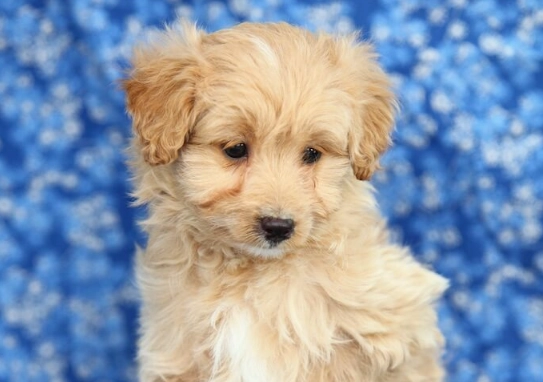
Temperament and Personality: The Heart of the Matter
Living with a Pomeranian feels like having a tiny, opinionated roommate. They're deeply attached to their person, often to the point of velcro-dog syndrome. Their alertness makes them excellent alarm systems, though the alarm has no "off" switch without consistent training. They thrive on being the center of attention.
Poodles offer a different kind of bond. It's more of a partnership. They look to you for cues and direction. Their intelligence is proactive; they'll bring you a leash or figure out how to open a cupboard. This makes them incredibly rewarding but also demanding—they need a job, even if it's just finding hidden treats or learning a new trick every week.
Exercise and Activity Levels
Don't be fooled by the Pomeranian's lap dog reputation. While they don't need marathon runs, they have surprising stamina and enjoy a good 20-30 minute walk. Their real need is mental engagement. A bored Pom is a barking, destructive Pom.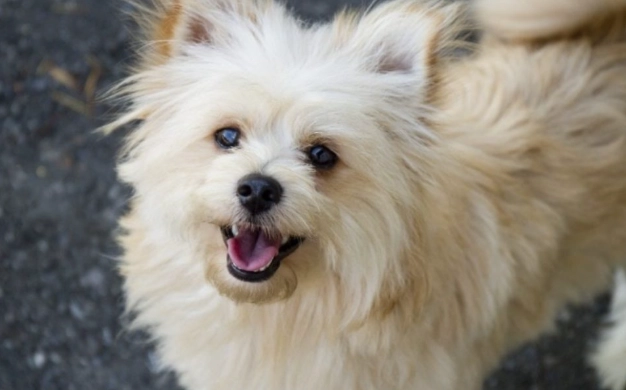
Poodles, especially Miniatures, have genuine sporting dog energy. A quick potty break isn't enough. They need at least 30-60 minutes of purposeful activity daily. This isn't a downside if you're active—it's a perk. They're the perfect companion for hikes, runs, or long walks where a Pomeranian might get tired or decide it's beneath them.
Grooming Needs: The High-Maintenance Reality
Both breeds are high-maintenance, but in different ways. This is the biggest ongoing cost and time commitment you'll face.
Pomeranian Coat: It's a double coat—a soft, dense undercoat and a long, harsh outer coat. They shed seasonally, and when they "blow" their undercoat, it's a storm of fluff. Daily brushing is non-negotiable to prevent mats, especially behind the ears and in the "pants." The common mistake? Using the wrong brush. A slicker brush and an undercoat rake are essentials. Bathing every 3-4 weeks keeps their coat clean. Many owners keep their Poms in a shorter "puppy cut" for manageability, which is a smart move.
Poodle Coat: It's single-layered, curly, and continuously growing, like human hair. The huge advantage? They don't shed much, making them a potential choice for some allergy sufferers (though no dog is truly hypoallergenic). The huge disadvantage? The coat mats incredibly easily. If you skip brushing for a few days, you're looking at painful tangles close to the skin. Professional grooming is mandatory every 4-6 weeks, and that's a significant, lifelong expense. The classic "poodle clip" isn't just for show; it protects joints and vital organs while allowing movement.
Grooming Cost Reality Check: Budget $600-$1000+ annually for a Toy Poodle's professional grooming. For a Pomeranian, professional trims every 8-12 weeks might cost $250-$400 annually, but your daily time investment with the brush is higher. Factor this in before you fall for a puppy's face.
Health Considerations Beyond the Basics
Reputable breeders are your first and best line of defense. For both breeds, ask to see genetic health testing results from the Orthopedic Foundation for Animals (OFA) or similar organizations.
Pomeranian Health Watch: Their tiny size is their biggest vulnerability.
- Tracheal Collapse: A weakening of the windpipe. Symptoms include a honking cough. Using a harness instead of a collar is critical from day one.
- Luxating Patellas: The kneecap slips out of place. Common in many small breeds. Keep them at a healthy weight.
- Dental Issues: Crowded teeth lead to rapid tartar buildup. Daily tooth brushing is not optional; it's a medical necessity.
Poodle Health Watch: Generally more robust, but with specific concerns.
- Addison's Disease: An endocrine disorder that is more prevalent in Poodles. It's manageable with medication but requires vigilance.
- Sebaceous Adenitis (SA): A serious skin condition where the oil glands are destroyed. It requires intensive, lifelong skin care.
- Hip Dysplasia: Even in Toys and Miniatures. Again, proof of parental testing is key.
The Pomeranian's fragility is immediate and physical (handle with care!). The Poodle's potential issues are more often internal and progressive. Both demand a proactive owner and a good pet insurance plan.
Training and Living Dynamics
Training a Pomeranian requires finesse. They are sensitive souls. Yelling or harsh corrections will shut them down or make them defensive. Positive reinforcement—treats, praise, play—works wonders. The biggest challenge is often barking. You must teach a "quiet" command from puppyhood. Socialization is not an option; expose them gently to various people, sounds, and other animals to prevent a tiny, fearful tyrant.
Training a Poodle feels more straightforward. They pick up commands with startling speed. The challenge isn't getting them to learn; it's keeping them challenged. They need advanced training, puzzle toys, and games to prevent boredom. Their intelligence means they can also learn bad habits just as quickly, so consistency is key.
At home, a Pomeranian will claim your lap or a favorite cushion as their throne. A Poodle will want to be where the action is, preferably involved in it. Neither breed does well being left alone for long hours. Separation anxiety is a real risk for both.
How to Choose Between a Pomeranian and a Poodle
Ask yourself these brutally honest questions:
- Is your home loud and chaotic with young children? Lean towards a Poodle (with supervision).
- Do you want a true lap dog who thinks they own you? A Pomeranian might be your match.
- Do you have the budget and commitment for monthly grooming appointments? If not, reconsider a Poodle.
- Are you a first-time dog owner? A Poodle's trainability often makes the journey smoother.
- Do you want a dog for dog sports or advanced tricks? The Poodle is your athlete.
- Do you prioritize minimal shedding above all else? The Poodle coat wins, but demands grooming.
- Do you live in an apartment and are concerned about barking? Both can be noisy, but a Pom's bark is sharper and more frequent. Training is non-negotiable.
And what about the popular Pomeranian Poodle mix (often called a Pomapoo)? It's a genetic lottery. You might get the non-shedding coat of the Poodle with the Pomeranian's stubbornness, or the shedding coat with the Poodle's high energy. There's no predictability. If you go this route, prioritize a responsible breeder who health-tests both parent breeds, not just a backyard mixer selling "designer" pups.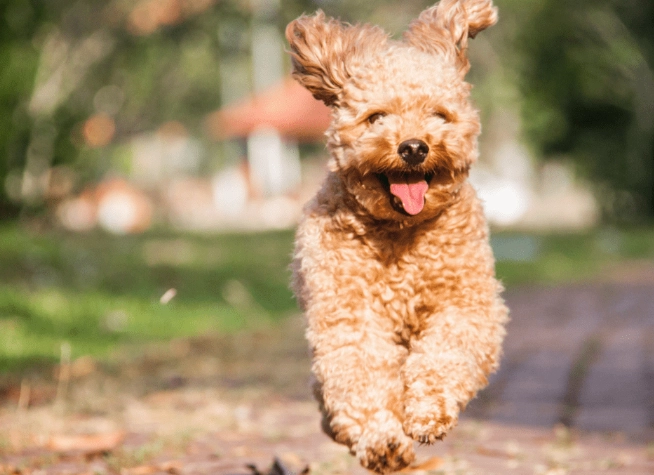
Your Questions, Answered
The choice between a Pomeranian and a Poodle isn't about good versus bad. It's about matching a living being's inherent nature with your own lifestyle, patience, and resources. Visit breeders, meet adult dogs, and be honest about the daily reality—the brushing, the training, the potential vet bills. Whether you choose the bold, sparkling confidence of the Pom or the witty, elegant partnership of the Poodle, you're getting a deeply loyal and intelligent friend. Just make sure you're the right friend for them, too.

Comments
Leave a Comment