Let's get this out of the way first: Hypentelium nigricans sounds like something from a medieval alchemy text. In reality, it's the scientific name for one of the most striking and misunderstood large birds you can find in Asian and Australian wetlands—the black-necked stork. Forget dry textbook descriptions. If you're here, you probably want to know what this bird is really like, where you have a shot at seeing one, and how to tell you're not looking at something else. That's what we're doing.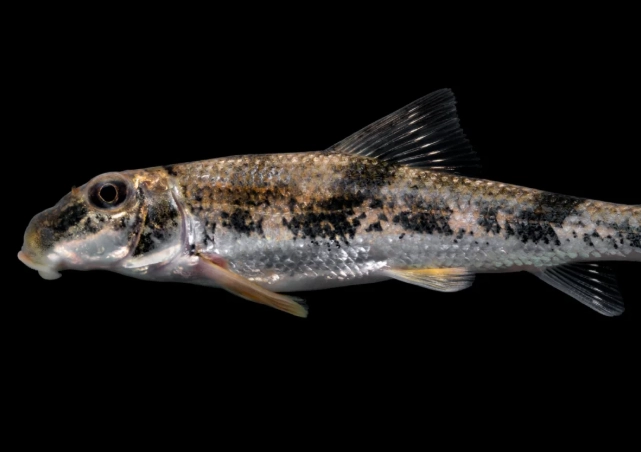
I've spent years tracking them in India, and the first time you see one, it recalibrates your sense of scale. It's not just a big bird; it's a presence. A four-foot-tall, black-and-white monument standing perfectly still in a marsh, then striking with a bill that looks like a yellow spear. Most online guides list basic facts. I want to tell you how to find them, the mistakes everyone makes, and why their survival is a direct report card on the health of our wetlands.
What's Inside This Guide
Meet the Bird: More Than Just a Black Neck
Everyone calls it the black-necked stork, which is fine, but it's a bit like calling a zebra a "black-striped horse." It misses the details that make it fascinating.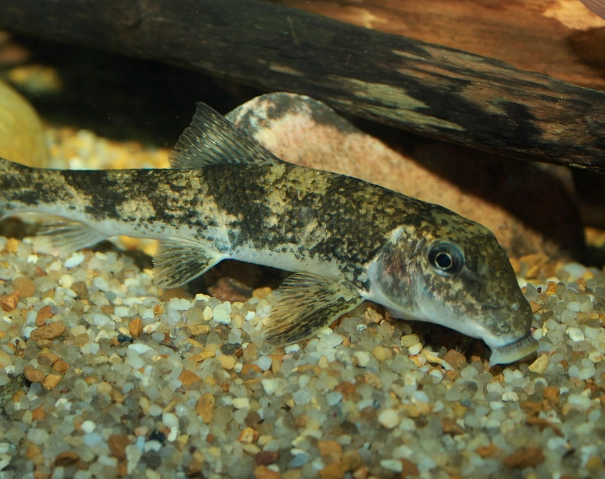
The body is a crisp, clean white. The head, neck, tail, and massive flight feathers are a glossy, iridescent black that shines blue-green in the right light. Then there's the bill—long, heavy, and bright yellow, slightly upturned. The legs are long and red. In flight, it's unmistakable: that stark black-and-white pattern with legs trailing far behind, looking slow and deliberate.
But here's a detail most lists don't tell you: the iris color.
It's the easiest way to sex the bird. Male? Dark brown iris. Female? Vibrant yellow iris. It's a crystal-clear difference you can see with decent binoculars. Don't bother trying to guess by size; the difference is subtle. Look at the eye.
Their feeding behavior is where they become truly captivating. They aren't herons, actively stalking. They are patient. They stand motionless in shallow water, waiting for prey to come to them. What's on the menu? Mostly aquatic creatures. Fish, eels, frogs. But their favorite, in my observation, seems to be large crustaceans. I've watched one spend twenty minutes meticulously dismantling a big crab, using that powerful bill like a set of nutcrackers. It's a masterclass in focused energy.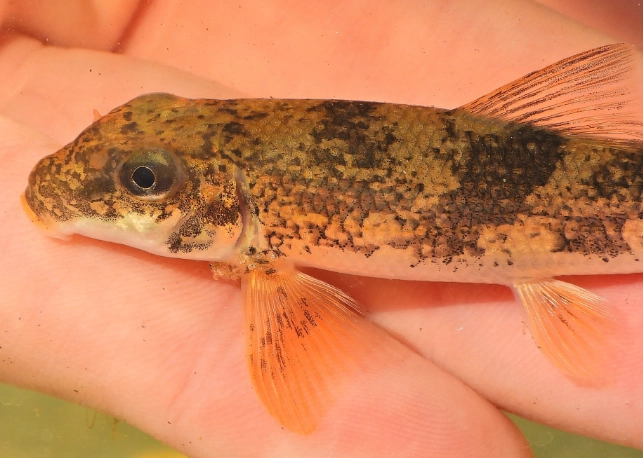
Where to Look: Prime Stork Real Estate
You can't just go to any pond. These birds need large, productive wetlands—places with a mix of open shallow water, mudflats, and dense vegetation for nesting. They are territorial, so a pair needs a sizable area to call their own.
Their range is split: the Indian Subcontinent and Southeast Asia, and then separately, northern and eastern Australia. They don't cross the ocean between. Let's break down the top-tier locations, the places where your odds are best.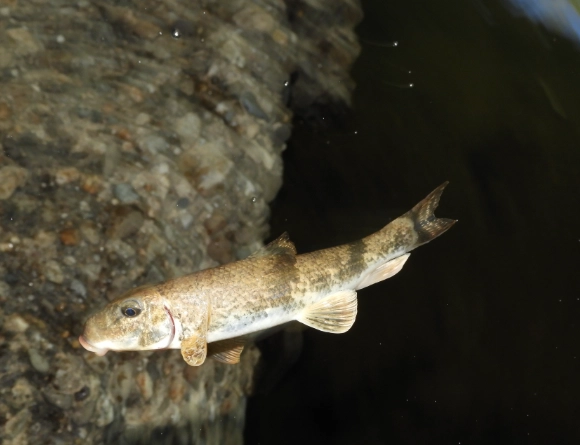
Top Spots in the Indian Subcontinent
1. Keoladeo National Park, Bharatpur, India
This is the black-necked stork's most famous address. A UNESCO World Heritage Site, this man-made wetland is a mosaic of marshes, scrubland, and woodlands. The storks are resident here, and you can see them year-round, though the post-monsoon period (October-March) is ideal.
- Best Viewing Areas: The deeper wetlands near the park center, especially around the Keoladeo Temple area and the various bunds (embankments).
- Logistics: You explore on foot, by bicycle (rent at the gate), or by cycle-rickshaw with a guide. A guide is highly recommended for first-timers to navigate the trails and spot birds.
- My Take: It's reliable, almost guaranteed. But it can feel a bit "managed." For a wilder, more thrilling encounter, head northeast.
2. Kaziranga National Park, Assam, India
This is the real deal. Here, Hypentelium nigricans shares the floodplains of the Brahmaputra River with tigers, rhinos, and elephants. Seeing a stork hunting in a marsh with a one-horned rhinoceros in the background is an image you won't forget.
- Best Viewing Areas: The wetlands in the Bagori (Western) and Agoratoli (Eastern) ranges. Early morning jeep safaris are perfect.
- Logistics: Access is via organized jeep or elephant safaris booked through your lodge or the park authorities. The park is closed during the monsoon floods (approx. May-October).
- Pro Tip: Don't just look for the stork. Scan the edges of beels (oxbow lakes) and tall grass patches. Their stillness makes them easy to miss next to a two-ton rhino.
Top Spots in Australia
In Australia, they're found from the Kimberley in Western Australia across the Top End to Queensland. They're less tied to specific famous parks and more a feature of the northern wetlands.
Key Regions: The floodplains around Kakadu National Park (NT), especially near Yellow Water and Mamukala. The Atherton Tablelands in Queensland can also be productive. The best time is the late dry season (August-November) as waterholes contract, concentrating wildlife.
The vibe in Australia is different. More remote, fewer tourists, and the birds often feel like just another part of a vast, ancient landscape.
The Art of Spotting: A Step-by-Step Field Guide
Okay, you're in the right place. Now how do you actually find one? This is where most generic advice fails.
Step 1: Habitat, Not Sky. Don't waste time scanning the open water or the sky. Focus your binoculars on the edges. The interface between shallow water (knee-deep or less) and the emergent vegetation—reeds, tall grass, lilies. This is their hunting ground.
Step 2: Look for the Shape. Scan for a tall, upright, black-and-white column. At a distance, they can look like a post. Their stillness is a camouflage. Look for that distinctive profile: straight back, long neck, heavy bill held horizontal.
Step 3: Listen (Indirectly). Black-necked storks are mostly silent. But other birds aren't. If you hear a sudden commotion of waterhens, coots, or ducks scattering, check the area. A stork on the move can cause a local panic.
Step 4: The Gear You Actually Need. Forget the super-telephoto lens unless you're a serious photographer. A good pair of 10x42 binoculars is perfect. They offer a bright image and a wide enough field of view to scan. A spotting scope is overkill unless you're at a fixed blind. Wear muted colors (khaki, green, brown) and a hat. And for the love of all things bird-related, bring insect repellent. Wetlands and mosquitoes are a package deal.
The Common Mistake to Avoid: Confusing it with the woolly-necked stork or the painted stork. The woolly-necked is smaller, has a white neck with a woolly fringe, and a much slimmer, dark bill. The painted stork is… well, pinkish and painted-looking. The black-necked's stark two-tone scheme is unique.
The Conservation Reality Check
The International Union for Conservation of Nature (IUCN) lists Hypentelium nigricans as Near Threatened. The global population is decreasing. The why is simple and depressing: wetlands are disappearing.
They're drained for agriculture, polluted by runoff, and fragmented by development. The stork is a bio-indicator. Where you find healthy, breeding pairs, you have a functioning wetland ecosystem. No storks? It's a red flag.
But it's not all bad news. In those protected areas we talked about—Keoladeo, Kaziranga, Kakadu—populations are stable. This proves that when habitat is secured, they thrive. Supporting wetland conservation NGOs and choosing responsible tourism operators who respect park guidelines directly helps. Your visit, done right, adds economic value to keeping these places wild.
Your Black-Necked Stork Questions, Answered
Finding Hypentelium nigricans is more than a tick on a list. It's a journey into the heart of some of the world's most vital ecosystems. It teaches patience, observation, and gives you a direct stake in the story of wetland survival. Pack your bins, pick a season, and go look for that black-and-white sentinel in the marsh. The experience will stick with you long after you've left the water's edge.




Comments
Leave a Comment