Picture this: you're deep in a steamy rainforest, the air thick with the smell of damp earth and rotting leaves. Something massive moves in the shadows. It stands nearly as tall as you, covered in coarse, black hair-like feathers, with a vivid blue neck and a bizarre, bony helmet on its head. Its eyes lock onto you, and you see the foot—a foot with a claw that looks like it belongs in a museum next to a velociraptor fossil. This isn't a scene from Jurassic Park. You've just met the cassowary, the closest thing we have to a living, breathing dinosaur walking the planet today.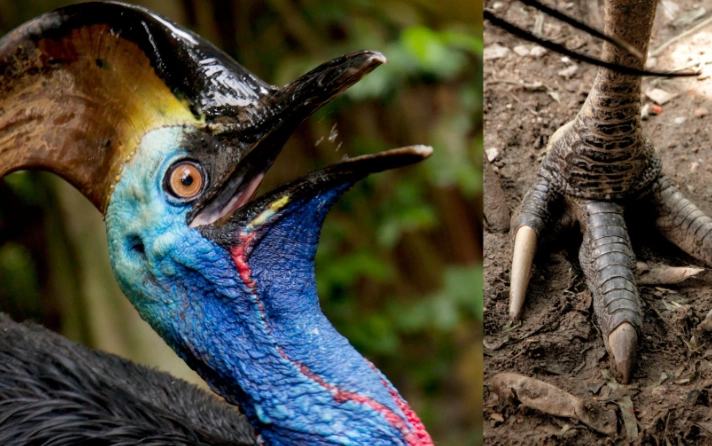
I've spent years tracking and observing these incredible birds in Far North Queensland. The first time I saw one up close—not in a zoo, but in the tangled green of the Daintree—it redefined my understanding of "bird." The sheer prehistoric presence of the animal is humbling. And a little terrifying. Let's cut past the basic facts you can find anywhere and talk about what it's really like to share a world with a modern-day dinosaur.
What You'll Discover in This Guide
The Dinosaur Features You Can't Unsee
Calling the cassowary a "dinosaur bird" isn't just a cute nickname. It's a technical reality. Birds are, taxonomically, theropod dinosaurs. Cassowaries just forgot to get the memo about looking cute and harmless. They showcase a suite of primitive traits that scream "Mesozoic era."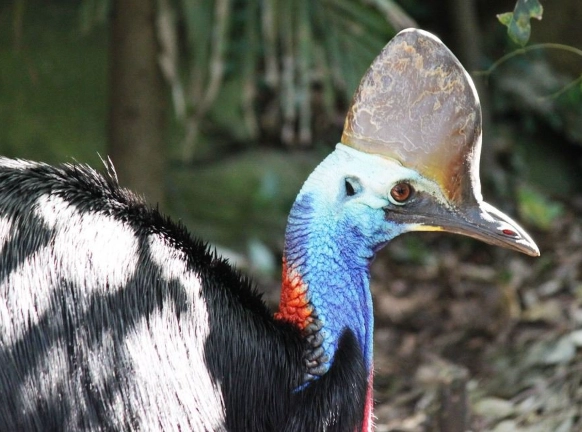
Let's start with the obvious: the casque. That helmet on its head. Most people think it's for fighting or breaking open fruit. But after talking with researchers and watching them for hours, I'm convinced its primary function is more subtle. It acts as a living crash helmet and sound resonator. As the bird pushes through nearly impenetrable rainforest understory, the casque deflects vines and branches. Some studies, like those referenced by the Smithsonian Magazine, suggest it may also amplify the deep, low-frequency booms the birds use to communicate—a useful trick in dense forest. It's a multipurpose tool, not just a weapon.
Then there's the foot. This is the part that sends a chill down your spine.
Their feathers are another throwback. Unlike the sleek, interlocking feathers of an eagle or sparrow, cassowary feathers are loose, hair-like, and double-shafted. They look shaggy, almost like the plumage reconstructions we see of small, feathered dinosaurs. They provide insulation but lack the barbules that make most bird feathers smooth and aerodynamic. Why? Because cassowaries don't fly. They run. And when they run, they can hit 30 miles per hour (50 km/h) through thick bush, leaping up to 5 feet (1.5 meters) in the air. Watching one sprint is like watching a velociraptor scene come to life.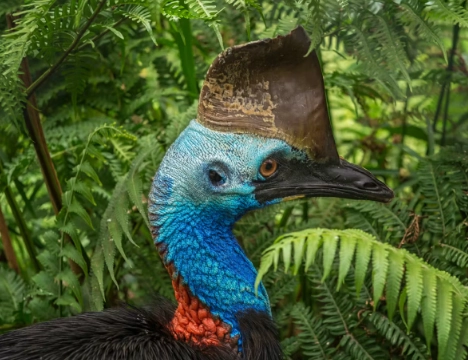
Why It's Called the World's Most Dangerous Bird
The Guinness World Records officially grants the cassowary this title, and for good reason. Its weaponry is legendary. But here's the nuance most articles miss: cassowaries aren't inherently aggressive monsters. They're shy, solitary forest dwellers. Attacks on humans are extremely rare. When they happen, it's almost always because of a few specific, avoidable reasons.
| Primary Cause of Attack | What Happens | How to Prevent It |
|---|---|---|
| Feeding by Humans | Birds associate people with food, lose fear, and can become aggressive when not fed. | Never, ever feed a cassowary. It's illegal and deadly for the bird's behavior. |
| Defending Chicks | Male cassowaries are sole caregivers for chicks for up to 9 months. They are hyper-protective. | Give any cassowary with chicks a very wide berth. Do not approach for photos. |
| Feeling Cornered or Trapped | If a bird cannot escape (e.g., in a yard, on a path), it may charge to clear a path. | Always ensure the bird has an escape route. Back away slowly, don't trap it. |
| Protecting a Food Source | If you stumble between a cassowary and a fruiting tree it's feeding on. | Be aware of your surroundings. If you see it feeding, quietly leave the area. |
The mechanics of an attack are brutal. The bird jumps and kicks out simultaneously, using its powerful legs to drive the inner claw forward in a slashing motion. It can disembowel a dog or slice deep into a human limb, severing arteries. Fatalities have occurred, but they are statistical anomalies. The real danger isn't from random, predatory attacks; it's from mismanaged encounters.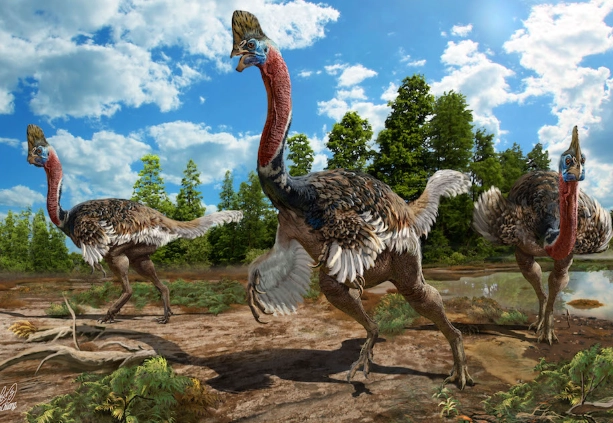
Where and How to See a Cassowary Safely
If you want to see a cassowary dinosaur in the wild, your best bet is the wet tropical rainforests of New Guinea and northeastern Australia. For most readers, that means planning a trip to Queensland. Here’s the straight talk on locations: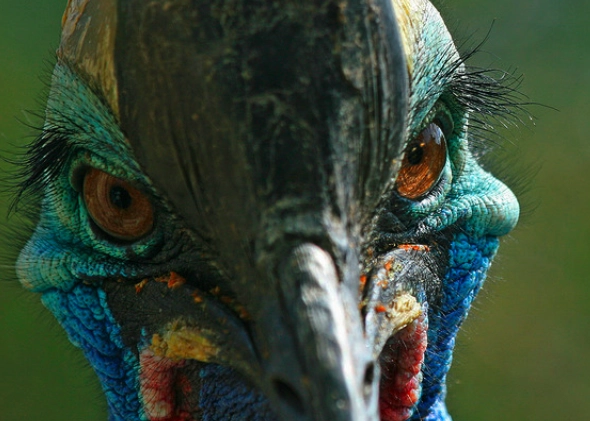
Mission Beach, Queensland: This coastal village bills itself as the "Cassowary Coast." The local community is deeply invested in conservation. Sightings happen relatively frequently where the rainforest meets residential areas. Etty Bay is another famous spot where cassowaries often stroll onto the beach. The key here is patience and respect. Stay in your car if you see one near the road—it's the perfect viewing blind.
The Daintree Rainforest: This is the oldest tropical rainforest on Earth and feels like it. Cassowary sightings are less guaranteed but more magical in this pristine setting. I've had the best luck on quiet tracks early in the morning. Consider a guided walk with a local naturalist. They know the territories and the signs (like massive, three-toed footprints in the mud).
Wildlife Sanctuaries & Zoos: If your priority is a guaranteed, safe, and educational view, excellent facilities like the Cairns Tropical Zoo or the Australia Zoo have superb cassowary enclosures. You'll get a clear look at their features and behaviors without any risk. It's a fantastic first introduction.
Remember, you are a guest in their home. Keep a minimum distance of 15 meters. Never feed them. And if you're lucky enough to see one, that low-frequency booming sound you might hear is the male calling—a sound that truly feels like it's from another age.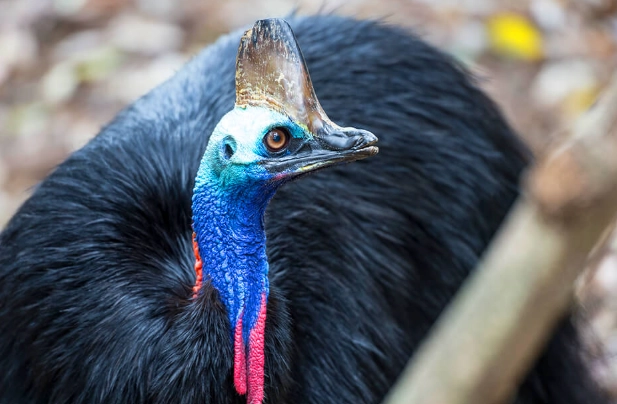
Beyond the Fear: The Cassowary's Crucial Role
It's easy to fixate on the cassowary's danger, but that misses the point. This bird is a keystone species. It's the rainforest's master gardener. Cassowaries eat the fruits of over 150 plant species. Many of these seeds are too large for any other animal to disperse. The cassowary's digestive system is gentle on these seeds, and they are deposited far and wide in nutrient-rich packets of dung.
Some rainforest trees, like the iconic Blue Quandong, rely almost exclusively on cassowaries for seed dispersal. No cassowaries, no new Quandong trees. The entire structure and diversity of the rainforest suffers. When habitat is fragmented by roads and development, cassowaries get hit by cars, attacked by dogs, and starve. Protecting them isn't just about saving a cool dinosaur-bird; it's about holding an entire ecosystem together.
Your Cassowary Questions Answered
The cassowary is a breathtaking contradiction: a shy giant, a colorful phantom of the forest, a living relic with the power to shape its world and command our respect. Treat it with caution, for sure. But more importantly, treat it with the awe it deserves as one of nature's most direct and magnificent links to the age of dinosaurs.

Comments
Leave a Comment