If you're into wildlife, you know tigers, elephants, and pandas. But let me ask you this: have you ever spent time thinking about the hog badger? Probably not. And that's the problem. Arctonyx collaris is one of Asia's most fascinating, yet utterly overlooked, mammals. It's a stocky, powerful digger with a face only a mother could love—a magnificent, pig-like snout it uses like a living shovel. I've spent years tracking elusive creatures in Southeast Asia, and I can tell you, getting a clear glimpse of a hog badger in the wild feels like winning the lottery. They're that secretive.
This isn't just a quirky animal profile. The hog badger's story is a window into the health of Asia's forests and the silent crisis facing its mid-sized mammals. Their struggle flies under the radar, overshadowed by more charismatic species. But if we lose creatures like the hog badger, we lose vital ecosystem engineers. This guide is what I wish I had when I first became curious about them.
What's Inside?
What Exactly is a Hog Badger?
Let's clear up the name first. It's not a pig. It's not a typical badger. It's a mustelid, related to weasels, otters, and wolverines. That family connection explains a lot—they're tough, solitary, and resourceful. The "hog" part comes from that incredible snout. It's hairless, muscular, and acts as a sensory organ and a digging tool all in one.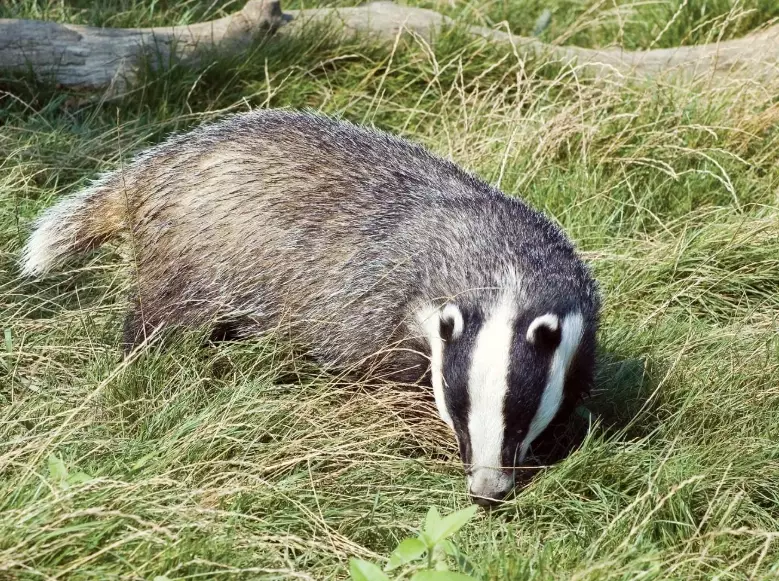
Picture an animal built like a small, muscular tank. They have coarse, grizzled grey or brown fur, a distinctive black-and-white facial pattern (though it varies widely), and powerful, non-retractable claws perfect for excavation. An adult can weigh 7-14 kg (15-31 lbs). They're mostly nocturnal, which is another reason they're so rarely seen.
One common misconception I hear is that they're just "Asian versions" of the European badger. That's lazy. Their ecology, behavior, and the threats they face are distinct. Assuming they're the same leads to poorly designed conservation strategies.
Where Do Hog Badgers Live? (The Shrinking Map)
Hog badgers have a surprisingly wide but fragmented range across South and Southeast Asia. They're habitat generalists in theory, but specialists in practice. You won't find them in dense, pristine rainforest alone. They thrive in a messy, mixed landscape.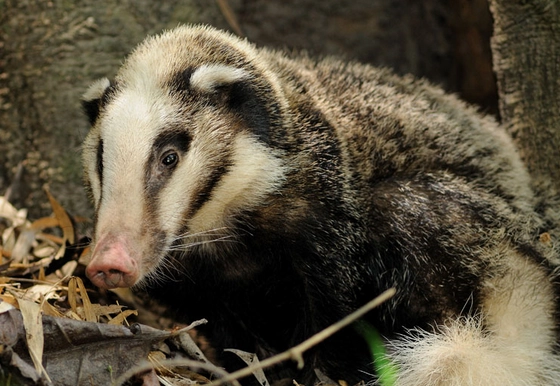
Their ideal home includes:
- Forest edges and secondary growth.
- Grasslands adjacent to woodlands.
- Areas with soft, loamy soil perfect for digging their burrows.
- Interestingly, they often persist near agricultural land, which is a double-edged sword—it provides easy food like worms and grubs, but brings massive risk.
| Country/Region | Primary Habitat Types | Known Population Status |
|---|---|---|
| Northeast India, Nepal, Bhutan | Himalayan foothills, subtropical forests | Relatively stable in protected areas, declining elsewhere. |
| Myanmar, Thailand, Laos | Mixed deciduous forests, forest plantations | Severe declines due to intense snaring; data scarce. |
| Southern China, Vietnam | Evergreen and limestone forests | Fragmented, threatened by habitat loss and hunting. |
| Sumatra (Indonesia) | Montane and lowland rainforest edges | Rare and poorly studied; likely highly threatened. |
The map is shrinking fast. A study published in Global Ecology and Conservation highlighted that suitable hog badger habitat has contracted by over 20% in recent decades, primarily due to agriculture expansion. You can't protect what you don't understand, and for the hog badger, basic distribution data is still patchy.
The Life of a Hog Badger: Diet, Digging, and Defense
This is where the hog badger gets really interesting. They are the ultimate opportunistic foragers. Their diet is a "whatever is edible" menu. Using that superb snout, they root through leaf litter and soft soil like a pig.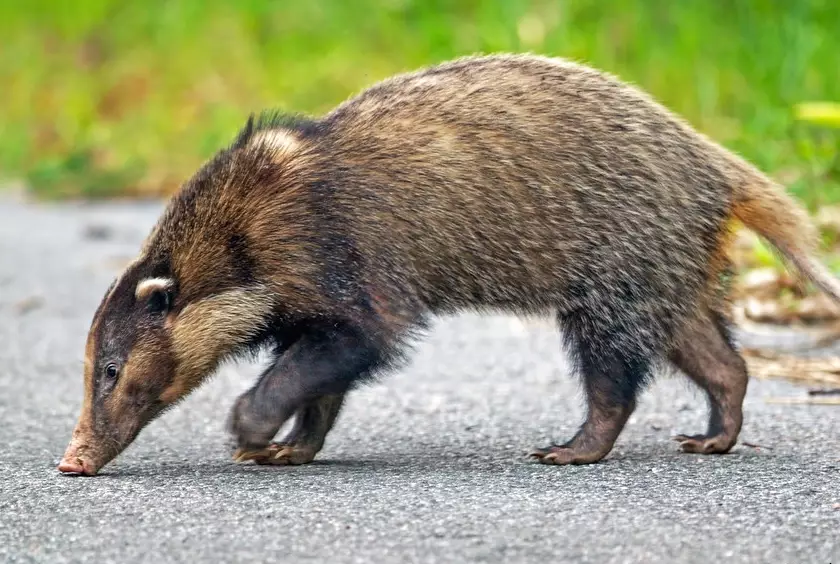
What's on the menu? Earthworms and insect larvae are staples. They also eat fruits, roots, small reptiles, amphibians, and even carrion. Near farms, they might dig up root vegetables, which gets them into trouble.
Their digging isn't just for food. They excavate burrows for shelter. These aren't the elaborate, multi-generational "setts" of European badgers. A hog badger burrow is usually a simpler affair—a single tunnel leading to a chamber. They might use it for a few days and move on, or refurbish an old one.
Defense is a three-stage process. First, avoidance (they're masters of staying hidden). Second, escape (they can run surprisingly fast for their build). If cornered, they move to stage three: ferocious defense. They can emit loud growls and bites from their strong jaws are serious. They may also release a musky odor from their anal glands, though it's less potent than a skunk's.
Why Are Hog Badgers Disappearing?
The hog badger is classified as Vulnerable on the IUCN Red List. The trend is downward. The causes aren't mysterious, but they are relentless.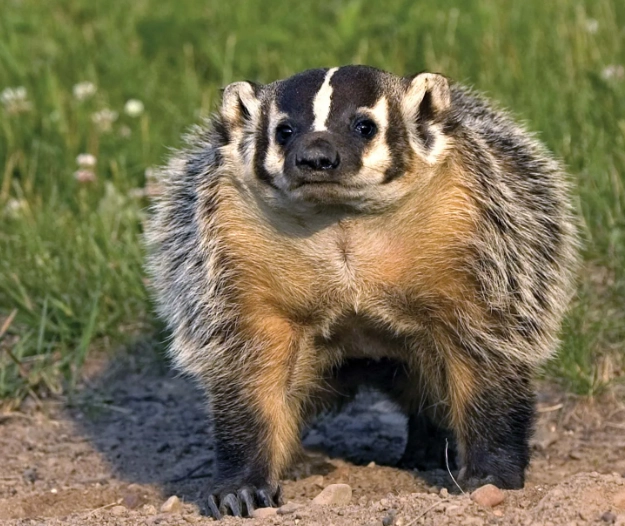
Habitat Loss and Fragmentation: This is the big one. Conversion of forests and grasslands to agriculture (especially industrial plantations like palm oil or rubber) and infrastructure projects destroy their homes and cut populations off from each other.
Hunting and Snaring: This is the silent killer across Southeast Asia. Hog badgers are not typically a primary target, but they fall victim to indiscriminate wire snares set for other animals. They are also hunted locally for meat and for use in traditional medicine in some areas.
Human-Wildlife Conflict: When they raid crops like peanuts or potatoes, farmers understandably see them as pests. Retaliatory killing happens, though it's less documented than for larger animals.
Vehicle Collisions: As roads slice through their habitat, more hog badgers are killed by cars, especially when foraging near roadsides at night.
The insidious part is that these threats combine. A hog badger surviving in a forest fragment is more likely to venture onto farmland to eat, where it might get snared or hit by a car. It's a death by a thousand cuts.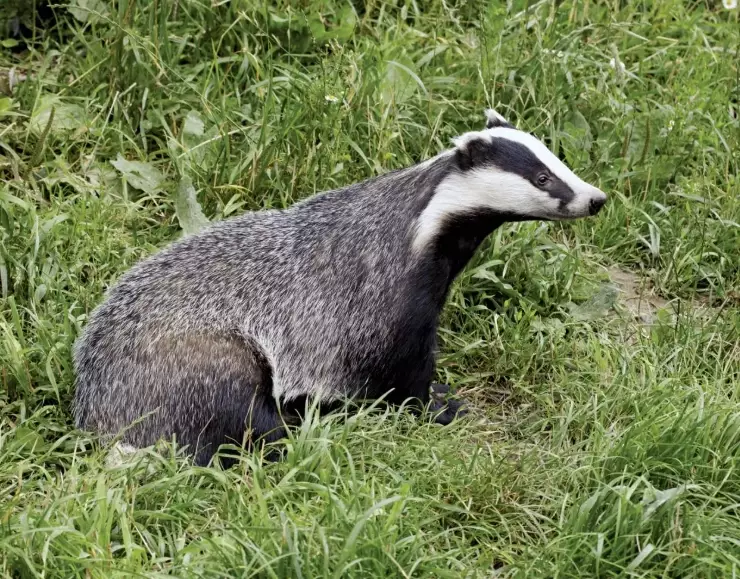
The Fight for Survival: Conservation Status and Efforts
Legally, the hog badger is protected in many range countries (e.g., it's listed under Schedule II of India's Wildlife Protection Act). But paper protection is different from on-the-ground protection.
Effective conservation is patchy. It's strongest in well-managed protected areas within countries like India, Nepal, and Bhutan. In much of Southeast Asia, enforcement against snaring within protected areas is a monumental, ongoing struggle.
What's missing? Targeted, species-focused action. Most conservation energy goes to tigers and elephants. Hog badgers are often considered "bycatch" in broader forest protection schemes. That's not enough. We need:
- Better population surveys: Using systematic camera trapping and community interviews to map where they still hang on.
- Anti-snaring patrols: Focused removal of snares in known hog badger areas.
- Community engagement: Working with farmers to mitigate crop-raiding through non-lethal methods (like better fencing) and compensating losses.
Organizations like the IUCN Small Carnivore Specialist Group are trying to shine a light on species like the hog badger. But funding and attention are minimal compared to the scale of the problem.
How to (Responsibly) Look for a Hog Badger
If you're a wildlife enthusiast or photographer hoping to encounter one, you need to manage your expectations drastically. Seeing one is rare. But you can maximize your chances ethically.
Best Locations: Your best bet is protected areas in Northeast India (like Manas or Kaziranga National Parks) or lowland forests in Thailand (like Kaeng Krachan or Khao Yai). Even there, it's a long shot.
Method: Don't expect a daytime sighting. You need to be out at night, on quiet forest roads or trails, with a good red-filtered spotlight. Move slowly and scan the forest edge. Look for movement or eye shine. Even better, partner with a research project using camera traps—you might review the footage and find one.
What to look for: Signs are more common than the animal itself. Look for fresh digging patches in soft soil, where the ground looks like it's been plowed by a miniature tractor. Their tracks show five toes and clear claw marks.
Ethics are non-negotiable. Never use bait or calls to attract them. Maintain a significant distance if you are lucky enough to see one. Do not disrupt their burrows. The animal's welfare and natural behavior come before your photo or experience.
Honestly, for most people, supporting conservation organizations that protect their habitat is a far more meaningful way to "connect" with hog badgers than a futile quest for a glimpse.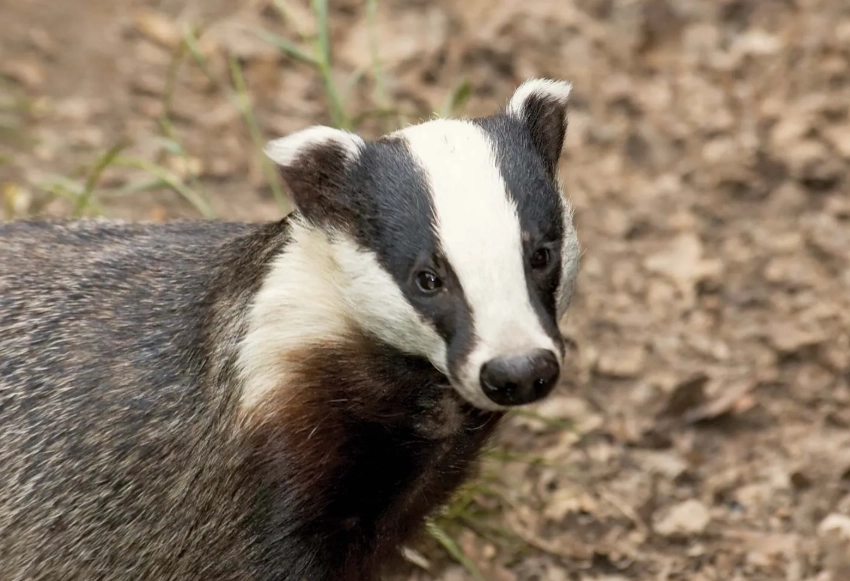

Comments
Leave a Comment