Picture a rabbit. You probably imagine soft, fluffy fur. Now erase that image. What you have is an American Hairless Rabbit, a unique pet that's equal parts fascinating and demanding. I've been raising rabbits for over a decade, and I can tell you, a hairless bunny isn't just a rabbit without a coat—it's a completely different ballgame in terms of care. They're not for everyone, but for the right owner, they're incredible companions. Let's cut through the cute photos online and talk about the real, day-to-day life with a hairless bunny rabbit.
What's Inside This Guide
Meet the American Hairless Rabbit
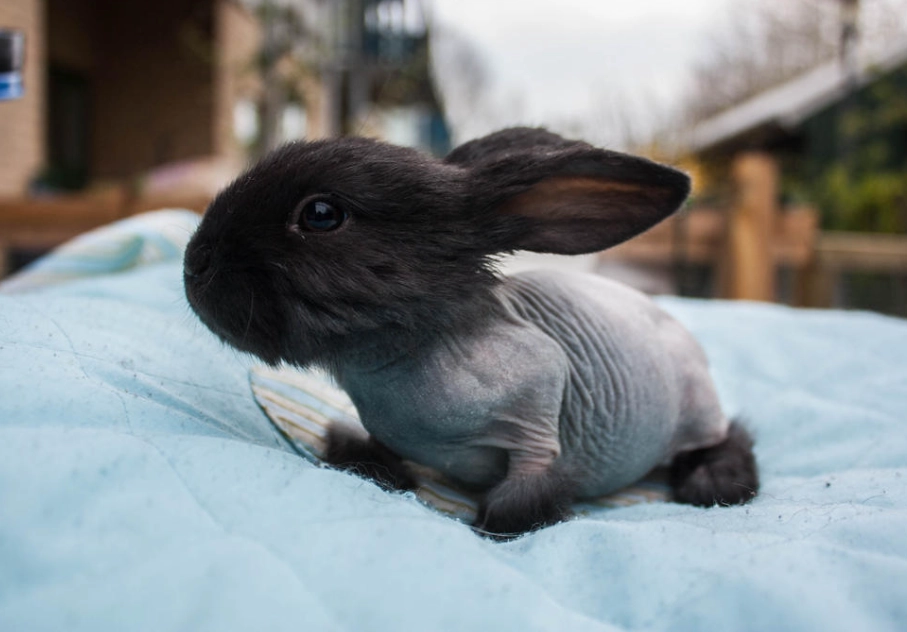
This isn't a sick rabbit or one with a disorder. The American Hairless Rabbit is a distinct breed that originated from a natural genetic mutation in a litter of Rex rabbits in the 1970s. Breeders worked to stabilize the trait. They have whiskers and fine hair on their feet for a short time as kits, but become completely hairless as adults. Their skin is soft, warm, and comes in various patterns and colors, just like fur would.
Personality-wise, they're often described as energetic, curious, and highly social. Because they lack insulation, they have faster metabolisms to stay warm, which can translate into being more active. But here's the first major point many guides gloss over: that high metabolism and lack of fur makes them significantly more expensive to care for than a standard rabbit. You're looking at higher food costs, constant climate control, and potentially more vet visits.
Your Hairless Rabbit Daily Care Checklist
Owning one is a rhythm. Here’s what a typical day involves:
- Morning: Check room temperature. Refresh water (offer both a bowl and bottle). Provide fresh hay. Do a quick visual skin check for any redness, scrapes, or dry patches.
- Midday/Playtime: Supervised out-of-cage time in a safe, temperature-controlled room. Interactive play. Offer a portion of fresh greens.
- Evening: Another skin check. Gentle wipe-down with a damp cloth if needed. Provide evening pellet ration. Ensure sleeping area has ample, clean, soft bedding.
- Weekly: Full enclosure clean. Check and trim nails if necessary. Deep check of skin folds (if any).
It sounds like a lot, but it becomes routine. The skin check is the most critical habit to form.
How to Feed a Hairless Bunny Rabbit
Diet is your first line of defense for their health. That faster metabolism means nutrition is paramount.
The Core Diet: Hay, Greens, Pellets
Unlimited Grass Hay: Timothy hay should make up 80-90% of their diet. It provides essential fiber for digestion and something to constantly chew on. Orchard grass or oat hay are good alternatives. Avoid alfalfa hay for adults—it's too rich in protein and calcium.
Fresh Leafy Greens: About 1 packed cup per 2 lbs of body weight daily. Romaine, red/green leaf lettuce, cilantro, bok choy, and basil are great. Introduce new greens slowly. I've found mine particularly loves dandelion greens (from a pesticide-free source).
Limited Pellets: Just 1/4 cup per 5 lbs of body weight daily. Choose a high-fiber (18%+), plain green pellet without colorful bits or seeds. Oxbow Essentials or Small Pet Select are reliable brands. The House Rabbit Society has excellent, vet-approved dietary guidelines that apply here.
Water: Always, always fresh. Use a heavy ceramic bowl to prevent tipping. Check it multiple times a day. Dehydration hits them fast and shows in their skin elasticity.
Creating the Perfect Environment
This is where you'll spend money and mental energy. You're not just rabbit-proofing; you're creating a microclimate.
Temperature & Humidity Control
The ideal range is narrow: 65°F to 75°F (18°C to 24°C). Below 60°F (15°C), they risk hypothermia. Above 80°F (27°C), they can overheat dangerously fast because they can't sweat or pant effectively.
- Winter: A space heater for the room (not a heat lamp in the cage, which is a fire risk and can burn them). Provide plenty of soft bedding like aspen shavings or paper-based bedding for burrowing. Fleece blankets are good, but they must be changed frequently as rabbits will urinate on them.
- Summer: Air conditioning is non-negotiable in most climates. You can place ceramic tiles in their enclosure for them to lie on. Ensure they have constant access to cool water. Never leave them in a car or sunny room.
Humidity should be moderate, around 40-60%. Too dry, and their skin gets flaky. Too damp, and you invite fungal issues.
The Enclosure & Enrichment
Forget small cages. They need a large exercise pen (x-pen) or a custom-built space—at minimum 4ft x 4ft for one rabbit. The flooring must be solid and padded. Wire floors are an absolute nightmare for their feet and skin.
Provide multiple hiding places—closed huts, tunnels, cardboard boxes. They feel secure in enclosed spaces. Chew toys (apple wood, willow balls) are essential for dental health. A litter box in one corner with a rabbit-safe litter (paper-based or aspen) works well, as they can be litter-trained.
Skin Health & Grooming: The Non-Negotiables
No fur means their skin is directly exposed to everything. Grooming isn't about brushing; it's about monitoring and protecting.
| Task | Frequency | How-To & Product Notes |
|---|---|---|
| Skin Inspection | Daily | Run your hands over their body gently. Look for scratches, red spots, bumps, scabs, or dry patches. Check between toes and in skin folds. |
| Wipe Down | Every 2-3 days or as needed | Use a soft cloth dampened with warm water. Wipe gently to remove skin oils and dirt. Pat dry immediately. Avoid soaps unless prescribed. |
| Full Bath | Monthly max, or only if soiled | Use 1-2 inches of lukewarm water in a sink. Apply a tiny amount of hypoallergenic, fragrance-free rabbit or kitten shampoo. Rinse thoroughly. Dry completely with towels and keep in a warm room. |
| Moisturizing | Only if skin is dry/flaky | Consult your vet first. If approved, use a minuscule amount of pure, food-grade coconut oil or a vet-recommended ointment. Over-moisturizing clogs pores. |
| Nail Trimming | Every 3-4 weeks | Use small animal nail clippers. Avoid the quick (the pink vein). Have styptic powder on hand just in case. |
The biggest mistake I see? People think they need to bathe them weekly like a hairless cat. Don't. You'll create a cycle of dry skin, overproduction of oil, and then more baths. It's a disaster. Let their skin balance itself with minimal intervention.
Common Health Concerns to Watch For
Be proactive. Know the signs.
- Skin Infections (Bacterial/Fungal): Red, inflamed areas, pustules, crusty patches, or unusual odor. Requires immediate vet attention for antibiotics or antifungals.
- Scratches & Abrasions: Even a small scratch from a sharp edge can become infected. Clean minor ones with saline solution and monitor closely.
- Sunburn: They can get sunburned in minutes through a window. No direct sunlight.
- Dental Issues: Like all rabbits, their teeth grow continuously. Unlimited hay is the best prevention. Signs include drooling, reduced appetite, or pawing at the mouth.
- GI Stasis: A silent killer for all rabbits. If they stop eating, producing droppings, or seem lethargic, it's a same-day vet emergency.
Find an exotics veterinarian who has experience with rabbits before you get one. Not all small animal vets are equally skilled with rabbits. Ask specifically if they've treated hairless breeds.
FAQs from Current & Prospective Owners
 So, is a hairless bunny rabbit the right pet for you? If you're prepared for the climate control, the vigilant skin care, and the higher stakes of their health, they can be incredibly rewarding. They're affectionate, full of personality, and a true conversation starter. But go in with your eyes open. This isn't a low-maintenance novelty; it's a commitment to creating a safe, controlled world for a very special animal. Do your research, find a reputable breeder who health-tests their stock (the American Rabbit Breeders Association is a good starting point for referrals), and get your home ready. It's a unique journey, for sure.


Comments
Leave a Comment