I first saw one in a Kyoto garden, a jeweled creature moving with deliberate grace along a hackberry branch. It wasn't just a caterpillar; it looked like something a medieval illuminator would paint in the margin of a sacred text. This is the larval form of Sasakia charonda, the Japanese Emperor or Great Purple Emperor butterfly. But let's be honest, the butterfly, while majestic, gets all the press. The caterpillar's story is where the real drama is.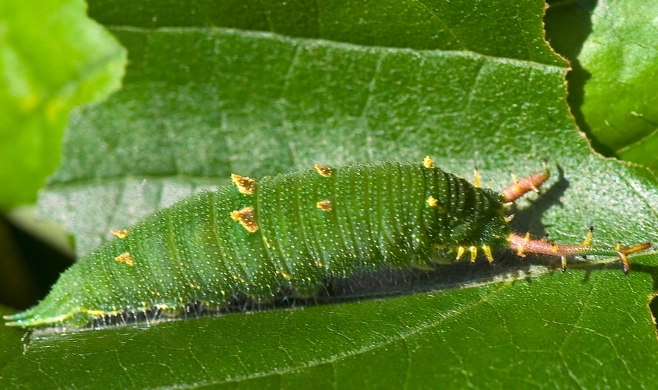
It's a life of extreme specialization, hidden in the canopy, entirely dependent on one family of trees. Get that relationship wrong, and you won't find one, let alone raise it. This guide cuts through the basic facts you can find anywhere and dives into the gritty, practical details of this caterpillar's existence—details I've learned the hard way through years of observation and more than a few failed rearing attempts.
What's Inside This Guide
The Five Transformations: A Caterpillar's Year
Most sites will tell you it goes from egg to caterpillar to pupa to adult. That's true for every moth and butterfly. The Emperor's calendar is what's fascinating. It's a masterclass in timing.
The adult butterflies lay eggs in late summer, typically August. The tiny caterpillars hatch, eat just enough to grow a little, and then… stop. They don't build a nest. They find a crevice in the bark of their host tree, spin a tiny silken mat, and go into hibernation. Right there on the tree. As first instar larvae. They spend the entire winter exposed to the elements.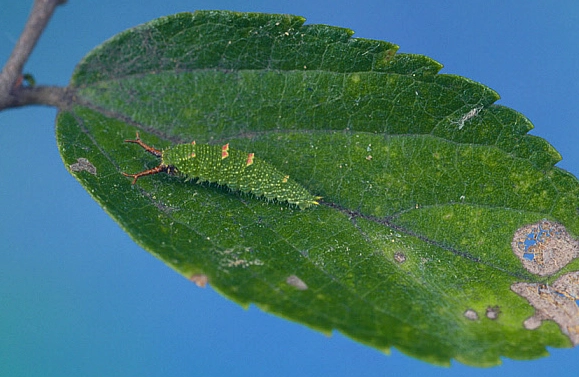
Come spring, when the hackberry buds break, they wake up. This is their first full meal in months. They then progress through four more molts (instars), each stage more impressive than the last.
A Visual Guide to Instars
It's easy to misidentate. Here’s a quick breakdown of what to look for as they grow:
| Instar | Size (Approx.) | Key Identifying Features | Activity & Diet |
|---|---|---|---|
| 1st | 3-4 mm | Dark brown/black, spiky. Looks nothing like the final form. | Feeds briefly in late summer, then hibernates on bark. |
| 2nd & 3rd | Up to 1.5 cm | Develops green base color. Tubercles (fleshy bumps) start to appear. | Active spring feeders, staying on younger leaves lower in the tree. |
| 4th | 2-3 cm | Vibrant green body. Blue tubercles with black hair become clear. | Moves higher into the canopy. Becomes a voracious eater. |
| 5th (Final) | 5-6 cm | Stunning luminous green. Four pairs of vivid blue-black tubercles. Distinctive amber-brown head. | Feeds almost exclusively at the top of the tree. Prepares to pupate by late June/July. |
The final instar is what people dream of seeing. After a few weeks of intense feeding, it will stop, empty its gut, and begin a restless wandering phase. This is the pre-pupation walk, and it's a critical behavioral cue most people miss.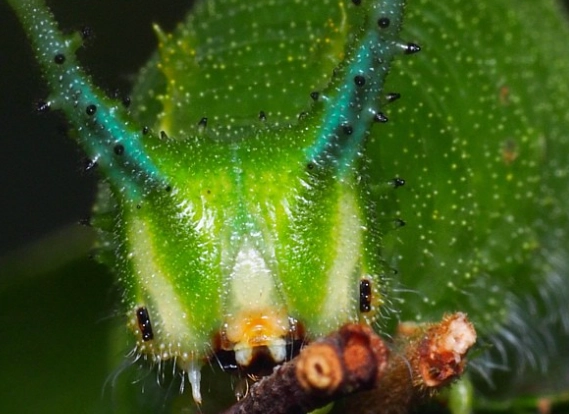
The Host Plant Secret: It's Not Just Any Tree
Here's the first major point of failure for enthusiasts: the host plant. You'll read "hackberry" and think that's it. The relationship is far more precise.
The Japanese Emperor Caterpillar feeds only on plants of the genus Celtis, primarily Celtis sinensis (Japanese hackberry) and occasionally Celtis jessoensis. It's not a preference; it's a biochemical necessity. The caterpillar's digestive system is tuned to this specific plant's chemistry.
I made the mistake once of trying leaves from a Chinese hackberry (Celtis sinensis var. ...) grown from foreign seed stock. The caterpillars refused to touch it. They'd rather starve. This level of specificity is why they are so vulnerable.
You need to find a mature, healthy hackberry tree. Not a young one. The older trees have a denser canopy and a different leaf chemistry that the later instars seem to require. Look for trees in:
- Sunny forest edges in lowland mountains.
- Riparian zones (near rivers or streams).
- Older parks and temple grounds in rural or suburban Japan.
The loss of these mature trees to development is a direct hit to their population.
How to Actually Find Them in the Wild
Forget walking through a forest and spotting one on a leaf at eye level. It doesn't work like that. Finding them is an exercise in indirect observation.
Timing is everything: The best window is late May to late June in central Honshu. This is when the 5th instar caterpillars are large, active, and feeding high up.
Look down before you look up: The most reliable sign is frass (caterpillar droppings). The frass of a large Emperor caterpillar is distinctive—dark green, pellet-like, about the size of a match head, and it accumulates in noticeable quantities on the ground or on lower leaves beneath a feeding site. Find the frass, find your tree.
Scan the canopy: Use binoculars. Look for notches eaten out of the mature leaves at the top of the hackberry tree. The caterpillars are masters of camouflage, but their feeding damage is a dead giveaway. On a sunny day, you might catch the gleam of their bright green bodies.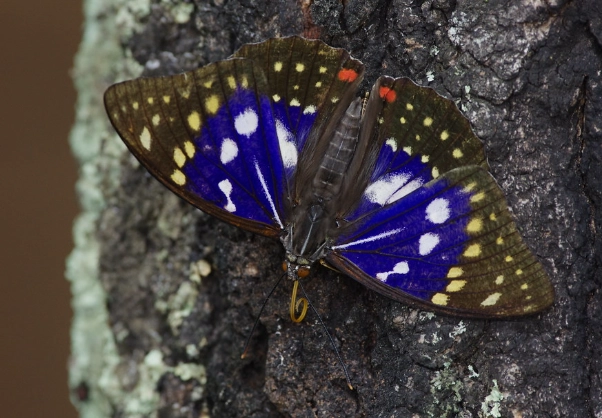
It's a hunt. It requires patience. The reward—seeing that living jewel in its natural habitat—is worth every minute.
A Realistic Guide to Raising Them (And Why You Might Not Want To)
Rearing Sasakia charonda from caterpillar to adult is considered a pinnacle achievement among Japanese lepidopterists. It's also incredibly difficult and ethically fraught. I don't recommend it for casual hobbyists, but understanding the challenge is instructive.
The Non-Negotiable Requirements:
- Fresh Celtis sinensis Leaves Daily: You must have a reliable, uncontaminated source. Pesticide drift from a neighbor's garden will kill them. Leaves must be fresh—wilting leaves are often rejected.
- Extreme Hygiene: Their containers must be cleaned of frass every single day to prevent mold and bacterial growth, which they are very susceptible to.
- The Overwintering Problem: If you start with an egg or early instar, you must simulate winter. This means letting the tiny caterpillar hibernate in an unheated, sheltered space (like a garden shed) for months, ensuring it doesn't dry out or get eaten by other insects. Most captive-rearing projects fail here.
- Pupation Setup: When the caterpillar wanders, it needs to burrow. A deep container with 15-20 cm of slightly moist, loose soil or peat moss is essential. It will form a fragile, earth-bound pupa and must be left completely undisturbed in a cool, dark place for 10-11 months.
Frankly, the mortality rate is high. The ethical view, supported by organizations like the Japanese Ministry of the Environment which lists it as a near-threatened species, is to admire them in the wild and focus on conserving their habitat. Taking a caterpillar from a healthy population often does more harm than good.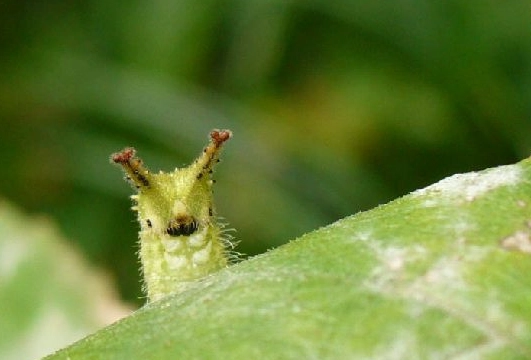
Conservation Status: Why They're Disappearing
The Japanese Emperor is a national symbol, but its future isn't secure. The IUCN Red List hasn't assessed it globally, but in Japan, its status is a red flag. Habitat loss is the primary driver.
The issue isn't just cutting down forests. It's the simplification of forests. Modern forestry and landscaping favor fast-growing monocultures. Mature hackberry trees are removed. The sunny forest edges they rely on disappear. Their habitat becomes fragmented, isolating populations and making them more vulnerable.
Conservation isn't just about planting hackberries. It's about preserving entire woodland ecosystems with a mix of mature trees, sunny clearings, and connectivity. Some local prefectures have specific conservation programs, but it's a patchwork effort.
Expert Answers to Your Trickiest Questions
Here are the questions I get asked most often, usually after someone has tried the basics and run into a wall.
The Japanese Emperor Caterpillar is a reminder that the most spectacular things in nature are often the most fragile. Its story is tied to a specific tree, a specific place, and a specific rhythm of the seasons. Understanding it goes beyond identification—it's about appreciating a complex, ancient relationship that is quietly unfolding in the treetops, if only we know where and how to look.


Comments
Leave a Comment