You’ve probably seen pictures—those wrinkly, bald rabbits that look like tiny aliens. Hairless bunnies are real, and they’re not just a novelty. As someone who’s raised rabbits for over a decade, I’ve cared for a few of these special creatures, and let me tell you, they’re nothing like your fluffy pet bunny. This guide dives deep into what makes them tick, how to keep them healthy, and whether you should bring one home.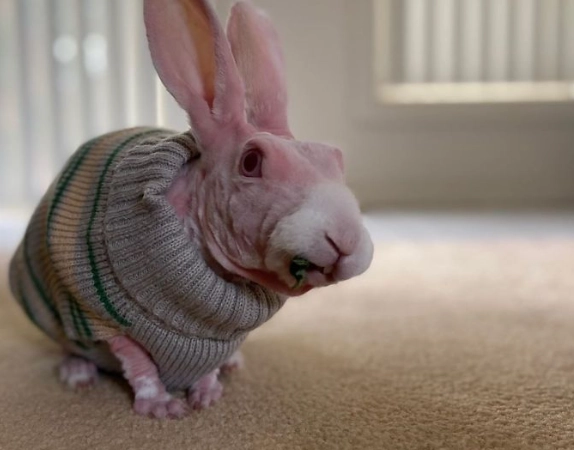
What You'll Find in This Guide
What Are Hairless Bunnies Really?
First off, hairless bunnies aren’t a separate species. They’re usually rabbits with a genetic mutation that prevents fur growth. Think of it like alopecia in humans, but for bunnies. I remember meeting my first hairless rabbit at a breeder’s farm—a Satin Angora with patchy skin, shivering in a corner. It was eye-opening.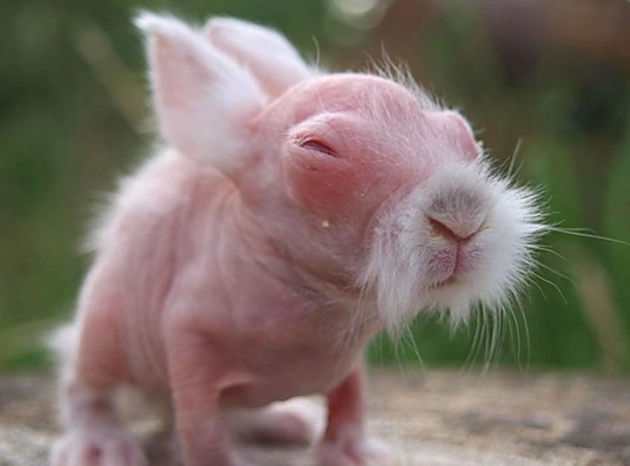
Genetic Origins and Breeds
Most hairless bunnies come from breeds like the American Fuzzy Lop or Netherland Dwarf, where a recessive gene kicks in. Sometimes, it’s due to breeding experiments or spontaneous mutations. The House Rabbit Society notes that these traits can pop up unexpectedly, so reputable breeders screen for health.
Here’s a quick breakdown of common origins:
- Genetic mutation: Often linked to the “furless” gene, which breeders sometimes select for novelty.
- Medical conditions: Like mange or mites, but true genetic hairlessness is different—it’s lifelong.
- Breeds involved: Mostly dwarf breeds, but I’ve seen cases in larger rabbits too.
One thing beginners miss: hairless bunnies aren’t always completely bald. Some have fine fuzz or patches, which can mislead owners into thinking they’re low-maintenance. They’re not.
How to Care for a Hairless Bunny: A Step-by-Step Approach
Caring for a hairless bunny is like babysitting a newborn—constant attention to detail. If you’re used to furry rabbits, throw half those assumptions out the window.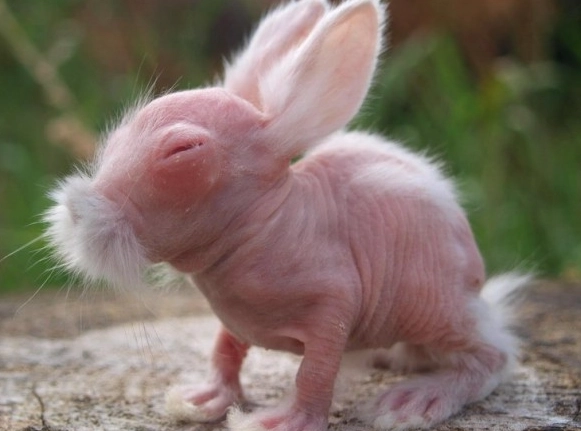
Temperature and Environment Control
This is the biggest hurdle. Hairless bunnies can’t regulate body heat well. I keep mine in a room that’s always between 68-75°F (20-24°C). Any colder, and they huddle; any hotter, and they risk overheating.
Essential gear:
- Heating pad: Set on low, placed under half the enclosure so they can move away if needed.
- Humidifier: Dry air cracks their skin. Aim for 40-50% humidity.
- Soft bedding: Avoid rough materials like wood shavings. Use fleece or paper-based bedding.
I learned the hard way when my bunny, Baldy, got a chill from a drafty window. A vet visit later, I invested in a thermostat-controlled heater. Worth every penny.
Skin Care and Grooming Routine
Their skin is delicate, prone to dryness, sunburn, and infections. Grooming isn’t about brushing—it’s about moisturizing and inspecting.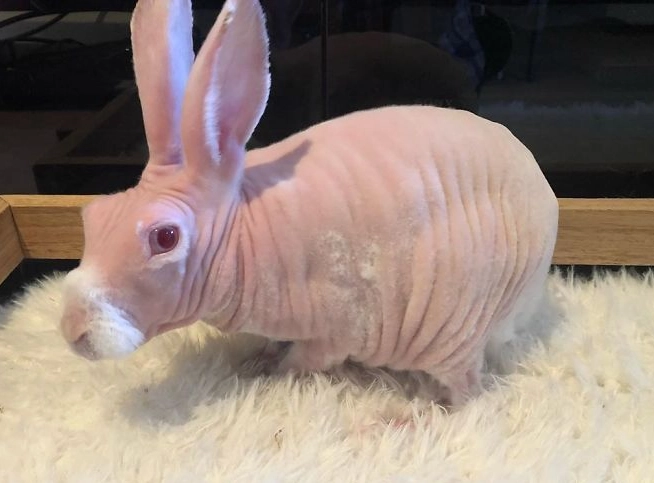
Weekly routine:
- Check for redness or sores: Especially in folds and joints.
- Apply rabbit-safe moisturizer: I use a coconut oil blend, but consult your vet.
- Clean gently: Wipe with a damp cloth if dirty; full baths only monthly.
Many owners over-bathe, stripping natural oils. Don’t be that person. A common mistake is using human lotions, which can be toxic. Stick to vet-recommended products.
Diet and Nutrition Specifics
Diet is similar to furry rabbits, but with tweaks. Hairless bunnies need extra hydration and nutrients for skin health.
| Food Type | Recommendation | Why It Matters |
|---|---|---|
| Hay | Unlimited timothy or orchard grass | Digestive health, but ensure it’s dust-free to avoid skin irritation. |
| Fresh Veggies | Daily, like romaine lettuce and bell peppers | Provides vitamins for skin integrity. Avoid high-oxalate greens. |
| Pellets | Limited to 1/4 cup daily | Choose high-fiber, no added sugars—skin issues can worsen with poor diet. |
| Water | Always fresh, changed twice daily | Dehydration leads to dry skin. Use a bowl, not a bottle, for easier access. |
I add a pinch of flaxseed to my bunny’s veggies for omega-3s. It helps with skin elasticity. But go slow—sudden changes upset their stomach.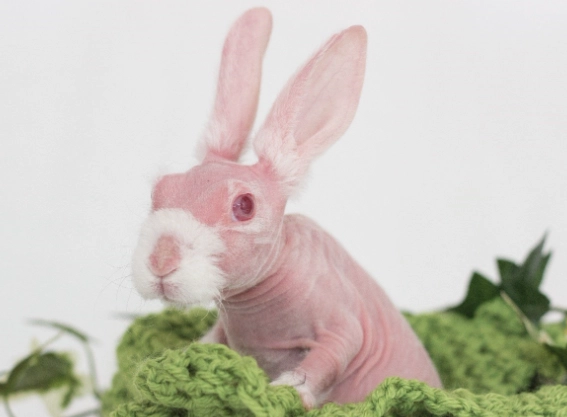
Common Health Issues in Hairless Bunnies
Let’s be honest: hairless bunnies are fragile. Their health problems stack up quickly if you’re not vigilant.
Skin Conditions to Watch For
Dermatitis is a constant threat. Without fur, their skin is exposed to bacteria and allergens. Look out for:
- Sunburn: Even indirect sunlight can burn them. I use pet-safe sunscreen on ears and back.
- Infections: Bacterial or fungal, often in skin folds. Signs include odor or discharge.
- Dryness and cracking: Leads to pain and bleeding. Humidifiers help, but regular moisturizing is key.
My vet once showed me a case where a hairless bunny developed a severe infection from a tiny scratch. Now, I trim their nails weekly and keep surfaces smooth.
Temperature Regulation Problems
Hypothermia and heatstroke are silent killers. Symptoms include lethargy, shivering, or panting. I keep a digital thermometer in the room and check it daily.
In winter, I layer their bedding and use a heated hide. In summer, cooling mats and fans (not directly on them) work. It’s a balancing act—one I messed up early on when Baldy got too warm and stopped eating for a day.
Pro tip: Invest in a pet camera to monitor temperature and behavior when you’re out. It saved me from a crisis when my heater malfunctioned last winter.
Myths and Misconceptions About Hairless Bunnies
There’s a lot of nonsense online. Let’s debunk some myths.
Myth 1: Hairless bunnies are hypoallergenic. False—allergies often come from dander and saliva, not just fur. My friend with allergies still reacted to my hairless bunny.
Myth 2: They’re easier to care for because no shedding. Actually, they’re harder due to skin needs. Shedding is the least of your worries.
Myth 3: All hairless bunnies are unhealthy. Not true—with proper care, they can live full lives. But yes, they’re prone to issues, so vet visits are non-negotiable.
I’ve seen breeders market them as “low-maintenance exotic pets.” That’s irresponsible. They require more work, not less.
Your Questions Answered: Hairless Bunny FAQ
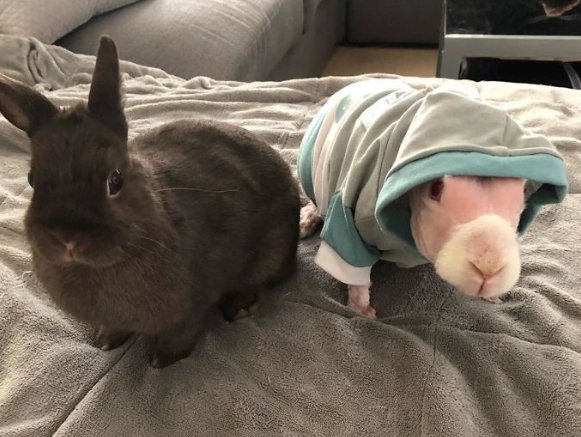
Wrapping up, hairless bunnies are fascinating but demanding. They’re not for beginners or casual owners. If you’re willing to put in the work, they can be rewarding companions—just don’t underestimate their needs. From my experience, it’s a journey of constant learning and adaptation. But seeing a healthy, happy hairless bunny binkying around? That’s priceless.

Comments
Leave a Comment