You've seen the pictures. A wrinkly, soft-looking creature that seems equal parts alien and adorable. The hairless rabbit captures attention instantly. But behind that unique appearance lies a pet with needs that are dramatically different from your average fluffy bunny. I've cared for small mammals for over a decade, and I can tell you, owning a hairless rabbit is a commitment that many enthusiasts stumble into unprepared. This isn't a low-maintenance pet. It's a delicate, temperature-sensitive animal that requires a dedicated owner. Let's strip away the myths and get into the real, practical details of what it takes to give a hairless rabbit a good life.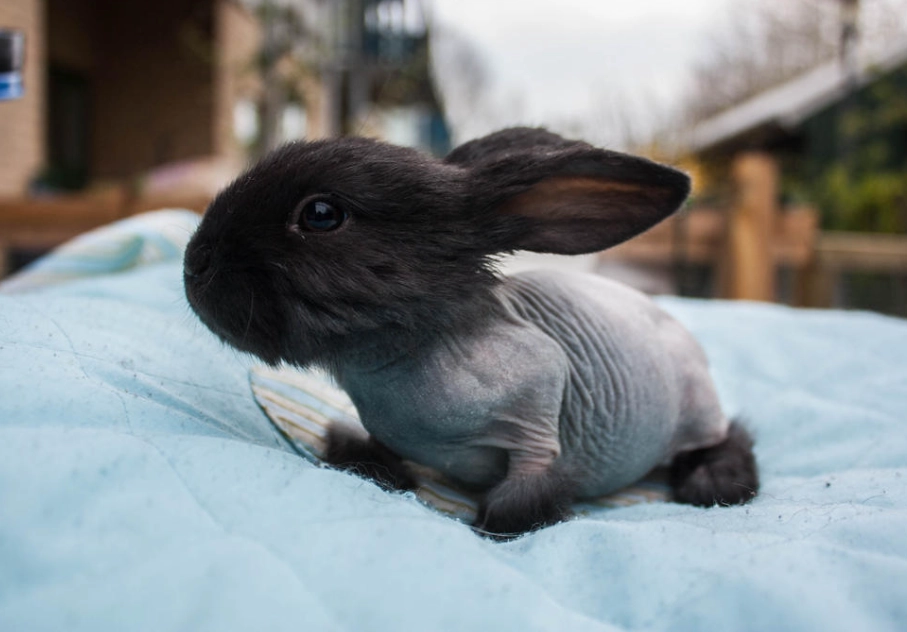
Your Quick Jumpstart Guide
What Exactly Is a Hairless Rabbit?
Most people are referring to the American Hairless Rabbit, a breed recognized by the American Rabbit Breeders Association (ARBA). They aren't shaved; they're born completely hairless due to a recessive genetic mutation. It's crucial to distinguish them from rabbits who have lost fur due to mites, ringworm, or other health issues—a sick rabbit with patchy fur is a veterinary emergency, not a breed.
The mutation affects more than just fur. Their metabolism runs hotter to compensate for the lack of insulation. Their skin is more sensitive, prone to dryness, injury, and sunburn. They lack the protective layer that fur provides against scratches, urine scalding, and even social grooming from other rabbits.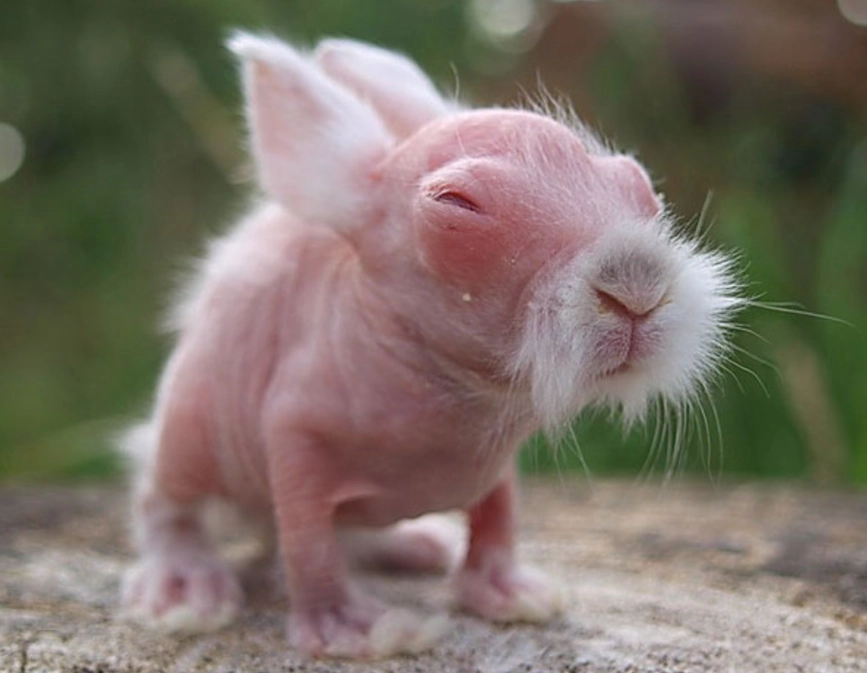
The Non-Negotiable Skin Care Routine
This is the core of hairless rabbit care. Forget the occasional brush; think of their skin like the skin of a newborn baby.
Bathing: Less Is More
You might think they need frequent baths. Wrong. Over-bathing strips their skin of natural oils, leading to cracking, flaking, and infection. A full bath should be a rare event, maybe once a month if they get visibly dirty. Use only a gentle, rabbit-safe, fragrance-free shampoo. The House Rabbit Society is a great resource for vet-approved product recommendations.
Instead, focus on spot cleaning. A soft, damp cloth wiped over soiled areas (like their back end) is daily maintenance. Pat dry completely—no moisture can be left on the skin.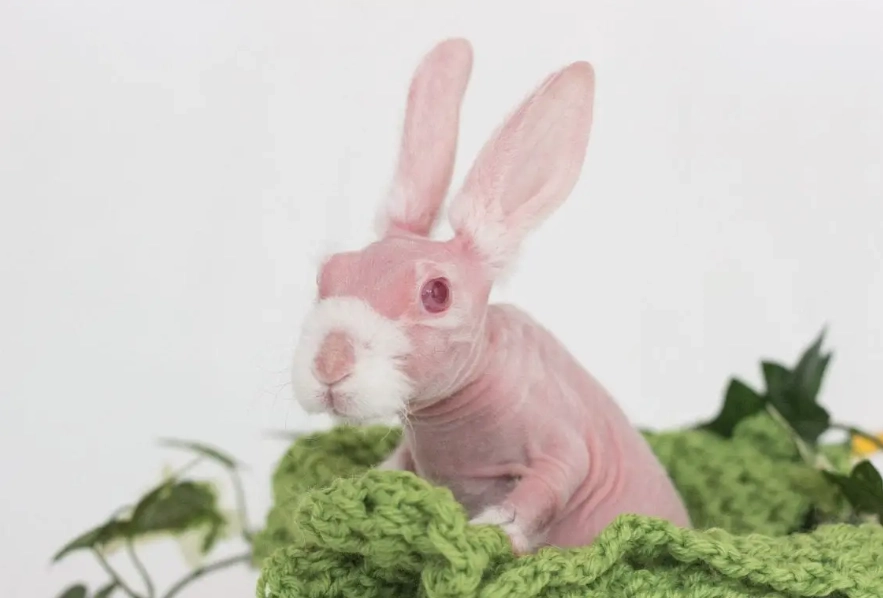
Moisturizing is Mandatory
After a spot clean or bath, apply a thin layer of a safe moisturizer. I've had success with pure, food-grade coconut oil or specially formulated small animal skin creams from exotic pet suppliers. Avoid anything with perfumes, alcohols, or lanolin. Rub it in gently; this prevents the dry, elephant-like skin texture they can develop.
Sun Protection & Injury Prevention
They sunburn in minutes. No direct sunlight without supervision. If they have outdoor playtime, it must be in deep shade and for short periods. Their enclosure must be free of sharp edges, rough wood, or wire flooring. Even a playful scratch from a toy can break the skin.
Diet & Nutrition: Beyond Pellets and Hay
A high-fiber diet is critical for all rabbits, but for hairless ones, the quality of that diet directly impacts skin health and immune function.
| Food Item | Role in Hairless Rabbit Health | Key Consideration |
|---|---|---|
| Unlimited Timothy Hay | Primary fiber source for gut motility. Prevents GI stasis, a major killer. | Must be fresh, dry, and dust-free to avoid respiratory and skin irritation. |
| High-Quality Pellets | Provides concentrated vitamins and minerals. | Choose a brand with at least 18% fiber, low calcium (to prevent bladder sludge). Limit to 1/4 cup per 5 lbs body weight. |
| Fresh Greens | Hydration, vitamins, and enrichment. | Introduce slowly. Romaine, cilantro, basil are good. Avoid iceberg lettuce (no nutrition). Wash thoroughly to remove pesticides. |
| Water | Essential for all bodily functions, including skin hydration. | Provide in both a heavy bowl (better for hydration) and a bottle. Change daily. |
Their faster metabolism means they can't go long without food. Any sign of reduced appetite is a red flag requiring immediate vet attention.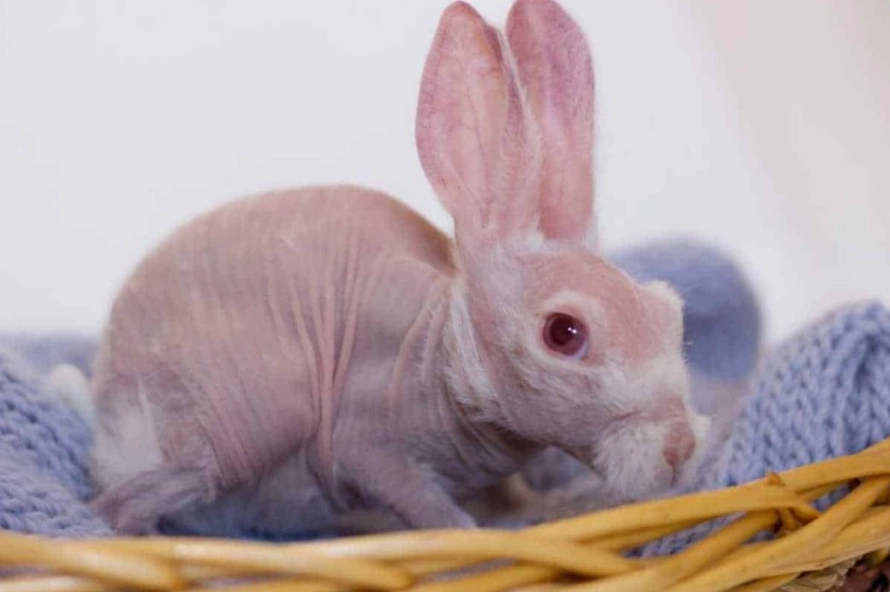
Housing & Environment: Creating a Safe Bubble
Temperature control isn't a luxury; it's a matter of life and death. They cannot regulate their body temperature effectively.
The Ideal Range: 70-75°F (21-24°C). No drafts. No direct air conditioning vents. No spots next to cold windows in winter.
You will need backup plans for power outages. Microwaveable heat pads (wrapped in multiple towels to prevent burns) or Snuggle Safe discs are essential. Never use electric blankets meant for humans, as they can overheat or be chewed.
Bedding: This is where many go wrong. Cedar and pine shavings release phenols that are toxic to rabbits and irritate their sensitive skin and lungs. Aspen shavings are safer, but I prefer thick layers of soft paper-based bedding (like Carefresh) topped with fleece blankets. Fleece is great because it wicks moisture away from the skin, doesn't have loose threads to tangle in, and is washable.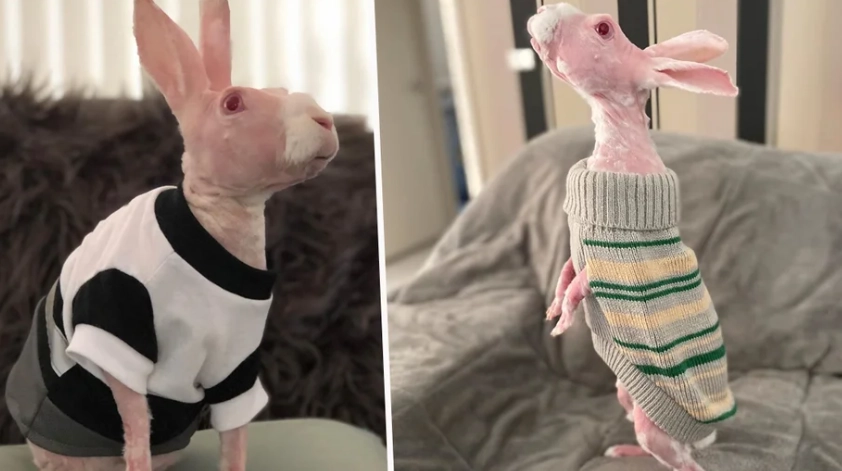
Common Health Problems to Watch For
You need an exotic veterinarian lined up before you bring your rabbit home. Standard cat-and-dog vets often lack the specific knowledge.
- Skin Infections (Pyoderma): The big one. Any small cut, scratch, or fold of skin can become infected with bacteria. Look for redness, swelling, pus, or unusual odor. Requires prompt antibiotic treatment from your vet.
- Urine Scalding: Without fur to wick it away, urine can sit on the skin and cause chemical burns. Keeping their living area immaculately clean and checking their hindquarters daily is key.
- Dental Problems: All rabbits' teeth grow continuously. Provide plenty of hay and chew toys to wear them down naturally. Malocclusion (misaligned teeth) is common and needs regular vet filing.
- Gastrointestinal (GI) Stasis: When the gut slows down or stops. Signs include small, misshapen poops or no poops, hunched posture, and lack of appetite. This is an emergency.
Prevention is everything. A weekly full-body check—gently looking at skin folds, under arms, between toes—can catch issues early.
The Real Cost of Ownership: A Breakdown
Let's talk money, because the initial purchase price is the smallest part.
- Initial Purchase: $150 - $300 from a responsible breeder.
- Startup Supplies (large enclosure, heating pads, fleece, hideouts, bowls): $250 - $400.
- Monthly Ongoing Costs (premium hay, pellets, greens, bedding, skin cream): $60 - $100.
- Annual Veterinary Care (check-ups, preventative care): $200 - $400.
- Emergency Fund: This is non-negotiable. A single bout of GI stasis or a skin infection can cost $500+ to treat. You should have at least $1,000 accessible for vet emergencies.
See what I mean? It adds up fast. They are not a cheap pet to keep healthy.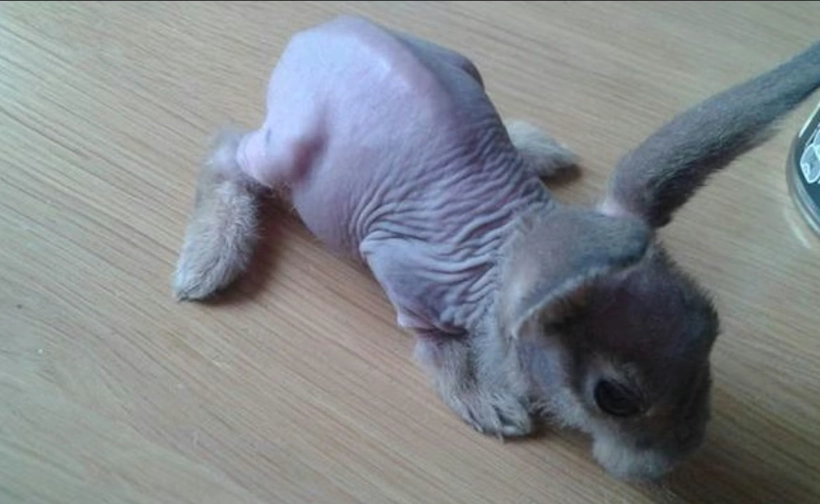
Your Questions Answered
Are hairless rabbits hypoallergenic?
Not entirely. While they lack fur, which is a common allergen, many people are actually allergic to a protein in a rabbit's saliva and dander (skin flakes). Hairless rabbits still produce dander and groom themselves with saliva, so they can still trigger allergies. It's best to spend time with one before committing.
Can a hairless rabbit live with a furry rabbit?
It's possible but requires extreme caution. The main risk is skin injury. A furry rabbit's nails or playful nip can easily tear a hairless rabbit's delicate skin, leading to serious infections. If you attempt bonding, both rabbits must be spayed/neutered, introductions must be incredibly slow and supervised, and the furry rabbit's nails must be kept meticulously short. Many experienced owners advise against it.
How much does a hairless rabbit cost?
Initial costs are high. A hairless rabbit from a responsible breeder typically ranges from $150 to $300. However, the real expense is ongoing: specialized veterinary care (exotic vets cost more), prescription diets, constant climate control (heating pads, no drafts), and specific skin care products. Budget for significantly higher costs than a standard rabbit.
What is the biggest mistake new hairless rabbit owners make?
Assuming they are low-maintenance. The opposite is true. The most common, and dangerous, mistake is not understanding their critical need for constant warmth. A drafty room can lead to fatal hypothermia in hours. Another is using the wrong bedding (cedar/pine shavings are toxic) or over-bathing, which strips essential skin oils. They are a high-commitment pet, not a novelty.
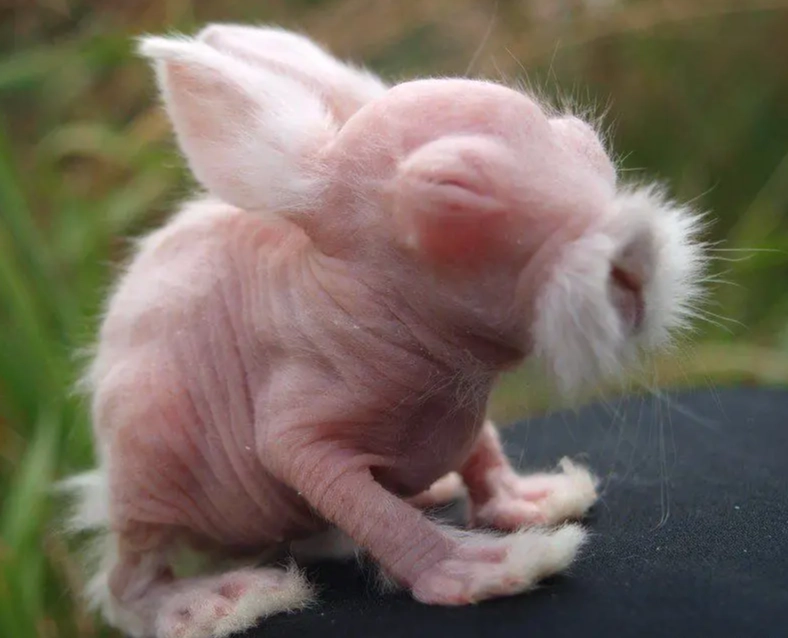 So, should you get a hairless rabbit? If you're prepared for the daily skincare, the strict temperature control, the higher costs, and the need for a specialized vet, they can be incredibly rewarding, affectionate pets. Their unique needs create a deep bond. But if you're looking for a simple, hands-off pet, a standard furry rabbit—or perhaps a different animal altogether—would be a far better choice. Look past the initial "wow" factor and honestly assess your lifestyle. Your future pet's health depends on it.


Comments
Leave a Comment