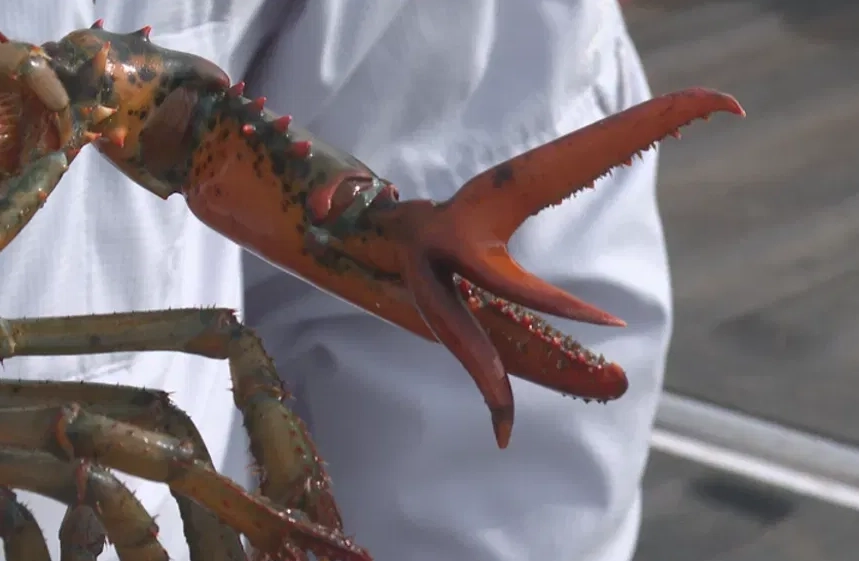
You're wading in a shallow creek, turning over rocks, when you see it. A crustacean, but unlike any crayfish you've seen before. One claw is massive, grotesquely oversized, looking like it belongs on an animal three times its size. That's your first encounter with what anglers and pond owners grimly call the terrible claw lobster. It's not a true lobster, and its reputation swings between fascinating and fearsome. Let's cut through the myths.
This creature is almost always a specific type of non-native crayfish, often the Signal Crayfish (Pacifastacus leniusculus) or the Red Swamp Crayfish (Procambarus clarkii), that has developed one hugely enlarged cheliped (claw). This isn't a birth defect; it's a specialized tool for crushing and fighting. And yes, it can hurt.
What's Inside This Guide
What Exactly is a Terrible Claw Lobster?
First, the taxonomy. It's a crayfish. Calling it a lobster is a colloquialism, a nod to its intimidating appearance. The "terrible claw" phenomenon is primarily seen in male crayfish. They exhibit cheliped asymmetry – one claw becomes a massive, slow-moving "crusher" with rounded, molar-like teeth for breaking snails and mussels, while the other is a smaller, faster "cutter" with sharp edges for slicing.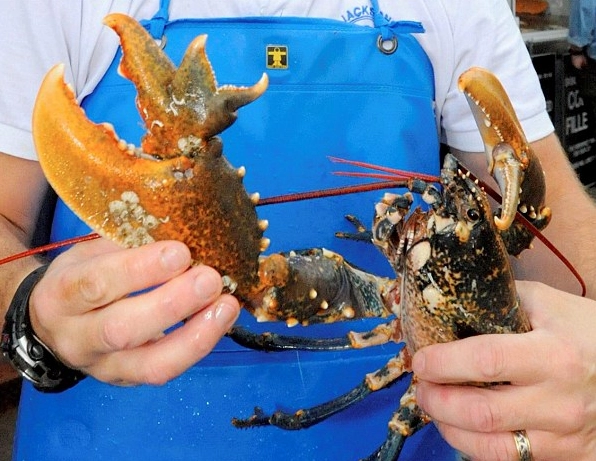
I've kept them in observation tanks. The crusher claw is shockingly powerful. I watched a large Signal Crayfish steadily crack open a freshwater clam that I thought was invulnerable. It didn't smash it; it applied relentless, precise pressure until the shell gave way. That's the force we're talking about.
Where Can You Find Them? (Hotspots & Habitats)
You won't find these in pristine, fast-flowing mountain streams. They thrive in altered environments. Their spread is a story of human movement and ecological disturbance.
- Man-Made Ponds & Lakes: Farm ponds, golf course water hazards, and urban reservoirs are prime real estate. These often have soft banks for burrowing and fewer natural predators.
- Slow-Moving Rivers & Canals: Especially in areas where native crayfish have been wiped out by disease (like the crayfish plague, which these invaders often carry but are resistant to).
- Drainage Ditches & Floodplains: They are incredibly resilient and can tolerate lower water quality, allowing them to colonize marginal habitats.
Geographically, in North America and Europe, they are often invasive species. The Signal Crayfish, native to the Pacific Northwest, has decimated populations across Europe. The Red Swamp Crayfish from the Southern US is now global. Check with your local wildlife agency; many have maps of confirmed infestations. For example, the GB Non-Native Species Secretariat maintains detailed records of Signal Crayfish spread in the UK.
Are They Actually Dangerous?
To humans? Not in a life-threatening way. But let's be practical.
The pinch from a large crusher claw is painful and can break skin. It's a sharp, sudden pressure, like being caught in a pair of pliers. The real risk isn't the pinch itself, but secondary infection from bacteria in the water. I know a fisherman who got a nasty infection after being pinched while removing one from his net.
Their main danger is ecological and to property. Their burrowing, which can be extensive (tunnels over a meter deep), can undermine riverbanks, pond liners, and irrigation levees, causing erosion and structural damage. A pond owner once showed me a section of his bank that had collapsed overnight due to their activity.
The Bigger Problem: Ecological Impact
This is where the "terrible" moniker becomes truly deserved. As invasive species, they are ecosystem engineers in the worst way.
| Impact Area | How the "Terrible Claw" Causes Damage |
|---|---|
| Native Species | Outcompetes and directly preys on native crayfish. Carries the crayfish plague, a fungus-like pathogen fatal to natives. |
| Aquatic Vegetation | Uproots and consumes submerged plants, reducing habitat for fish fry and invertebrates, increasing water turbidity. |
| Invertebrate Populations | Their powerful claws allow them to eat prey native crayfish can't, like large snails and mussels, disrupting food webs. |
| Physical Habitat | Aggressive burrowing destabilizes banks, increases siltation, and alters water flow patterns. |
Once established, they are a nightmare to eradicate. Trapping can control numbers but rarely eliminates them. This is why preventing spread is the number one rule. Never move them between water bodies, and always check, clean, and dry gear (like waders and kayaks) to avoid transferring eggs or juveniles.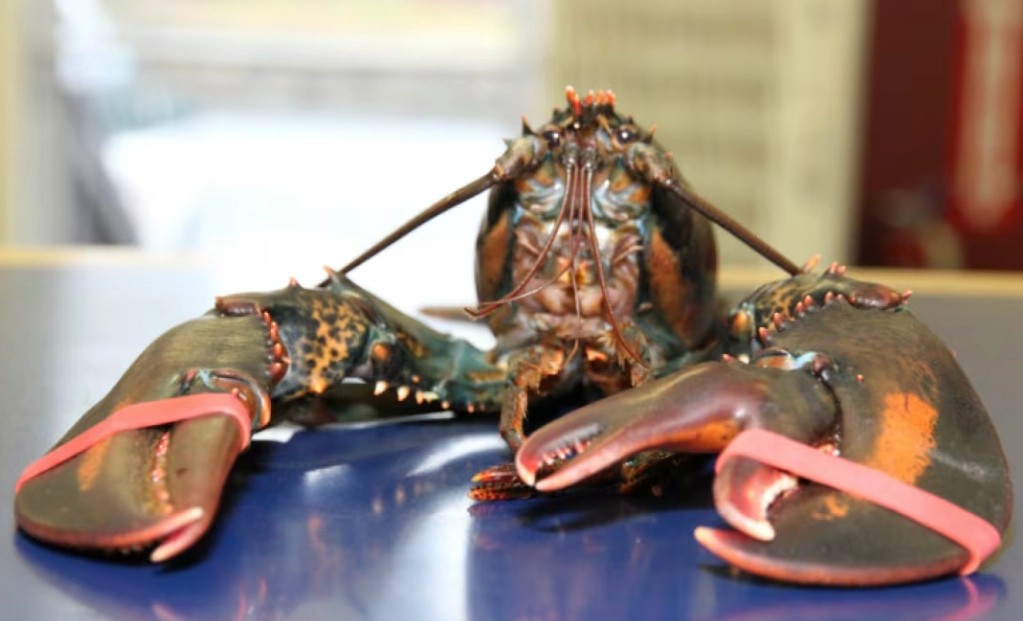
How to Handle and Remove Them Safely
If you need to move one, whether from a trap or your property, here's the method that works without getting pinched.
Essential Gear
- Thick gloves: Not cotton gardening gloves. Use leather or heavy-duty rubberized ones.
- Long-handled dip net: Gives you reach and keeps your hands away.
- Secure bucket with a lid: They are escape artists.
The Step-by-Step Process
1. The Approach: Never approach from the front. Come from behind or the side. Their claws are forward-facing weapons.
2. The Capture: Use the net to swiftly scoop them up from underneath. Don't chase; be decisive.
3. The Handling (if necessary): If you must pick it up, do it immediately after netting. Grasp the crayfish firmly across the back of its carapace (the main shell), just behind where the claws join the body. This immobilizes the claws. They can still flail, but they can't bend the claws back far enough to reach you.
4. Disposal: Check local regulations. Often, the humane and legally required method is to freeze them. Do not release them elsewhere.
I learned the hard way about the "grip from behind" technique. Trying to pick one up like a shrimp from the sides is an invitation for a painful lesson.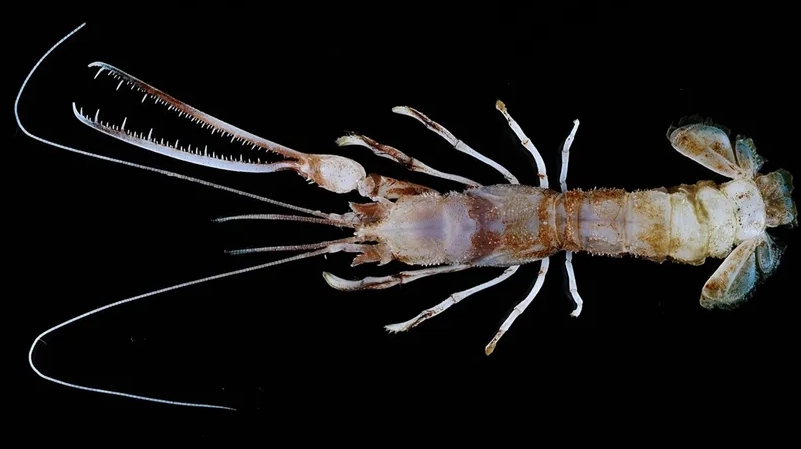
Your Questions Answered
The "terrible claw lobster" is a fascinating example of adaptation turned invasive. That monstrous claw is a masterpiece of natural engineering for crushing and dominance. Respect its power, understand its ecological threat, and you'll see it not just as a oddity, but as a significant player in the delicate balance of our freshwater ecosystems. If you see one, admire it from a distance, report it if it's invasive in your area, and whatever you do, keep your fingers clear.


Comments
Leave a Comment