Let's be honest, the first time you see a Turkey Vulture up close, it's a bit startling. That wrinkled, red, completely featherless head looks like it belongs on a different creature entirely. But that baldness isn't a flaw—it's a masterpiece of evolutionary engineering. Across the globe, from the savannas of Africa to the wetlands of Florida, several bird species have traded head feathers for bare skin. And they've done it for some of the most practical, and frankly, grossly fascinating reasons you can imagine.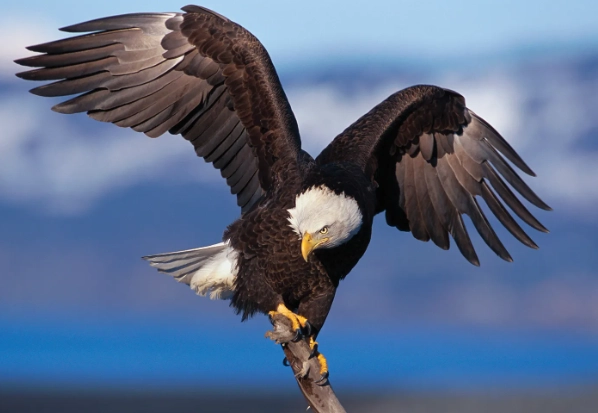
This isn't about one famous bird with a misleading name. We're talking about a whole guild of species where baldness is the key to their survival. If you've ever squinted at a soaring bird wondering "what on earth is that?", understanding the "why" behind the bald head is your first major clue to identification.
What's Inside This Guide
Why Are These Birds Bald? The Science of a Featherless Head
Feathers are incredible for insulation and flight. So why lose them on your head? The answer almost always boils down to one thing: keeping clean in a messy world.
Think about a vulture's lunch. It's not a neat plate of seeds. It's a decaying carcass, full of blood, bodily fluids, and bacteria. Now imagine sticking your feathered head deep into that. Feathers would mat, trap pathogens, and become a breeding ground for trouble. Bare skin, however, is easy to sanitize. After a meal, a vulture can simply stretch out in the sun. The ultraviolet rays act as a natural disinfectant, killing off bacteria that could cause infection—a process completely blocked by feathers.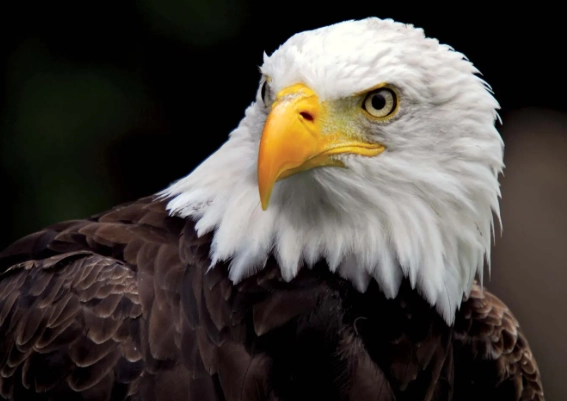
But it's not just about hygiene. For some birds, baldness is about thermoregulation. The Marabou Stork and other large storks often feed in hot, muddy wetlands. A featherless head and neck help them dump excess body heat more efficiently, a critical advantage when you're a massive bird working under a blazing sun. It's like having a built-in radiator.
A Quick Note on the "Bald" Eagle
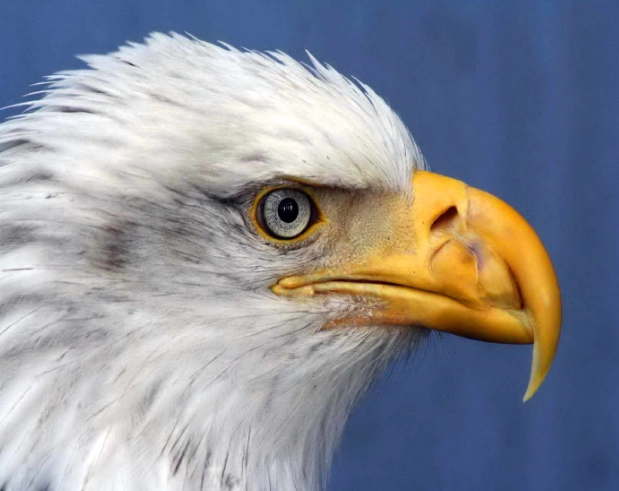
This is the big exception that proves the rule. The Bald Eagle's name comes from the Old English word "balde," meaning white. Its head isn't featherless at all—it's covered in striking white plumage. The baldness is an illusion of color contrast. Juvenile Bald Eagles, however, have mostly dark heads and bodies, which trips up a lot of new birders who expect the iconic white head from day one.
Meet the Bald Bird Lineup: Vultures, Storks & More
Not all bald heads are created equal. The texture, color, and extent of bare skin are your field marks. Here’s a breakdown of the major players.
| Bird | Bald Head Description | Primary Reason for Baldness | Key Habitat/Region |
|---|---|---|---|
| Turkey Vulture | Small, bright red, wrinkled skin; looks almost comically small on large body. | Hygiene (feeding inside carcasses) | Throughout the Americas; open country, roadsides. |
| Black Vulture | Grayish-black, wrinkled skin; darker than Turkey Vulture's. | Hygiene (often feeds on softer tissues first) | Southeastern US to South America; more social than Turkey Vulture. |
| California Condor | Orange, fleshy, with limited feathering; can flush with color during displays. | Hygiene & possibly visual signaling | Critically endangered; reintroduced in CA, AZ, UT canyons. |
| Wood Stork | Dark gray, scaly-looking head and neck; thick, downcurved bill. | Hygiene (probes in muddy water) & Thermoregulation | Freshwater marshes in SE US, especially Florida. |
| Marabou Stork | Pinkish, bald head and neck with a fleshy throat pouch. | Thermoregulation & Hygiene (scavenger) | Sub-Saharan Africa; often near villages and landfills. |
I remember guiding a birdwalk in Florida's Everglades. A participant pointed to a distant, tall, dark shape and whispered, "Is that a vulture?" It was a Wood Stork, standing statue-still in the water. The mistake is common—both are large, dark, and have bald heads. But the stork's posture and habitat (knee-deep in water vs. soaring in the sky) give it away. The bill shape is the dead giveaway: stout and hooked for tearing vs. long and sensitive for feeling prey.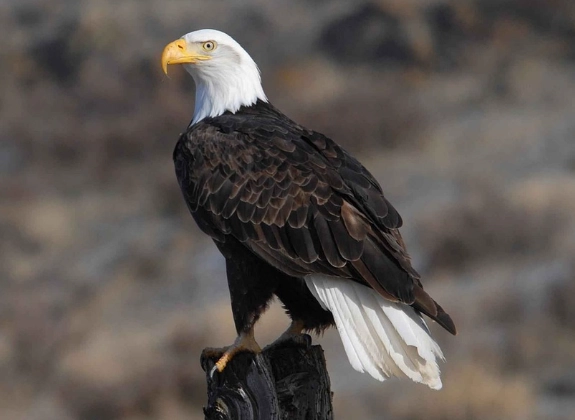
The Surprising Case of the Bald Ibis
Some birds, like the Northern Bald Ibis, have bald heads primarily for display. The bright red skin contrasts sharply with dark feathers, making their head-bobbing courtship rituals more visually striking. It's a reminder that evolution can repurpose a trait. While cleanliness might have been the initial driver, it later became a billboard for attracting mates.
The Dirty Job: Why We Desperately Need Bald Birds
This is the part most people miss. We see a vulture and think "ew, scavenger." What we should think is "thank you, sanitation crew."
Bald-headed scavengers like vultures are nature's most efficient cleanup service. A group of vultures can reduce a large carcass to bones in under an hour. This does two vital things: it prevents the spread of diseases like anthrax and botulism from rotting flesh, and it cycles nutrients back into the ecosystem at lightning speed.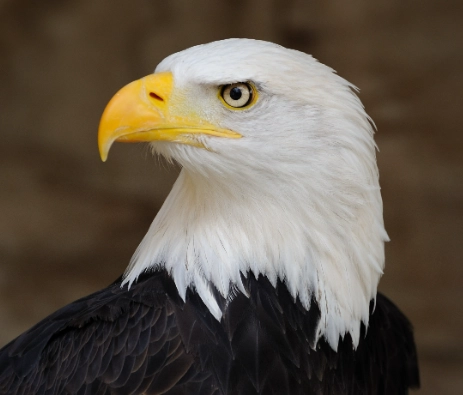
The crisis in parts of Asia and Africa tells the story. After the veterinary drug diclofenac caused mass vulture die-offs in India, feral dog populations exploded. This led to a surge in rabies cases, costing billions in healthcare. The absence of these bald birds created a public health nightmare. Their ecological role isn't just interesting—it's foundational.
Their digestive systems are biological marvels. Vulture stomach acid has a pH close to 1, strong enough to dissolve bone and neutralize pathogens like cholera and rabies that would kill other animals. That bald head is the first step in a process that ends with a sterilized digestive tract.
Spotting Bald Birds: A Practical Guide for Birdwatchers
So you want to see one? Here’s how to move from curiosity to a confirmed sighting.
Start with Location:
- Turkey & Black Vultures: Almost anywhere in the Americas. Drive rural roads at midday, look for large, dark birds soaring in circles with wings held in a shallow "V" (Turkey) or flat with quick flaps (Black). Check fence posts and dead trees.
- Wood Stork: Southeastern US wetlands. Visit wildlife refuges like the Everglades National Park (Florida) or Okefenokee Swamp (Georgia) from late fall to spring. Look for them wading slowly in shallow water.
- California Condor: A dedicated trip. Prime viewing is at the Grand Canyon National Park (Arizona) or Pinnacles National Park (California). Join a ranger-led talk; they often know recent perching spots.
Gear & Timing: You don't need fancy gear. A decent pair of 8x42 binoculars is perfect. For vultures, late morning to afternoon is best when thermals (rising warm air) are strong for soaring. For storks, early morning in wetlands can be magical.
The Biggest Mistake New Birders Make: They identify based on a single trait—"bald head = vulture." You must look at the whole picture: silhouette in flight, habitat, behavior, and bill shape. A soaring stork looks completely different from a soaring vulture; its neck is outstretched, not tucked in.
Use resources from the Cornell Lab of Ornithology. Their Merlin Bird ID app is free and fantastic. Your state's Audubon society website will have local sightings and hotspots.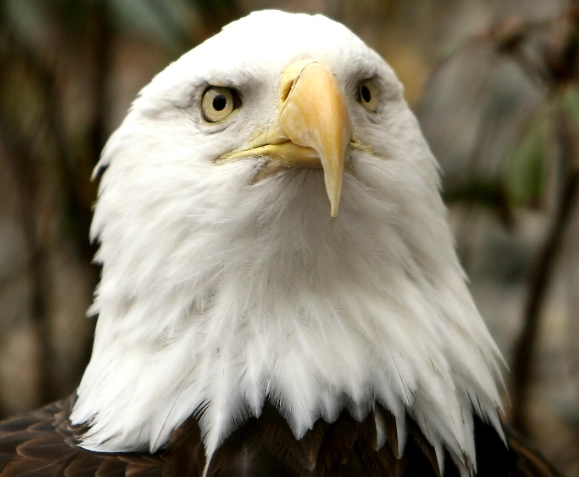
Next time you see that bare-headed silhouette against the sky, you'll see more than just a strange-looking bird. You'll see a perfectly adapted specialist, a crucial cog in the ecosystem's machinery, and a testament to evolution's pragmatic brilliance. Grab your binoculars, and go appreciate nature's most efficient, and surprisingly elegant, cleanup crew.
Comments
Leave a Comment