You've seen the photos. A butterfly with wings so clear you can see the leaves behind it. It looks like a trick, a photoshop job. But the Greta oto, commonly called the glasswing butterfly, is very real. And most articles get it wrong. They call it "invisible" or "fragile," stopping at the wow factor. Let's go deeper.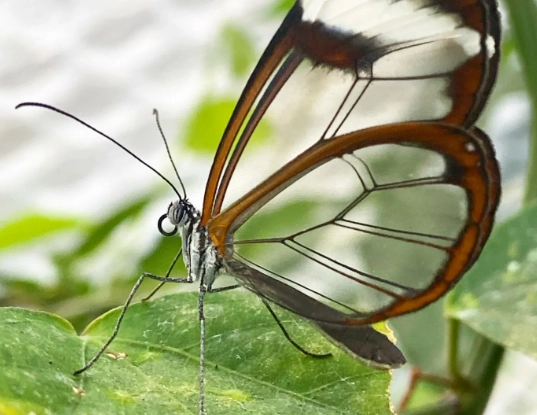
What You'll Find Inside
How the "Glass" in Glasswing Actually Works
It's not magic, it's nanostructures. Butterfly wings are covered in tiny scales. On most butterflies, these scales are packed with pigments that absorb specific light wavelengths, giving us color. On the transparent parts of the Greta oto's wings, the scales are shaped differently and spaced far apart.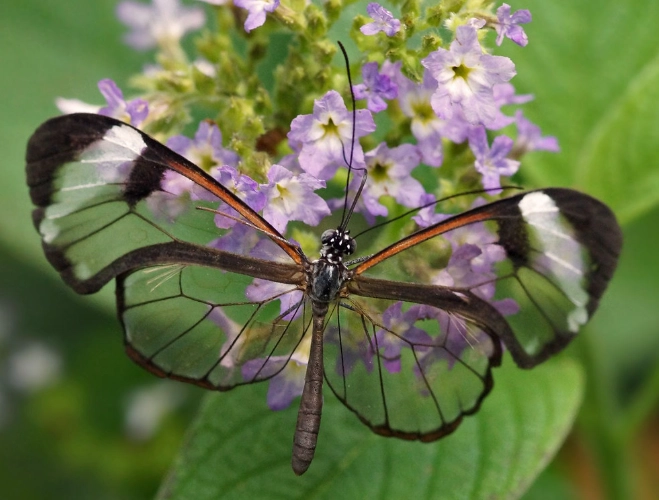
Think of a standard roof shingle versus a glass skylight. The shingles (normal scales) overlap densely, blocking the view. The skylight (glasswing scales) has wide gaps. More crucially, the surface of these specialized scales has a random nanostructure that dramatically reduces light reflection. When light hits it, instead of bouncing back to your eyes (which makes something visible), it passes through or scatters.
The Poison Connection: A Two-Part Defense System
The clear wings are just half the story. Greta oto caterpillars feed on plants in the nightshade family (genus Cestrum), which are toxic. The caterpillars store these toxins, making themselves—and subsequently the adult butterflies—unpalatable to predators.
So the defense is layered: Primary defense: Transparency and disruptive camouflage to avoid being noticed. Secondary defense: If a naive bird does take a bite, the foul taste teaches it a lesson, benefiting all glasswings that bird encounters later. This dual strategy is incredibly efficient.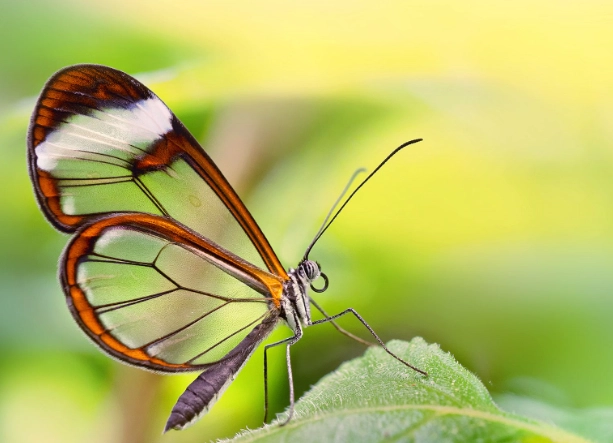
Habitat & Behavior: Where and How to Spot Them
Forget meadows. The glasswing is a creature of the Neotropical rainforest, ranging from Mexico through Central America down to Colombia. They thrive in the understory, where dappled light makes their camouflage most effective.
I spent a week in Costa Rica's Monteverde region specifically looking for them. The guide, a local who'd been leading tours for 20 years, said the trick is timing and light. "Mid-morning, after the dew burns off but before the heavy afternoon rain," he told me. "Look along forest trails near clearings, not deep in the dark jungle."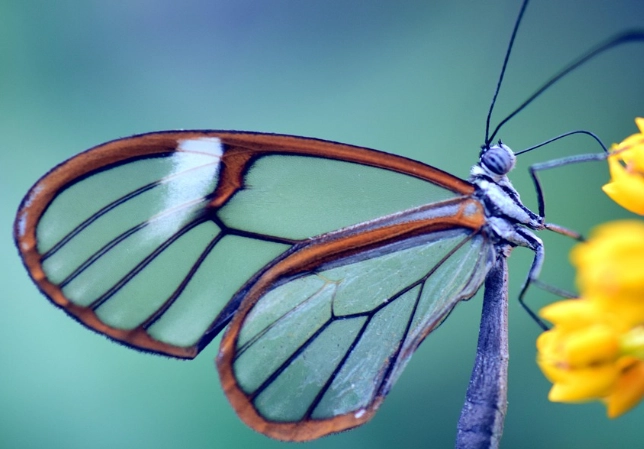
He was right. We found them not by looking for a butterfly, but by looking for a flicker—a slight, shimmering movement as they flapped near the white or blue flowers they prefer, like Lantana. They are surprisingly fast, direct fliers when moving between feeding spots.
Prime Locations for Observation:
- Costa Rica: Monteverde Cloud Forest, Tortuguero National Park, and La Selva Biological Station. Many established butterfly gardens here have dedicated enclosures for them.
- Panama: The Pipeline Road area in Soberanía National Park is famous for its diversity, including Greta oto.
- Butterfly Conservatories: If reliability is key, places like the Smithsonian Butterfly Habitat Garden (when they feature Neotropical species) or specialized conservatories in Florida and California often cultivate them in controlled exhibits.
From Egg to Adult: The Lifecycle Most Sites Skip
The entire life cycle is adapted to their toxic host plants. The female butterfly carefully lays her tiny, pale green eggs on the underside of Cestrum leaves. The caterpillar that emerges is not what you'd expect.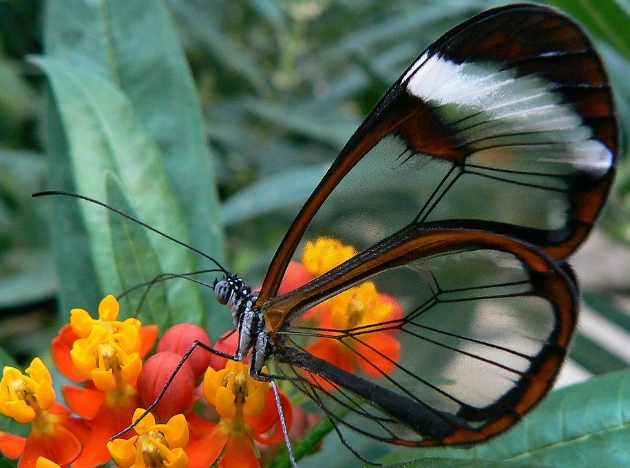
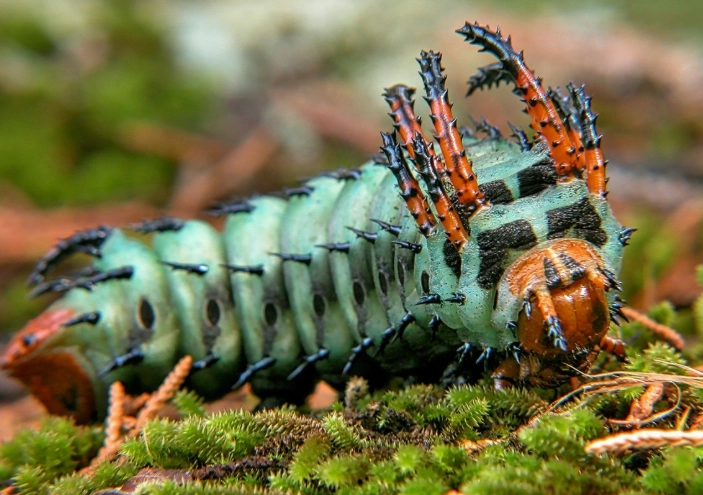
It's a translucent green with vivid, dark purple stripes and dramatic, spiny protrusions. It looks dangerous—a warning sign (called aposematic coloration) that screams "I'm toxic, don't eat me." This bold look is the complete opposite of the adult's cryptic strategy. The caterpillar wants to be seen and remembered.
After going through several growth stages (instars), it forms a chrysalis that resembles a hanging, jeweled droplet—silvery-green and reflective. In about 10-14 days, the adult glasswing emerges. Its wings are initially small, soft, and filled with fluid. It takes several hours for them to expand and harden into the famous transparent panes.
Are They Endangered? The Conservation Truth
As of now, the Greta oto is not listed as endangered on a global scale (like the IUCN Red List). Its range is relatively wide. However, that's not the full picture.
Their primary threat is habitat loss. Rainforest clearance for agriculture and development fragments their world. They are forest-dependent; they don't adapt well to open farmland or urban areas. The loss of specific Cestrum host plants directly impacts their ability to reproduce.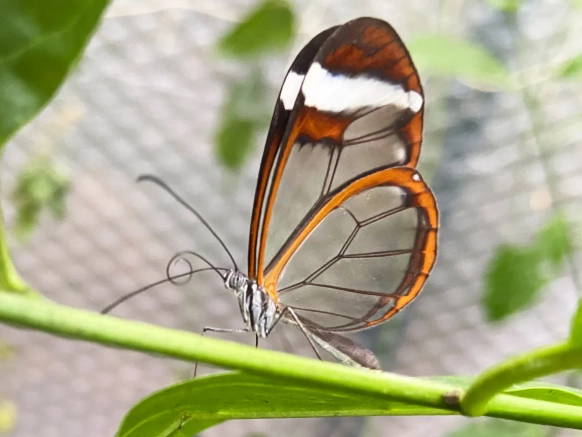
There's also pressure from the live specimen trade for butterfly houses and collectors. While many are now farmed sustainably for this purpose, illegal collection from the wild still occurs. Supporting ethical conservatories that source from reputable breeders is key.
Their conservation status is a reminder that a species doesn't have to be "endangered" to be vulnerable and worth protecting. The health of Greta oto populations is a good indicator of the health of their rainforest ecosystem.
Comments
Leave a Comment