Let's be honest. When you think of a bat, you probably picture something small, furry, and maybe a little cute with big ears. But then you see a picture of a hammer-headed bat. Or a wrinkle-faced bat. Your first thought isn't "cute." It's more like, "What on earth is that, and why does it look like that?" I've spent years tracking mammals in the tropics, and I still do a double-take sometimes. Calling them "ugly" is our human bias talking. In reality, these bizarre faces are masterpieces of evolutionary engineering. They're not flawed; they're perfectly adapted to a life we can barely imagine.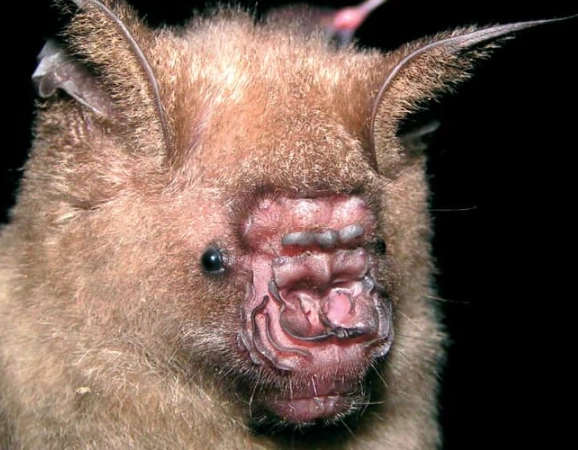
What’s Inside?
Meet the 'Ugly' Contenders: A Field Guide
Forget the vampire bat. These are the species that truly redefine bat aesthetics. If we're judging by conventional human standards, here's who makes the list.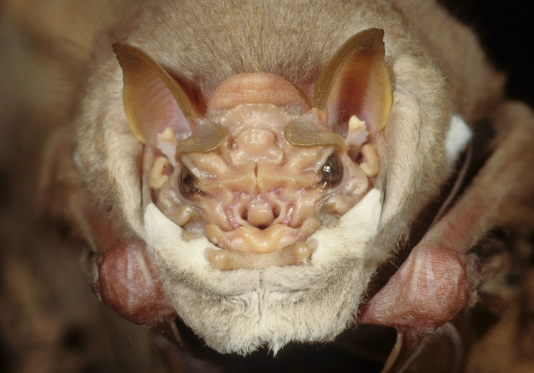
| Species (Common Name) | The 'Ugly' Feature | Habitat & Diet | Conservation Status |
|---|---|---|---|
| Hammer-headed Bat (Hypsignathus monstrosus) |
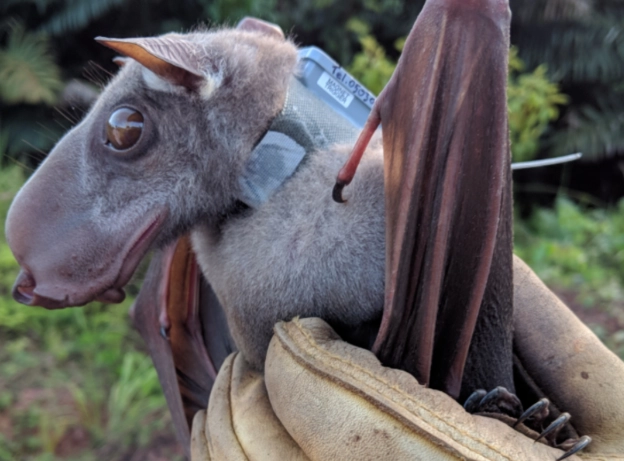
Males have an enormous, boxy head and snout, oversized lips, and a flappy lower lip. It looks like a failed taxidermy project. | Central & West African rainforests. Fruit eater (figs are a favorite). | Near Threatened (IUCN). Habitat loss is the main issue. |
| Wrinkle-faced Bat (Centurio senex) |
A hairless face covered in deep, complex wrinkles and folds. It can pull skin over its mouth like a mask. | Central & South America, from Mexico to Peru. Fruit eater. | Least Concern, but rarely seen. |
| Naked Bat (Cheiromeles torquatus) |
Almost completely hairless, with dark, leathery skin. It has large, starkly white wing membranes and looks vaguely skeletal. | Southeast Asia. Insectivore, often roosting in tree hollows or rock crevices. | Near Threatened. Deforestation and hunting pressure. |
| Bulldog Bat (Noctilio leporinus) |
Has full, puffy cheeks and lips, with a pronounced bump on its snout. It looks perpetually grumpy and swollen. | Latin America and the Caribbean. Fish-eater, skimming water surfaces. | Least Concern. |
See that "Conservation Status" column? That's the real ugly truth. A weird face is one thing; disappearing forever is another. The hammer-headed bat's "Near Threatened" status on the IUCN Red List is a quiet alarm bell.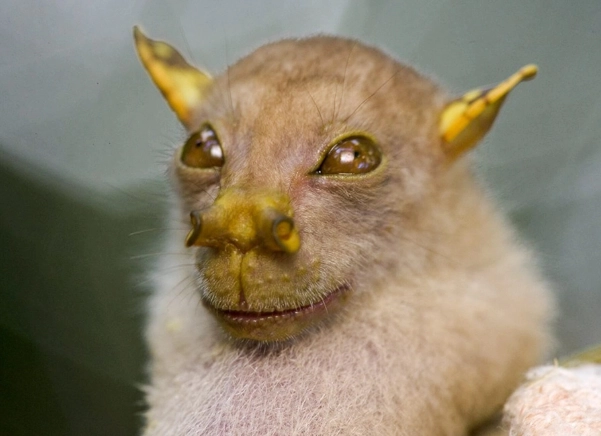
I remember the first time I heard a hammer-headed bat lek. Not saw it, heard it. In a swampy forest in Ghana, the sound was this deep, metallic "bong... bong..." echoing. It took our guide twenty minutes to pinpoint the tree. You look up, and there's this creature that seems assembled from spare parts, honking like a broken car horn to attract females. You stop thinking "ugly." You start thinking "incredible."
Why That Face? The Science Behind the Strange Looks
Nothing in nature is random, especially not a face that seems to defy logic. Every bump, wrinkle, and flap has a job. Here’s the breakdown.
It’s All About Sound (Echolocation)
For many bats, facial features are sound manipulation tools. The nose leaves, flaps, and grooves around the nose and mouth of many species act like acoustic lenses. They shape and focus the beams of ultrasonic clicks bats use to "see." The wrinkle-faced bat’s folds? They’re likely a complex system for directing its echolocation calls with extreme precision, helping it navigate dense foliage to find fruit. Calling it ugly is like calling a satellite dish ugly—you're missing the point of its design.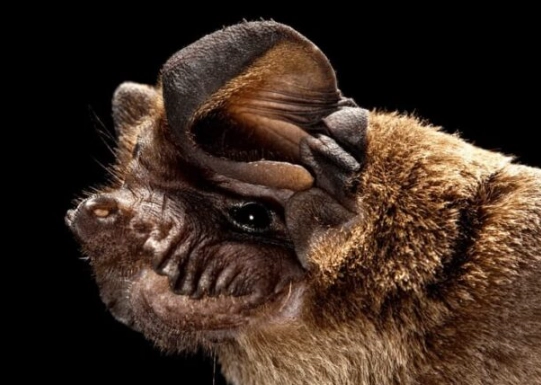
Sexual Selection Run Amok
This is the hammer-headed bat's story. Females are relatively normal-looking. Males evolved that massive head because it houses oversized vocal chambers. The bigger and more resonant the honk, the more attractive he is to females. It's the bat equivalent of a peacock's tail—cumbersome, risky, but irresistible to mates. Evolution doesn't care about our beauty standards; it cares about who gets to pass on genes.
Specialized Diets Require Specialized Tools
The bulldog bat's puffy cheeks and lips help it create a pouch to temporarily hold fish it snatches from the water. The naked bat's lack of fur might help it stay clean in muddy roosts or regulate temperature. Form follows function, even when the function is "catching fish in the dark" or "living in a gooey tree hole."
A Common Mistake: New wildlife enthusiasts often assume a bizarre face means a bat is aggressive or a vampire. In over a decade, I've never seen one of these "ugly" species show interest in humans. They're too busy finding fruit, echolocating through forests, or, in the hammerhead's case, trying to sing for a mate. The danger is in the assumption, not the animal.
Beyond the Looks: Why These Bats Matter
Judging them on looks is like reviewing a book by its cover and missing a Pulitzer-winning story inside.
These bats are critical ecosystem players. The fruit-eating ones, like the hammer-head and wrinkle-face, are long-distance seed dispersers. They swallow fruit, fly miles, and deposit the seeds in new locations with a handy packet of fertilizer. They're forest gardeners on a continental scale. Lose them, and you disrupt the regeneration of vast rainforest tracts. The insect-eating naked bat controls pest populations. Their value is ecological, not aesthetic.
Yet, they face the same threats as their cuter cousins: habitat destruction, climate change shifting food sources, and sometimes direct persecution because people fear their unusual appearance. Conservation efforts often focus on charismatic species. The "ugly" bats need advocates too, precisely because they don't win popularity contests.
How (and Why) to See Them Safely
You won't find these bats in your backyard. Seeing them is a project. But it's worth it.
- Location, Location, Location: You need to go where they live. For hammer-headed bats, that means planning a trip focused on West or Central African rainforests (think Ghana, Uganda, or the Congo Basin). For wrinkle-faced bats, Central American eco-lodges in Costa Rica or Panama are your best bet. Research specific lodges known for bat diversity.
- Timing is Everything: Go during the right season. Fruiting seasons for key trees (like figs) are bat magnets. Local guides know these cycles. The hammer-headed bat's mating leks are most active in rainy seasons.
- Hire a Local Expert Guide: This is non-negotiable. A good guide knows specific roost trees, flight paths, and uses ethical observation practices (like red-light torches that don't disturb bats). They're your translator for the night world.
- Ethics First: Never handle a bat. Keep a respectful distance. Do not use flash photography. Your goal is to observe without altering their behavior. Organizations like Bat Conservation International have great guidelines for responsible bat watching.
It's not a zoo visit. It's slow, patient, and sometimes you see nothing. But when you do, it changes you. You're not looking at an ugly animal; you're looking at a million years of perfect adaptation.
Your Questions on Ugly Bats, Answered
So, the next time you see a photo of an "ugly bat," pause. That face is a story. A story of sound, sex, survival, and a job only it can do in the dark heart of a forest. In the economy of nature, that's not ugly. That's absolutely essential.

Comments
Leave a Comment