Quick Navigation
- The Rainbow on Your Plate: Common Lobster Colors
- The Science Behind the Shell: Why Lobsters Aren't Just Red
- Rarities of the Deep: Unbelievable Lobster Color Mutations
- From Ocean to Pot: How Cooking Changes Lobster Colors
- Your Lobster Color Questions, Answered
- Beyond the Shell: Color as a Health and Freshness Indicator
You know that classic image of a lobster, right? Bright red, steaming on a plate, maybe with some drawn butter. It's everywhere. But if you've ever been to a really good fish market or seen lobsters in a tank, you might have done a double-take. Wait, is that one... blue? And that other one looks kinda muddy green. What's going on there?
I remember the first time I saw a photo of a bright blue lobster. I honestly thought it was Photoshopped. A marketing gimmick for some aquarium. Then I started digging, and the world of lobster colors blew my mind. It's way more fascinating than just a cook's transformation from dark to bright red. We're talking genetics, diet, proteins, and some seriously rare odds that make finding a blue lobster feel like winning a weird, crustacean-themed lottery.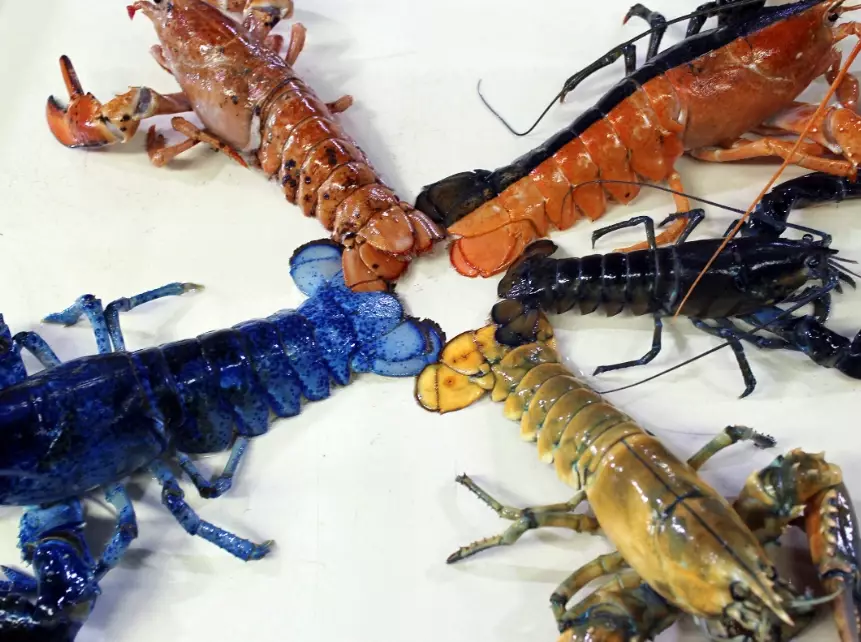
So let's clear it all up. What do different lobster colors mean? Are they safe to eat? Do they taste different? And just how rare is that cotton candy-colored lobster you saw on Twitter? This is your no-nonsense, deep-dive guide into the rainbow hidden beneath the waves.
The Rainbow on Your Plate: Common Lobster Colors
Most people think lobsters are red. In the wild, alive and kicking on the ocean floor, that's almost never true. The color you see in a live, uncooked lobster is its "base coat," and it's all about camouflage.
Olive Green / Mottled Brown: This is the MVP, the standard issue. The vast, vast majority of American lobsters (Homarus americanus) you'll find from Maine down to the Carolinas sport this look. It's a perfect blend for hiding among rocks, seaweed, and the muddy seafloor. Think of it as ocean-floor chic. The exact shade can vary a lot—some are more green, some are almost black, others have specks of blue or orange. It's a messy, effective disguise.
Bluish-Green Tinge: You'll often see this, especially around the joints and underbelly. It's not the full-on "blue lobster" (we'll get to that superstar), but a hint. This is a little preview of the color magic happening in their shell, which we're about to unpack.
Then, of course, there's the famous Bright Red. But here's the kicker—that's almost exclusively the color of a cooked lobster. It's the end result, not the starting point. Seeing a live, bright red lobster in the wild is extraordinarily rare (it's a genetic condition called erythrism). When you see red, you're usually looking at dinner.
Why does this matter? Well, if you're buying live lobster, knowing the normal range of lobster colors helps you pick a healthy one. A vibrant, dark greenish-brown lobster is usually a good sign. Paleness or unusual spots can sometimes indicate health issues, but often it's just genetics being creative.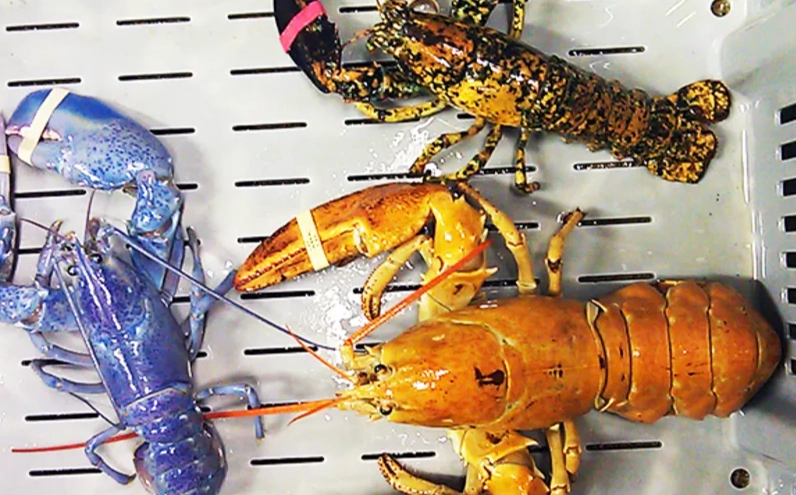
The Science Behind the Shell: Why Lobsters Aren't Just Red
Okay, let's get into the nerdy stuff, because it's actually cool. Lobster shell color isn't from a single pigment. It's a cocktail, and the main ingredient is a pigment called astaxanthin.
Astaxanthin is a carotenoid, the same family that gives salmon its pink flesh and flamingos their color (they get it from their diet, too). Lobsters can't make astaxanthin themselves. They get it from their diet—munching on algae, small fish, and other critters that have either produced or consumed the pigment.
Here’s where it gets interesting. In its free form, astaxanthin is red. But in a lobster's shell, it's almost never free. It binds tightly to special proteins. The type of protein it binds to changes the color we see.
In a typical greenish-brown lobster, the astaxanthin is bound to a protein called crustacyanin. This complex absorbs light in a way that reflects that familiar muddy green/brown color, perfect for hiding. When you cook a lobster, the heat denatures (unfolds) the crustacyanin protein. It lets go of the astaxanthin. Once free, the astaxanthin pigment shows its true, vibrant red color. That's why all lobsters, regardless of their live color, turn red when cooked (with one very rare exception we'll cover).
So, when we talk about rare lobster colors like blue or yellow, we're really talking about genetic variations that affect these shell proteins. The lobster is still eating astaxanthin, but its body processes or binds it differently.
For the latest and most detailed research on crustacean pigmentation, the work from institutions like the University of Maine's School of Marine Sciences is a great resource. They've been studying lobster biology for decades.
Rarities of the Deep: Unbelievable Lobster Color Mutations
This is the fun part. Genetic quirks can lead to some astonishing lobster colors. These are the celebrities of the crustacean world, often saved from the pot and donated to aquariums because they're so unusual.
Let's break down the rarest lobster colors you might hear about. I've put together a table because it's easier to see just how crazy the odds are.
| Lobster Color | Estimated Rarity | Primary Cause | What Happens When Cooked? |
|---|---|---|---|
| Blue Lobster | 1 in 2 million | Genetic defect causing an overproduction of a particular protein that binds with astaxanthin to create a blue complex. | Turns red like a normal lobster. The blue protein is still denatured by heat. |
| Yellow Lobster ("Golden" or "Orange") | 1 in 30 million | Genetic mutation where the shell lacks most blue proteins, and the astaxanthin is present in a different, unbound or partially bound form. | Will also turn red or orange-red when cooked. |
| Albino ("Crystal" or "White") Lobster | 1 in 100 million | Complete lack of pigments, including astaxanthin. A true genetic albino. | Stays white or translucent when cooked. The one exception to the "all-turn-red" rule. |
| Cotton Candy / Calico Lobster | 1 in 100 million | A split-color condition, often blue and orange/pink on opposite sides. Caused by cellular division abnormalities. | The colored halves will each turn red, often resulting in a uniformly red lobster. |
| Half & Half (Chimera) | Extremely rare, no firm odds | Result of two fertilized embryos fusing. Genetically two lobsters in one, reflected in a stark color split down the middle. | Likely turns red, though it's so rare few have been cooked! |
Seeing a blue lobster is a thrill. I've only ever seen one in person at an aquarium, and the color is surreal—like a cobalt crayon. But the yellow ones? They look almost fake, like someone dropped a plastic toy in the tank. The albino lobster is the holy grail for rarity. It's not just white; it's often translucent. You have to wonder how something that visible survives on the seafloor at all. Predation must be a constant issue.
There's a bit of debate online about the exact odds. Some sources say 1 in 2 million for blue, others say 1 in 5 million. The Maine Department of Marine Resources often cites the 1 in 2 million figure based on lobstermen reports over years. The rarer the color, the fuzzier the estimate becomes. Finding a 1-in-100-million lobster is like a fisherman's tall tale come true.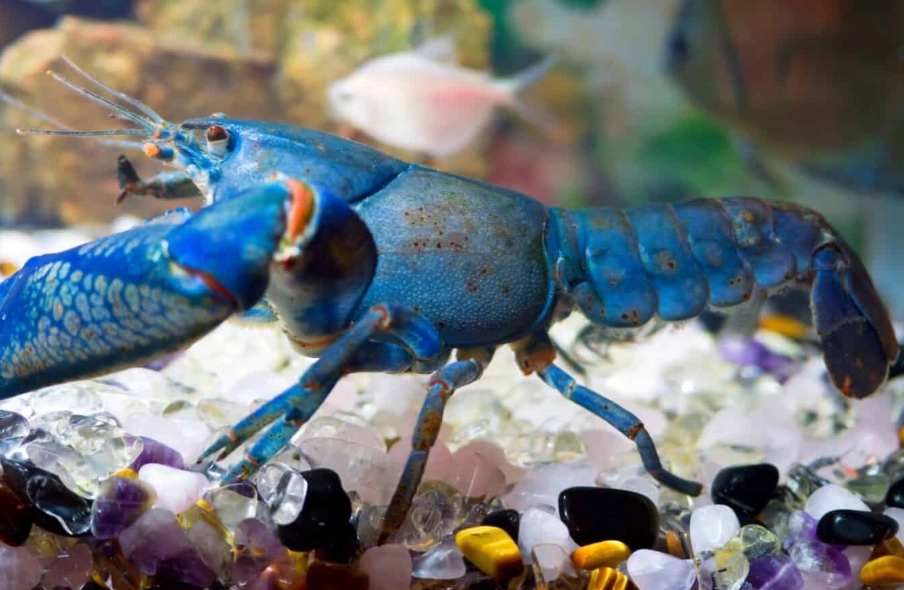
But What About Taste?
This is the million-dollar question everyone secretly wants to ask. If I spend a fortune on a mythical blue lobster, will it taste better?
Probably not.
From everything marine biologists and seasoned lobstermen say, the color mutation affects the shell, not the meat. The meat itself comes from the muscle and the tonalli (that green stuff, the liver/pancreas). Its quality is determined by diet, age, molting cycle, and how it's stored and cooked—not shell pigment genetics.
A blue lobster feeds on the same stuff as its brown cousin. Its meat should taste identical. The real value is in its rarity, not its flavor profile. Most of these rare finds end up in educational aquariums for the public to enjoy, which is honestly a better fate than a pot of boiling water.
From Ocean to Pot: How Cooking Changes Lobster Colors
We've touched on this, but let's make it crystal clear because it causes so much confusion. The cooking process is a chemistry experiment that standardizes lobster colors.
- The Heat Hits: When you boil or steam a lobster, the intense heat (usually 212°F/100°C) starts to break down the complex proteins in the shell, like crustacyanin.
- The Protein Unfolds: As the protein denatures, its structure changes. It can no longer hold onto the astaxanthin pigment in the same way.
- True Colors Revealed: The astaxanthin is released from its protein bond. Once free, this pigment reflects red light. Voilà! Your green, blue, or mottled lobster transforms into the iconic, uniform bright red.
This is why you can be confident you're not being tricked when you buy a live lobster that looks dark and muddy. The red is the proof of doneness. If you pull a lobster out of the pot and it's still patchy or dark in places, it likely means the heat hasn't fully penetrated and denatured the proteins in those spots yet. Give it more time.
The one and only exception, as noted, is the true albino lobster. No astaxanthin, no color change. It will cook to an opaque white. I've never cooked one, and I doubt I ever will, but chefs who have describe it as a slightly eerie experience.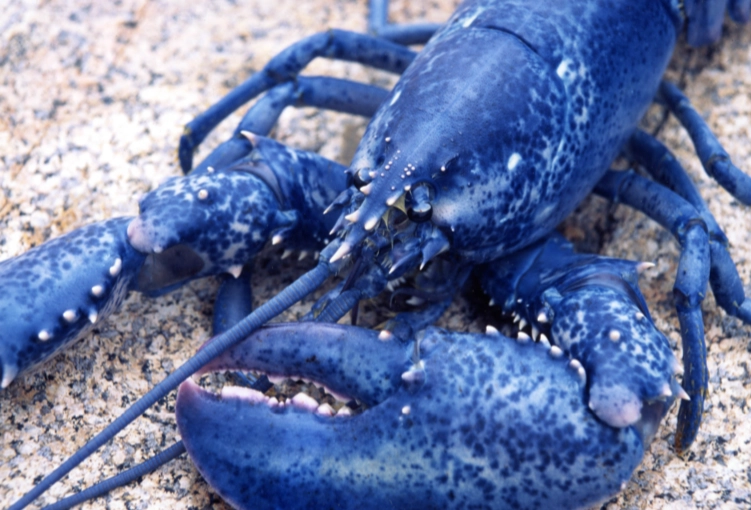
Pro Tip for Home Cooks:
Don't rely solely on color to check if your lobster is done. The red color is a good visual cue, but the most reliable method is to check the internal temperature. The meat in the tail should reach 135-140°F (57-60°C). Also, the tomalley (the green stuff) will be firm, and the meat will be opaque, not translucent.
Your Lobster Color Questions, Answered
I get it. You've got specific questions. After reading forums and talking to folks, here are the most common things people want to know about lobster colors.
Beyond the Shell: Color as a Health and Freshness Indicator
While shell color genetics are fun, color can tell you other things about a lobster's life cycle and freshness.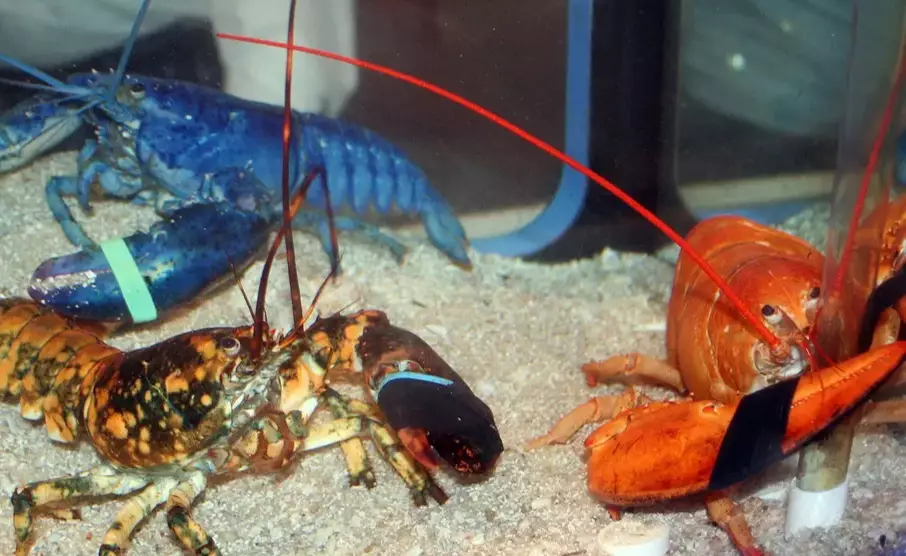
Molting and Soft-Shell Lobsters: After molting (shedding its old shell to grow), a lobster has a new, soft shell that hardens over time. These "soft-shell" or "shedder" lobsters are often a paler, more translucent version of their normal color. They are perfectly edible and often sweeter, but they have less meat yield for their size because they're mostly water and new shell. The color here indicates a life stage, not a genetic trait.
Cooked & Stored Meat: Freshly cooked lobster meat is white with reddish-pink highlights. Over time, exposure to air can cause it to develop a slight blue or greyish tinge. This is often just oxidation, like a cut apple turning brown. It might not look appetizing, but if it's been properly refrigerated for a short time, it's usually safe. A strong off-odor is a much better indicator of spoilage than a slight color change.
So, while chasing rare lobster colors is a fascinating hobby for lobstermen and marine enthusiasts, for the everyday cook and eater, understanding the normal spectrum—from the muddy green of life to the vibrant red of your dinner plate—is the most practical knowledge.
It connects you to the biology of the creature on your plate. You're not just eating a red shellfish; you're eating an animal that was expertly camouflaged, whose color was a complex dance of diet and protein, unlocked by the heat of your kitchen. That, to me, makes the whole experience a little more interesting.
Next time you're at the seafood counter, take a closer look. Appreciate the mottled green armor. And if you ever, by some insane chance, see a bright blue one staring back at you... maybe call the local aquarium first. They'd love to hear from you.



Comments
Leave a Comment