Let's be honest, the first time you see a picture of a hairless bunny, it stops you in your tracks. It looks like a tiny, wise old man crossed with a kangaroo, all wrapped up in wrinkly skin. It's bizarre, it's fascinating, and for some of us, it's instantly love. I remember scrolling through pet forums years ago and stumbling on one. I thought it was a photoshop job at first. But nope, hairless bunnies breeds are very real.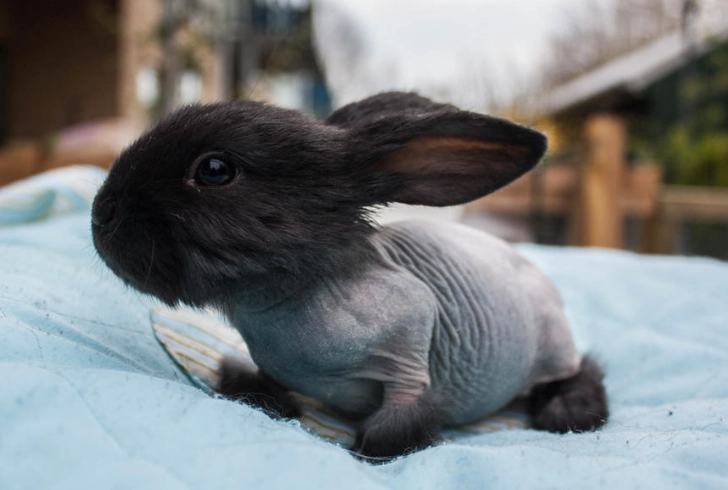
If you're here, you're probably past the initial shock and into the research phase. Maybe you have allergies. Maybe you're drawn to unique pets. Or maybe you just want to know how on earth you care for a rabbit without a fur coat. That's the smart move. Jumping into owning any exotic pet without doing the homework is a recipe for stress—for you and the animal.
This isn't just a quick list. We're going to dig into the reality of living with these unique creatures. We'll cover the known hairless bunnies breeds (there aren't many), the massive commitment they require, the health stuff nobody tells you upfront, and the big question: should you actually get one?
What Exactly Are Hairless Bunnies Breeds?
First, a bit of clarity. When people talk about "hairless bunnies," they're usually referring to rabbits born with a genetic condition. It's not a naturally occurring wild trait; it's a mutation. The most common cause is a recessive gene that results in a near or complete lack of fur. Unlike the intentionally bred Sphynx cat, most hairless rabbits historically appeared spontaneously in litters of normal, furred rabbits.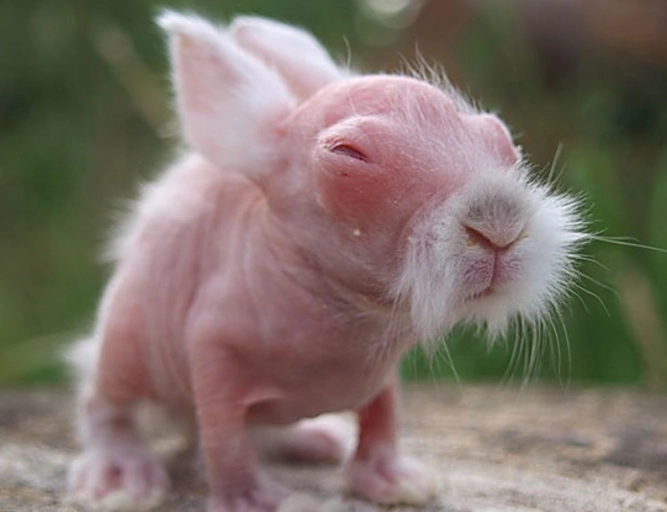
Because of this, there aren't many established, standardized "breeds" of hairless rabbit in the way we think of Netherland Dwarfs or Flemish Giants. Instead, there are a couple of recognized lines or types that have been selectively bred from these genetic occurrences. The ethics of intentionally breeding for this trait are a huge part of the conversation, which we'll get into later.
The lack of fur means everything about their biology and care is amplified. They lose body heat incredibly fast. Their skin is directly exposed to the sun, to scratches, to everything. It changes the whole game.
The Known Types of Hairless Rabbits
You'll mainly see two terms floating around. It's important to know the difference.
The Sphynx Rabbit (or Bald Bunny): This is the term often used for rabbits that are almost completely hairless. They might have a tiny bit of fuzz on their nose, feet, or ears, but they're largely bald. Their skin is wrinkly and can feel warm and soft to the touch. This is the "classic" look people imagine. The name "Sphynx" is borrowed from the cat, obviously, but it's become a common descriptor.
The Fuzzy Lop (or American Fuzzy Lop Hairless Line): This is a more specific and somewhat controversial one. Some hairless rabbits have come from lines of American Fuzzy Lops (a wool breed). These bunnies might be born hairless or with a very thin, patchy coat that offers little to no protection. The connection to a specific breed is tenuous, but you might see it mentioned.
The reality is, most hairless rabbits you'll find are not part of a formal breed registry. They are individual animals that carry the hairless gene. This makes predicting their size, temperament, and health even trickier than with a purebred rabbit.
The Naked Truth: Pros and Cons of a Hairless Bunny
Let's break this down honestly. I've talked to a few owners and rescuers over time, and the picture is very mixed.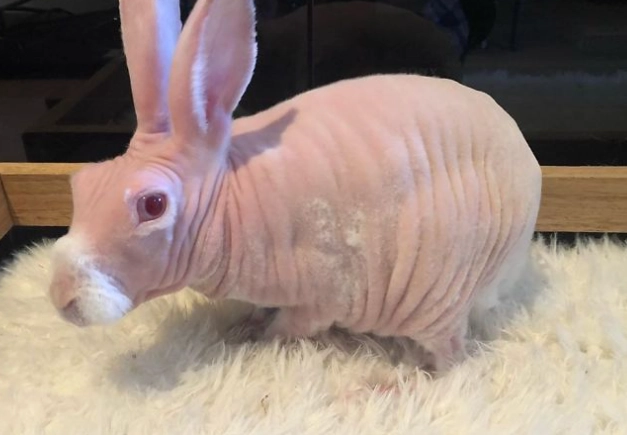
Potential Advantages
- Hypoallergenic Potential: This is the big one for many people. Most rabbit allergies are triggered by proteins in their saliva and dander (dead skin cells), which stick to their fur. No fur means less dander circulating. However, it doesn't eliminate the allergen source (saliva), so severe allergies may still be triggered.
- Unique Bonding: Many owners report an incredibly strong bond. Because these bunnies are so reliant on humans for temperature regulation and skin care, the interaction is frequent and intimate.
- No Shedding: You won't find tufts of fur on your clothes or furniture. A definite plus for a clean house.
- Fascinating Appearance: You'll never have a pet that gets more curious looks and questions. They are living works of oddball art.
Significant Challenges
- Extremely High Maintenance: This cannot be overstated. Their care is a daily, meticulous routine.
- Fragile Health: They are prone to a host of issues—skin infections, temperature dysregulation, injuries—that standard rabbits simply don't face as often.
- Expensive: Higher vet bills, special supplies (clothing, heaters), and potentially a high initial cost if buying from a breeder.
- Ethical Concerns: Breeding animals for a trait that compromises their health is a major red flag for many animal welfare advocates.
- Limited Socialization: They can't easily play with other rabbits (risk of injury, different temperature needs), which can lead to loneliness if not given constant human company.
- Sunburn & Injury Risk: Their skin is as vulnerable as ours, requiring sunscreen for any outdoor exposure and a meticulously bunny-proofed home.
See what I mean? The cons list is longer and heavier. For the right, deeply committed person, the pros might win out. But you have to go in with your eyes wide open.
The Care Guide: It's More Than Just a Rabbit
Caring for a hairless bunny is like caring for a newborn, a senior citizen, and an exotic lizard all rolled into one fluffy-less package. Standard rabbit care guides don't cut it.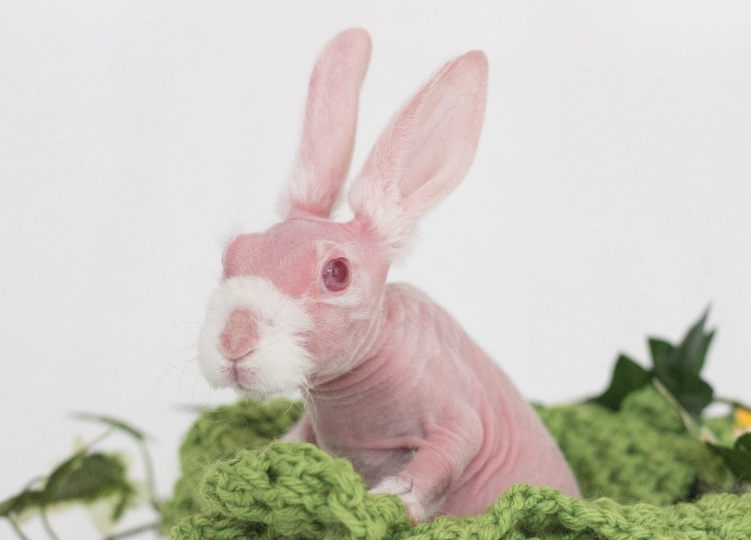
Temperature & Environment is Everything
This is priority number one. A furred rabbit can handle a cool room. A hairless rabbit cannot. They must be kept in a consistently warm environment, ideally between 75-80°F (24-27°C). Drafts are your enemy.
- Heating: Ceramic heat emitters (like those used for reptile tanks, but placed safely outside the enclosure) or space heaters for the entire room are often necessary. Avoid heat rocks, which can cause burns.
- Bedding: Deep, soft bedding is crucial. Fleece blankets are popular because they're soft and washable. Avoid rough materials like straw that can scratch their skin.
- Clothing: Yes, rabbit sweaters. They're not just adorable (they really are), they're functional. Having a few soft, cotton or fleece sweaters allows you to let them out in a slightly cooler room for exercise. Ensure they fit well and don't restrict movement or bathroom habits.
Skin Care Routine
Their skin gets oily because there's no fur to absorb the natural oils. This can lead to clogged pores and infections.
- Regular Baths? Not quite. Full submersion baths are stressful and can dry out their skin. Instead, most owners use a damp, warm washcloth to gently wipe them down every few days.
- Moisturizing: Their skin can get dry and flaky. A tiny amount of pure, fragrance-free coconut oil or a vet-recommended moisturizer can help. Never use human lotions with chemicals or perfumes.
- Inspection: You need to check their skin daily for any redness, scratches, bumps, or sores. A tiny scratch can become infected quickly.
- Sun Protection: If they go outside, their skin needs rabbit-safe sunscreen on exposed areas. Better yet, keep them in fully shaded areas or use a playpen with a roof.
Diet & Nutrition: The Internal Furnace
Because they burn calories just trying to stay warm, their dietary needs can be slightly higher than a furred rabbit. Unlimited high-quality grass hay (Timothy, Orchard) is still the cornerstone. You might need to be a bit more generous with their portion of fresh greens and a measured amount of pellets to maintain a healthy weight. Always consult with an exotics vet who has experience with hairless bunnies breeds to dial in the perfect diet.
Health Concerns: What Can Go Wrong
This is the tough part. The hairless trait is often linked to other health issues. It's not just about missing fur.
- Dental Problems: Some lines of hairless rabbits have a higher incidence of malocclusion (misaligned teeth that never stop growing). This requires regular, often expensive, dental trims by a vet.
- Respiratory Issues: They seem more susceptible to snuffles (pasteurellosis) and other respiratory infections. The stress of temperature fluctuation doesn't help their immune system.
- Skin Infections: Bacterial and fungal infections (like ringworm) are common. Any break in the skin is a potential problem.
- Thermoregulation Failure: If they get too cold, they can slip into hypothermia frighteningly fast. If they get too hot, they can overheat because they lack fur's insulating properties.
- General Fragility: They often have a weaker constitution. Things a normal rabbit might shake off can become serious for a hairless one.
I once spoke to a rescue volunteer who said vet bills for their special-needs hairless foster were easily triple that of a standard rabbit. You need an emergency fund.
The Ethics of Hairless Bunnies Breeds
This is where I have to give my personal opinion. The intentional breeding of animals for traits that knowingly cause health problems sits very wrong with me. Breeding hairless bunnies breeds feels, in many ways, similar to breeding flat-faced dogs that can't breathe.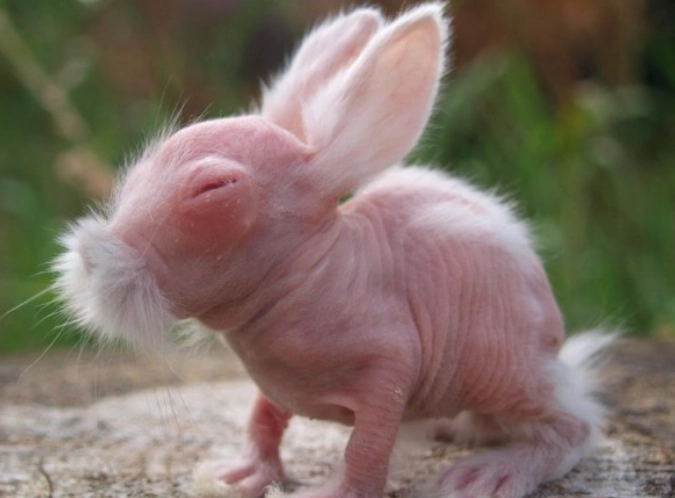
These rabbits did not evolve to be hairless. We are creating and perpetuating a life that requires constant human intervention just to survive basic environmental conditions. Is that fair to the animal?
Many reputable rabbit organizations, like the House Rabbit Society, caution against seeking out intentionally bred hairless rabbits. They often end up in shelters when owners are overwhelmed by the care.
So where does that leave you if you still feel drawn to them?
Adoption, Not Shopping
The most ethical path, if you are fully prepared for the commitment, is rescue. Check with local rabbit rescues and shelters. Hairless rabbits do sometimes turn up there when well-meaning but unprepared owners surrender them. By adopting, you're not creating demand for more breeding, and you're giving a vulnerable animal a dedicated home.
If you absolutely must seek a breeder (and I urge you to reconsider), due diligence is critical. Any breeder of hairless bunnies breeds should:
- Openly discuss all the health risks and immense care requirements.
- Provide extensive health records for the parents and kit.
- Have a contract requiring you to return the rabbit to them if you can no longer care for it.
- Not breed rabbits with obvious other deformities or poor health.
- Let you visit their facility to see the living conditions.
A breeder who only talks about how "cool" and "unique" they are is a major red flag.
Hairless Bunny vs. Standard Rabbit: A Quick Comparison
| Aspect | Standard Furred Rabbit | Hairless Rabbit |
|---|---|---|
| Grooming | Weekly brushing; more during sheds. | Daily skin checks, frequent gentle wiping, moisturizing. |
| Temperature Needs | Comfortable between 60-75°F (15-24°C). | Requires a strict 75-80°F (24-27°C) environment. |
| Allergy Friendliness | High allergen spread via fur/dander. | Potentially better, but saliva allergens remain. |
| Health Risks | Standard rabbit issues (GI stasis, dental). | All standard risks PLUS high risk of skin, respiratory, and temperature-related issues. |
| Companionship | Highly social; best kept in bonded pairs. | Often kept solo due to care differences; requires intense human interaction. |
| Initial & Ongoing Cost | Moderate (adoption fee, standard supplies). | High (possible breeder fee, special supplies, higher vet costs). |
| Lifespan | 8-12 years with proper care. | Often shorter (5-8 years) due to compounded health stresses. |
Looking at it side-by-side really highlights the difference, doesn't it?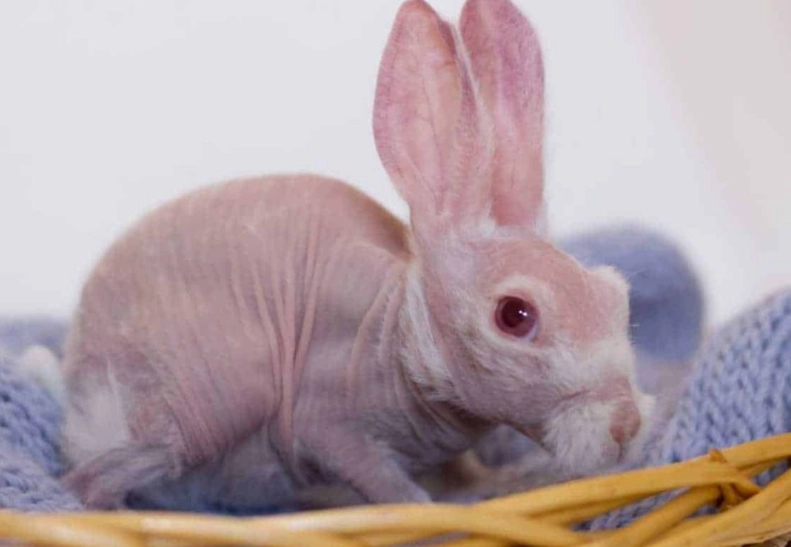
Your Questions Answered (The Real Stuff People Ask)
Are hairless bunnies breeds actually good for people with allergies?
Maybe, but it's a gamble. They produce less airborne dander, which is a common trigger. However, the major allergen is in their saliva, which they spread while grooming. If you have severe allergies, you should spend time with a hairless rabbit (if you can find one) before committing. It's not a guaranteed fix.
Do they feel cold to the touch?
They can, especially their ears and feet, if the room is even slightly cool. When they're in their ideal warm environment, they feel very warm—almost like a heating pad. That warm, soft skin is what many owners love.
What do you feed a hairless rabbit?
The same core diet as any rabbit: unlimited grass hay, a portion of fresh leafy greens, and a small amount of high-fiber pellets. The key difference is you may need to offer slightly more greens/pellets to help them maintain energy and body heat, but this must be done under a vet's guidance to avoid obesity.
Can a hairless bunny live with a furred rabbit?
It's very tricky and generally not recommended. Their different temperature needs make sharing a living space hard. The furred rabbit could also accidentally scratch the hairless one's delicate skin during play or grooming. If attempted, it requires a colossal amount of space, separate sleeping/warming areas for the hairless one, and constant supervision.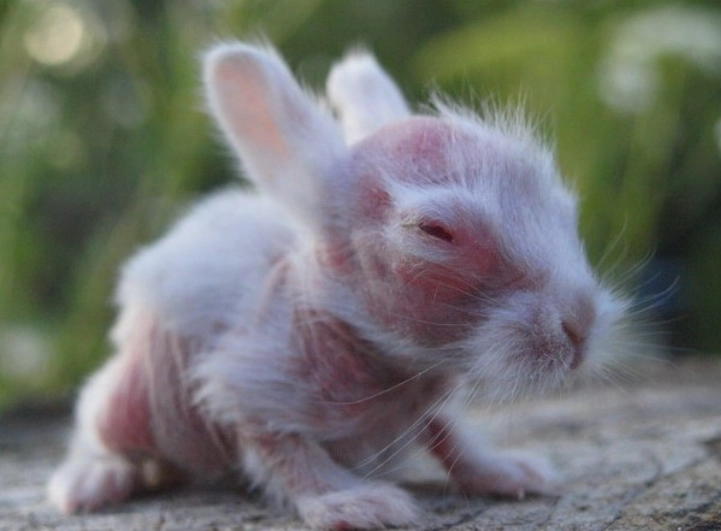
Where can I learn more about responsible rabbit care in general?
Whether you get a hairless or furred bunny, educating yourself is key. The WabbitWiki is a fantastic, community-driven resource with a ton of practical advice. For scientific and veterinary information, the Merck Veterinary Manual provides authoritative details on rabbit medicine and conditions.
Final Thoughts: Is a Hairless Rabbit Right for You?
After all this, you're probably getting a sense of the answer. Owning one of the rare hairless bunnies breeds is a niche within a niche. It's for the person who doesn't just want a pet, but a project—a full-time, heart-and-soul commitment to an animal that will depend on you for its most basic well-being.
It's expensive. It's time-consuming. It's emotionally taxing when their health is fragile. The ethical questions are real and heavy.
But.
For that specific person—the one with the resources, the patience, the unwavering dedication, and the desire to provide a sanctuary for a creature that needs it—the bond can be profound. It's not a pet you get on a whim. It's a pet you choose after deep, sober reflection.
My honest advice? If you're new to rabbits, start with a healthy, furred rescue rabbit. Learn the ropes of standard lagomorph care. See if you even like the day-to-day reality of a rabbit (they're not like cats or dogs). If, after a few years, you're an experienced rabbit guardian with a stable life and a fat savings account, and the call of the hairless bunny is still there, then maybe—just maybe—you're ready to look into providing a home for one in need of rescue.
They are undeniably captivating animals. But let's always put their welfare ahead of our fascination. That's the mark of a true pet owner.
Comment