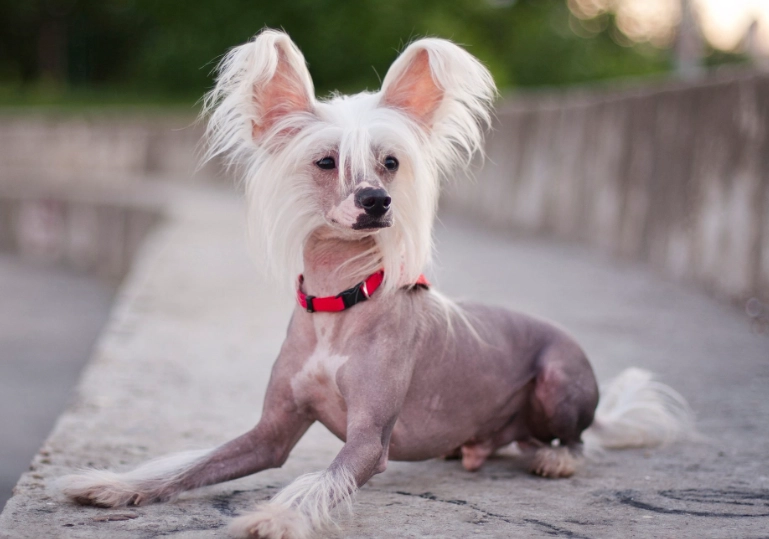
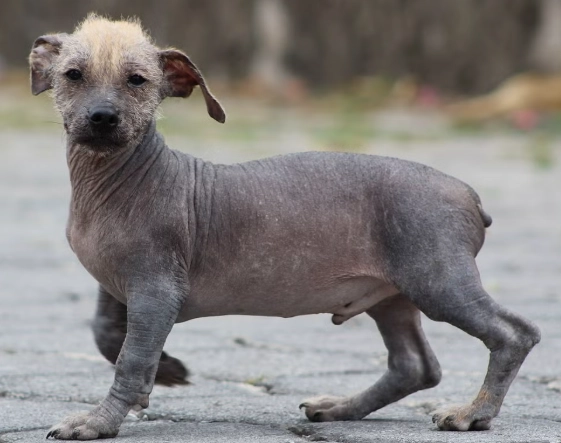
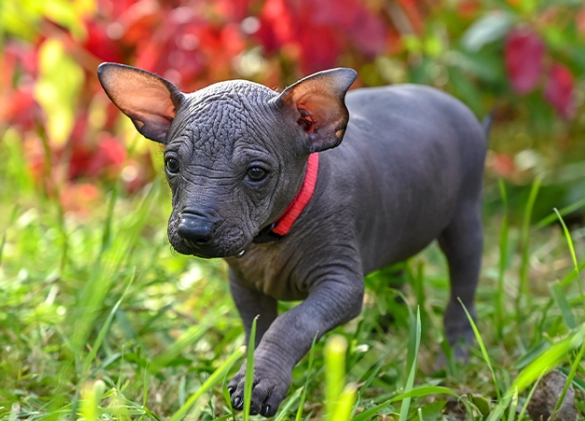
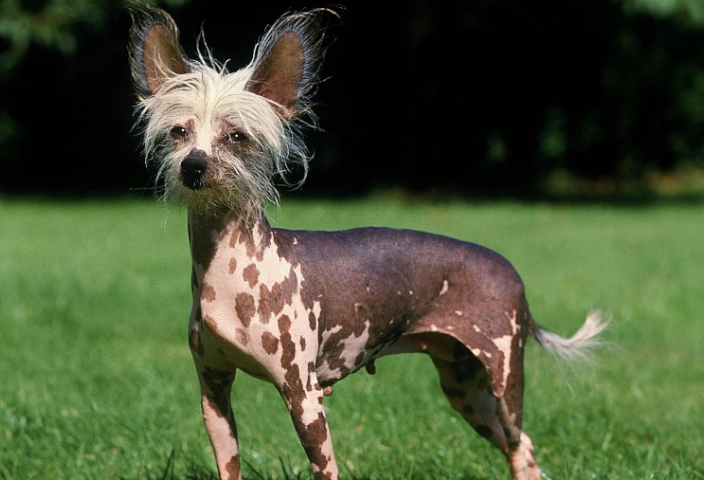
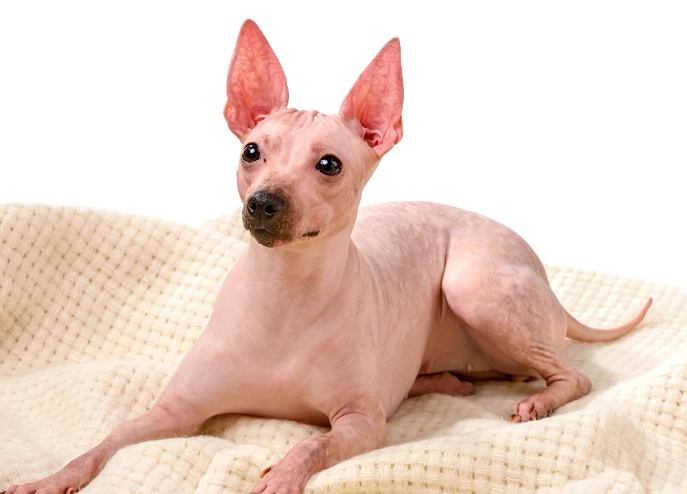
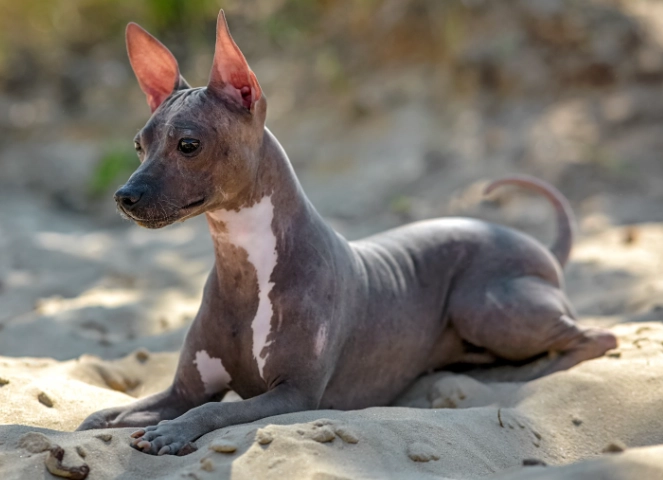
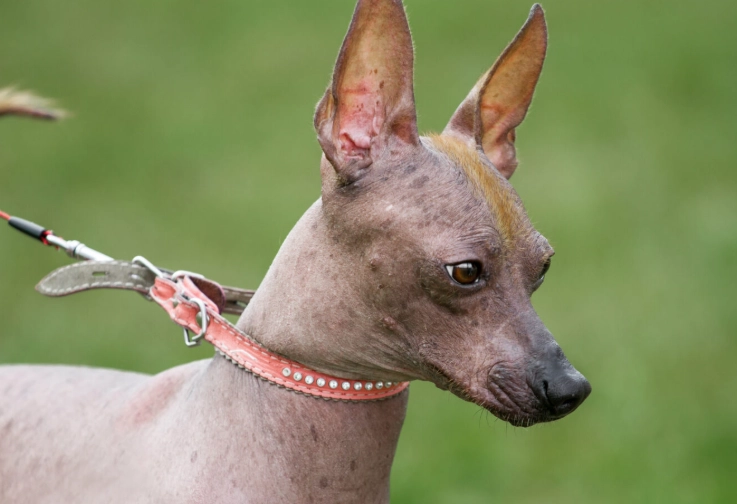
Let's be real for a second. The first time you see a hairless dog, you probably have a strong reaction. It's either "Oh my goodness, how unique!" or "What on earth is that?" There's rarely an in-between. I remember visiting a friend who had just adopted a Chinese Crested, and my initial thought was that it looked like a tiny, elegant alien deer. But after spending an afternoon with that affectionate, quirky creature, I was completely charmed. That's the thing about hairless dogs – they grow on you, in a way their fur never will. This guide isn't just a dry list of facts. It's for anyone who's curious, considering adoption, or has just brought one of these unique pups home. We're going to dig into everything – the good, the bad, the surprisingly high-maintenance, and the utterly rewarding. Because owning a hairless dog isn't like owning any other dog. It's a commitment to a specific kind of care that, if done right, results in an incredibly loyal and loving companion. It's not just one dog that lost a bet with a razor. Hairlessness in dogs is a natural genetic mutation. In recognized breeds, it's a dominant trait, which is pretty fascinating from a genetics standpoint. The key thing to know is that within most hairless breeds, you actually get two varieties: the completely hairless one (the showstopper) and a coated variety (called a "powderpuff") that has a full coat of hair. They come from the same litter, carrying the same genes, just expressing them differently. This is crucial for responsible breeding, as breeding two hairless dogs together can lead to fatal genetic issues. Think of them as nature's built-in sweaters and naked versions. You might be surprised to learn there are more than just the famous Xoloitzcuintli. While they all share the hairless gene, their personalities, sizes, and histories are worlds apart. Here’s a detailed look at the primary breeds you'll encounter. Pronouncing it (show-low-eats-queen-tlee) is half the battle. This is the oldest and most revered of the hairless dogs, with a history stretching back over 3,000 years to ancient Aztec and Maya cultures. They weren't just pets; they were spiritual guides believed to ward off evil spirits and escort souls to the underworld. The American Kennel Club recognizes them in three sizes: Toy, Miniature, and Standard. They have a sleek, elegant appearance, often compared to a Pharaoh Hound. Personality-wise, they're alert, calm, and deeply bonded to their family. They can be aloof with strangers, making them excellent watchdogs. A well-bred Xolo has a certain noble, ancient dignity about them. This is the breed most people picture – the one with the tufts of hair on its head (crest), feet (socks), and tail (plume). They come in the hairless and the powderpuff variety. Cresteds are the polar opposite of the Xolo in temperament. They are clownish, affectionate, lively, and love to be the center of attention. They thrive on human companionship and can suffer from separation anxiety if left alone too much. They're smaller and more delicate than Xolos, often described as "cat-like" in their ability to climb and their fastidious nature. For a deep dive into their breed standard and history, the American Kennel Club's Chinese Crested page is an authoritative resource. A relative newcomer, this breed originated from a hairless Rat Terrier puppy born in 1972. They were developed specifically to be a companionable, energetic, and truly hairless dog (no tufts). They have skin that can be a variety of colors and patterns, often covered in freckles. Personality-wise, they are all terrier: intelligent, curious, and energetic. They need more exercise and mental stimulation than the other two breeds. Because they lack even the fine hair of a Xolo or Crested, they are often marketed heavily as hypoallergenic. The United Kennel Club was the first to recognize them and maintains their breed standard. So, ancient guardian, playful performer, or energetic terrier? The choice in personality is wider than you'd think. Okay, let's get into the nitty-gritty. This is the section that separates the dreamers from the realistic owners. Caring for a hairless dog is a daily ritual. Forget everything you know about brushing and de-shedding. Your new currency is moisturizer and sunscreen. Their skin is like ours – it gets dry, oily, sunburned, and can develop acne (yes, dog acne is a thing). A basic routine is non-negotiable. These dogs have no insulation. In the winter, they get cold incredibly fast. You will need a wardrobe of sweaters, jackets, and even pajamas for them. In the summer, they overheat easily because they lack the cooling mechanism of panting through a fur coat. Air conditioning is a must, and you must be vigilant about heatstroke. Here's a weird genetic link: the gene for hairlessness is linked to incomplete dentition. Many hairless dogs, especially Chinese Cresteds, are born missing teeth or have weak, early-decaying teeth. This means dental care is paramount from puppyhood. Daily tooth brushing with dog toothpaste, dental chews approved by the Veterinary Oral Health Council (VOHC), and regular professional vet cleanings are part of the package. It can be expensive. Every breed has its quirks, and hairless dogs are no exception. Being aware of these helps you be a proactive owner. The best thing you can do is find a reputable breeder who does full health testing on their breeding stock, not just for skin but for eyes, knees, and heart. The Orthopedic Foundation for Animals (OFA) database is where you can verify a breeder's health testing claims. This is the million-dollar question. The short answer is: they can be a great option for many allergy sufferers, but they are not 100% allergen-free. Most pet allergies are caused by a protein found in dog dander (dead skin flakes), saliva, and urine. Since a hairless dog sheds very little to no hair, the primary allergen carrier is removed from the equation. However, they still produce dander from their skin and saliva. For many people, this reduction is enough to make living with a dog possible without severe reactions. But some people are highly sensitive to the proteins in saliva, and since all dogs lick, that can still be a trigger. The only way to know for sure is to spend extended time with a hairless dog before committing. A responsible breeder or rescue will allow this. Let's talk money, because it's a factor. These are not cheap dogs. Please consider adoption first. There are wonderful breed-specific rescues for Xolos, Chinese Cresteds, and hairless dogs in general. These organizations often have adult dogs (even seniors) who are already house-trained and whose personalities are known, which is a huge advantage. A quick search for "[Breed Name] rescue" will point you in the right direction. If you choose to buy from a breeder, do your homework. A good breeder will: Look, I won't sugarcoat it. A hairless dog is a project. They demand time, money, and a specific kind of attentiveness. They're not the rugged, throw-the-ball-in-the-park-all-day kind of dog (with the possible exception of the American Hairless Terrier, who needs that activity). But if you're someone who loves the unique, who doesn't mind a meticulous care routine, and who values a deeply connected, velcro-style companion, then a hairless dog might just be your perfect match. There's an undeniable magic to them. They're conversation starters, yes, but more importantly, they are sensitive, loving animals that form intense bonds with their people. Do your research. Meet some. Talk to owners and breeders. Feel that warm, suede-like skin for yourself. If after all that, you're still fascinated and ready for the commitment, you might just be opening your home to one of the most extraordinary friends you'll ever have. Just don't forget the sunscreen.Navigating This Guide
So, What Exactly Is a Hairless Dog Breed?
The Main Players: A Breakdown of Hairless Dog Breeds
The Xoloitzcuintli (or "Xolo"): The Ancient One
The Chinese Crested: The Charismatic Performer
The American Hairless Terrier: The Modern Allergy-Friendly Option
Breed
Size & Weight
Temperament
Best For
Special Note
Xoloitzcuintli
Toy (10-14 lbs), Mini (15-30 lbs), Standard (30-55 lbs)
Calm, Alert, Loyal, Aloof with Strangers
Quiet households, experienced owners, those seeking a unique bond
Ancient breed; requires early socialization.
Chinese Crested
Toy (8-12 lbs)
Playful, Affectionate, Attention-loving, Sensitive
Companionship, apartment living, owners who are home often
Prone to dental issues; powderpuff variety is fully coated.
American Hairless Terrier
Small (12-16 lbs)
Energetic, Intelligent, Inquisitive, Playful
Active families, allergy sufferers, those wanting a "true" terrier personality
Needs lots of exercise and mental games; completely hairless skin.
The Real Deal on Hairless Dog Care (This is Where You Pay Attention)
Skincare is Everything
Climate Control is Not a Luxury
Dental Issues: The Hidden Challenge
Health Considerations: Beyond the Skin
Are Hairless Dogs Hypoallergenic? Let's Clear the Air.
The Cost of Owning a Hairless Dog
Adoption vs. Buying: Finding Your Hairless Companion
Your Hairless Dog Questions, Answered
Final Thoughts: Is a Hairless Dog Right for You?
Bottom Line Up Front: A hairless dog is not a "low-maintenance" pet. If you want a dog you can just feed and walk, look elsewhere. These dogs require dedicated skincare, climate control, and often have specific health considerations. But for the right person, the bond is unparalleled.
I spoke to a Xolo owner in New Mexico who described her dog as "profoundly quiet and observant." She said it's less like owning a dog and more like living with a wise, small alien that has chosen to tolerate you. They're not for everyone, but their fans are fiercely devoted.
The Biggest Mistake New Owners Make: They treat the dog's skin like leather or assume it's "tough." It's not. It's vulnerable, sensitive skin that needs protection from the sun, cold, and dryness every single day. Neglecting this leads to discomfort, infections, and a miserable dog.
Do hairless dogs smell?
They can, but it's usually a management issue. Their skin produces oils that, if not cleaned regularly, can develop a distinct, somewhat musky odor. The weekly bath routine keeps this in check. It's not a "dirty" smell, but a natural skin scent that becomes noticeable if hygiene lapses.
Are they good with kids and other pets?
This depends entirely on the individual dog and its breeding/socialization. Chinese Cresteds and American Hairless Terriers can do well with gentle, respectful children. Xolos are often better with older children. All can coexist with other pets if introduced properly, but their lack of a fur coat makes them vulnerable to scratches from cats or rough play with other dogs. Supervision is key.
How long do hairless dogs live?
They are generally long-lived small breeds. A lifespan of 13-16 years is common, with some living into their late teens with excellent care.
Can I shave a regular dog to make it "hairless"?
No, absolutely not. This is cruel and dangerous. A double-coated dog's skin is not meant to be exposed. Shaving it down ruins their temperature regulation, exposes them to sunburn and injury, and can cause the coat to grow back improperly or not at all. A hairless dog is a specific genetic breed.
What's the biggest surprise about owning one?
Most owners say two things: 1) How warm they are to the touch. Their body heat is direct, and they make fantastic little heaters on a cold night. And 2) The texture of their skin. It's often described as feeling like suede, warm chamois leather, or a smooth peach. It's a unique sensory experience.
Comment