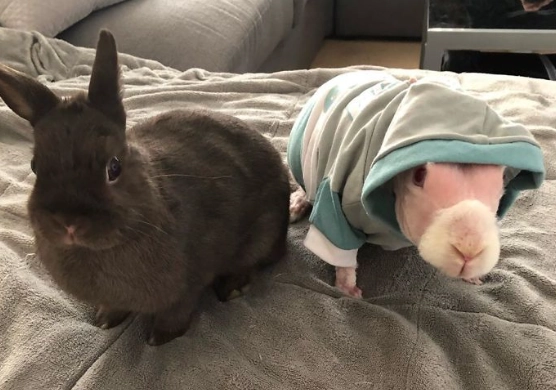
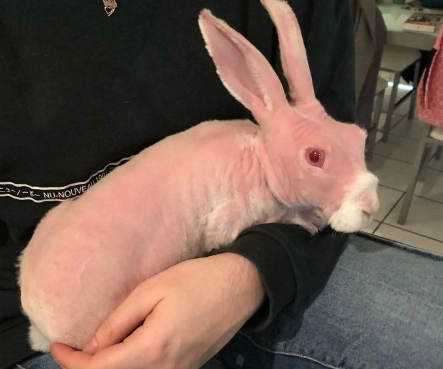
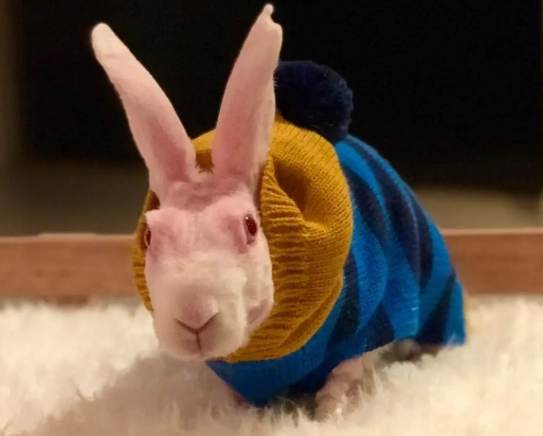
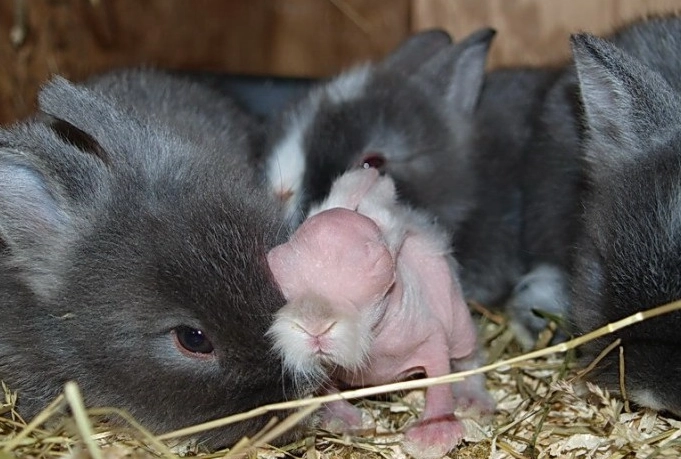
So you've stumbled across a picture of a hairless bunny online. Maybe it was a Rex with a patchy coat that looked like it lost a fight with a lawnmower, or perhaps the almost alien-like Sphynx rabbit, completely devoid of fur. Your first reaction was probably a mix of "aww" and "what on earth?". I get it. I felt the same way before I dug into the world of these unique pets. Let's clear something up right away. When people talk about a hairless bunny breed, they're usually referring to one of two things: a standard rabbit breed carrying a genetic mutation that causes hairlessness, or a specific, intentionally bred line. They aren't a separate species, but rather rabbits with a very specific (and demanding) set of needs. This isn't just about a quirky look—owning one is a whole different ball game compared to a fluffy Holland Lop. I've talked to breeders, read through forums filled with both passionate advocates and frustrated owners, and I'm here to give you the unvarnished, practical lowdown. Is a hairless rabbit the right pet for you? Maybe. But you need to know what you're signing up for, beyond the initial novelty. First, genetics 101, but keep it simple. Hairlessness in rabbits isn't one single thing. It can pop up spontaneously due to recessive genes (think of two perfectly furry Rex rabbits having a naked baby), or it can be a trait selectively bred for, like in the case of the Sphynx rabbit. The key player here is often a gene that affects keratin production, the protein that makes up hair and nails. The most common encounter people have with a hairless bunny breed is through the Rex rabbit. Rex rabbits are famous for their plush, velvety fur. But sometimes, a genetic combination results in a "woolless" or patchy Rex. These rabbits might have thin fur, bald spots, or be nearly completely bald. It's important to note that major rabbit organizations like the American Rabbit Breeders Association (ARBA) do not recognize hairlessness as a standard for show rabbits. In fact, it's considered a fault. So most truly hairless rabbits are pets, not show animals. Then there's the Sphynx rabbit. Yes, named after the hairless cat. This is a more deliberate attempt to create a consistently hairless rabbit. They are not yet a broadly recognized standard breed with ARBA, but dedicated breeders are working on lines that produce healthy, completely furless rabbits. Their skin can feel warm and soft, almost like suede. Let's break down the two main categories you'll encounter. It's not just about looks; their origins and care can differ. See the difference? One is an accidental guest, the other is an invited (and carefully bred) resident. This matters because the health background of a Sphynx line from a responsible breeder might be more documented than that of a random hairless Rex kit. I have to be honest, the Sphynx rabbit photos can be startling. They have prominent wrinkles and their skin shows every contour. Some people find them fascinatingly cute, others… need a moment to adjust. There's no right or wrong reaction. This is where the rubber meets the road. Forget everything you know about brushing out mats and dealing with shedding. Caring for a hairless bunny breed flips the script entirely. Their needs are centered on their skin, not their fur. You will become intimately familiar with your rabbit's skin. Unlike furry rabbits who almost never need baths, a hairless rabbit requires regular, gentle cleaning. Their skin produces oils that, without fur to absorb them, can build up and cause problems like clogged pores or even acne. Yeah, rabbit acne is a thing. A weekly wipe-down with a soft, damp cloth is a good start. For a more thorough clean, a monthly bath with a rabbit-safe, hypoallergenic shampoo is often recommended. Never use human shampoo—the pH is all wrong. You have to be incredibly careful to keep them warm and dry them completely afterward to prevent chills. A hair dryer on the coolest setting, held at a distance, can help. Their lack of fur is a built-in vulnerability. Here’s what keeps owners and vets on their toes: Let me share a conversation I had with a breeder. She said the number one reason hairless rabbits are surrendered is because people underestimate the constant temperature management. "They think it's just a cute naked bunny," she said, "but it's a pet that needs its own micro-climate." At their core, they are still rabbits. Their digestive system is identical to their furry cousins. The staple of their diet should be unlimited, high-quality grass hay (Timothy, Orchard, etc.). This keeps their gut moving and teeth worn down. Where you might tweak things is with calories. Some argue that because they use more energy to stay warm, they may need a slightly larger portion of pellets or fresh greens. But this is a slippery slope. Overfeeding pellets leads to obesity and other health issues. The best approach? Monitor their weight closely with your vet. If they are struggling to maintain weight in a properly warm environment, then a small dietary adjustment can be discussed. Fresh water, always. Clean bowls daily. The basics matter even more when you're dealing with a more delicate animal. Your home setup needs a rethink. Forget the standard wire-bottom cage (which is bad for any rabbit, honestly). For a hairless bunny breed, you need a palace of comfort and safety. This is the fun part. Is there a "naked" personality? Not really because of the hairlessness itself. A rabbit's personality is more linked to its breed and individual upbringing. However, many owners of hairless rabbits report that their pets tend to be more cuddly and seek out human warmth. Well, of course they do—you're a giant, walking heat source! This can create a strong bond, as they may be more inclined to sit on your lap under a blanket for warmth. But they are still rabbits. They can be shy, skittish, territorial, or wonderfully outgoing. They need mental stimulation, space to run and binky, and proper socialization. Never assume a hairless rabbit is a fragile lapdog; they have all the same instincts and needs for exercise and enrichment as any other rabbit. I remember reading a forum post from an owner who said her hairless Rex was the most mischievous, energetic bunny she'd ever had, constantly getting into trouble. The lack of fur didn't dampen his spirit one bit. This is the most critical section. The novelty factor attracts bad actors. What to Avoid: Steer clear of online classifieds (Craigslist, Facebook Marketplace) advertising "rare hairless bunnies!!!" for a high price. These are often backyard breeders capitalizing on a trend, with little regard for the health or genetics of the animal. You might be buying a sick rabbit with a parasite problem, not a true genetic hairless bunny breed. Where to Look: Be prepared to be patient and go on a waitlist. Responsible sources are few and far between. Let's talk money, because it's more than just the purchase price. If this list makes you gulp, a hairless rabbit might not be for you. And that's perfectly okay. It's better to be honest now than to have a bunny suffer later. This is the million-dollar question. The short answer: more hypoallergenic, but not completely. Most rabbit allergies are reactions to a protein in their saliva and skin oils (dander), which gets on their fur and becomes airborne. With no fur, there's less of that allergen being shed around your house. However, the dander and saliva are still present on their skin. If you have severe allergies, spend time with a hairless rabbit before committing. It might help a lot, but it's not a guaranteed fix. With exceptional care, they can live a typical rabbit lifespan of 8-12 years. However, their susceptibility to health issues means their average lifespan might be on the lower end of that range if not meticulously cared for. It's a commitment of a decade or more. Honestly? They can. If their skin isn't cleaned regularly, the oil buildup can produce a faint, musky odor. A clean hairless rabbit shouldn't smell bad. Their urine and droppings smell the same as any other rabbit's, and keeping their litter box immaculate is crucial in a smaller, temperature-controlled space. It's possible, but tricky and not generally recommended. The hairless rabbit may get cold more easily if the pair doesn't cuddle. There's also a higher risk of skin injury from playful nips or scratches from the furry companion. If you already have a rabbit and are considering a hairless friend, a very slow, supervised bonding process is essential, and you must monitor for any skin marks. After all this, where do you stand? Choosing to care for a hairless bunny breed is not a casual decision. It's for the dedicated, detail-oriented, and slightly obsessive pet owner. You need to be a homebody who can maintain a stable environment. You need to be financially prepared. You need to see past the initial "weird-cute" factor to the living, breathing creature with very specific needs. They are not easier pets. In many ways, they are much harder. But for the right person, the bond can be incredibly strong. There's an intimacy to caring for an animal so visibly vulnerable. You're not just a owner; you're a caretaker, a thermostat, and a dermatologist all in one. If you've read this far and your reaction is, "That sounds like a lot of work, but I'm fascinated and willing to learn," then you might be on the right path. Start by connecting with the rabbit community. Visit the House Rabbit Society website. Talk to vets. Maybe even foster a regular rabbit first to learn basic rabbit care. The world of hairless rabbits is niche, and it demands respect. If you enter it, do so with your eyes wide open, ready to provide the exceptional care these unique animals deserve. They're more than just a conversation starter—they're a lifetime commitment to a very special kind of friend.Explore This Guide to Hairless Bunnies
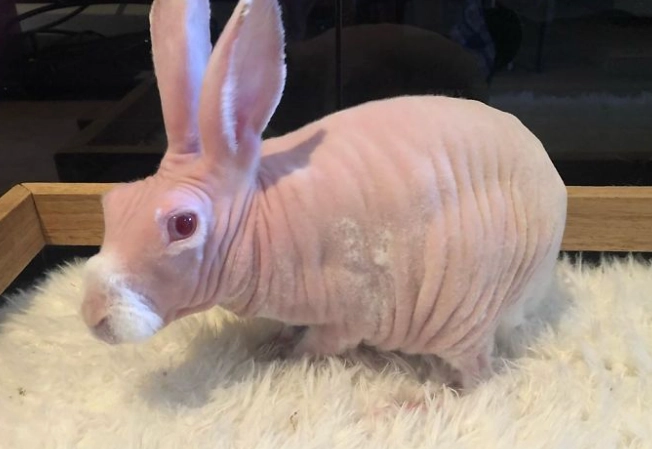
What Exactly Is a Hairless Bunny Breed?
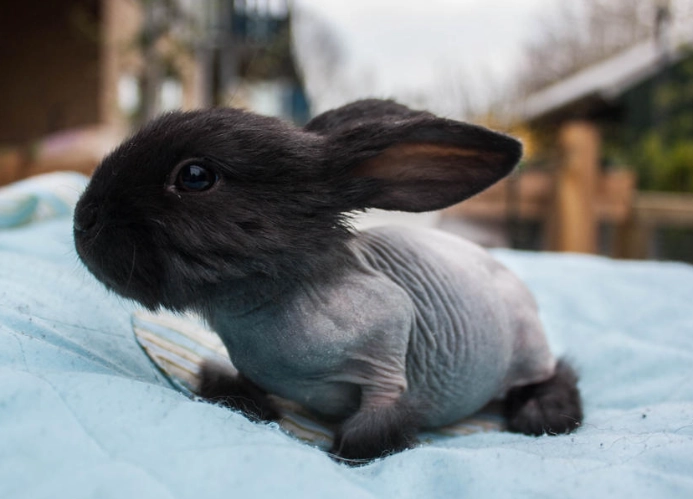
The Two Main Types: Rex vs. Sphynx
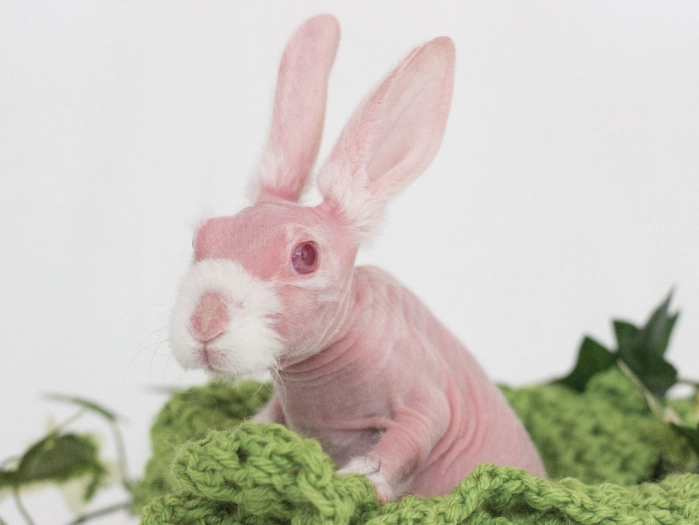
Feature
Hairless Rex Rabbit
Sphynx Rabbit
Origin
Spontaneous genetic mutation within the Rex breed.
Result of selective breeding for the hairless trait.
Coat
Often patchy, thin, or wool-like. May have bald areas.
Completely or almost completely hairless. Skin is exposed.
Recognition
Considered a genetic fault in show standards.
Not yet officially recognized by major associations like ARBA.
Skin Feel
May have a velvety texture in furry patches.
Often described as warm, soft, and suede-like.
Commonality
More commonly encountered by accident.
Less common, found through specialist breeders.
The Real Deal: Daily Care and Maintenance
Bathing and Skin Care
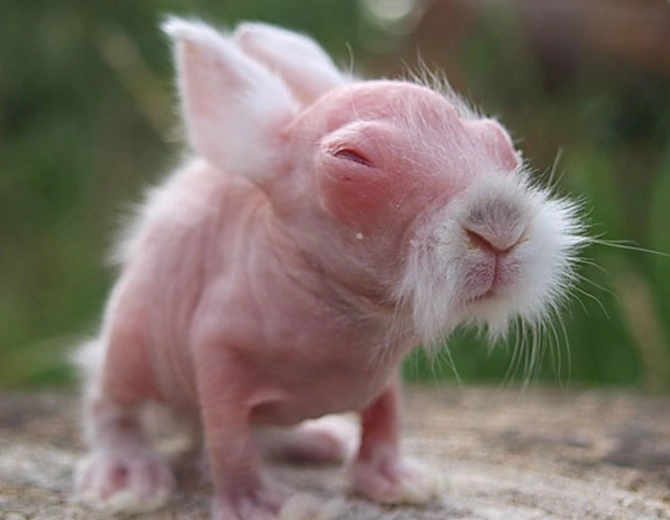
The Biggest Health Concerns
Feeding and Nutrition: Any Differences?
Creating the Perfect Environment
Personality and Behavior: Are They Different?
Finding a Hairless Bunny: Ethics and Sources
Cost of Ownership: The Financial Naked Truth
Common Questions Answered (The Stuff You're Really Wondering)
Are hairless rabbits hypoallergenic?
What is the lifespan of a hairless bunny breed?
Do they smell bad?
Can they live with other furry rabbits?
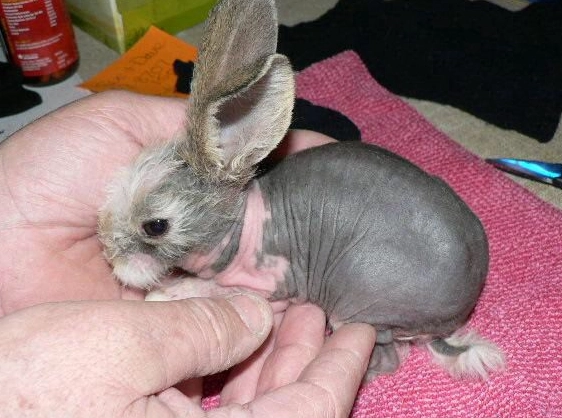
Final Thoughts: Is a Hairless Rabbit Right for You?
Here's the thing a lot of websites gloss over: many "hairless" rabbits you see for sale, especially online from non-reputable sources, might just be sick rabbits with mite infestations or fungal infections that caused them to lose their fur. A true genetic hairless bunny breed is different—their skin is usually clear and healthy, just bare.
Pro Tip: After bathing, some owners apply a tiny amount of pure, food-grade coconut oil or a vet-recommended moisturizer to prevent dryness and flaking. Just a dab—you don't want greasy skin that attracts dirt.
Watch Out: Heat lamps and space heaters are dangerous around rabbits. They are chewers and can easily start a fire or get burned. Always use enclosed, chew-proof heating solutions designed for pets.
Comment