Let's get this out of the way first. If you're picturing a regal, slender dog trotting beside a pharaoh past the pyramids, you're in for a bit of a history lesson. The truth about the so-called Egyptian hairless dog is a lot more interesting, and frankly, a bit more confusing, than the ancient tales suggest. I remember the first time I saw one at a dog show. I thought, "Wow, that's a weird-looking Sphinx cat... but bigger." The owner laughed and said, "He gets that a lot. He's actually a Xolo." And that's where our story really begins.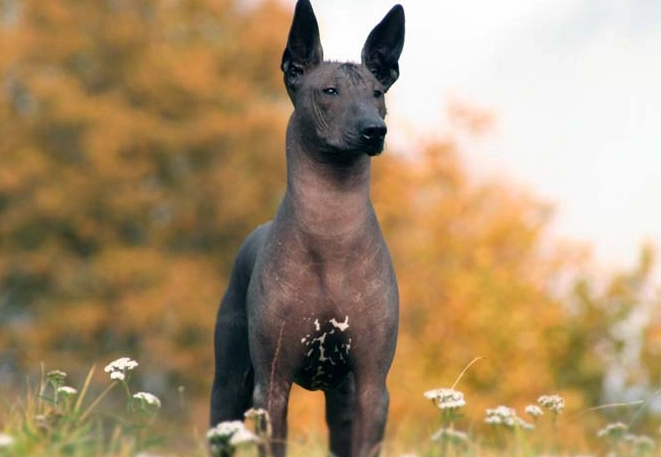
Most of the time, when people search for an Egyptian hairless dog, they're actually talking about the Xoloitzcuintli (show-low-eats-queen-tlee), or Xolo for short. This is a genuine, ancient breed, but its roots are in the Americas, not Africa. The whole "Egyptian" connection is a modern twist, often a romantic marketing tag or a mix-up with other hairless breeds. So, if you're looking for a pet, you're almost certainly looking at the Xolo. But hey, names stick. People still call them Egyptian hairless dogs, so we need to talk about what that actually means for you as a potential owner.
Key Takeaway Right Off the Bat: The "Egyptian Hairless Dog" is not a breed officially recognized by major kennel clubs like the American Kennel Club (AKC). It's a common name people use, usually referring to the Xoloitzcuintli. Knowing its true identity is your first step to understanding its real needs.
So, What Exactly Is This Dog? Meet the Xoloitzcuintli
Let's drop the pretense and call it what it is. The Xoloitzcuintli is one of the world's oldest and rarest dog breeds. Archaeologists have found ceramic Xolo figurines in tombs in western Mexico dating back over 3000 years. The Aztecs and other Mesoamerican cultures revered them. The name itself comes from the Aztec god Xolotl and "itzcuintli," the Aztec word for dog. They were considered sacred guides for the dead to the underworld. Pretty heavy job for a pet, right?
But here's the practical side. The Xolo comes in three sizes: Toy (10-14 inches tall), Miniature (14-18 inches), and Standard (18-23 inches). And they come in two varieties: hairless and coated. That's right, not every Xolo is hairless! The hairless gene is dominant, but it's paired with a recessive lethal gene. This means breeding two hairless Xolos together can result in unhealthy puppies. Responsible breeders always pair a hairless with a coated Xolo. The coated ones have a short, flat coat. So if you see a fluffy "Egyptian hairless," it's not a mistake—it's a coated Xolo, and it's crucial to the breed's health.
The hairless ones have tough, smooth skin that feels like a horse's hide or warm suede. They get acne, sunburn, and dry skin. They're not the low-maintenance, hypoallergenic miracle some folks hope for. In fact, their skin needs more care than most fur.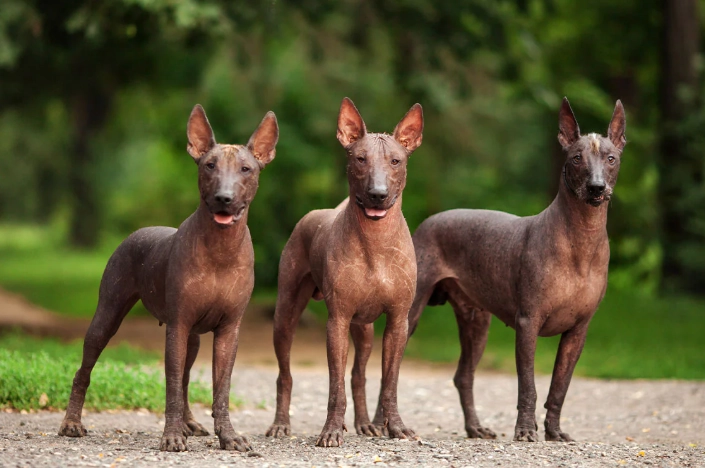
Personality and Temperament: Not a Living Statue
Forget the aloof, mysterious vibe the "Egyptian" name might conjure. Xolos are alert, intelligent, and deeply loyal to their families. They can be reserved with strangers, which makes them excellent watchdogs—they'll definitely let you know someone's at the door. But they're not constant yappers.
I've spoken to several owners, and a common thread is their almost cat-like independence mixed with profound attachment. They'll follow you from room to room but might not always crave constant cuddles. They bond intensely with one or two people. With their family, they can be playful clowns. With outsiders, they're often thoughtful observers. Early and ongoing socialization is non-negotiable. A poorly socialized Xolo can become overly wary or anxious.
Are they good with kids and other pets? With proper introduction and supervision, yes. They tend to do best with older, respectful children. Their ancient instincts are strong, so chase games with small, fast animals (like squirrels or cats they don't know) might trigger their prey drive. In a calm home, they are serene, elegant companions.
Watch Out For This: Their intelligence means they get bored easily. A bored Xolo is a destructive Xolo. They aren't golden retrievers who will fetch mindlessly for hours. They need mental challenges—puzzle toys, training sessions, interesting walks. If you want a couch potato you can ignore, look elsewhere.
The Real Deal on Care and Maintenance
This is where the fantasy of a low-shedding, easy dog crashes into reality. Caring for a hairless dog is a dedicated hobby.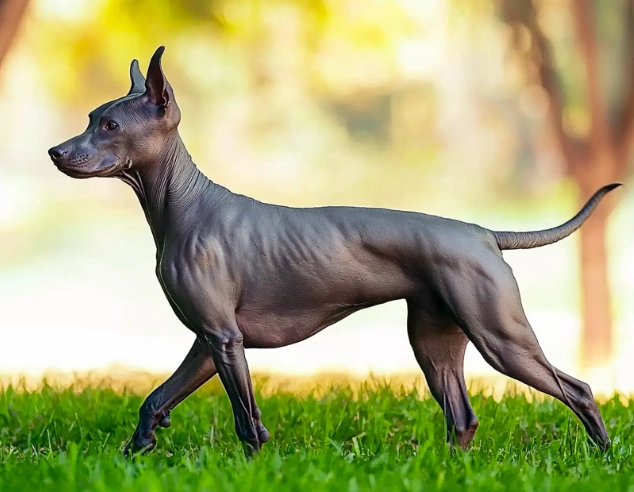
Skin Care is EVERYTHING
Think of their skin like your own, but more sensitive. You can't just forget about it.
- Bathing: Once a week with a mild, moisturizing dog shampoo (oatmeal-based ones are often good) to prevent clogged pores and blackheads. You need to rinse thoroughly. Any residue can cause breakouts.
- Moisturizing: After every bath, and sometimes in between, you need to apply a dog-safe moisturizer or a light, natural oil like coconut or almond oil. Their skin can get dry and flaky, especially in winter with indoor heating.
- Acne: Yes, adolescent Xolos get pimples, especially on their chin. Don't pop them! Keep the area clean. It usually clears up as they mature.
- Sun Protection: This is massive. Their skin has no natural protection. On sunny days, they need dog-safe sunscreen (zinc oxide is toxic to dogs if ingested, so avoid human sunscreens with it) applied to exposed areas, especially the back, ears, and nose. Better yet, get them a lightweight UV-protection shirt for long outdoor sessions. A sunburn on a dog is painful and can lead to skin cancer.
- Cold Protection: No fur means no insulation. When it's chilly, your Egyptian hairless dog needs a sweater or coat. Seriously. They get cold easily and will shiver. A cozy dog bed away from drafts is a must.
See what I mean? It's a commitment.
Diet, Exercise, and Grooming (Yes, Grooming!)
They need a high-quality diet to support healthy skin. Some owners find foods rich in omega-3 and omega-6 fatty acids help. Watch for food allergies, which can manifest as itchy skin or rashes.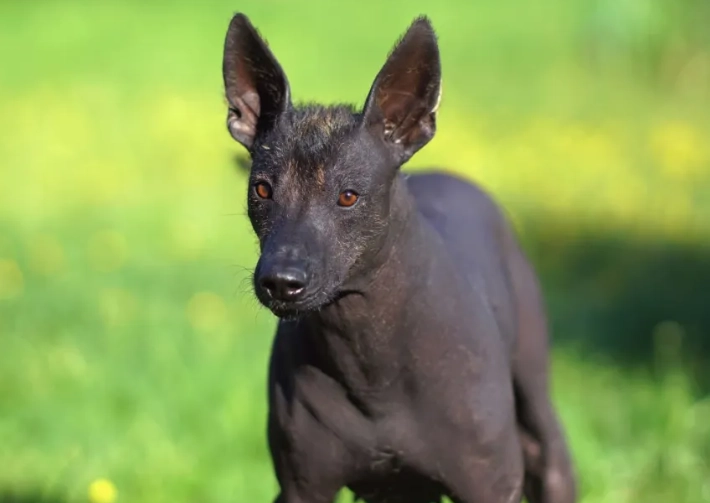
Exercise needs are moderate. A couple of good walks a day and some playtime in a secured yard are usually enough. They are sprinters, not marathon runners.
Grooming? They have hair on their heads (crests), feet, and tails sometimes. That needs occasional brushing. Their nails grow fast and need regular trimming because they don't get worn down as much. And here's the big one: Dental Care. The hairless variety often has incomplete dentition—missing or oddly shaped teeth. This is a direct result of the hairless gene. It makes them prone to dental disease. You must brush their teeth regularly and get professional veterinary cleanings. The American Veterinary Medical Association (AVMA) has great resources on why pet dental health is critical, and it's doubly true for Xolos.
Pro Tip from an Owner I Know: "I keep a little skincare kit for my boy: his shampoo, his lotion, his sunscreen, and his toothbrush, all in one basket. It makes the routine easier. And I never, ever skip sunscreen. It's just part of leaving the house, like putting on my shoes."
Health Concerns You Need to Be Aware Of
Beyond the skin and dental issues, they are generally a healthy, hardy breed (they've survived for millennia, after all). But responsible ownership means knowing the risks.
- Skin Issues: We've covered them, but it bears repeating: sunburn, dryness, acne, and susceptibility to cuts and scrapes.
- Dental Issues: Missing premolars, crowded teeth, early periodontal disease.
- Joint Issues: Like many breeds, they can be prone to hip dysplasia and luxating patellas (knee caps that slip out of place), especially in the Toy variety.
- Progressive Retinal Atrophy (PRA): An eye disease that can lead to blindness. Reputable breeders test their breeding stock for this.
- Xolo Skin Sensitivity: They can be sensitive to certain chemicals, fabrics (like wool), and even some flea/tick preventatives. Always patch-test new products.
A good breeder will provide health clearances from the Orthopedic Foundation for Animals (OFA) or similar organizations for hips, knees, eyes, and heart. The American Kennel Club's Xoloitzcuintli breed page lists recommended health testing, which is a great benchmark.
Their lifespan is typically 13-18 years, which is fantastic.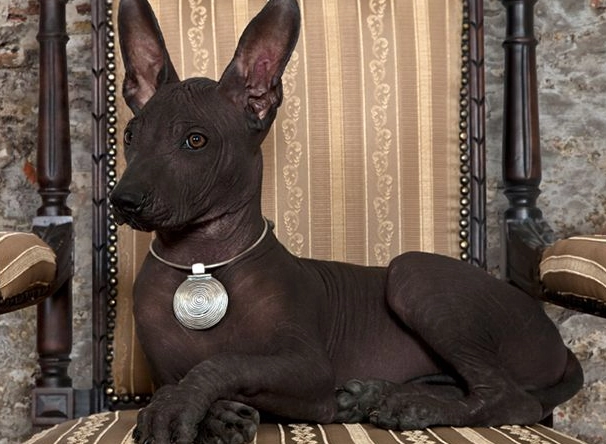
Egyptian Hairless Dog vs. Xoloitzcuintli vs. Other Hairless Breeds
Let's clear the air with a direct comparison. This is where a table really helps.
| Breed/Name | Origin | Key Distinguishing Features | Temperament Notes |
|---|---|---|---|
| Xoloitzcuintli (Xolo) | Mexico | Comes in Hairless & Coated varieties. Three sizes (Toy, Mini, Standard). Skin is smooth, often dark. "Tufts" of hair on head/feet/tail common. | Calm, alert, reserved with strangers, loyal. Ancient, primitive breed traits. |
| "Egyptian Hairless Dog" (Common Usage) | N/A (Misnomer) | Usually just a Xoloitzcuintli. Sometimes confused with other breeds. | See Xoloitzcuintli. The name implies no separate breed standard. |
| Chinese Crested | Africa/China (debated) | Two varieties: Hairless (with "powderpuff" coated relatives) and Powderpuff. More delicate bone structure. Hairless version has silky hair on head (crest), feet (socks), and tail (plume). | Playful, affectionate, lively, "lap dog" personality. More outgoing than the Xolo. |
| Peruvian Inca Orchid (Perro sin Pelo del Perú) | Peru | Elegant, slim, greyhound-like build. Skin can be many colors and patterns. Also comes in coated variety. No hair tufts on head. | Noble, fastidious, sensitive. Can be more aloof and even more sensitive than the Xolo. |
See the difference? The "Egyptian" tag is just a nickname.
People also ask about the "American Hairless Terrier." That's a completely different breed originating from Rat Terriers in the USA, and they have a very different, energetic terrier personality.
Finding and Choosing Your Companion
If you've read this far and are still interested, bravo. You're doing your homework. Here's how not to get scammed.
AVOID: Anyone advertising "Rare Egyptian Hairless Dogs" or "Pharaoh Dogs" online, especially at prices that seem too good to be true. These are often puppy mills or backyard breeders capitalizing on the exotic name to sell poorly bred Xolos (or worse, mixed breeds with health problems) at high prices.
SEEK: A responsible, ethical breeder who:
- Primarily calls them Xoloitzcuintli.
- Is registered with the national breed club, like the Xoloitzcuintli Club of America.
- Health tests their breeding dogs (and shows you the certificates).
- Raises puppies in their home, not in a kennel.
- Asks you as many questions as you ask them.
- Has both hairless and coated Xolos, as they must be bred together.
- Provides a contract that includes a health guarantee and requires you to return the dog to them if you can't keep it.
Consider Adoption: Breed-specific rescues sometimes have Xolos needing homes. These are often adult dogs, which can be a great way to skip the puppy stage and give a great dog a second chance. The breed club's website is the best place to start looking for reputable rescues.
What's the Cost?
From a good breeder, a Xoloitzcuintli puppy can cost anywhere from $1,500 to $3,000+, depending on size, variety, and lineage. The initial cost is just the start. Budget for high-quality food, regular vet checks (with potential dental work), skincare products, clothing, and insurance.
Frequently Asked Questions (FAQs)
Is the Egyptian hairless dog really from Egypt?
No, it's almost certainly not. The name is a modern misnomer. The ancient hairless dogs associated with Egypt are not the same breed as the modern Xoloitzcuintli. There is no recognized modern breed called the Egyptian Hairless Dog.
Are Egyptian hairless dogs completely hairless?
No true hairless dog is 100% hairless. Xolos often have coarse, wiry tufts of hair on the top of their head (the "crest"), on their feet, and on the tip of their tail. This is normal and part of the breed standard.
Are they hypoallergenic?
This is a tricky one. They shed very little dander (skin flakes) compared to a furry dog, which is the main allergen for many people. However, people can also be allergic to dog saliva or urine. No dog is 100% hypoallergenic. If you have allergies, spend extended time with a hairless Xolo before committing to see how you react.
Do they get cold easily?
Absolutely. They have no fur coat. In cool or cold weather, they need sweaters, coats, and warm bedding. They love to burrow under blankets. In many climates, they are primarily indoor dogs.
Are they good for first-time dog owners?
I'd be cautious about recommending them as a first dog. Their specialized skin care needs, potential for stubbornness, reserved nature, and need for early socialization require a dedicated and somewhat experienced owner. A first-time owner who does tons of research and is prepared for the routine could succeed, but it's not the easiest path.
What's the difference between a Xolo and an "Egyptian" one?
In practical terms, there is no difference if you're talking about a real dog. "Egyptian Hairless Dog" is just a nickname or a misidentification. The real, purebred dog is the Xoloitzcuintli.
Final Thoughts: Is This the Right Dog for You?
Look, the Egyptian hairless dog—the Xolo—isn't for everyone. It's a commitment to a skincare routine, a thoughtful approach to training and socialization, and acceptance of a unique, ancient personality. They are not a fad or a novelty accessory. They're a living piece of history with very modern needs.
But if you want a loyal, quiet, intelligent companion who will turn heads and start conversations, if you don't mind a bit of extra grooming (just of a different kind), and if you appreciate a dog with a profound and solemn presence, then this might just be your perfect match. Just please, call it by its real name: the Xoloitzcuintli. It's earned it.
Do your research, connect with the breed club, meet some owners and their dogs, and be brutally honest about your lifestyle. Bringing any dog home is a big decision, but with a breed as special as this, it's more like welcoming a new family member with a 3,000-year-old soul.
Comment