Quick Navigation
Let's be honest, the first time you see a hairless dog, you do a double-take. It's not your average golden retriever. There's something ancient, almost otherworldly, about them. I remember visiting a dog show years ago and stumbling upon the Chinese Crested ring. I was fascinated. Some looked like elegant little deer, others had these wild tufts of hair. But the real shocker was the Xoloitzcuintli – a name I couldn't pronounce but a presence I couldn't forget. They moved with a quiet dignity that felt completely different from the bouncing balls of fur in the other rings.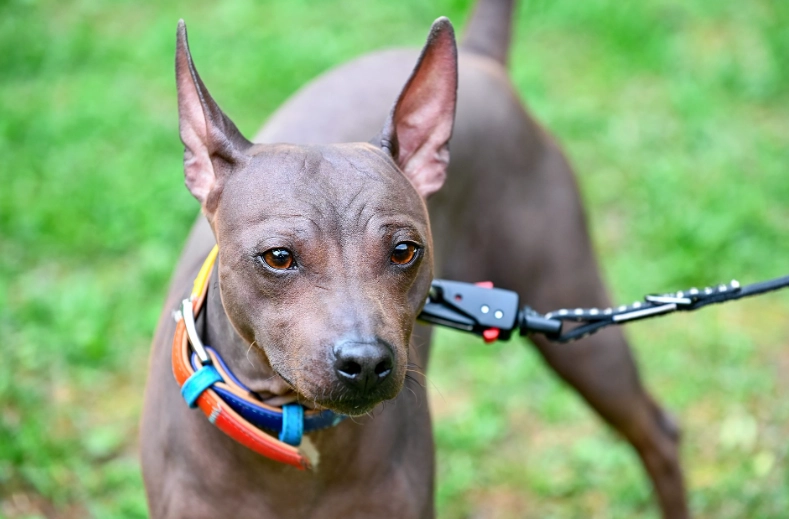
That curiosity is probably what brought you here. Maybe you have allergies and you're desperately searching for a "hypoallergenic" solution. Maybe you're just intrigued by the unusual. Whatever the reason, owning a hairless dog breed is a unique commitment. It's not just about having a pet that doesn't shed; it's about embracing a whole different set of rules for pet care.
Meet the Family: The Main Hairless Dog Breeds
Contrary to what you might think, there isn't just one type of hairless pup. Several distinct breeds carry the hairless gene, and each has its own personality, history, and look. Let's get acquainted.
The Ancient Ones: Xoloitzcuintli (Mexican Hairless Dog)
Pronounced "show-low-eats-queen-tlee" (just call them Xolo, trust me), this is the granddaddy of hairless dog breeds. They've been around for over 3,000 years. The Aztecs believed they guided souls to the underworld. Today, they're a national treasure of Mexico. They come in three sizes: toy, miniature, and standard. Their skin is smooth and tight, often a dark slate gray, but can also be spotted or bronze. Temperament-wise, they're calm, alert, and deeply loyal to their family. They can be aloof with strangers, which makes them decent watchdogs. They're not yappy, but they have a serious, thoughtful energy about them. The American Kennel Club has a great breed standard page if you want to dive into the official specifics.
The Showstoppers: Chinese Crested
These are the ones you probably picture. They come in two varieties: the Hairless (with signature tufts on the head, feet, and tail) and the Powderpuff (which is fully coated – a genetic surprise!). The hairless variety has soft, warm skin that can be prone to acne and blackheads if not cared for. They are the clowns of the hairless world. Playful, affectionate, and downright silly sometimes. They love to burrow under blankets and are true lap dogs. They're also surprisingly agile and love to perform. I've seen one do backflips for treats. They're not the hardiest dogs, though. They get cold easily and can be a bit fragile, so they're not ideal for roughhousing with young kids.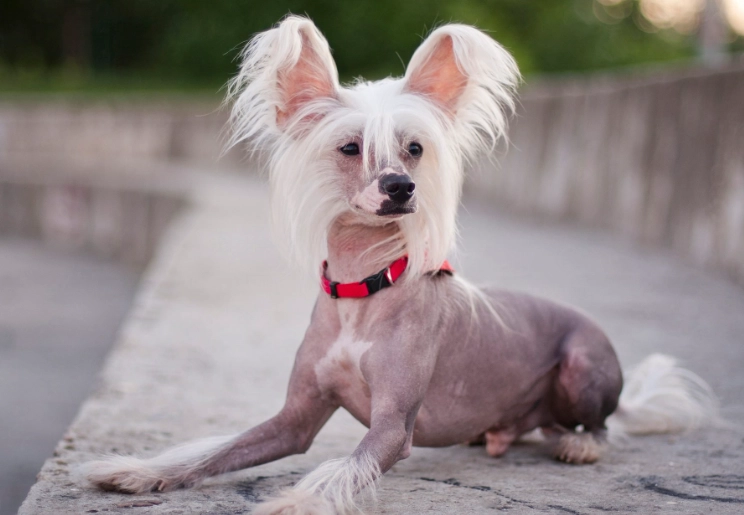
The Rare Gems: Peruvian Inca Orchid & Others
The Peruvian Inca Orchid is another ancient, elegant sighthound-type breed. They're even-tempered, fastidious, and bond intensely with one person. They're much rarer outside of Peru. Then you have breeds like the American Hairless Terrier (which is a different genetic mutation from the others and is truly completely hairless, even lacking whiskers) and the rare Argentine Pila Dog. For most people looking into hairless dog breeds, the choice will realistically be between the Xolo and the Chinese Crested.
| Breed | Size | Temperament | Key Care Focus | Best For |
|---|---|---|---|---|
| Xoloitzcuintli | Toy to Standard (10-50 lbs) | Calm, Loyal, Aloof, Watchful | Skin protection, socialization | Quiet homes, experienced owners |
| Chinese Crested (Hairless) | Toy (5-12 lbs) | Playful, Affectionate, Clownish | Skincare (acne), dental care, warmth | Companionship, apartment living |
| American Hairless Terrier | Small to Medium (12-16 lbs) | Energetic, Inquisitive, Terrier-spunk | Sun protection, exercise | Active families, terrier fans |
| Peruvian Inca Orchid | Small to Large (9-55 lbs) | Reserved, Elegant, One-person dog | Skin sensitivity, bonding | Single owners, calm environments |
The Real Deal on Care: It's Not Just a Fashion Statement
Here's where most blogs sugarcoat things. I won't. Owning a hairless dog is high-maintenance. If you want a low-effort pet, get a fish. The care for these hairless dog breeds is specialized and non-negotiable.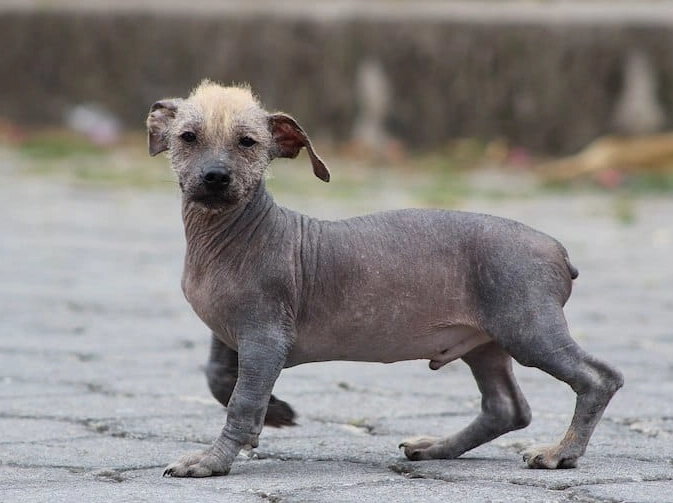
Skincare is Everything (Yes, Really)
Their skin is exposed to everything. Think of it like caring for your own skin, but on a creature that rolls in grass and tries to eat bugs. You need a routine.
- Bathing: Once a week is the golden rule. Use a mild, hypoallergenic, moisturizing dog shampoo. Human shampoo is too harsh – it strips their natural oils and leads to dry, flaky, or oily skin. I like oat-based formulas.
- Moisturizing: After every bath, and sometimes in between, you need to apply a dog-safe moisturizer or a light, natural oil like coconut or almond oil. Their skin gets dry easily. Forget this step, and you'll have an ashy, itchy dog.
- Sun Protection: This is critical. They sunburn in minutes. You must use a pet-safe sunscreen (zinc oxide is a common safe ingredient) on any exposed skin before going outside on sunny days. Or get them cute little shirts and hats. Seriously. The ASPCA has warnings about sun safety for all pets, but for hairless breeds, it's a daily necessity, not just a summer tip.
- Acne & Blackheads: Especially common in Chinese Cresteds. Their pores can get clogged. Regular gentle washing helps, but sometimes you might need special wipes. Don't pop them! You can cause infection.
Temperature Management is a Constant Job
They can't regulate their temperature like a furred dog. They get cold incredibly easily and can also overheat if left in direct sun. Your home needs to be comfortably warm year-round. Think of them as little, walking temperature gauges. In summer, they might seek out cool tile floors; in winter, they'll be under the blankets with you. Always feel their skin. If they feel cool to the touch, they're cold.
Dental Issues: The Hidden Challenge
This one catches people off guard. In many hairless breeds (particularly the Xolo and Chinese Crested), the hairless gene is linked to incomplete dentition. They are often born missing teeth, and the teeth they do have can be prone to decay and early loss. You must be religious about dental care from puppyhood: daily brushing, dental chews approved by your vet, and regular professional cleanings. It's a major, often expensive, part of their health maintenance.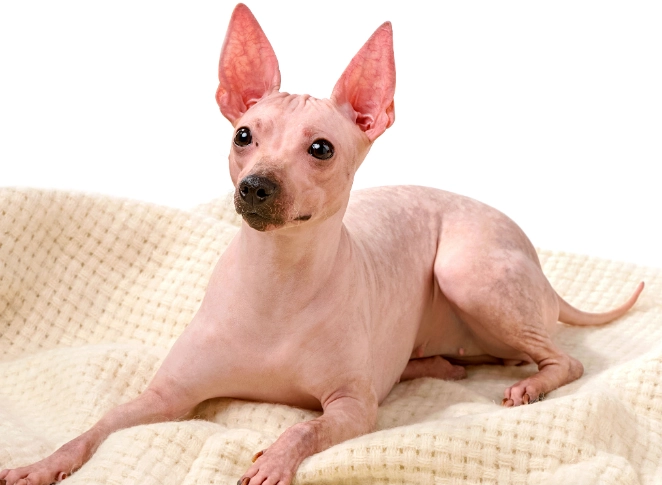
Diet and Exercise: Pretty Standard, But...
Their dietary needs aren't wildly different, but their skin health can be influenced by diet. A high-quality diet rich in omega-3 and omega-6 fatty acids (found in fish oils) can promote healthy skin. Exercise needs vary by breed. A Xolo needs a good daily walk and mental stimulation. A Chinese Crested can often get its exercise playing indoors. The American Hairless Terrier has that classic terrier energy and needs more active play.
The Hypoallergenic Myth: Let's Clear the Air
This is the big one. Most people look at hairless dog breeds because of allergies. I need to be brutally honest here.
No dog is 100% hypoallergenic. The main allergen for most people is a protein found in dog dander (dead skin cells), saliva, and urine. Since hairless dogs have skin, they still produce dander. They lick themselves, so they have saliva on their skin. However, because they don't have fur to trap and shed the dander into the air, many allergy sufferers find they react less severely to hairless breeds. It's a reduction, not an elimination.
The real benefit is the lack of hair. No fur means no hair clinging to your couch, clothes, and carpets, which is a huge source of allergens in the home environment. So, while you might still sneeze if the dog licks your face, you won't be living in a cloud of floating hair and dander.
Common Health Issues to Watch For
Beyond the dental and skin issues we've covered, being aware of breed-specific health problems is part of being a responsible owner. Reputable breeders test for these.
- Skin Conditions: Prone to sunburn, acne, dry skin, and fungal or bacterial infections if not cared for properly. They can also get cuts and scrapes more easily without a fur coat for protection.
- Patellar Luxation: Especially in the toy-sized breeds like the Chinese Crested. This is a slipping kneecap.
- Eye Problems: Some breeds, like the Crested, can be prone to eye issues like Progressive Retinal Atrophy (PRA).
- Deafness: There is a noted incidence of deafness, particularly in predominantly white Chinese Cresteds.
Always, always get a puppy from a breeder who does genetic health testing and can provide you with the Orthopedic Foundation for Animals (OFA) or other registry results for the parents. The OFA website is a key resource for understanding these health certifications.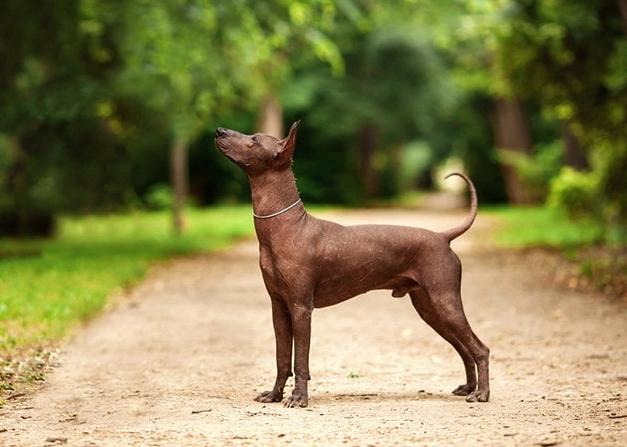
Frequently Asked Questions About Hairless Dog Breeds
Let's tackle the stuff you're actually typing into Google.
Are hairless dogs good with kids and other pets?
It depends entirely on the breed and the individual dog's socialization. Chinese Cresteds are generally good with gentle, older children but can be fragile for toddlers. Xolos are often better with kids they are raised with but can be reserved. Early, positive socialization with other pets is key. Their lack of fur means they can feel vulnerable, so interactions need to be supervised.
Do hairless dogs smell?
Not if you care for them properly. If you don't bathe them regularly, they can develop a distinct, somewhat oily smell because the oils that would coat fur just sit on their skin. A clean, well-moisturized hairless dog should have little to no odor. Some people say they have a faint, warm smell like warm sand or tortillas – which is oddly specific but not unpleasant!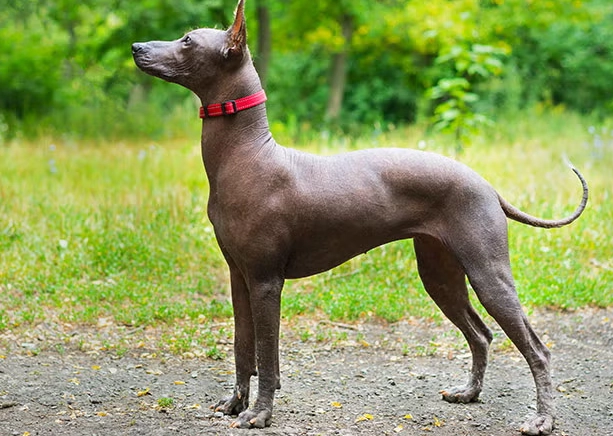
Are they more expensive than other dogs?
Yes, usually. Puppies from reputable breeders can range from $1,500 to over $3,000. Then you have the ongoing costs: specialty shampoos, moisturizers, sunscreen, clothing for all seasons, and potentially higher veterinary costs for dental care. They are not a budget-friendly pet choice.
Do they need special grooming?
Different grooming, not less grooming. You trade brushing for bathing, moisturizing, and skincare. You also need to pay attention to their nails and ears just like any other dog. The hair they do have (on crests, tails, and feet) needs regular trimming and care.
What's their lifespan?
Generally good! Chinese Cresteds often live 13-15 years. Xolos can live 13-18 years. With proper care, they are long-lived companions.
Final Thoughts: Is a Hairless Dog Breed Right for You?
Look, I love these weird, wonderful creatures. But I wouldn't recommend them to everyone. They're a niche pet for a specific kind of person.
You should consider a hairless dog breed if: you are prepared for a significant and non-negotiable grooming/skincare routine, you live in a temperate climate or can control your home's temperature, you have mild allergies or just hate vacuuming fur, you want a deeply bonded, affectionate companion, and you have the budget for potential extra health costs.
You should probably look elsewhere if: you want a low-maintenance dog, you have very young or rambunctious children, you live in an extreme climate, you're not home often to manage their temperature needs, or you're squeamish about skincare (acne, lotions, etc.).
Owning one of these hairless dog breeds is a journey. It's committing to caring for a living being in a way that's completely different from the norm. It's about lotion and sunscreen and cute little sweaters. But the people who own them are almost cult-like in their devotion. They'll tell you about the warmth of their skin, the intelligence in their eyes, and the unique, unbreakable bond that forms when you care for something so vulnerable and unique. It's not for everyone, but for the right person, it's absolutely perfect.
Do your homework. Talk to breeders. Meet the dogs. And if you take the plunge, welcome to the strange and wonderful world of hairless dog ownership. Just don't forget the SPF 30.
Comment