Quick Navigation
- The Short Answer: It Depends (But Usually, Yes)
- Breaking Down ‘Attention’ for Hound Mixes
- Factors That Change the Attention Equation
- So, Are You a Good Match for a Hound Mix?
- Practical Tips for Meeting a Hound Mix's Needs
- Common Questions & Honest Answers
- Final Thoughts: It's a Commitment, But a Rewarding One
So you're scrolling through adoption profiles, and you keep seeing these adorable dogs with long ears, soulful eyes, and descriptions that say "hound mix." Maybe it's a Beagle mix, a Coonhound something-or-other, or just a mystery mutt with that classic hound look. They're cute, no doubt. But then the question hits you, the one that's probably the reason you're reading this: do hound mixes need a lot of attention?
Let's cut to the chase. The short, honest answer is... usually, yes. More than a lot of people expect. But before you close this tab and decide a goldfish is a better pet, hear me out. "A lot of attention" doesn't just mean they're clingy lap dogs (though some can be). It's a specific kind of attention. It's about managing their deep, hardwired instincts. I've seen friends adopt what they thought was a chill mixed breed, only to find a nose-powered tornado living in their house because they weren't prepared.
It's not a flaw. It's just who they are.
This guide isn't here to scare you off. It's here to get real about what you're signing up for. We're going to break down exactly what "attention" means for a hound mix—it's not just cuddle time. We'll talk about the four big pillars: physical exercise, mental stimulation, consistent training, and social interaction. We'll look at how different hound mixes can vary (because a Dachshund mix is a very different beast from a Greyhound mix), and I'll give you the straight talk on whether your lifestyle is a match. My goal is to make sure you and your potential pup are set up for success, not surprise.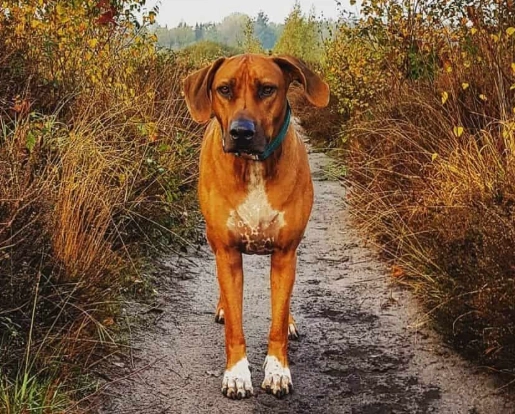
The Short Answer: It Depends (But Usually, Yes)
Okay, let's expand on that quick answer. Asking if hound mixes need a lot of attention is like asking if a sports car needs a lot of maintenance. You can ignore it, but things will start to go wrong in expensive and loud ways. Hounds were bred for specific jobs—tracking, hunting, chasing, baying. Those instincts don't get switched off because they're mixed with a Labrador or a Border Collie. In many cases, the mix can even amplify certain traits.
The big misconception: People often mistake a tired dog for a mentally satisfied dog. You can walk a hound mix for an hour, and they'll still be ready to follow a scent trail for three more. The attention they crave is often mental as much as it is physical. Without it, you get boredom. And a bored hound mix is a master of creative destruction—chewed baseboards, "redecorated" couches, and symphonies of howling.
So, do hound mixes need a lot of attention? Yes, but the critical follow-up question is: What kind of attention? And are you willing and able to provide it consistently, every single day? That's what we'll unpack.
Breaking Down ‘Attention’ for Hound Mixes
When we say "attention," we're not just talking about petting them while you watch TV (though they might love that too). We're talking about a cocktail of needs that, if unmet, lead to problem behaviors. Let's categorize it.
1. Physical Exercise Needs: It's Not Just a Walk in the Park
Most hound mixes have stamina. Their ancestors ran for miles tracking game. A leisurely 15-minute potty walk around the block won't cut it. They need sustained, purposeful activity.
- Sniffaris: This is my top tip. Turn a walk into a scent-based adventure. Let them lead, let them sniff that fire hydrant for a full minute. A 30-minute "sniffari" where they use their brain is often more tiring than a 60-minute power walk. This is a core way to answer the need behind do hound mixes need a lot of attention—they need your attention to facilitate their natural behaviors.
- Secure Running: Never, ever trust a hound mix off-leash in an unsecured area. That nose kicks in, and they're gone, deaf to your calls. Fenced dog parks, long-line leashes in fields, or jogging with you are the ways to go.
- Play Style: They often love games that involve chasing or finding things. Flirt poles are fantastic. Fetch? Maybe, if the scent distractions aren't too high.
I remember a friend's Foxhound mix. They'd go for a 5-mile run, and the dog would get home and immediately start pacing, looking for something to do. The running took care of the legs, but not the mind. That's the key distinction.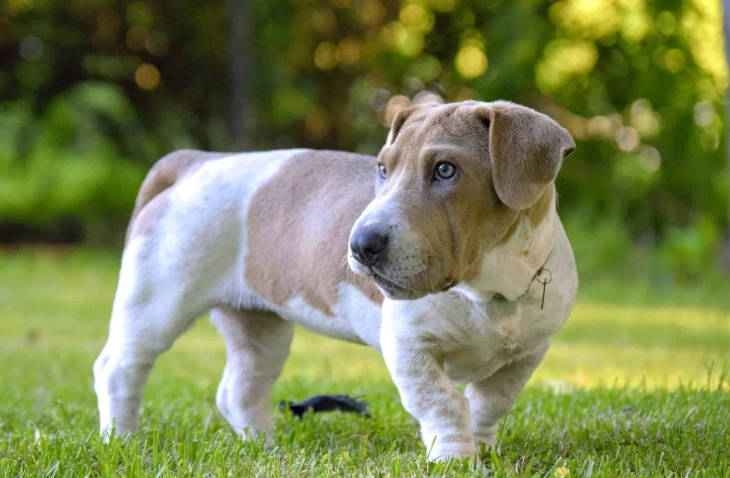
2. Mental Stimulation: The Real Secret to a Happy Hound Mix
This is the non-negotiable. A physically tired but mentally bored hound mix is a problem waiting to happen. You have to work that amazing nose and problem-solving brain.
- Food Puzzles & Slow Feeders: Don't just use a bowl. Make every meal a game. Kongs stuffed with frozen wet food, snuffle mats, puzzle toys that dispense kibble—these are lifesavers.
- Nose Work Games: This is like crack for hounds. Hide treats around a room and tell them to "find it." You can get into formal AKC Scent Work too. It's a brilliant, low-energy way to tire them out.
- Training Sessions: Short, positive, fun training sessions for 5-10 minutes a few times a day. It builds your bond and makes them think.
If you skimp here, you'll be back online searching "why is my hound mix so destructive?"
3. Training & Consistency: The Stubborn Streak is Real
Hounds are known for being independent thinkers. They were bred to make decisions away from their hunter. This can translate to what humans call "stubbornness." They ask, "What's in it for me?" more than a eager-to-please Border Collie does.
Training Tip: High-value rewards are your best friend. Stinky treats like dried liver, cheese, or hot dog bits work wonders. Patience and consistency are everything. They can learn perfectly well, but they may not obey instantly if something more interesting (a squirrel, a smell) is present.
Key areas to focus training on from day one: Recall (come)—this will be a lifelong challenge, manage your expectations; Loose-leash walking—to combat their propensity to pull toward smells; and "Leave it"—for when they find something gross or dangerous on the ground.
4. Social Attention & Companionship
Many hounds are pack animals. They often don't do well being left completely alone for 10 hours a day. This is a huge part of the attention equation. They can be prone to separation anxiety or just plain loneliness, which leads to howling or destruction.
They often thrive with another dog for company, but that's not a fix for a lack of human interaction. They need to be part of the family. If your life is constantly on the go and no one is home, a hound mix might be miserable. Doggy daycare can be a great solution, but it's an added cost.
Factors That Change the Attention Equation
Not all hound mixes are the same. Saying "all hound mixes need a lot of attention" is true, but the degree varies. Here’s a table to break it down by some common mix types.
| Hound Mix Type | Attention Need Level | Primary Need Focus | Notes & Realistic Expectations |
|---|---|---|---|
| Beagle Mix | Very High | Mental Stimulation, Nose Work | Famous for food motivation and stubbornness. Prone to obesity if bored. Their howl/bay is distinctive and can be triggered by loneliness or scents. |
| Coonhound Mix (Bluetick, Treeing Walker, etc.) | Very High | Vigorous Exercise, Purposeful Activity | High energy and stamina. Need a true job or intense activity. Vocal (the classic "baying"). Can be more challenging for novice owners. |
| Dachshund Mix | Moderate to High | Mental Stimulation, Training | Stubbornness is legendary. Big dog in a small package. Prone to back issues, so careful with jumping. Attention needs are more about mental engagement than long runs. |
| Greyhound / Whippet Mix | Moderate (but specific) | Secure Sprinting, Comfort | They are sprinters, not marathon runners. Need short bursts in a safe area, then are colossal couch potatoes. Sensitive souls that need gentle handling. Less "busy" than scent hounds. |
| Basset Hound Mix | Moderate | Nose Work, Low-Impact Exercise | Lower energy but still scent-obsessed. Can be very food-motivated and lazy. Prone to joint and weight issues. Attention needs are more sniff-centric than run-centric. |
| General "Mystery" Hound Mix | Assume High | All Areas: Exercise, Mind, Training | When in doubt, prepare for the highest needs. Observe the dog's individual traits closely after adoption. Structure and routine will be your best tools. |
Other big factors:
- Age: A hound mix puppy or adolescent will need exponentially more attention, training, and supervision than a senior dog.
- The Other Half of the Mix: A hound mixed with a high-energy working breed (like a Cattle Dog or Husky) is an energy bomb. Mixed with a calmer breed (like a Retriever or a companion breed), you might get a more balanced dog, but the hound traits will still be there.
- Individual Personality: Some are just couch potatoes. Some are demons. You often won't know until you live with them.
So, Are You a Good Match for a Hound Mix?
Let's be brutally honest. A hound mix isn't for everyone. Asking do hound mixes need a lot of attention is the first step to responsible ownership. Here's a quick checklist.
The Ideal Hound Mix Owner...
- Has an active lifestyle and enjoys long, meandering walks.
- Has a secure, fenced yard (or reliable access to one).
- Is patient, consistent, and uses positive reinforcement training.
- Has time to dedicate to mental games and training most days.
- Doesn't mind some dog hair and drool.
- Has a tolerance for vocalizations (howling, baying, barking).
- Isn't gone from home for 8+ hours regularly without a plan for the dog.
Think Twice If...
- You want a dog you can trust 100% off-leash in an open area.
- You live in a small apartment with no easy access to green spaces for sniffing.
- You are away from home most of the day and night.
- You get easily frustrated by stubborn behavior.
- You or your neighbors have very low tolerance for noise.
- You're looking for a low-maintenance, "easy" first dog.
It sounds strict, but it's better to be honest now than to have a failed adoption later. Shelters are full of hound mixes because people weren't prepared for their needs.
Practical Tips for Meeting a Hound Mix's Needs
Okay, so you've read this far and you're still interested. Great! Here's your action plan.
Creating a Daily Routine
Hound mixes thrive on predictability. A sample day might look like this:
- Morning: 30-45 minute walk/sniffari. Breakfast in a puzzle toy.
- Midday: If you're home, a short training session or a frozen Kong. If you're out, consider a dog walker or daycare.
- Evening: Another 30+ minute walk or play session in the yard. Dinner in a different puzzle or snuffle mat.
- Night: Calm cuddle time or a chew bone while you relax. Maybe a quick "find it" game with treats.
Essential Gear & Investments
- A No-Pull Harness: Save your shoulders. A front-clip harness gives you more control when they catch a scent.
- A 15-30 Ft Long Line: For safe "freedom" in parks or fields.
- Puzzle Toy Arsenal: Don't have just one. Have a rotation.
- High-Value Treats: Keep a stash for training emergencies.
- White Noise Machine: For if they are prone to barking at outside sounds when you're gone.
What to Do When You Can't Give Constant Attention
You have to work, run errands, live your life. The key is to set them up for success.
- Exercise and Mentally Tire Them First: A good walk and a puzzle before you leave.
- Create a Safe, Comfortable Space: A crate or a puppy-proofed room.
- Provide a Super Awesome "Busy" Item: A frozen Kong stuffed with their favorite stuff is the gold standard for alone time.
- Consider a Mid-Day Break: A dog walker, a neighbor, or coming home for lunch can break up a long day.
Prevention is everything.
Common Questions & Honest Answers
Final Thoughts: It's a Commitment, But a Rewarding One
So, after all this, do hound mixes need a lot of attention? I think you know my answer. They demand a specific, engaged, and consistent kind of care. They are not background pets. They are interactive, sometimes challenging, partners.
But here's the flip side. When you meet their needs, the rewards are incredible. There's nothing like the joy on a hound's face when they're on a scent trail you laid for them. Their goofy, affectionate personalities can fill a home with laughter. Their loyalty, once earned, is deep. They are dogs with character, not generic.
The worst thing you can do is bring one home expecting a low-maintenance dog. You'll both be unhappy. The best thing you can do is go in with eyes wide open, ready to engage with their unique minds. If you can provide the structure, the activity, and the mental games, a hound mix can be one of the most wonderfully satisfying dogs you'll ever own.
Do your homework. Talk to rescues and fosters about the specific dog's personality. Be honest with yourself about your lifestyle. If it's a match, you're in for a fantastic, nose-led adventure.
Comment