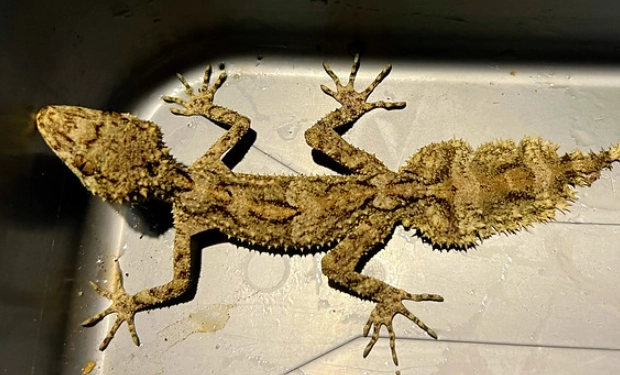
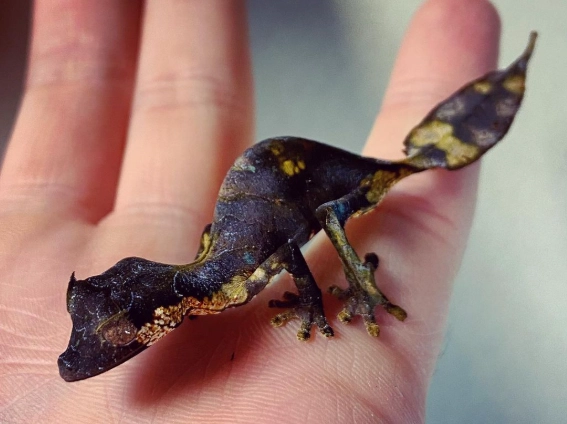
You're walking along a sandstone track in the Royal National Park, just south of Sydney. The air smells like eucalyptus and damp earth. You glance at a rock face, maybe looking for a view, and see... nothing. Just lichen and weathered stone. Then, a slight movement. A shape that wasn't there a second ago seems to materialise from the rock itself. You've just been outsmarted by one of Sydney's most fascinating native reptiles: the Southern Leaf-tailed Gecko (Saltuarius swaini). This isn't your average suburban gecko. Forget the tiny, chirping house geckos. The leaf-tail is a robust, prehistoric-looking creature that epitomises adaptation. For Sydney-siders and visitors with a keen eye, finding one is a quiet triumph. But most people walk right past them, which is exactly what the gecko intends. Let's clear something up first. The name "leaf-tailed" is a bit of a misnomer for the Sydney population. In northern Queensland, their cousins have broad, flat tails that look like dead leaves. Down here, the tail is more like a tapered, leafless extension of the body, often with notches and ridges that perfectly mimic broken rock and bark. It's a rock-tail, really. They're sizable geckos. Adults can reach 20-25cm from snout to tail tip. Their head is large, triangular, and distinct from the neck, with big, lidless eyes perfectly adapted for nocturnal hunting. Their skin is a complex mosaic of greys, browns, blacks, and creams, often with lichen-like patterns. The real magic is their texture. Their skin and the fringe along their sides and limbs are covered in tiny projections that break up their outline and trap shadows, making them virtually indistinguishable from their surroundings. Size: Up to 25cm total length. They're not evenly spread across the city. Their distribution is tightly linked to two things: sandstone geology and intact bushland with complex structure. You won't find them in manicured parks or全新 suburbs with no old trees. Your best bets are the national parks and larger reserves that fringe the city. Here are the top locations, based on both official records and years of anecdotal reports from local bushwalkers and herpetologists: A common mistake is looking only on rocks. While they love sandstone outcrops, they are just as often—if not more so—on large tree trunks, especially those with deeply fissured bark. An old angophora or turpentine can be a high-rise apartment for these geckos. I've spent countless hours looking for these guys. The first ten times, I saw nothing. Then, your eyes adjust. Here’s what works. Go at night. An hour after sunset is prime time. Use a headlamp or torch, but here's the pro-tip almost no one mentions: use a red light filter if you can. White light will make them freeze. Red light is less intrusive, and their eyeshine (a faint orange-red gleam) is easier to pick up without spooking them. A decent LED headlamp with a red mode is a game-changer. Don't walk and look. Stop. Scan a single tree or rock face slowly from bottom to top. Look for: Anomalies. A lump that seems too symmetrical. A "knob" on a tree that follows the vertical grain instead of the horizontal. I once stared at what I thought was a peculiar knot on a scribbly gum for five minutes. It was a large female, perfectly aligned with the tree's vertical scars. She only moved when I took a step closer. If you find one, observe from a distance. Don't try to catch or handle it. They are protected native fauna. The stress can cause them to drop their tail—a costly energy loss for them. Take a photo with a zoom lens, admire your find, and move on quietly. This is the question that excites a lot of people. The answer is a solid maybe, if you're lucky. They are not typical backyard reptiles. They need structural complexity. If your property backs onto bushland, especially sandstone-based bush, and you have: ...then you have a chance. I know of a property in Frenchs Forest where the owners found one on their woodpile for three summers in a row. They stopped using pesticides and left a section of the garden completely wild. The gecko was a reward for that neglect. You're more likely to attract skinks or blue-tongues. But creating a habitat suitable for a leaf-tail is the gold standard for a wildlife-friendly Sydney garden. It means you're supporting a whole ecosystem of insects and shelter. These geckos aren't currently listed as threatened, but they face the same pressures as all Sydney wildlife: habitat loss and fragmentation. A new housing development that clears a patch of bushland doesn't just remove a few trees—it severs a corridor they might have used for generations. Another under-discussed threat is the illegal pet trade. Their incredible appearance makes them desirable. Taking one from the wild is illegal, harms local populations, and often results in a stressed animal that doesn't survive long in captivity. If you're passionate about them, support licensed breeders who work with captive-bred animals, or better yet, join a local conservation group like the Australian Herpetological Society and help protect their natural habitat. Finding a Southern Leaf-tailed Gecko in Sydney isn't about luck. It's about understanding a slice of the bush that most people overlook. It's a lesson in patience and perception. Next time you're in one of those beautiful sandstone gullies, slow down. Look at the trees not as a green backdrop, but as individual structures. That odd, textured patch just might be looking back at you, having been there all along.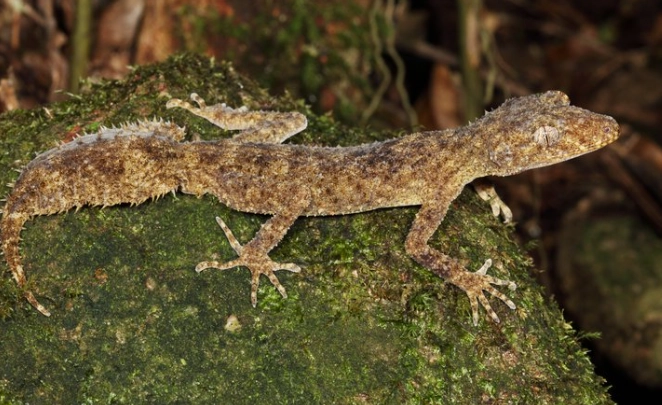
Your Quick Guide to Sydney's Leaf-tailed Gecko
What Exactly Is a Southern Leaf-tailed Gecko?
A Quick Profile: Saltuarius swaini
Activity: Strictly nocturnal. They spend daylight hours pressed flat against a tree trunk or rock.
Diet: Carnivorous. They're ambush predators, waiting for insects, spiders, and even other small geckos to wander by.
Distinct Feature: Lack of sticky toe pads. Unlike most geckos, they have claws for gripping rough surfaces.
Sound: They can emit a loud, defensive screech or bark if threatened.Where to Find Leaf-tailed Geckos in Sydney
Location
Type of Habitat
Best Access Points & Tips
Royal National Park
Sandstone gullies, rainforest margins, near creek lines. Look on Coachwood and Sydney Peppermint trees.
Trails around Audley, along the Forest Path. Go slowly at night with a torch (more on that below).
Ku-ring-gai Chase National Park
Similar sandstone and eucalypt forest. Abundant in areas with large, rough-barked angophoras and scribbly gums.
West Head area, along the America Bay track. The rock overhangs near the Basin are also promising.
Blue Mountains (Lower Slopes)
While not strictly Sydney, the lower Blue Mountains are a stronghold. The habitat is perfect.
Leura, Wentworth Falls areas. Look in the wetter, shaded valleys rather than dry ridgetops.
Lane Cove National Park
Surprisingly good, given its proximity to the city. Riverine forest with sandstone outcrops.
Along the trails that run close to the river, particularly in the less-busy southern sections.
Northern Beaches Reserves
Remnant patches of bushland on the Pittwater peninsula.
Reserves around Church Point, Elvina Bay. Requires local knowledge and permission if on private land edges.
How to Spot One: A Step-by-Step Guide from a Local
1. Timing and Tools Are Everything
2. The Scanning Technique
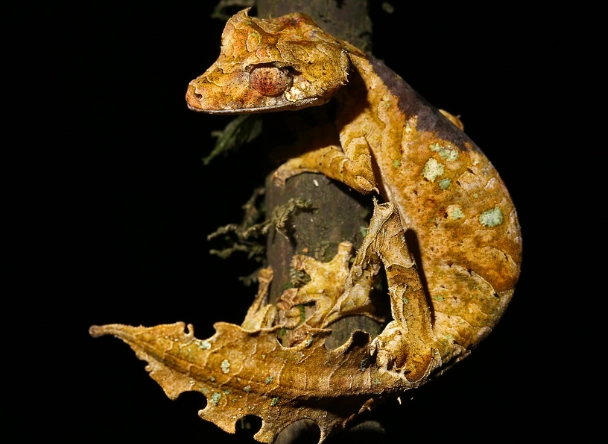
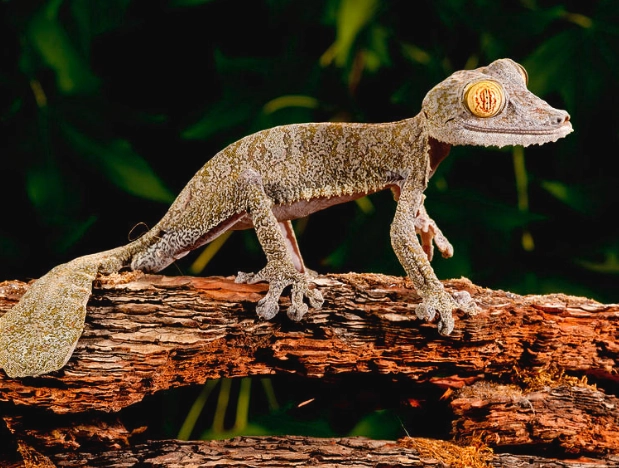
The silhouette. Look for the distinctive triangular head and the jagged fringe along the body. During the day, they flatten themselves incredibly.
The tail. Often the most visible part. Look for a textured, tapered shape that doesn't quite look like a branch.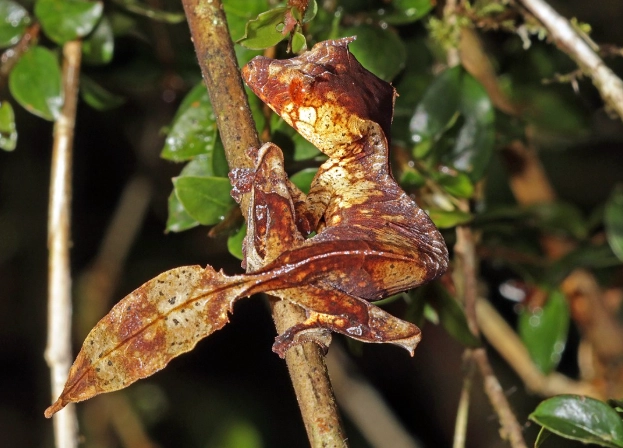
3. Respect and Distance
Could a Leaf-tailed Gecko Be in Your Sydney Backyard?
Protecting Sydney's Cryptic Residents
Your Leaf-tailed Gecko Questions Answered
I live in an inner-west terrace with a small yard. Is there any point in trying to make it leaf-tail friendly?
For attracting a leaf-tailed gecko specifically, the odds in a heavily urbanised inner-west yard are extremely low. They need that direct, undisturbed connection to larger bushland. However, don't let that discourage you! The principles of a good wildlife garden—native plants, pesticide-free gardening, providing rocks and logs for shelter—will absolutely attract other wonderful natives like marble-tailed geckos, skinks, and invertebrates. You're building a stepping stone, which is valuable in itself.
Can I keep a leaf-tailed gecko as a pet in Sydney?
You can, but you must source it from a licensed breeder who sells captive-bred animals, not from the wild. You'll need a reptile keeper's licence from the NSW government. Be warned: they are not beginner pets. They have very specific requirements for vertical space, humidity, temperature gradients, and live food. They are also long-lived (15+ years) and largely a "look, don't touch" pet due to their stress levels. The commitment is substantial. Honestly, for most people, the thrill is in finding and protecting them in the wild.
What's the biggest mistake people make when looking for them?
Moving too fast and looking too high. People scan the canopy. Start at the base of the tree or rock. Look at eye level and just above. They are often lower than you think, especially younger geckos. And give each potential spot a solid 30-second scan. Your brain needs time to process the pattern and see the animal within it.
I think I saw one on my fence, but it was brown and smooth. Could it have been something else?
Almost certainly. The most common lookalike in Sydney backyards is the Asian House Gecko (Hemidactylus frenatus). It's introduced, smaller, has sticky toe pads, is often a pale brown or pinkish colour, and is frequently seen on walls and windows near lights. The leaf-tail is bulkier, textured, cryptic, and shuns lights and smooth surfaces. The Museum of Applied Arts & Sciences has good comparison guides online if you want to be sure.
Comment