You've seen the photos. A delicate white flower that looks like a tiny, elegant mantis poised to strike. The praying mantis orchid, Habenaria radiata, captures imaginations like few other plants. But bringing one home often leads to a quiet tragedy. The leaves yellow, the growth stalls, and it vanishes, leaving you wondering what went wrong. I've been there. After years of trial and error (and losing a few tubers along the way), I've learned it's not about having a green thumb—it's about understanding a completely different set of rules.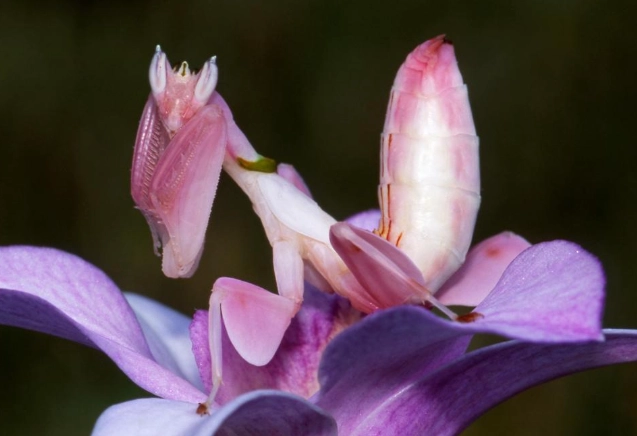
This isn't your average orchid. Treat it like one, and it will die. Here’s what you need to know, stripped of the fluff and focused on what actually works.
What You'll Find in This Guide
What Exactly is a Praying Mantis Orchid?
Let's clear something up first. The "praying mantis orchid" refers specifically to Habenaria radiata (sometimes called the White Egret Flower). It's a terrestrial orchid, meaning it grows in the ground, not in trees. Its home is the damp, sunny grasslands and marshes of Japan, Korea, and parts of China.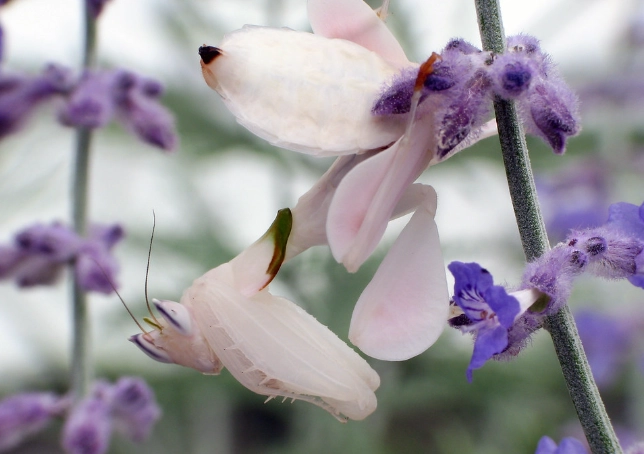
This origin story is everything. It explains why our usual indoor plant habits fail. We're trying to replicate a specific, seasonal outdoor environment on a windowsill.
The flower structure is a marvel of mimicry. The fringed white lip looks like the wings and body of a mantis or an egret in flight. But that stunning bloom is just the finale. The plant's life cycle is a dramatic, all-or-nothing journey. It emerges from a small, underground tuber, puts all its energy into a few grassy leaves and that one incredible flower spike, and then—this is crucial—it dies back completely. It goes dormant.
How to Care for Your Praying Mantis Orchid: A Step-by-Step Guide
Forget the generic orchid advice. Here’s a breakdown based on its natural rhythm.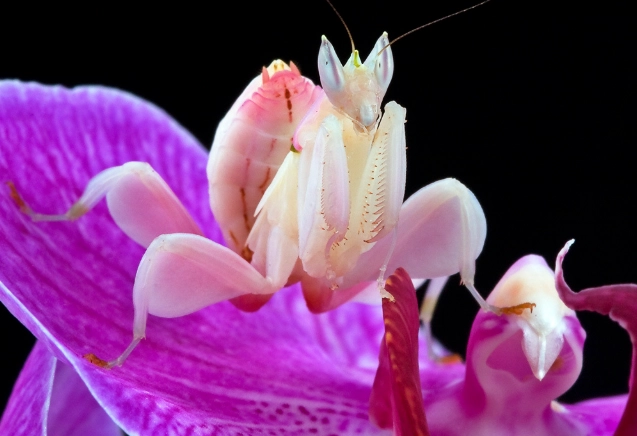
Light: Think Morning Sun, Not Hot Afternoon
Bright, filtered light is the goal. A few hours of direct morning sun is perfect. An east-facing window is ideal. A south-facing window with some sheer curtains can work. A dark corner or a north window? Forget it. The leaves will become weak and floppy, and you'll get no flowers.
If you're growing it in a terrarium or under lights, provide strong, indirect light for 12-14 hours a day. LED grow lights are excellent for this.
Watering: The Tightrope Walk
This is where most people panic and drown the plant. During its active growth period (from when you see the first green shoot until the flowers fade), the potting mix must be consistently moist. Not waterlogged, not soggy, but like a well-wrung sponge.
I water mine by placing the pot in a shallow bowl of water for 10-15 minutes, letting the moisture wick up from the bottom. Then I let it drain completely. I do this whenever the top surface of the moss feels just slightly dry to the touch. In warm weather, that might be every other day. In cooler weather, twice a week.
Soil and Potting: It's All About the Mix
Regular potting soil is a death sentence. It compacts and suffocates the roots. You need an airy, moisture-retentive mix that mimics a boggy grassland floor.
My go-to recipe, which I've tweaked over years:
- 50% Long-fiber sphagnum moss (soaked and squeezed out)
- 30% Fine orchid bark (small grade)
- 20% Perlite or horticultural charcoal
Use a shallow, wide pot rather than a deep one. The roots don't go down far; they spread out. Ensure the pot has excellent drainage holes.
Temperature and Humidity
During growth, aim for daytime temperatures of 70-80°F (21-27°C) and cooler nights. It appreciates humidity above 50%. A humidity tray (a tray filled with pebbles and water) placed under the pot works wonders. Don't mist the leaves directly too often; it can encourage fungal spots.
The Biggest Mistake People Make (And How to Avoid It)
I killed my first two Habenaria radiata plants because of this. The single biggest error is misunderstanding dormancy.
Here’s the scene: Your orchid has finished its beautiful bloom. Over the next few weeks, the leaves start to yellow from the tips back. Your instinct as a plant parent is to panic and water it more, or fertilize it, trying to "save" it.
Stop. You are killing it with kindness.
The yellowing is 100% natural. The plant is entering its dormant phase. The aerial parts are dying back, and the energy is retreating into the tuber to rest. If you keep the soil wet, the dormant tuber will rot in the moist, cool conditions it no longer needs.
The correct dormancy protocol:
- As leaves yellow, gradually reduce watering.
- Once the leaves are completely brown and dry, stop watering almost entirely. Some growers remove the tuber from the pot, wrap it in barely damp sphagnum moss, and store it in a paper bag in a cool (50-60°F/10-15°C), dark place. Others leave it in the pot but move the pot to a cool, dark spot and give it only a tiny splash of water every 4-6 weeks to prevent total desiccation.
- Wait. For 3-5 months. This mimics the winter period in its native habitat.
- The signal to restart is a small, green nub emerging from the tuber. When you see that, repot it in fresh mix, place it in bright light, and resume regular watering. The cycle begins anew.
Getting this dormancy right is the difference between a one-year wonder and a plant that returns for decades.
The Secret to Getting Your Habenaria to Bloom
You've kept it alive through dormancy, and new leaves are growing. But will it flower? Blooming is triggered by two main factors:
1. Sufficient Light During Growth: The plant needs to build up enough energy in the tuber. Weak light equals weak growth equals no flowers. Ensure it gets those bright, direct morning rays.
2. The Dormancy Chill: This is the non-negotiable trigger. The tuber needs that extended period of cool, dryish rest. A constant, warm room temperature year-round often results in foliage-only growth. That cool period (not freezing) tells the tuber it's time to initiate a flower spike when conditions improve.
Fertilizer plays a supporting role. Use a balanced, water-soluble orchid fertilizer at 1/4 strength every other watering during the active growth phase. Stop fertilizing once the flower spike appears and completely during dormancy.
Your Praying Mantis Orchid Questions Answered
Growing the praying mantis orchid is a commitment to observing and replicating a natural cycle. It's not a low-maintenance desk plant. But when you finally see that intricate, ghostly white flower open on a spike you nurtured from a dormant tuber, the effort makes sense. It's a lesson in patience and a connection to a very specific, beautiful corner of the natural world. Start with the right expectations—understand the dormancy—and you might just succeed where so many others have given up.
Comment