Let's be honest, the first time you see a hairless bunny, it's a shock. They look like tiny, wrinkled aliens with huge ears. But spend five minutes with one, and you're hooked. That velvety-soft skin, those expressive eyes—they have a personality that's just as unique as their appearance. I've been raising rabbits for over a decade, and my journey with a hairless doe named Greta taught me more about specialized pet care than all my furred bunnies combined.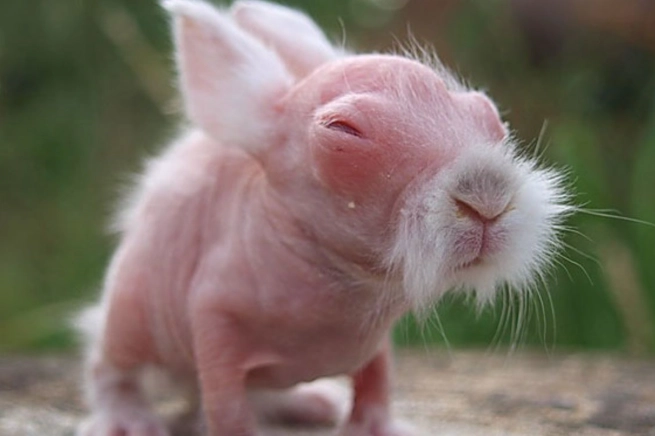
Most guides online repeat the same basic info. I want to give you the real, unfiltered details—the stuff you only learn after months of trial, error, and frantic vet calls.
What’s Inside: Your Quick Reference
Understanding Hairless Bunny Breeds
First, a crucial distinction. "Hairless bunny" isn't one official breed like a Holland Lop. It's a genetic condition that appears in several breeds. The two you'll most likely encounter are the American Hairless Rabbit and the Hairless variety of other breeds (like Rex or Mini Lop).
The American Rabbit Breeders Association (ARBA) recognizes the American Hairless Rabbit as a distinct breed. They're born with a fine coat that falls out by 6-8 weeks, leaving them completely naked except for whiskers. Their skin can be various colors and patterns.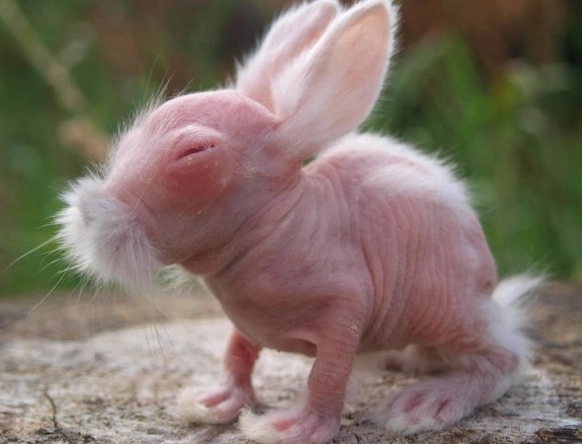
The other type is a spontaneous mutation in a litter of furred rabbits. These kits are often born naked and stay that way. Here's a quick comparison I wish I had when I started:
| Feature | American Hairless Rabbit | Hairless Variant (e.g., from Rex) |
|---|---|---|
| Origin | Intentional breeding, recognized breed. | Genetic mutation in a standard litter. |
| Temperament | Often described as exceptionally docile and human-focused. | Varies widely, often mirrors the base breed's personality. |
| Appearance | Consistently hairless after weaning. Wrinkled skin. | May have patches of fur. Skin texture can vary. |
| Primary Care Focus | Full-body skin protection, temperature regulation. | Same as hairless, plus potential for uneven skin sensitivity. |
Why does this matter? If you're buying from a breeder, an ARBA-recognized American Hairless often comes from a line selected for health and temperament. A random hairless kit from a pet store might have unknown genetic baggage. Always ask for lineage.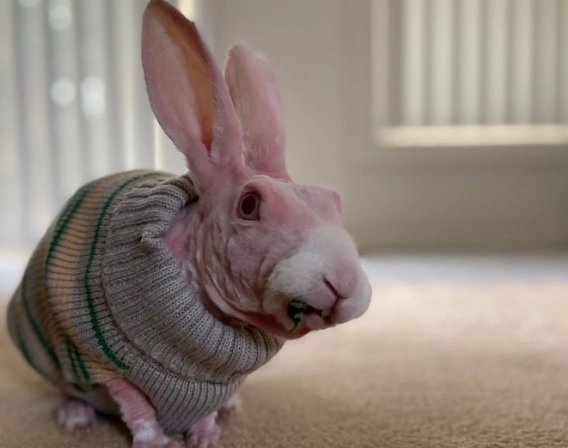
The Daily Care Routine: It's Not Just Cuddles
Forget everything you know about standard rabbit care. A hairless bunny's needs are in a different league. Their lack of fur isn't just cosmetic; it's a full-time management condition.
Temperature is Everything
This is the biggest shock for new owners. A furred rabbit is fine in a cool room. A hairless bunny isn't. They cannot regulate their body temperature effectively. The ideal range is a narrow 70-75°F (21-24°C). Below 68°F (20°C), they start to get cold stress. Above 80°F (27°C), they can overheat fast.
You need a thermostat-controlled space. I use a ceramic heat emitter in one corner of Greta's enclosure for winter, set to a low level. In summer, the room has an air conditioner. Their living area should never be in direct sunlight or drafts.
Skin Care: Baths Are Usually Wrong
The most common mistake? Over-bathing. People see naked skin and think it needs frequent washing. Wrong. Rabbit skin is delicate. Bathing strips natural oils, leading to dryness, cracking, and secondary infections.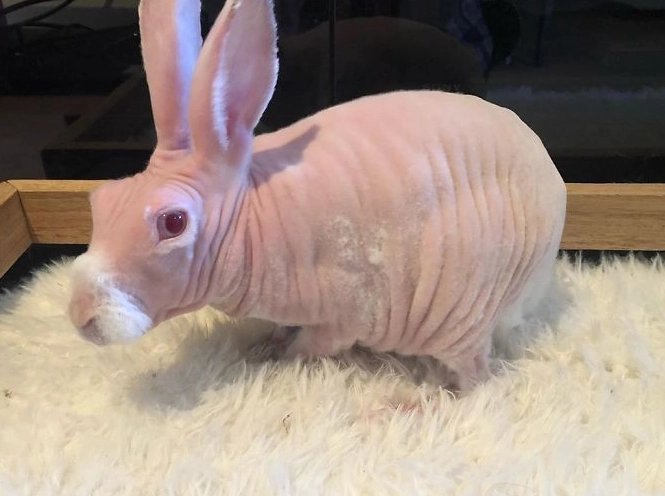
Here's the real routine:
Daily: Wipe-down with a soft, damp cloth (warm water only). Focus on folds, the scent gland under the chin (which can get waxy), and their bottom if needed. Pat completely dry.
Weekly: Check nails and ears. Their ears can accumulate more wax without fur to catch it. Use a vet-recommended ear cleaner on a cotton pad, never a Q-tip deep in the ear canal.
Monthly (or less): Only bathe if they get into something messy. Use a shampoo specifically for sensitive or rabbit skin—never human or dog shampoo. My vet recommended Douxo® Micellar Shampoo for occasional use. Rinse incredibly thoroughly.
Moisturizing? It's debated. Some owners use a tiny amount of pure, organic coconut oil on dry patches. Others say it clogs pores. I've had success with a vet-prescribed, hypoallergenic barrier cream on Greta's elbows in winter. Consult your vet first.
Diet and Digestion: The Internal Shield
Healthy skin starts from within. Their diet must be impeccable to support their immune system and skin integrity.
Unlimited Timothy Hay: Non-negotiable. It's 80% of their diet, aids digestion, and wears down teeth. Avoid Alfalfa for adults—it's too rich.
Fresh Greens: A daily cup of mixed dark leafy greens (romaine, kale, cilantro). Introduce new greens slowly to avoid GI stasis.
Limited Pellets: Just 1/8 to 1/4 cup of high-fiber, plain green pellets daily. No colorful mixes with seeds and corn.
Water: Always fresh, in a heavy bowl they can't tip. They drink more than furred rabbits, partly due to their higher metabolism for warmth.
Housing and Enrichment: Safety First
Forget wire-bottom cages. Their feet have no fur padding. Use solid flooring with a thick layer of soft bedding. I use a layer of recycled paper bedding topped with fleece blankets that I change daily.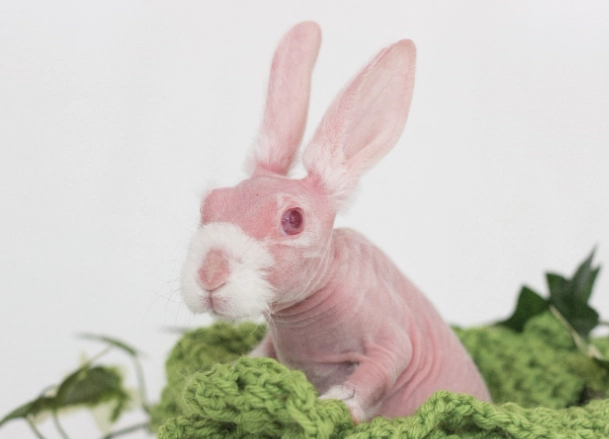
Provide hideouts, but ensure they're soft inside. Cardboard boxes with fleece lining are perfect. They need to feel secure and warm.
Socialization is key. They crave companionship but can be more fragile. Supervised floor time in a bunny-proofed, temperature-controlled room is essential for mental health. Just watch for drafts on the floor.
Common Health Issues and How to Spot Them
You become a part-time dermatologist. The skin is the primary battleground.
Skin Infections (Bacterial/Fungal): Look for red patches, pustules (little pimples), flaky scales, or unusual odor. Their skin should be smooth and clean. Any breach can lead to infection. Treatment requires vet-prescribed topical or oral antibiotics/antifungals.
Parasites: Mites love hairless skin. Signs include excessive scratching, dandruff, and crusts, especially around the ears and neck. Revolution (selamectin) is a common prescription treatment—never use over-the-counter products.
Sunburn: A major, often overlooked risk. They can get severely sunburned in minutes through a window. Keep them away from direct sunlight. If they must be in light, pet-safe sunscreen on ears and back is a must (ask your vet for brands).
Dental Problems: All rabbits are prone to this, but check-ups are even more critical. Without the distraction of fur, you might notice drooling or facial swelling sooner.
You need a rabbit-savvy vet, preferably an exotics specialist, before you even bring your bunny home. Establish a relationship. Expect check-ups every 6-12 months, not just when something's wrong. The American Veterinary Medical Association (AVMA) website can help you locate specialists.
Is a Hairless Bunny Right for You?
They are not beginner pets. They are not low-maintenance. Ask yourself these questions honestly:
Can you handle the ongoing cost? Beyond the initial $100-$300+ for the rabbit, budget for a specialized vet fund, climate control year-round, premium bedding, and high-quality food. It adds up.
Is your lifestyle calm and predictable? They thrive on routine. Loud noises, frequent travel, or a chaotic household will stress them.
Do you have the time? Daily cleaning and observation are mandatory. This isn't a pet you can ignore for a weekend with just a big bowl of food.
If you answered yes, the reward is immense. The bond with a hairless bunny feels different. They seek your warmth and contact constantly. Greta follows me from room to room and sleeps in a fleece pouch on my desk. It's a unique, deeply rewarding commitment.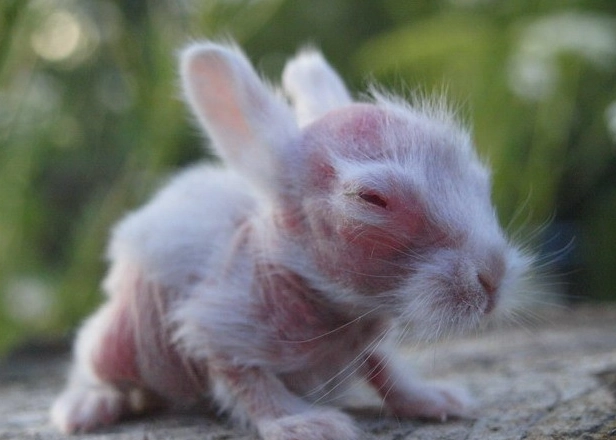
Comment