When most people picture a cat, they imagine a creature of grace and fluff. Maybe a sleek black cat or a ginger tabby. But the feline world holds far more peculiar treasures. Some look like they've stepped out of a fantasy novel. Others move in ways that defy logic. Their very existence challenges our definition of 'cat'.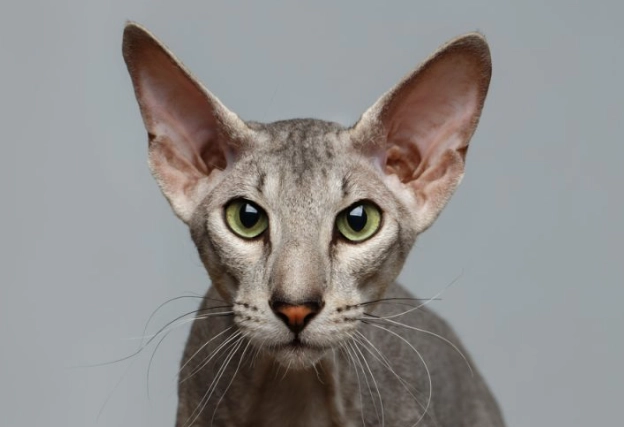
I've shared my life with cats for over two decades. I've cared for Persians, Siamese, and countless moggies. But nothing prepared me for the reality of living with a Sphynx. Or the sheer personality packed into a Munchkin's tiny frame. Honestly, some of these breeds are less like pets and more like permanent, fascinating houseguests with very specific needs.
This isn't just a list of weird-looking cats. It's a guide born from experience, research, and conversations with veterinarians and breeders. We'll explore what truly makes a breed 'odd', meet three of the most unusual, and crucially, discuss what it *really* means to care for one. Because the biggest mistake you can make is falling for the looks without understanding the lifestyle.
What You'll Find in This Guide
What Makes a Cat Breed 'Odd'?
It's not just about being hairless or having short legs. An 'odd' cat breed typically possesses one or more of these characteristics:
- A Dramatic Physical Mutation: This is the core. The Sphynx's hairlessness, the Munchkin's short legs, or the Scottish Fold's folded ears are all caused by genetic mutations that have been selectively bred.
- An Unusual Coat: Not just color, but texture and type. The Cornish Rex's coat lacks guard hairs, feeling like warm suede. The LaPerm's coat is curly.
- Bizarre Proportions or Features: The Peterbald's alien-like head, or the Lykoi's werewolf appearance where patches of skin are hairless.
But here's the critical part many guides miss: these physical traits often come with a cascade of behavioral and care needs. A hairless cat isn't just a cat without fur; it has a faster metabolism to stay warm, eats more, and produces more body oils. Those short legs on a Munchkin don't just look cute; they can limit jumping and require ramps to access furniture.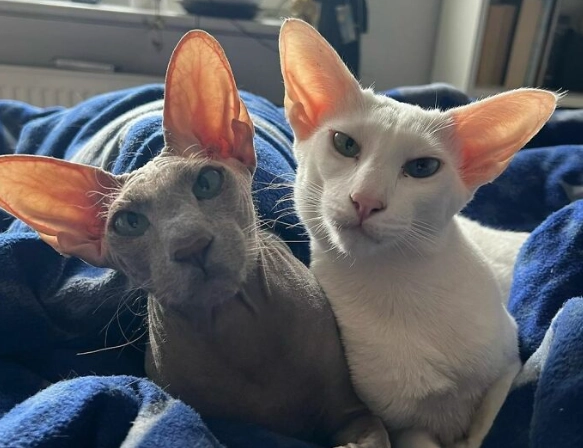
Top 3 Odd Cat Breeds and Their Quirks
Let's meet three contenders. This table isn't just about looks; it's about the reality of daily life with them.
| Breed | The 'Odd' Factor | Personality & Activity | Care Complexity |
|---|---|---|---|
| Sphynx | Hairlessness, wrinkled skin | Extremely affectionate, energetic, attention-seeking | High. Needs weekly baths, ear cleaning, sun protection |
| Cornish Rex | Curly, suede-like coat; slender build | Playful, acrobatic, mischievous, loves heights | Medium. Fragile due to fine bones; prone to chills |
| Munchkin | Short legs due to achondroplasia | Confident, playful, surprisingly fast | Medium. Potential for joint/back issues; ramps helpful |
The Sphynx: Not a Low-Maintenance Cat
Perhaps the most famous odd breed. The lack of fur means their skin produces oils that would normally be absorbed by hair. Without regular bathing (think once a week), this oil builds up, causing greasiness and potential skin infections. Their large ears also accumulate wax quickly.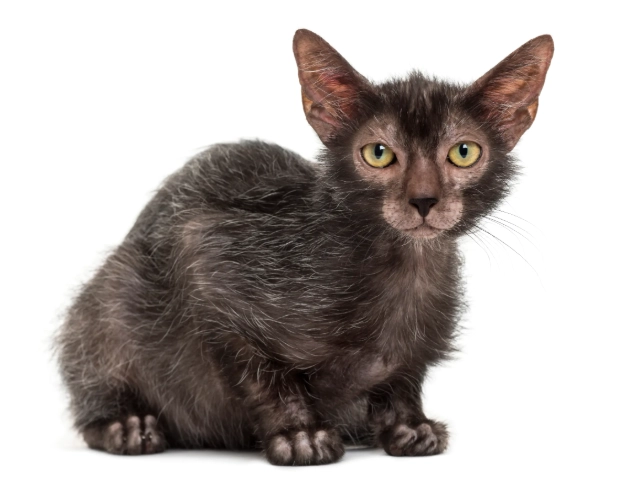
They are not hypoallergenic. Allergies are often triggered by a protein in cat saliva, not the hair itself. Sphynx cats lick themselves to clean, spreading that allergen everywhere.
On personality: they are often described as 'dog-like'. My friend's Sphynx follows him everywhere, demands to be under the covers at night, and greets him at the door. They crave constant warmth and companionship. Leaving a Sphynx alone for long periods is a recipe for a distressed, destructive cat.
The Cornish Rex: The Velcro Cat
Their coat is a marvel. It's curly, short, and lies close to the body. It feels incredible. But it offers little protection. They are notorious for seeking heat, often perching on radiators or burrowing under blankets.
They are incredibly agile and slender. I've seen a Cornish Rex leap from the floor to the top of a doorframe in a single bound. But this elegance comes with fragility; their bones are fine, and rough play can lead to injuries.
They form intense bonds with their owners. They want to be in your lap, on your shoulder, involved in everything you do. If you want an independent cat, look elsewhere.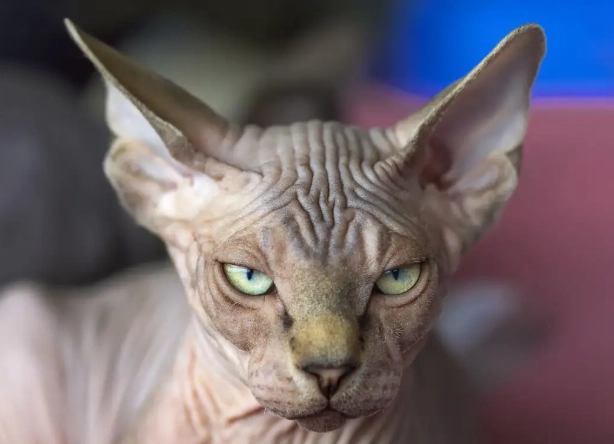
The Munchkin: The Controversy
Let's address the elephant in the room. Many veterinarians and animal welfare organizations, like the Governing Council of the Cat Fancy (GCCF), refuse to recognize the Munchkin due to ethical concerns about breeding for a physical deformity.
However, many Munchkin owners report healthy, active cats. The key is understanding the risks. They can be prone to lordosis (excessive curvature of the spine) and pectus excavatum (hollowed chest). Not every Munchkin gets these, but the risk is there.
Their movement is fascinating. They don't just walk; they have a sort of ferret-like gait. They can run and jump, just not as high as other cats. Providing cat trees with short levels or ramps helps them enjoy vertical space.
Health Considerations You Can't Ignore
Odd breeds often have breed-specific health issues. This isn't optional knowledge; it's critical for responsible ownership.
- Sphynx: Hypertrophic cardiomyopathy (a heart condition), skin conditions, sunburn.
- Cornish Rex: Patellar luxation (knee cap dislocation), hereditary myopathy (muscle weakness).
- Munchkin: Potential for joint problems, lordosis.
The financial aspect is real. Vet bills for these conditions can be high. Pet insurance is not just a suggestion; it's a necessity for many of these breeds. Also, their unique needs often mean higher ongoing costs: special food, supplements, grooming products, heated beds.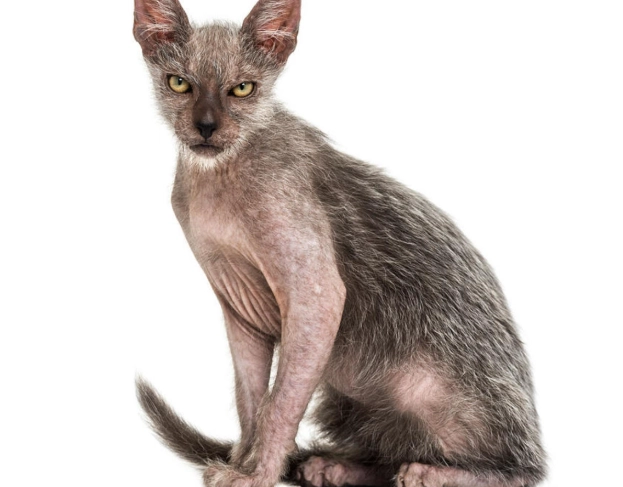
How to Choose the Right Odd Breed for Your Lifestyle
Forget the looks for a moment. Ask yourself these questions:
- Time: Do I have an hour each week to bathe and clean a Sphynx? Do I have time to play with and entertain an energetic Cornish Rex?
- Home Environment: Is my home warm enough for a hairless or thin-coated cat? Do I have safe, high spaces for a climber?
- Other Pets/Children: Is my home calm, or chaotic with kids and dogs? Some odd breeds are fragile or stress-sensitive.
- Budget: Can I afford potential specialist vet care, insurance, and higher quality food?
- Personality Match: Do I want a shadow-like companion (Sphynx, Rex) or a more independent cat?
If you answer these honestly, one breed will likely emerge as a better fit than others. It's not about which cat is the 'coolest'; it's about which cat will thrive in *your* life, and vice versa.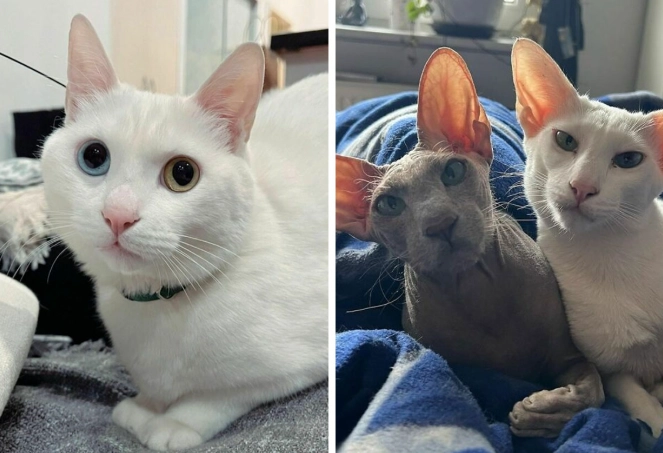
Your Questions Answered
Are low-maintenance cat breeds really low-maintenance?
This is a massive misconception. The term 'low-maintenance' often refers to cats that don't require professional grooming or brushing. However, many so-called low-maintenance breeds, like the Sphynx, need frequent bathing to remove oily buildup. Others, like the Devon Rex, have fine fur that mats easily if not brushed regularly. The real work often lies in managing their unique health needs and high energy levels. A cat that needs less brushing but demands constant play and mental stimulation is not low-maintenance; it's just a different type of maintenance.
What is the biggest health issue with odd cat breeds?
Beyond the specific genetic conditions each breed might be prone to, a major health issue stems from their unique anatomy. For example, Scottish Folds often develop painful arthritis throughout their bodies due to the cartilage mutation that causes their folded ears. Munchkins can suffer from lordosis, a severe spinal curvature. Hairless cats are prone to skin infections and sunburn. The most common mistake is treating these cats like any other, rather than adapting their care and environment to their specific vulnerabilities. Regular, specialized veterinary check-ups are non-negotiable.
Can I find an odd-looking cat at a shelter?
Absolutely. While purebred oddities like a Sphynx are rare in shelters, you can often find cats with unique physical traits. Look for cats with naturally short tails (like some Japanese Bobtails), polydactyl cats (extra toes), or cats with unusual coat colors or patterns. Some might even have the curly coat of a Rex or the folded ears of a Scottish Fold (though be cautious of the latter due to health issues). These 'shelter specials' offer the joy of a unique companion without supporting the sometimes controversial intensive breeding practices of purebred oddities.
Comment