Quick Navigation
- Spotting the Garden Invader: A Detailed Identification Guide
- The Lifecycle: From Tiny Egg to Majestic Moth
- The Damage: What Are They Actually Doing to My Plants?
- Is the Horned Devil Caterpillar Dangerous or Poisonous?
- Your Action Plan: How to Get Rid of Horned Devil Caterpillars
- Common Questions Gardeners Ask (The FAQ Section)
- A Final, Softer Look at the Horned Devil
You're out in your garden, admiring your tomato plants, when you see it. A huge, vibrant green caterpillar, almost the size of your finger, munching away with a quiet ferocity. And right there on its rear end, a single, menacing-looking black horn. Your first thought might be "What on earth is that?" followed quickly by "Is it dangerous?" and "How do I get it off my plants?"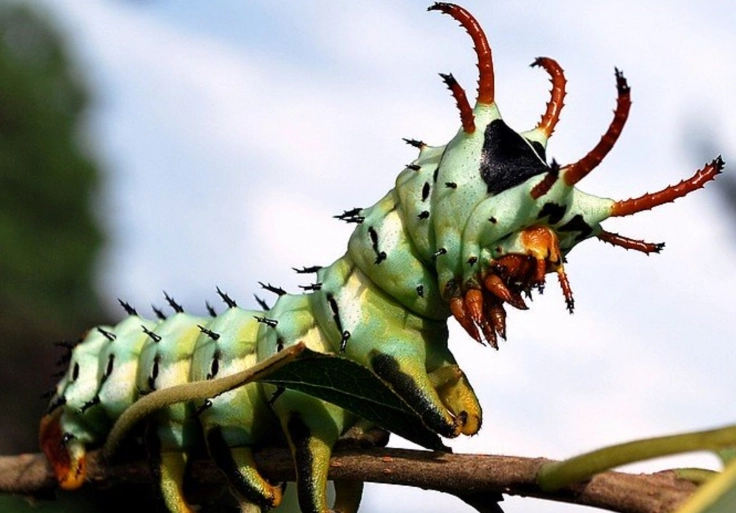
Let me tell you, I've been there. The first time I saw a horned devil caterpillar, I nearly jumped. It looks like something out of a fantasy novel. But after years of gardening and dealing with these guys, I've learned they're one of the most fascinating, and frustrating, insects you'll encounter. This guide is everything I wish I'd known back then.
Quick Take: The "horned devil caterpillar" is the larval stage of the five-spotted hawkmoth (Manduca quinquemaculata). Its more common, less dramatic name is the tomato hornworm. That horn? It's completely harmless—a soft, flexible protrusion called a caudal horn that's meant to scare off predators (and it does a good job on humans too). The real damage comes from its appetite.
Spotting the Garden Invader: A Detailed Identification Guide
Not every green caterpillar on your tomatoes is the horned devil. Getting the ID right is step one, because it determines how you should handle it. Here’s exactly what to look for.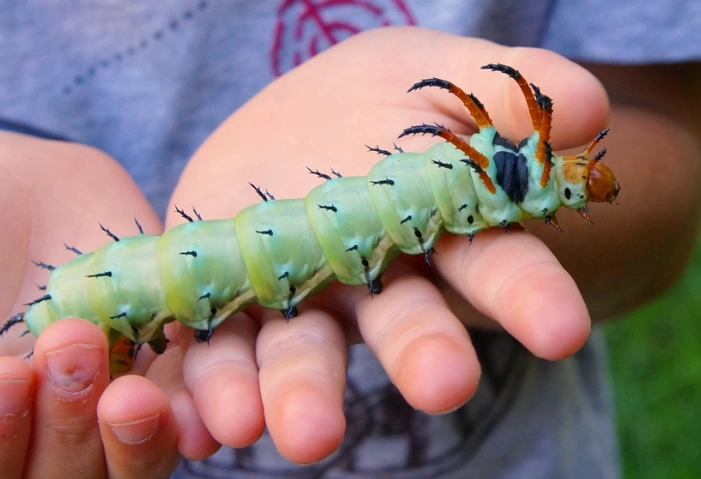
The Unmistakable Look: A mature tomato hornworm is a sight. It can grow up to 4 inches long. Its body is a smooth, bright green (perfect camouflage against tomato leaves) with eight distinctive white or pale yellow, V-shaped markings along each side. The most famous feature is that prominent black or dark green "horn" projecting from its rear end. The head is usually a darker green or brown, and it has three pairs of small, sharp true legs near the head, plus four pairs of fleshy prolegs along its abdomen.
I remember once showing a picture to a friend who doesn't garden. "It looks Photoshopped," they said. That's how striking it is.
Tomato Hornworm vs. Tobacco Hornworm: The Common Confusion
This trips up a lot of people. Its close cousin, the tobacco hornworm (Manduca sexta), looks very similar and also loves nightshade plants. Mixing them up isn't a disaster for control purposes, but for the curious gardener, here’s the breakdown.
| Feature | Tomato Hornworm (Our 'Horned Devil') | Tobacco Hornworm |
|---|---|---|
| Diagonal Stripes | Eight white or yellow V-shaped marks (like chevrons). | Seven straight diagonal white lines. |
| The 'Horn' | Typically black or dark blue-black. | Usually reddish or orange. |
| Adult Moth | Five-spotted hawkmoth (five orange spots along the abdomen). | Carolina sphinx moth (six orange spots). |
| Preferred Host* | Strong preference for tomatoes. | Prefers tobacco, but will eat tomatoes. |
*Both will happily eat each other's preferred plants, so don't rely on this alone! The stripe and horn color are your best bets. The University of Minnesota Extension has a great side-by-side visual guide if you want to see the difference clearly.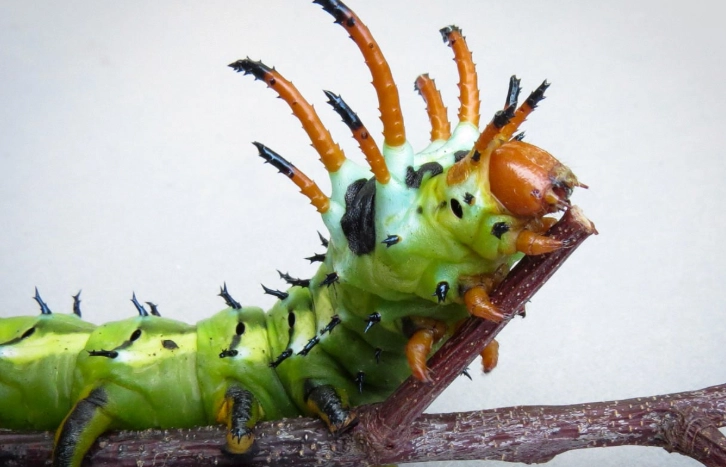
You see the horned devil caterpillar most often in mid to late summer. That's when they've grown large enough to be noticeable. Earlier in the season, they're tiny and you'll only see the damage.
The Lifecycle: From Tiny Egg to Majestic Moth
Understanding the lifecycle isn't just academic. It tells you when to be most vigilant and reveals a potential secret weapon for control. The life of a tomato hornworm is a dramatic one-year transformation.
The Four-Act Play:
- Act I: The Egg. In late spring, the adult five-spotted hawkmoth (a large, greyish-brown moth with a 4-5 inch wingspan) lays tiny, round, greenish-yellow eggs singly on the undersides of tomato plant leaves (or other nightshades like pepper and eggplant). They're easy to miss.
- Act II: The Larval Feast (The Caterpillar Stage). This is the stage we know and... well, notice. The egg hatches, and the tiny caterpillar begins eating. It goes through five growth stages (instars), getting larger and more ravenous each time. This stage lasts 3-4 weeks, and it's when all the damage is done. A single large caterpillar can defoliate a branch overnight.
- Act III: The Great Change (Pupation). When fully grown, the caterpillar drops to the ground, burrows a few inches into the soil, and forms a brown, hard-shelled case called a pupa. It overwinters in this stage, protected underground.
- Act IV: The Finale (The Moth). The following summer, the adult moth emerges from the soil to start the cycle again. These moths are impressive fliers, often mistaken for small hummingbirds as they hover at flowers at dusk.
That pupal stage in the soil is critical. It means your garden's soil might be harboring next year's problem. Tilling the soil in late fall or early spring can disrupt and expose these pupae to birds and freezing temperatures.
The Damage: What Are They Actually Doing to My Plants?
Let's not sugarcoat it. The damage from a horned devil caterpillar can be severe, especially if you have a small garden or just a few prized tomato plants.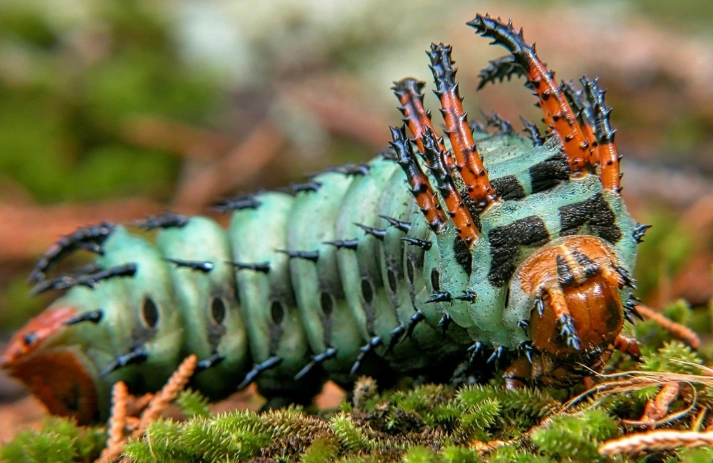
They are defoliators. They eat the leaves, starting from the top of the plant and working down. A bad infestation can strip a plant bare, leaving only the stems and veins. This weakens the plant drastically, reducing its ability to photosynthesize and produce fruit.
But here's the thing they don't always tell you: they also eat the green tomatoes. They'll take huge, ragged bites out of the fruit. I once found a half-eaten green tomato with the culprit still attached, seemingly too full to move. It was equal parts impressive and infuriating.
Early Signs (Before You See the Caterpillar):
- Missing leaves at the top of the plant.
- Black droppings (frass) on leaves lower down. This looks like coarse black pepper and is often the first clue. Look up from the droppings to find the culprit.
- Stems that have been completely stripped of leaves.
Is the Horned Devil Caterpillar Dangerous or Poisonous?
This is the number one question people have when they see that scary horn. The short answer is no, not to humans or pets.
The Horn: It's a complete bluff. It's not a stinger. It's not sharp. It's made of soft tissue and is completely harmless. You can touch it (though the caterpillar might wiggle in protest). The horn is a defensive adaptation to make birds and other predators think twice.
The Bite: Can it bite you? Technically, it has mandibles for chewing leaves. Could it give you a little pinch if you handled it roughly? Maybe, but it's not designed to bite animals, and it's certainly not venomous. The real "danger" is to your plants, not to you.
However, a word of caution for some gardeners. The caterpillar's green color comes from consuming tomato leaves, which are part of the nightshade family. Nightshades contain alkaloids like solanine. While not a concern for casual handling, if you have very sensitive skin, handling large numbers of them might cause minor irritation. Washing your hands after gardening is always a good practice anyway.
Your Action Plan: How to Get Rid of Horned Devil Caterpillars
Okay, you've identified it, you know it's not going to hurt you, but it's hurting your plants. What now? Here’s a tiered approach, from the simplest and most organic to more involved methods. I always start at the top of this list.
Method 1: The Hands-On Approach (My Go-To)
For a small garden, this is often all you need. Go out in the early morning or evening with a bucket of soapy water. Pick them off by hand (yes, you can touch them) and drop them in. The soap breaks the surface tension so they drown quickly. It's immediate and 100% effective on the ones you catch.
It's oddly satisfying, if I'm honest. A bit of pest control therapy.
Method 2: Unleash the Natural Predators
This is the coolest method. The horned devil caterpillar has a natural enemy that is a gardener's best friend: the parasitic braconid wasp. This tiny wasp lays its eggs on the caterpillar. The eggs hatch, and the larvae feed inside the caterpillar, eventually emerging to spin tiny, white, rice-like cocoons on its back. If you see a caterpillar covered in these white cocoons, leave it alone.
By not killing that caterpillar, you're allowing a new generation of parasitic wasps to hatch and hunt more caterpillars in your garden. The tomato hornworm will soon die, and the wasps will do your pest control for you. The University of California's Statewide Integrated Pest Management Program has detailed information on these beneficial wasps and how to encourage them.
You can also attract birds. Robins and other birds will eat the caterpillars, especially the smaller ones.
Method 3: Organic and Biological Controls
If hand-picking isn't enough, these are the next line of defense.
- Bacillus thuringiensis var. kurstaki (Btk): This is a bacteria that is toxic only to caterpillars when they eat it. It's sold as a spray like Dipel or Thuricide. It's organic and safe for bees, birds, and humans. The downside? It only works if the caterpillar eats it, and it takes a day or two. You have to reapply after rain.
- Spinosad: Another organic option derived from soil bacteria. It's effective on contact and through ingestion. It's low-toxicity to beneficial insects once dry, but you should still spray in the evening when bees aren't active.
- Neem Oil: A multi-purpose organic oil that can deter feeding and disrupt growth. It's less directly lethal than Btk or spinosad but can be part of a broader strategy.
Method 4: Cultural Controls (Prevention for Next Year)
This is about breaking the cycle.
- Till the Soil: In fall or early spring, till the area where your tomatoes were. This exposes the overwintering pupae to the elements and predators.
- Crop Rotation: Don't plant tomatoes (or peppers/eggplant) in the exact same spot year after year. This makes it harder for the emerging moths to find their host plants.
- Use Floating Row Covers: Early in the season, you can cover young plants with a light fabric cover. This physically prevents the moths from laying eggs on the leaves. Remember to remove it when plants flower so pollinators can get in.
Method 5: Chemical Insecticides (The Last Resort)
I rarely, if ever, recommend this for home gardens for a simple reason: they kill everything, including the beneficial insects like the parasitic wasps and pollinators. If you have a massive, uncontrollable infestation, you might consider it, but please read labels carefully and target only the affected plants. Products containing carbaryl or permethrin are sometimes used, but they are broad-spectrum. The environmental cost is high.
Seriously, try the first four methods first. They work.
Common Questions Gardeners Ask (The FAQ Section)
A Final, Softer Look at the Horned Devil
After all this talk of control and damage, it's worth taking a step back. The tomato hornworm, or tomato hornworm, is an incredible piece of natural engineering. Its camouflage is perfect. Its lifecycle is complex. The adult moth it becomes is a beautiful and important pollinator, especially for night-blooming flowers.
In a big, diverse garden, a few of them might not be the end of the world. The goal isn't necessarily total eradication from the planet—it's management in the context of your own garden's health. A healthy garden ecosystem has pests and predators in balance.
My personal rule? I hand-pick the first few I find to protect my tomato harvest. But if I ever find one covered in those white wasp cocoons, I point it out to anyone nearby and explain what's happening. It's a tiny, brutal, fascinating drama playing out on a tomato leaf, and it's a reminder that we're just one part of a much bigger system.
So next time you see that intimidating horn, you'll know exactly what you're dealing with. You can admire its weird beauty for a second—and then you can confidently decide how to protect your garden.
Comment