In This Article
- What Exactly Is a Basset Mix Puppy?
- Thinking About a Basset Hound Mix? The Real Pros and Cons
- Popular Basset Mix Breeds: A Quick Look at Common Combos
- Health Stuff You Can't Ignore With Basset Mix Puppies
- Training Your Basset Mix: Patience is Not Just a Virtue, It's a Requirement
- Daily Life with a Droopy-Eyed Friend
- Finding Your Basset Mix: Adoption vs. Breeder
Let's talk about Basset mix puppies. You know, those little guys with the soulful eyes, the ears that could double as mops, and a body that's just... longer than it seems it should be. I remember when my friend brought home a Basset-Beagle mix. One look at those droopy eyes and that determined sniffing, and you just get it. There's something special about them. But is a Basset hound mix the right dog for you? It's not all cute Instagram photos and funny waddles. There's a real, living creature with specific needs behind that adorable face.
This isn't just another generic dog breed article. We're going to dig into the dirt (sometimes literally, with those noses). We'll look at what makes these mixed breeds tick, the good, the bad, the stubborn, and the incredibly sweet. Whether you're just browsing cute puppy pics or seriously considering bringing one of these characters home, you'll find what you need here.
What Exactly Is a Basset Mix Puppy?
It's pretty straightforward. A Basset mix puppy is the offspring of a Basset Hound and another dog breed. That "other breed" part is where the magic (and the mystery) happens. Unlike a purebred, where you have a pretty good idea of what you're getting, a Basset mix is a surprise package. You're mixing the Basset's iconic traits—the long body, short legs, powerful nose, and gentle demeanor—with a whole other set of genes. Sometimes the mix is 50/50, sometimes it's a multi-generational blend. This means no two Basset mix puppies are exactly alike, even within the same litter. One might inherit more of the other parent's build, while its sibling might be all Basset in attitude but with a different coat.
Why do people love them? Well, hybrid vigor is a term you hear a lot. The idea is that mixing breeds can reduce the risk of some inherited health problems common in purebred lines. But let's not kid ourselves—the main draw is that unique, one-of-a-kind look and personality. You get the soulful hound charm, but with a twist.
Thinking About a Basset Hound Mix? The Real Pros and Cons
Let's cut to the chase. These dogs aren't for everyone. I've seen people fall in love with a picture, then be completely overwhelmed by the reality.
The Good Stuff (The Pros)
First, the love. Basset mixes are often incredibly affectionate and loyal family dogs. They form strong bonds and usually have a sweet, patient nature that makes them great with kids (with proper supervision, of course—no dog is a babysitter). Their energy level is typically moderate. They love a good sniffari around the yard or a leisurely walk, but they're also champion couch potatoes. That low-to-the-ground build isn't built for marathon running, which can be a plus for less active owners. And that nose! If you want a dog that will find every crumb you've ever dropped and engage with the world through scent, you've got it. It's fascinating to watch them work.
The Not-So-Good Stuff (The Cons)
Now, the reality check. The stubbornness. Oh, the stubbornness. Bassets were bred to make independent decisions while tracking game for hours. This translates to a dog that might look at you, hear your command, consider it... and then deliberately do something else if they're not convinced it's worth their while. Training requires patience, consistency, and a good sense of humor.
Then there's the drool. Some mixes inherit the Basset's loose lips and jowls. If you're a neat freak, be prepared for "strings of love" on your walls, windows, and sometimes the ceiling after a vigorous head shake. The ears are another thing. Those long, floppy ears are adorable but create a dark, warm, moist environment perfect for yeast and bacteria. Weekly ear cleaning isn't a suggestion; it's a necessity to prevent painful infections.
And the howling or baying. It's a hound thing. It can be hilarious, charming, and deeply annoying, especially in an apartment or late at night. Some mixes are more vocal than others, but you should be prepared for some level of hound talk.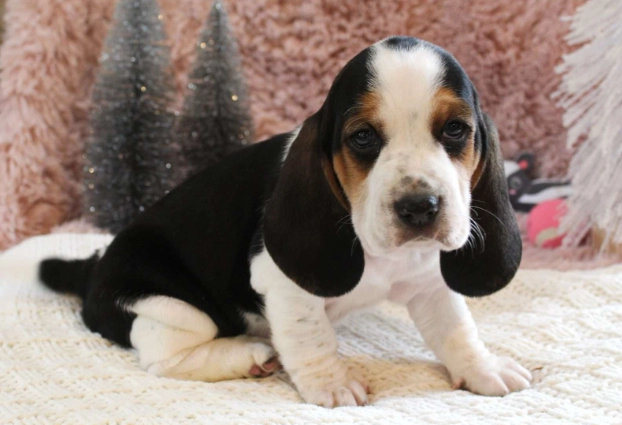
Basset mix puppies also have specific physical needs. Their long backs are prone to intervertebral disc disease (IVDD). Jumping on and off furniture is a major risk factor. You'll need to provide ramps or steps and discourage jumping from puppyhood. Their short legs can also lead to joint issues like hip or elbow dysplasia, especially if they inherit a stockier build from the other parent.
Popular Basset Mix Breeds: A Quick Look at Common Combos
Curious about what you might get? Here's a breakdown of some of the most common Basset hound mix breeds you'll come across. Remember, this is a general guide—your individual puppy could be anywhere on this spectrum.
| Mix Name | Other Parent Breed | Typical Traits & Looks | Good For... |
|---|---|---|---|
| Bassador | Labrador Retriever | Often slightly taller than a pure Basset, may have a less droopy face. Mix of hound stubbornness and Lab friendliness. Energy level can be higher. | Active families who want a loyal, scent-driven companion. Can be easier to train due to Lab influence. |
| Bagel | Beagle | The ultimate sniffing machine. Compact, often very vocal (double the hound bay!). Extremely food-motivated and can be mischievous. | Experienced dog owners who enjoy a funny, energetic, and noisy character. Not for quiet neighborhoods. |
| Basset Shepherd | German Shepherd | One of the more striking mixes. May have a Shepherd-like face on a long body, or a more blended look. Often intelligent and protective, but can have strong guarding instincts. | Owners who can provide firm, confident training and socialization. Not a beginner's dog. |
| Basset Corgi | Pembroke Welsh Corgi | Very short legs, very long body. A double dose of dwarfism. Often bold, alert, and stubborn. Herding instinct may mix with hounding instinct. | Owners prepared for potential back issues and a big personality in a small(ish) package. Lots of attitude. |
| Basset Pit Mix | American Pit Bull Terrier | Muscular build, often with a shorter coat. Can be incredibly affectionate and loyal "velcro dogs." Stigma and breed-specific legislation are serious considerations. | Responsible, committed owners who prioritize early socialization and training. Can be wonderful family pets with the right upbringing. |
Health Stuff You Can't Ignore With Basset Mix Puppies
This is the serious part. Bringing home a puppy is a long-term commitment, and knowing the potential health hurdles is non-negotiable. While mixing breeds can help, it doesn't make them immune to issues carried by either parent line.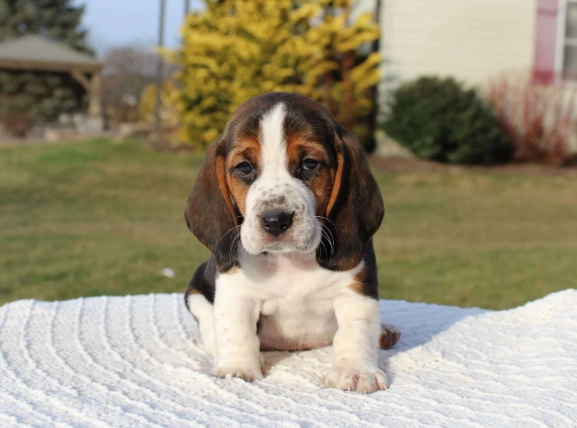
- Back Problems (IVDD): This is the big one. Those cute long spines are vulnerable. Symptoms can include pain, reluctance to jump, whimpering, wobbliness, or even paralysis in the hind legs. It's an emergency. Prevention is key: keep them at a healthy weight, use harnesses instead of neck collars, and provide ramps. The American Veterinary Medical Association (AVMA) has great resources on pet weight management and spinal health.
- Joint Issues: Hip and elbow dysplasia are common in many breeds, including Bassets. Look for signs of lameness, stiffness, or difficulty rising. Good nutrition and avoiding forced exercise (like long runs on pavement) during puppyhood can help.
- Ear Infections: I'm mentioning it again because it's so important. Clean those ears weekly with a vet-approved cleaner. Signs include head shaking, scratching, odor, and redness.
- Eye Conditions: Bassets are prone to glaucoma and cherry eye. Mixes can inherit these. Regular vet checks are crucial.
- Bloat (GDV): While more common in deep-chested breeds, any dog can bloat. It's life-threatening. Feed multiple small meals a day instead of one large one, and avoid vigorous exercise right after eating.
The single best thing you can do? Get pet insurance while your Basset mix puppy is young and healthy, or start a dedicated savings account. A major surgery for IVDD can cost thousands.
Training Your Basset Mix: Patience is Not Just a Virtue, It's a Requirement
I tried to teach a Basset mix to "drop it" once. He had a sock. He looked me dead in the eye, slowly laid down, and placed the sock between his paws as if to say, "This is mine now, and we both know you're not getting it without a superior treat." He was right.
Training a hound-mix is a different ball game. They are not border collies. They work for a paycheck (food), and the payoff has to be worth their while. Positive reinforcement is the only method that works. Yelling or punishment will just make them shut down or become sneaky.
- Start Early: Socialization and basic manners start the day you bring your puppy home. Expose them gently to different people, surfaces, sounds, and other vaccinated dogs.
- Master the "Come" Command: This is critical for a scent-driven dog. Practice in a fenced area with high-value treats (think boiled chicken, not kibble). Never punish them for coming to you, even if it took ten minutes.
- Leash Training is a Journey: They will pull. That nose will hit the ground and they will drag you toward a smell. A front-clip harness is a lifesaver. It gives you control without hurting their neck. Don't expect perfect heelwork; a loose leash is a victory.
- Embrace Mental Stimulation: A bored Basset mix is a destructive Basset mix. Snuffle mats, food puzzles, and nose work games (the AKC has great ideas) will tire their brain out faster than a walk.
Daily Life with a Droopy-Eyed Friend
So what's it actually like day-to-day?
Grooming: It depends on the coat they inherit. If it's the short Basset coat, weekly brushing will control shedding (and they do shed). If they get a longer or denser coat, you'll need to brush more often. Nails need trimming regularly—those short legs mean nails hit the ground faster and don't wear down naturally. And the wrinkles! If your mix has facial folds, you need to clean and dry them daily to prevent nasty skin infections.
Exercise: Two shorter walks a day are better than one long, forced march. Let them sniff! That's their mental workout. A secure, fenced yard is ideal, but remember, many are escape artists motivated by a scent. Check that fence for gaps regularly.
Diet: These guys can become obese so easily. They love food and aren't always the most active. Measure their food, limit treats, and avoid free-feeding. Your vet can help you choose a good quality food for their life stage.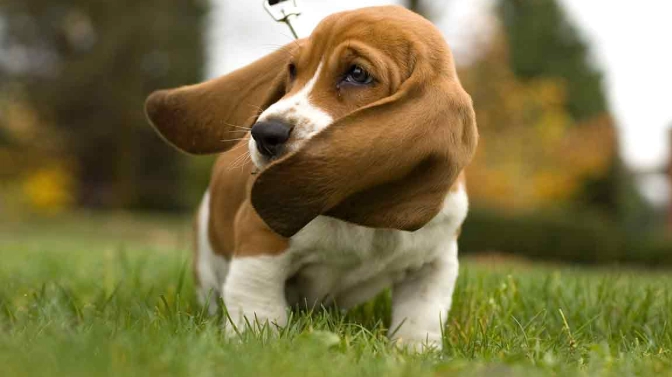
Quick Q&A: Stuff People Really Want to Know
Finding Your Basset Mix: Adoption vs. Breeder
This is a personal choice, but I have a strong opinion. So many wonderful Basset mix puppies and adults are sitting in shelters waiting for a home. Adopting is less expensive and gives a dog a second chance. Reputable rescues will vet the dogs, provide medical care, and be honest about their temperament.
If you go the breeder route for a specific designer mix (like a deliberate Bassador), you must do insane levels of homework. A responsible breeder will:
- Health test the parent dogs (not just a vet check) for hips, elbows, eyes, and sometimes genetics.
- Let you meet the mother (and ideally the father) in their home environment.
- Ask you as many questions as you ask them.
- Have a contract that includes a health guarantee and requires you to return the dog to them if you can't keep it.
- NOT have multiple litters available at once or ship puppies without meeting you.
Run, don't walk, from anyone advertising "teacup" or "rare color" Basset mixes. This is a red flag for irresponsible breeding.
At the end of the day, bringing home a Basset hound mix puppy is about embracing the unexpected. You're not getting a predictable purebred. You're getting a unique individual with a heart of gold, a mind of its own, and a nose that will lead it into trouble. It's messy, sometimes frustrating, and filled with moments of pure, drooly joy. If you have the patience, the sense of humor, and the commitment to meet their needs, a Basset mix can be one of the most wonderfully weird and rewarding companions you'll ever have.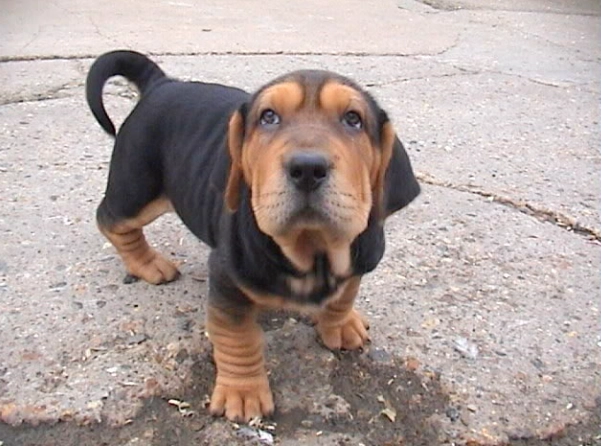
Just maybe keep a towel handy for the slobber.

Comments
Leave a Comment