Quick Guide
Let's be honest, if you've scrolled through Instagram or TikTok lately, you've probably seen one. A Siberian Husky, but not like the ones you usually picture. This one has a coat that shines like wheat under the summer sun, with warm amber eyes that seem to look right through you. The golden Husky. They stop you mid-scroll. And the first question that pops into your head, the one that probably brought you here, is a simple one: Are golden Huskies rare?
I remember the first time I saw one in person at a dog show. It was tucked between the more common gray and white and black and white Huskies, and it genuinely made me do a double-take. Everyone around that ring was whispering. The answer to that burning question isn't just a simple yes or no. It's a mix of genetics, breed standards, and a whole lot of market demand. So, let's dig into the real story behind this stunning coat color and find out what you're really looking at.
Quick Take: Yes, golden Huskies are considered rare compared to the standard coat colors you typically see. They are not a separate breed, but a Siberian Husky with a specific and uncommon combination of recessive genes that produce that beautiful light yellow to deep red-gold coat. Finding one from a responsible source is the real challenge.
So, Are Golden Huskies Actually Rare?
Alright, let's cut to the chase. If you walk into any dog park in the country, you'll see plenty of Siberian Huskies. Most will be the classic “wolf-like” combo: gray and white, black and white, maybe a red and white. The ones that make you stop and say, “Whoa, what color is that?” are far fewer. That's rarity in the real world.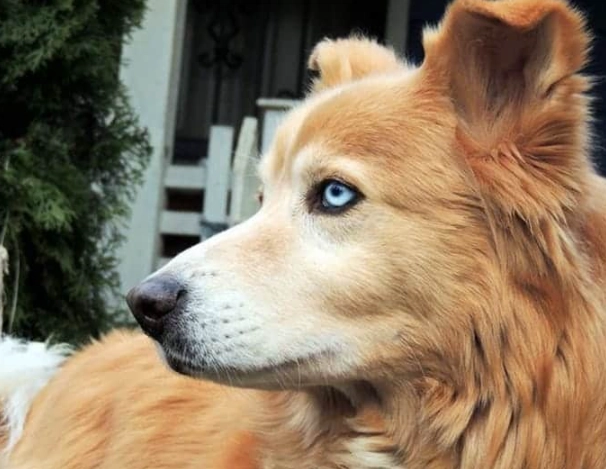
From a strict numbers perspective, golden Huskies are significantly less common. Reputable breeders who focus on health, temperament, and adherence to the breed standard often produce litters where the standard colors dominate. The golden color requires both parents to carry and pass on specific recessive genes. It doesn't happen by accident very often in carefully planned breedings that prioritize other traits first.
But here's where it gets tricky. “Rare” doesn't always mean “better” or “more valuable” in a healthy way. The surge in their popularity online has created a demand. And where there's demand, some people see a chance to make money. This has led to what I cautiously call “color breeding” – where the primary goal is producing that specific, eye-catching color, sometimes at the expense of the dog's health, structure, or temperament. So while truly well-bred golden Huskies from health-tested lines are rare, you might find more of them being advertised by sources you should be wary of. That's a critical distinction every potential owner needs to understand.
When people ask are golden Huskies rare, they're often also asking, “Will they cost more?” and “Will they be hard to find?” The answer to both is usually yes, but the reasons behind that “yes” matter more than the price tag.
The Genetics Behind the Gold: It's All in the Genes
To really get why golden Huskies are rare, you need a quick, painless lesson in doggy genetics. Don't worry, I'll keep it simple. A dog's coat color is determined by genes, and these genes come in pairs—one from mom, one from dad.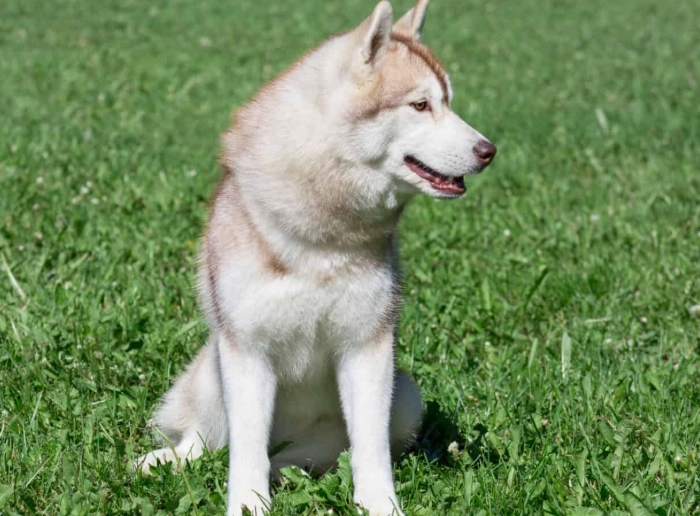
The rich, deep colors of a standard black or gray Husky are produced by a dominant gene (let's call it the “E” gene for pigment). The golden, yellow, or cream color is caused by a recessive gene (a little “e”). For a Husky to be golden, it must inherit two copies of this recessive “e” gene—one from each parent. If it gets one “E” and one “e”, the dominant “E” wins, and the dog will have a standard dark coat, but it will be a “carrier” of the golden gene.
Think of it like this: two Huskies that look completely normal (say, both are black and white) can produce a golden puppy if they both carry that hidden recessive “e” gene. This is why a litter from two standard-colored parents can sometimes have a surprise golden pup, which only adds to their mysterious and rare reputation.
The specific shade of gold can vary wildly, from a pale, creamy off-white (sometimes mistakenly called “white”) to a deep, fox-red. This variation is influenced by other modifier genes that control the intensity of the red pigment. The eye color can be blue, brown, amber, or even bi-eyed (one of each), just like any other Husky. The genetics confirm they are 100% Siberian Husky, just with a less common paint job.
Genetic Reality Check: Because the golden color is recessive, a responsible breeder aiming for it would need to strategically pair two carriers. However, top-tier breeders prioritize so many other things first—hip scores, eye certifications, sound temperament, proper structure—that color often becomes a happy accident, not the target. This is the main reason for their genuine rarity.
Golden Husky vs. Standard Husky: A Side-by-Side Look
It's helpful to see how they stack up beyond just the coat. Are golden Huskies rare in other ways? Let's break it down.
| Trait | Golden Husky | Standard Siberian Husky (e.g., B&W, Gray & White) |
|---|---|---|
| Coat Color & Genetics | Recessive “ee” genotype. Shades from cream to red-gold. | Dominant “E” genotype. Black, gray, red, sable patterns. |
| Rarity & Availability | Considered rare. Fewer breeders specialize in them responsibly. | Common. Widely available from many reputable breeders. |
| Breed Standard Recognition | Yes, but a note: The AKC breed standard lists all colors from black to white as acceptable. The golden/cream shades fall under the acceptable “white” or “red” spectrum. It is not a disqualifying fault, but it's not the most common in the show ring. | All standard colors are fully recognized and commonly seen in conformation shows. |
| Typical Price Range | Often higher due to perceived rarity and demand. Can range from $1,500 to $3,000+, sometimes more. | Typically $1,000 to $2,000 from a reputable breeder, varying by region and lineage. |
| Core Temperament & Needs | IDENTICAL. High energy, intelligent, independent, strong prey drive, vocal. Requires extensive exercise and mental stimulation. | IDENTICAL. Same high-energy, intelligent, and independent spirit. |
| Health Considerations | Same potential issues as any Husky (hips, eyes). Risk may increase if bred irresponsibly for color alone. | Same baseline risk. Health should be prioritized over color in breeding. |
The table makes one thing crystal clear: aside from the coat pigment, there should be zero difference. A golden Husky is not a calmer, rarer, more exotic “type” of Husky. It's a Husky. Anyone trying to sell you on a fundamentally different personality is selling you a story, not a dog.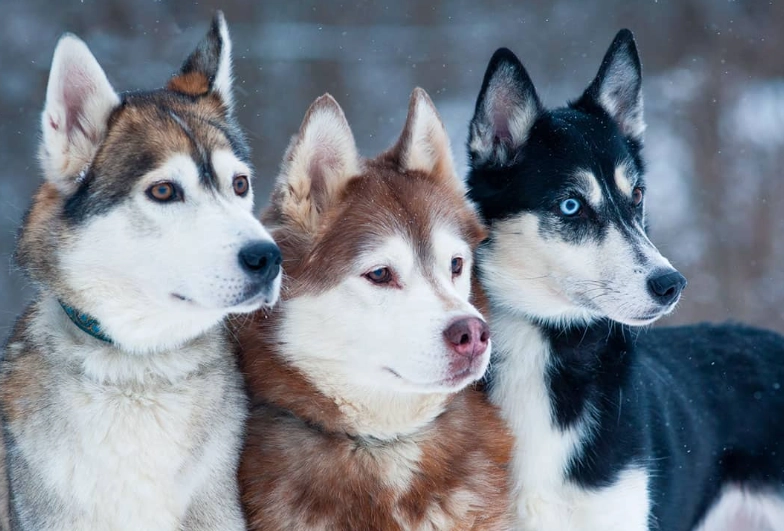
That last point is crucial. The breed's needs are intense and not for everyone. Their rarity has nothing to do with how much exercise they need or how loudly they might “talk” to you at dinner time.
The Practical Realities of Owning a Golden Husky
Let's get practical. You're smitten, you've decided you can handle a Husky's lifestyle, and you want that golden coat. What now?
The Price Tag: What's the Real Cost?
Let's talk numbers. Because people constantly wonder are golden Huskies rare, they often assume a heftier price is justified. From a reputable breeder who does all the right things—health testing parents for hips (OFA/PennHIP), eyes (CERF), and genetic disorders, proving their dogs in work or sport, raising puppies in a home environment—a Husky puppy might cost between $1,200 and $2,200.
A breeder who specifically produces golden litters might charge a premium, say $1,800 to $3,000 or more. Here's my personal take: a premium for careful genetic planning is one thing. A sky-high price solely because the coat is a trendy color is a massive red flag. It tells you the breeder's priority is your wallet, not the welfare of the breed.
If you see a “golden Husky” advertised for $4,000 or $5,000 with no mention of advanced health testing or titled parents, run. That's not rarity; that's exploitation.
Finding a Reputable Breeder: The Needle in a Haystack
This is the hardest part. Your goal shouldn't be to find a “golden Husky breeder.” Your goal should be to find an excellent Siberian Husky breeder who occasionally produces golden puppies as part of their sound breeding program.
How do you find them? Start with the national breed club. The Siberian Husky Club of America (SHCA) is the official parent club for the breed in the US and is recognized by the American Kennel Club (AKC). Their website has a breeder referral section. These breeders pledge to follow a code of ethics. Contact them. Be upfront. Say, “I love the breed and am particularly drawn to the lighter cream and golden shades. Do you ever have puppies in this color range, and if not, could you refer me to another ethical breeder who might?”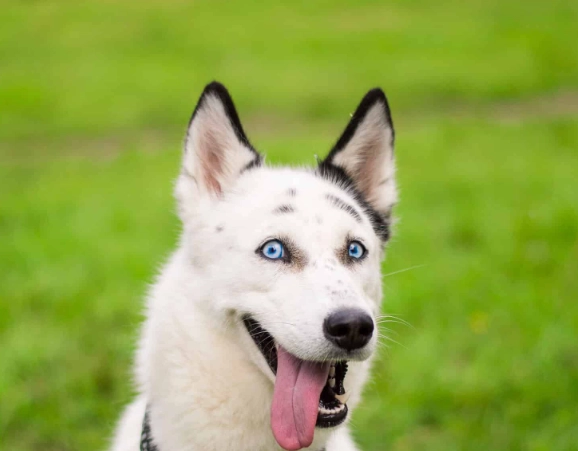
A good breeder will interview you as much as you interview them. They'll ask about your lifestyle, your experience with dogs, your plans for exercise. They should happily show you health clearances for both parents (you can verify these on the OFA website). They will have a contract that requires you to spay/neuter unless sold for breeding (and that would come with strict requirements), and they will always, always take the dog back at any point in its life if you can't keep it.
Major Red Flags: Breeders who only have golden puppies available. Breeders who list colors like “rare golden” or “exclusive champagne” as a main selling point. Breeders who have multiple litters available at once or ship puppies without meeting you. Websites that feel like they're selling a luxury handbag, not a living creature. These are often puppy mills or backyard breeders cashing in on the trend.
Health Considerations: Does Color Affect Health?
Directly, no. The genes that cause the golden coat color are not linked to any specific disease. However—and this is a big however—the practice of breeding specifically for color can lead to health problems.
If a breeder is constantly breeding “golden to golden” to guarantee the color, they are narrowing the gene pool. This increases the risk of amplifying both known and unknown genetic disorders common to the breed, like hip dysplasia and certain eye conditions. A responsible breeder will outcross to other healthy, well-structured dogs of different colors to maintain genetic diversity.
So, when evaluating a breeder, their focus must be on health testing first, color second. Always ask for proof of health screenings, not just promises.
Common Questions About Golden Huskies Answered
Final Thoughts: Is a Golden Husky Right for You?
Look, I love dogs, and I think the golden Husky is visually stunning. But after years of writing and talking to breeders, vets, and owners, my strongest advice is this: fall in love with the breed first, the color second.
The Siberian Husky is a commitment. They are escape artists. They sing. They need to run—not just a walk around the block. They have a high prey drive. They shed enough to make a sweater for a family of four every week. If you can't handle those realities, the color of the coat is irrelevant.
If you are prepared for a Husky, then the quest for a golden one becomes a patient search for quality. It might take longer. You might get on a waiting list. You might have to travel. But the reward won't just be a beautiful dog; it will be a healthy, well-adjusted companion bred with care and integrity.
The question of are golden Huskies rare is a gateway. It leads you into the much more important world of responsible dog ownership, ethical breeding, and understanding what a breed truly needs. That's the real gold worth finding.
Do your homework. Ask the hard questions. Be patient. The right dog, whether its coat shines like gold or mimics a stormy sky, will be worth the wait.




Comments
Leave a Comment