Quick Navigation
- So, What Exactly Is This Smiley-Faced Creature?
- Home Sweet Home: Where to Find the Black Smiley Face Spider
- Life, Diet, and Behavior: What Does a Happy Spider Do?
- The Million-Dollar Question: Is the Black Smiley Face Spider Poisonous?
- How to (Ethically) Observe a Smiley Face Spider in the Wild
- Common Questions About the Smiley Face Spider Black
- Final Thoughts: More Than Just a Meme
Let's be honest, most people don't get warm and fuzzy feelings about spiders. But there's one little exception that seems to break the internet every time a picture pops up. I'm talking about the infamous smiley face spider black variant. You know the one – a tiny, dark spider with what looks like a perfect, yellow happy face painted on its back. The first time I saw a photo while researching Hawaiian wildlife, I genuinely thought it was a joke or some clever photoshop. Turns out, it's very real, and its story is even more fascinating than its looks.
I remember chatting with a fellow hiker on Maui years ago. He was an entomology student, and he casually mentioned keeping an eye out for "the happy spider." I laughed it off, thinking he was pulling my leg. A week later, deep in the rainforest, I nearly missed it. A speck on the underside of a leaf. My guide pointed it out with the tip of his pencil. There it was. A living, breathing, black spider with a smiley face. It wasn't cartoonish, but the pattern was unmistakable. That moment stuck with me. It's not just a meme; it's a delicate piece of island evolution.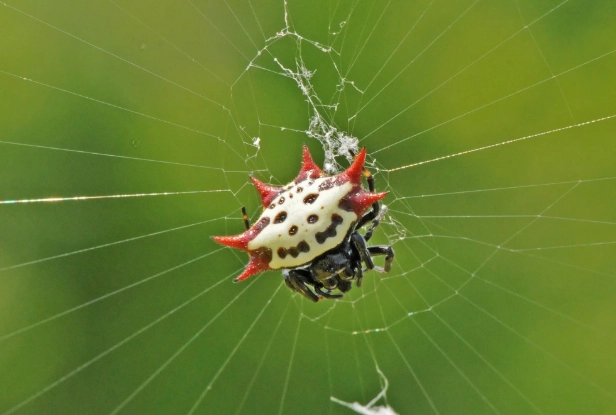
Quick Reality Check: Before we dive in, let's set expectations. The smiley face spider black (scientifically known as Theridion grallator) is tiny. We're talking 5 millimeters long. You won't find it waving from a web in your garage. Finding one in the wild is a special event, a reward for patient observers in very specific places. This isn't your common house spider.
So, What Exactly Is This Smiley-Faced Creature?
Alright, let's get the basics down. The creature we're all so curious about is the Hawaiian happy-face spider. The scientific name is Theridion grallator. "Grallator" means "stilt-walker," which is a pretty cute name for its long, slender legs. It belongs to the Theridiidae family, the same family as the common house spider and the notorious black widow (don't worry, they're not closely related in the danger department).
Now, here's the crucial part about the black smiley face spider specifically. The "smiley face" – a pattern of red, yellow, and white markings on its abdomen – is wildly variable. Not every spider has it, and even when they do, it's not always a perfect smile. Some patterns look like grimaces, surprised faces, or just abstract blobs. The classic, clear yellow smile on a dark black background is one of many possible patterns. Researchers believe this variation in patterning is a form of defense, possibly to confuse predators by not presenting a consistent, recognizable target. Isn't that clever?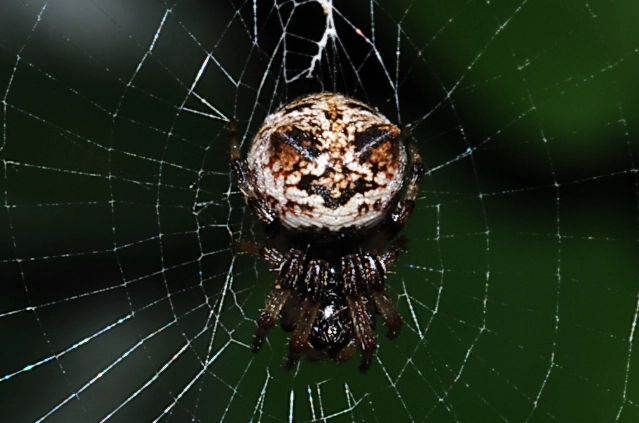
The Hard Facts: A Profile of Theridion Grallator
If you're the type who likes stats (I know I am), here’s a breakdown of what makes this spider tick.
| Feature | Details | Why It Matters |
|---|---|---|
| Scientific Name | Theridion grallator | Its official ID in the scientific world. |
| Common Names | Hawaiian happy-face spider, smiley face spider | The names everyone actually uses. |
| Size | ~5 mm (female), males are smaller | Explains why they're so hard to spot. |
| Primary Color Morph | Often a black or dark-bodied spider with colored abdominal patterns | The source of the "black spider with smiley face" search. |
| Habitat | Undersides of leaves in moist Hawaiian forests | Tells you exactly where to (quietly) look. |
| Diet | Small insects like flies and moths | It's a helpful predator, not a pest. |
| Web | Small, messy, horizontal tangle webs | You're more likely to see the spider than its web. |
| Conservation Status | Not formally listed, but considered vulnerable | Highlights the importance of habitat protection. |
Looking at that table, the thing that always gets me is the size. Five millimeters. That's smaller than a pencil eraser. The incredible detail of the pattern on something so small is what makes it so magical. It also means your phone camera probably won't cut it for a good photo unless you have a macro lens. Trust me, I've tried. The results were... blurry.
Home Sweet Home: Where to Find the Black Smiley Face Spider
This is non-negotiable: you will only find the happy face spider Hawaii has in its forests. It is endemic to the Hawaiian Islands, meaning it lives nowhere else on Earth. That right there adds a huge layer of responsibility for anyone hoping to see one. Their world is small and fragile.
They are primarily found on four islands: Oahu, Molokai, Maui, and the Big Island (Hawaii). Populations can vary significantly from one island to the next, and even from one valley to another. They thrive in wet, native forests. Think places like the Waikamoi Preserve on Maui or the Kokee State Park on Kauai. They are not beachgoers. You won't find them in dry, lowland areas or in hotels (despite what some sensational posts might imply).
A Quick Rant & Important Plea: If you're planning a trip to Hawaii with dreams of finding a smiley face spider black specimen, please adjust your mindset. They are not tourist attractions. The biggest threat to these spiders is habitat loss from invasive species and human development. Going off-trail, turning over leaves aggressively, or—heaven forbid—trying to take one home is incredibly harmful. The best practice is observation in place, with minimal disturbance. Your goal should be to see one, not to interact with it. This isn't a petting zoo.
Their preferred real estate is the underside of broad leaves from native plants like the kōpiko or ōhiʻa lehua. They build their small, messy webs there, which act as both home and trap for tiny insects. The leaf provides shelter from rain and some predators. It's a simple, effective setup that has worked for millennia.
A Closer Look: The Famous "Face" and Other Looks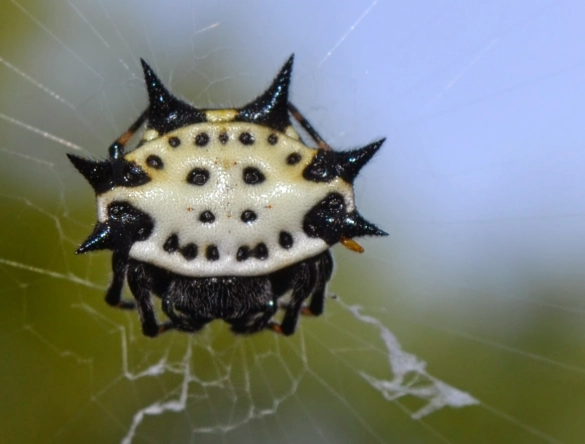
Let's geek out on the pattern for a second, because it's the whole reason we're here. The abdomen of Theridion grallator is like a tiny, living canvas. The base color is often a translucent yellow, but it's frequently covered by dark pigmentation, creating that black spider appearance. On top of this dark field, the colored markings (pigments called guanine) form.
The patterns are determined by genetics, and the variation is astounding. Dr. Rosemary Gillespie, a researcher who has extensively studied these spiders, has documented this polymorphism. You can see some of her team's work and images on the University of California, Berkeley's Essig Museum of Entomology site, which often features unique arthropod research. Her studies suggest the variation might help the spiders evade predators like birds, who can't lock onto a single, fixed "look."
So, what patterns might you see on a black smiley face spider?
- The Classic Smile: Two "eyes" and a broad, upturned "mouth" in yellow/red against the dark background. This is the lottery-winning pattern everyone hopes for.
- The Frown or Grimace: Same idea, but the mouth pattern curves down. Looks like the spider had a bad day.
- Abstract Art: Just splotches and lines that don't resemble a face at all. This is probably more common than the perfect smile.
- Minimalist: Just a couple dots, or almost no pattern on the black background.
Nature doesn't do consistency for our amusement.
I find the imperfect ones just as interesting. It shows this isn't some designed sticker; it's a quirk of evolution, a random genetic artwork. Sometimes the "face" is lopsided. Sometimes it's faint. That's part of the charm—it feels real, not manufactured.
Life, Diet, and Behavior: What Does a Happy Spider Do?
It doesn't just sit there looking cute. The happy face spider Hawaii ecosystems host is a passive hunter. It spins a small, tangled, horizontal web on the underside of a leaf. This web isn't the geometric orb you might picture; it's a haphazard-looking net. Then it waits, hanging upside down.
When a small insect—a gnat, a fruit fly, a tiny moth—blunders into the web, the spider quickly rushes over, bites it to inject venom, and wraps it in silk. The venom is effective on its small prey but is utterly inconsequential to humans. We'll get to that in the safety section.
One of the coolest things about their behavior is maternal care. The female lays her eggs in a silken egg sac and guards it fiercely. She'll stay with the sac until the spiderlings hatch. For a creature so small, that's a significant investment. After hatching, the spiderlings may stay near the mother for a short while before dispersing to find their own leaf. Imagine dozens of barely-visible specks, some perhaps with tiny, nascent smiley faces, venturing out into the big, wide rainforest.
The Million-Dollar Question: Is the Black Smiley Face Spider Poisonous?
This is, without a doubt, the number one question on everyone's mind. It's the core user concern. Let's address it head-on.
No, the Hawaiian happy-face spider is not considered dangerous or medically significant to humans. Its venom is adapted to subdue minute insects like flies. The spider itself is physically incapable of delivering a meaningful bite to human skin through its tiny fangs. Even if it could, the venom quantity is negligible, and there are no reports of it causing any reaction in people.
Think of it this way: you are a giant skyscraper, and the spider is a person throwing a pebble. You wouldn't even feel the pebble, and it certainly couldn't hurt you. That's the scale difference. The smiley face spider black variant wants nothing to do with you. You are a potential predator in its eyes, not prey.
The fear is understandable. We're conditioned to think "black spider" and immediately jump to widows or recluses. But in Hawaii, the happy-face spider is about as threatening as a ladybug. In fact, you should be far more concerned about centipedes or the occasional introduced cane spider (which are also harmless but look intimidating). This little arachnid is part of the delicate balance that keeps the forest healthy by controlling insect populations.
Conservation: The Not-So-Happy Reality
Here's where the smile fades a bit. The future of Theridion grallator is uncertain. As a species that evolved in isolation on remote islands, it is highly vulnerable to changes. The main threats aren't collectors (though that doesn't help) but larger, systemic issues:
- Habitat Loss: Native Hawaiian forests are under constant pressure from development and agriculture.
- Invasive Species: Non-native plants outcompete the native flora they depend on. Invasive animals like rats and birds may prey on them.
- Climate Change: Changes in temperature and rainfall patterns could disrupt the moist, stable microclimates they need.
Conservation efforts are largely focused on protecting large tracts of native forest. Organizations like the National Park Service in Haleakalā and the Nature Conservancy's Hawaii chapter work tirelessly to preserve these ecosystems. When you protect the forest, you protect all its unique inhabitants, including our smiling friend. Supporting these groups or simply being a responsible, low-impact visitor is the best way to help.
How to (Ethically) Observe a Smiley Face Spider in the Wild
If you're in Hawaii and want to try your luck, here's a practical guide. Manage your expectations—this is a needle-in-a-haystack activity that requires patience and respect.
Step 1: Be in the Right Place. Go to a mid-to-high elevation native forest on Maui, Oahu, Molokai, or the Big Island. Guided nature hikes in reserves are excellent options.
Step 2: Look Down (or Rather, Look Under). Scan the undersides of broad, healthy leaves. Don't tear leaves or break branches. Gently lift the edge of a leaf if you must, but often you can see from an angle.
Step 3: Look for a Tiny, Dark Speck. At 5mm, it will look like a piece of dirt at first. The web is often invisible. The classic black smiley face spider pattern might only be clear with magnification.
Step 4: Have a Macro Lens or Good Camera Ready. Your phone's regular camera will likely fail. A cheap clip-on macro lens can make all the difference.
Step 5: Observe and Move On. Take your mental (or photographic) snapshot. Do not touch, poke, or attempt to move the spider. Leave it exactly as you found it.
The hunt is most of the fun. Finding one feels like a real accomplishment.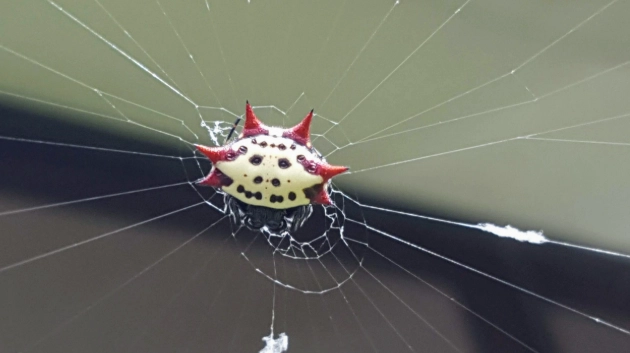
Common Questions About the Smiley Face Spider Black
Final Thoughts: More Than Just a Meme
It's easy to see the smiley face spider black as just a funny internet phenomenon. A biological joke. But spending time learning about it reveals something deeper. It's a symbol of the incredible, unique, and often overlooked biodiversity of islands. Hawaii is an evolutionary laboratory, and this spider is one of its most charming and fragile creations.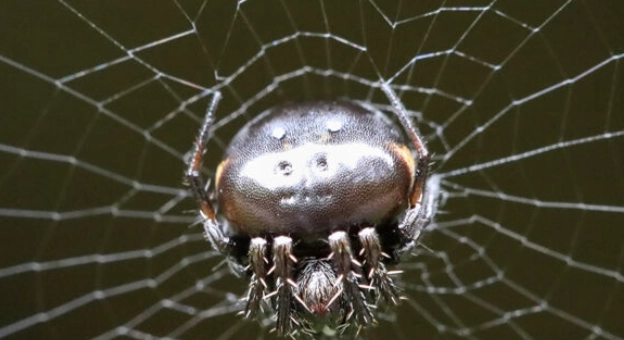
Its existence reminds us that wonder can be found in the smallest, darkest corners of the natural world, often wearing a surprising disguise. That "smile" is a happy accident for us, but for the spider, it's just another day of being a perfectly adapted, tiny predator in a vast green world.
So, if you ever get the chance to walk through a Hawaiian rainforest, slow down. Look closely. You might not find the smiling spider. You might find a hundred other amazing things instead. But just knowing that such a delicate, unique creature is there, living its life on the underside of a leaf, adds a layer of magic to the entire experience. And that's worth more than any viral photo.
Just remember to watch your step, and leave only footprints.



Comments
Leave a Comment