Let's be honest, seeing one of these giants is a bucket-list moment for many divers. I remember my first time – it wasn't in some fancy documentary, but on a slightly choppy day in Indonesia, and honestly, I almost missed it. They're big, but they can blend in. That got me thinking: where exactly are the best bumphead parrotfish locations? It's not just one spot, and it's not always where you'd expect. If you're planning a trip or just fascinated by these underwater bulldozers, knowing their real hangouts is key. It's more than just a pin on a map; it's about understanding their world.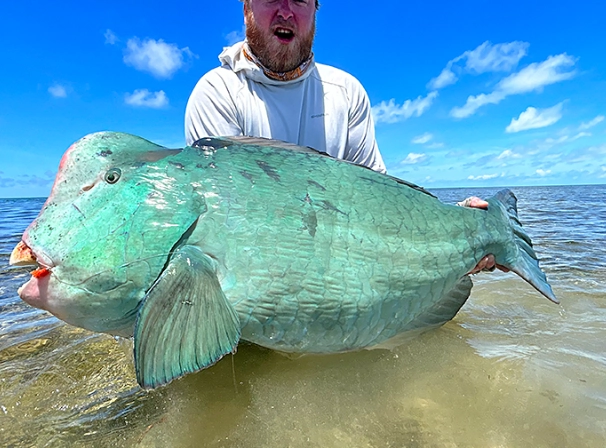
The bumphead parrotfish (Bolbometopon muricatum) isn't your average reef fish. We're talking about the largest parrotfish in the world, sometimes growing over four feet long and weighing up to 165 pounds. They've got that distinctive forehead bump (hence the name), and they move in groups. But their size makes them vulnerable. They've been hit hard by overfishing and habitat loss, which makes finding them today a very different story than it was decades ago. Their bumphead parrotfish location preferences are now tightly linked to areas with strong protection.
Quick Reality Check: Seeing a healthy school of bumpheads is a sign of a truly thriving reef. It means the ecosystem is balanced enough to support these massive, slow-growing creatures. If you find them, you've found a special place.
In This Guide
- The Core Realm: Where Bumphead Parrotfish Actually Live
- Top Real-World Destinations to See Them (A Diver's Shortlist)
- It's Not Just Geography: The Habitat Checklist
- Why Finding Them Matters: More Than Just a Sightseeing Trophy
- The Biggest Threats: Why They've Disappeared from Many Places
- How to Be a Responsible Bumphead Seeker
- Answers to Stuff You're Probably Wondering (FAQs)
The Core Realm: Where Bumphead Parrotfish Actually Live
Forget random spots across the ocean. Bumpheads have a very specific home range. They are creatures of the Indo-Pacific. That's the broad stage, from the east coast of Africa all the way to the islands of the central Pacific. But within that huge area, they're picky. You won't find them in the cool, temperate waters or in murky, sediment-filled coasts. Their world is defined by clear, warm, tropical seas and robust coral reef systems.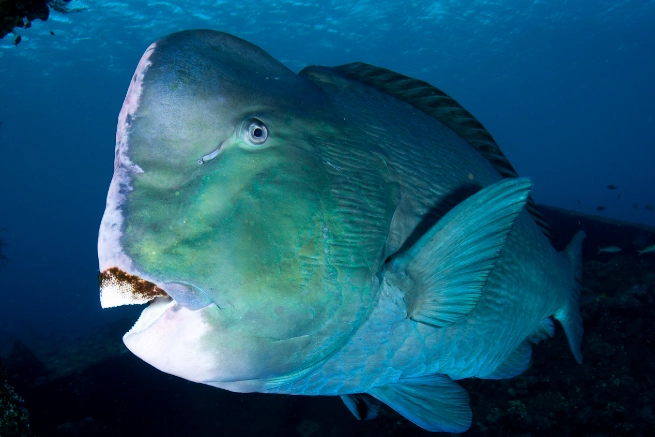
The classic bumphead parrotfish habitat is the outer reef slope and the lagoon reefs. They love areas with lots of live coral (their favorite food) and complex structures. Channels and passes between islands are also hotspots, as these areas often have strong currents that bring in nutrients, supporting rich coral growth. They need space to roam and forage in their groups, which scientists call "schools" or "aggregations."
I've talked to researchers who've tracked them, and one thing is clear: these fish have routines. They might spend the night resting in specific caves or overhangs (a behavior called "roosting") and then move along a predictable route to their feeding grounds at dawn. So, a bumphead parrotfish location isn't just a country; it's often a specific reef, channel, or even a known cleaning station within that reef.
Top Real-World Destinations to See Them (A Diver's Shortlist)
Based on recent diver reports, scientific surveys, and conservation data, here are the places where your odds are currently best. This isn't a guarantee—wildlife is unpredictable—but these spots have consistent records.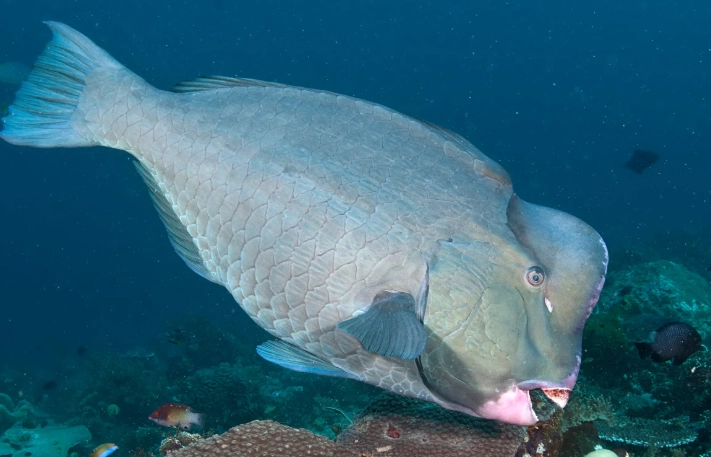
| Location | Region/Country | Why It's a Hotspot | Best Time (General) |
|---|---|---|---|
| Palau's Rock Islands | Micronesia | Possibly the world's most famous and reliable spot. Strong marine protections, especially in the famous "Blue Corner" and "German Channel." Large, healthy populations are regularly seen. | Year-round, but visibility is best Nov-June. |
| Raja Ampat, Indonesia | West Papua, Indonesia | Epicenter of marine biodiversity. Sites like "Cape Kri" and "Manta Sandy" often have sightings. The establishment of marine protected areas (MPAs) has helped populations recover. | Oct-April for calmer seas. |
| Great Barrier Reef, Specific Sites | Australia | Not everywhere, but locations in the far north (Ribbon Reefs, Cod Hole) and the remote outer reefs still support groups. Heavily protected in Australian waters. | Jun-Nov (avoid stinger season). |
| Solomon Islands | South Pacific | Less visited, pristine reefs. Marovo Lagoon and sites around Gizo are known for bumphead encounters. Traditional management helps. | April-November. |
| Similan Islands, Thailand | Andaman Sea | A reliable spot in Southeast Asia, particularly at reefs like "Elephant Head Rock." Populations are smaller but regularly observed within the National Park. | Mid-Oct to Mid-May (park is closed otherwise). |
Notice a pattern? Almost every single one of these top bumphead parrotfish locations is within a designated marine protected area (MPA) or a region with strong, enforced fishing restrictions. That's not a coincidence. It's the single biggest factor determining where they thrive today.
A Word of Caution: Just because a place is on an old diving blog from 2010 doesn't mean it's still good. I've heard disappointing stories from divers who went to formerly great spots in, say, parts of the Philippines or Malaysia, only to find the bumpheads gone due to later fishing pressure. Always look for the most recent trip reports (last 1-2 years).
It's Not Just Geography: The Habitat Checklist
Okay, so you're looking at a map of the Indo-Pacific. How do you zoom in? What does a prime bumphead parrotfish habitat actually look like underwater? Think of it as a checklist.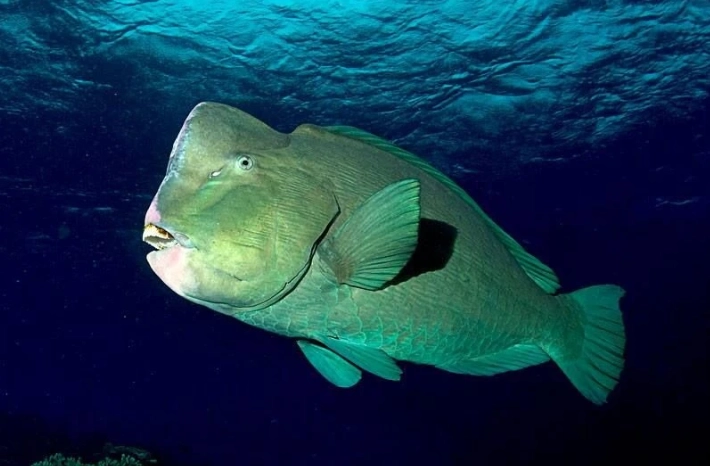
First: Healthy, Live Coral Cover. This is non-negotiable. Bumpheads are corallivores. They eat live coral polyps. A reef smothered in algae is a useless desert to them. They use their powerful beak-like teeth to crunch off chunks of coral. A reef needs a high percentage of hard corals (especially branching and mound-shaped ones) to support them.
Second: Structural Complexity. They need nooks, crannies, caves, and overhangs. These serve as critical nighttime shelters where they can sleep safely from predators. A flat, featureless reef won't cut it. This complexity also supports the smaller fish and invertebrates that make up the rest of the food web.
Third: Clean, Clear Water. They aren't fans of silt or murk. Sedimentation can kill coral and reduce visibility, making it harder for them to navigate and find food. Locations with good water flow and oceanic clarity are preferred.
Fourth: Proximity to Deep Water. Many of the best bumphead parrotfish locations are on outer reef walls or slopes that drop off into the deep blue. This provides access to different current regimes and often, those crucial cleaning stations where wrasses pick parasites off them.
When you combine these factors, you start to see why places like Palau's drop-offs or Raja Ampat's current-swept pinnacles are so perfect. They tick every box.
Why Finding Them Matters: More Than Just a Sightseeing Trophy
This is where it gets important. Understanding their location isn't just for our vacation photos. Bumphead parrotfish are a keystone species. That's an ecology term for a species that has an outsized impact on its environment. Their feeding activity literally shapes the reef.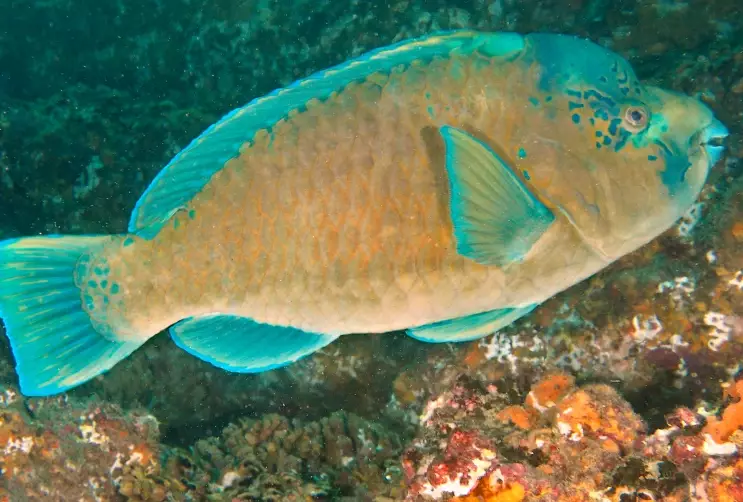
By scraping and crunching coral, they do two huge things: 1) They control coral growth, preventing fast-growing species from dominating and allowing space for others. 2) They are major producers of sand. All that coral they eat gets ground up in their digestive systems and excreted as fine white sand. Yes, a significant portion of that beautiful tropical beach sand you love is actually parrotfish poop. Think about that next time you're on a beach!
So, a healthy bumphead parrotfish location is actively engaged in reef maintenance and sand production. Remove them, and the reef's ecology and even the coastline's geology can change. Their presence is a vital sign of reef health. Organizations like the International Union for Conservation of Nature (IUCN) list them as Vulnerable globally, which is just one step away from Endangered. You can see their detailed assessment on the IUCN Red List website.
The Biggest Threats: Why They've Disappeared from Many Places
It's a sad but necessary part of the story. To understand why the current bumphead parrotfish location map is so patchy, you need to know what pushed them out. The main culprit is overfishing. Their size, tendency to sleep in groups in predictable spots, and the value of their meat made them tragically easy to hunt, often at night using spears and lights. In many cultures, they were (and in some places, still are) considered a prized food fish.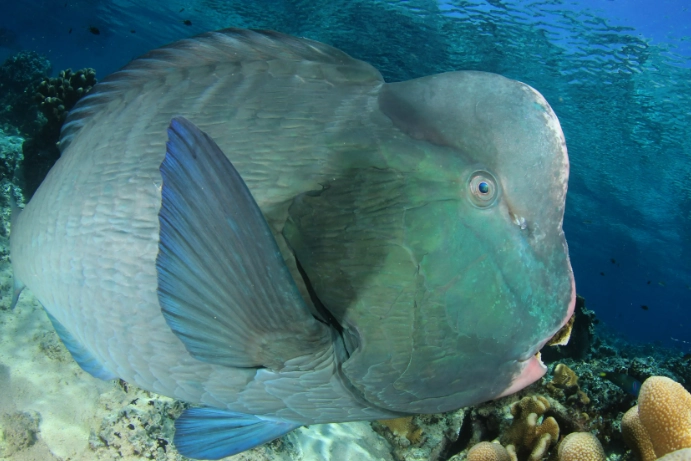
Habitat degradation is the other hammer blow. Climate change causing coral bleaching, pollution, and coastal development that smothers reefs in sediment—all of this destroys the very habitat they need to survive. A bleached reef might still look like a reef from above, but to a bumphead, it's a barren wasteland with no food.
This double whammy has led to local extinctions across large parts of their historical range. That's why the map has shrunk. The spots that remain are often the remote, well-managed, or recently protected ones.
How to Be a Responsible Bumphead Seeker
If you're lucky enough to dive in one of these prime bumphead parrotfish locations, how you behave matters. These are not petting zoo animals.
- Keep Your Distance. Use your zoom lens, not your fins. Crowding or chasing them can stress them, disrupt their feeding, and scare them away from important sites.
- Don't Touch, Ever. The slimy coating on their skin (the mucus cocoon they sometimes produce at night) is a critical defense against parasites. Touching it can remove this layer.
- Mind Your Buoyancy. This is Diving 101, but it's extra crucial here. One errant fin kick can destroy years of coral growth that they depend on. Stay off the reef.
- Choose Ethical Operators. Book with dive shops that explicitly talk about conservation, follow good practices, and support local MPAs. Your money is a vote.
It's simple: we want them to keep coming back to that bumphead parrotfish location. Our actions decide that.
Answers to Stuff You're Probably Wondering (FAQs)
Let's get into some nitty-gritty. These are questions I had myself or have heard a hundred times from other divers.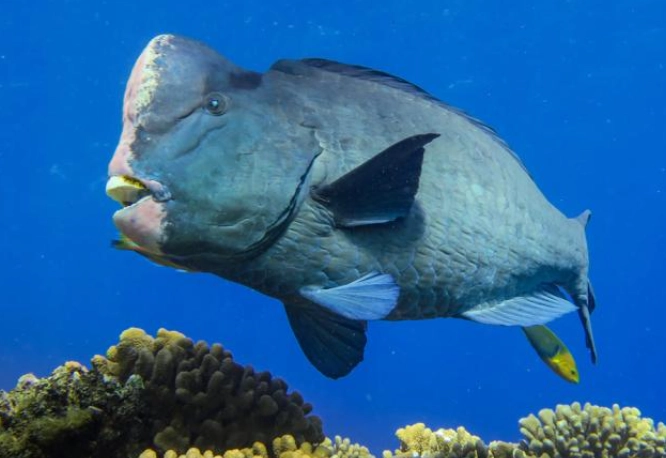
Nope. Zero. They are strictly an Indo-Pacific species. The parrotfish you see in the Caribbean are different, often smaller, species. If someone tells you they saw a bumphead in Bonaire, they're mistaken (probably saw a large midnight or rainbow parrotfish).
Early morning, just after sunrise. This is when they are most active, moving from their sleeping sites to feeding grounds. Late afternoon can also be good as they may be moving back. Night dives can sometimes catch them sleeping in their roosts, but you must be incredibly careful not to disturb them with your light.
Technically, yes, and historically many cultures did. But here's the strong opinion part: You absolutely shouldn't. Given their vulnerable status, slow growth, and ecological importance, consuming them is incredibly unsustainable. In many of the key bumphead parrotfish locations mentioned (like Palau, Australia, Thailand's national parks), fishing for them is completely illegal. Support the bans.
That forehead bump (the "bumphead") is the dead giveaway. It's prominent in adults. Also, look for the uniform grayish to greenish body color, often with a pale front end. They lack the bright, flashy colors of many other parrotfish species. And, of course, the sheer bulk. If it looks like a small submarine with a blunt head, it's probably a bumphead.
Marine Protected Areas (MPAs) are the number one tool. Complete bans on fishing them, as in Australia and Palau, are crucial. Research is also key. Scientists are using acoustic tags to track their movements (you can read about some of this research through institutions like the National Oceanic and Atmospheric Administration (NOAA) which supports coral reef research). Community-based management, where local villages control their reefs, has also shown success in places like the Solomon Islands.
Final Thought: Finding a great bumphead parrotfish location today is a privilege. It connects you to a wild, ancient process of reef building and reminds you of how intricate and fragile these systems are. Do your homework, pick a responsible destination, dive with respect, and that moment you finally see one—or a whole school—will be all the more meaningful. It's not just a fish; it's a sign of hope for the reef.
I hope this deep dive gives you a much clearer, real-world picture than just a simple list of countries. It's about the habitat, the threats, the conservation, and the responsibility that comes with seeking out such a magnificent creature. Good luck, and dive safe.



Comments
Leave a Comment