Quick Guide to Key Sections
- Untangling the Legal Web: Country by Country Breakdown
- Beyond the Law: The Ethical and Practical Reality of Ownership
- The Bigger Picture: Conservation and Ecological Responsibility
- Your Action Plan: How to Legally and Ethically Acquire an Orchid Mantis
- Common Questions (The Stuff You're Actually Searching For)
- Final Thoughts: More Than a Yes or No Answer
It hits you one day, scrolling through Instagram or YouTube. This stunning pink and white creature, looking less like an insect and more like a fragment of a flower that decided to walk around. The orchid mantis (Hymenopus coronatus). It’s breathtaking. And immediately, the thought pops into your head: "I need one." But then, a more cautious, nagging question follows right behind: wait, is it illegal to own an orchid mantis?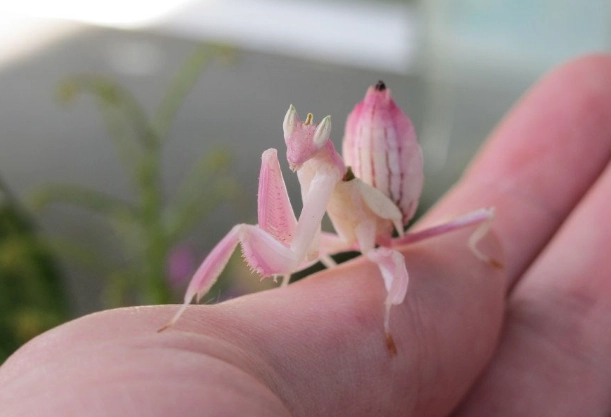
That's the smart question to ask. Jumping into exotic pet ownership without checking the rules is a recipe for heartbreak, fines, or worse for the animal. I learned that the hard way years ago with a different species, and I don't want you to make the same mistake. The short, messy answer is: it depends entirely on where you live. There's no global yes or no. What's perfectly fine in Texas might land you in hot water in Tasmania.
This guide isn't just a dry list of laws. We're going to dig into the why behind the rules, what it actually takes to care for one of these living jewels (spoiler: it's not just a pretty jar), and the ethical stuff that keeps serious keepers up at night. By the end, you'll have a much clearer picture of whether owning an orchid mantis is a realistic dream for you.
Key Takeaway Up Front: For most readers in the United States, Canada, and the UK, owning an orchid mantis as a pet is generally legal because they are commonly captive-bred. However, you must check your specific state, province, or local ordinances. The legality hinges on captive breeding status and local invasive species laws.
Untangling the Legal Web: Country by Country Breakdown
Let's get into the nitty-gritty. I've spent more hours than I'd like to admit digging through government wildlife and agricultural websites. The landscape is a patchwork. Here’s a breakdown for some of the most common regions where people ask, "Is it illegal to own an orchid mantis in my area?"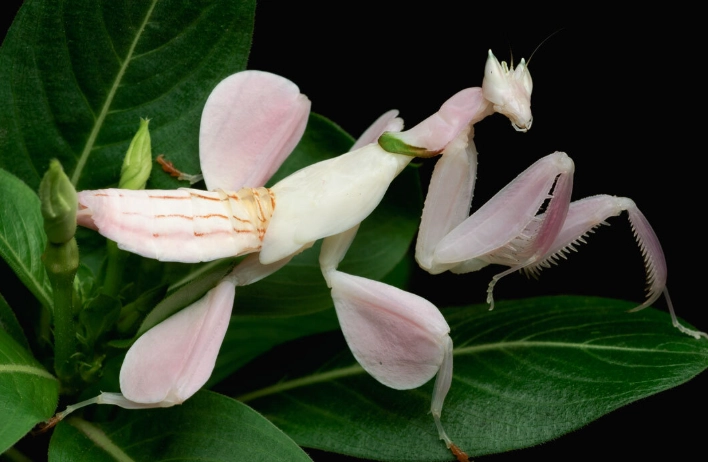
United States: It's a State-by-State Affair
There's no federal law banning orchid mantises in the U.S. The main federal framework, the Lacey Act, focuses on illegal wildlife trafficking and interstate transport of species harmful to agriculture or native wildlife. Orchid mantises, being Southeast Asian predators of small insects, aren't on that radar. So, the feds don't care.
Where you need to look is at your state-level regulations. Most states don't have specific lists that include every insect. Instead, they regulate by category. A few states to watch:
- Florida: This is the big one. The Florida Fish and Wildlife Conservation Commission (FWC) has a long list of "Conditional Species" and "Prohibited Species" to prevent ecological nightmares. While the orchid mantis itself isn't listed, Florida's climate is a huge concern. The state is hyper-vigilant about non-native species that could survive and breed in the wild. I'd be extremely cautious here and contact the FWC directly for clarification. It's not worth the risk.
- Hawaii: Similar story. Hawaii's ecosystem is incredibly fragile. Their Department of Agriculture is notoriously strict. Importing any non-native insect usually requires a permit, if it's allowed at all. Assume it's a no unless you have explicit written permission.
- California: California has restrictions on certain insect families, but mantises (Mantodea) generally aren't prohibited. However, their Department of Food and Agriculture has the authority to restrict anything deemed a threat. Always check for updates.
For the vast majority of other states, if you're buying from a reputable domestic breeder (more on that later), you're likely in the clear. But I can't stress this enough: a quick web search for "[Your State] Department of Agriculture exotic insect laws" is 30 minutes well spent.
Canada and the United Kingdom
In Canada, regulation is primarily at the provincial level. Generally, captive-bred invertebrates are less regulated than vertebrates. No province has a specific ban on orchid mantises. The main concern would be if they were considered a potential invasive species, which, given Canada's climate, is a very low risk for a tropical insect.
The UK is also relatively permissive. The main legislation is the Wildlife and Countryside Act 1981, which lists species that cannot be released into the wild. Orchid mantises aren't on it. As with elsewhere, the critical factor is ensuring your specimen is captive-bred and not wild-caught.
See the pattern? Captive breeding is the golden ticket.
Australia and the European Union: The Stricter Zones
Here's where things get tight. Australia has perhaps the world's strictest biosecurity laws, and for good reason. Their unique ecosystem has been devastated by introduced species. The Department of Agriculture, Fisheries and Forestry maintains the list of prohibited species. While an orchid mantis might not be explicitly named, the default position is that any non-native live insect is prohibited for import without extensive permits, which are rarely granted for private hobbyists. For residents inside Australia, keeping one bred domestically might be in a gray area, but sourcing one would be nearly impossible legally. Frankly, if you're in Australia, the answer to "is it illegal to own an orchid mantis?" is almost certainly yes, or so logistically difficult it amounts to a no.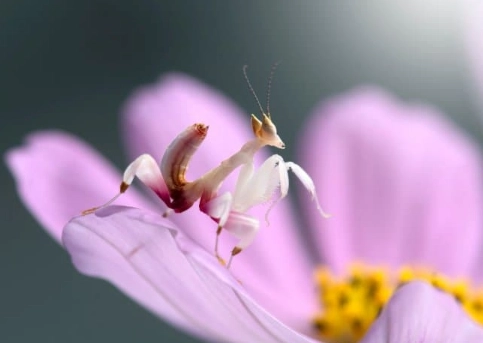
In the European Union, the EU Regulation on Invasive Alien Species lists species of Union concern that cannot be imported, traded, bred, or released. The orchid mantis is not on this list. However, individual member states may have additional restrictions. The Netherlands or Germany, with large exotic pet communities, are likely fine, but always verify national laws.
| Region/Country | General Legal Status for Captive-Bred Orchid Mantis | Key Governing Body/Act to Check | Level of Restriction |
|---|---|---|---|
| United States (Most States) | Typically Legal | State Dept. of Agriculture / Fish & Wildlife | Low to Moderate (State-dependent) |
| Florida, USA | Likely Restricted / Prohibited | Florida Fish & Wildlife (FWC) | High |
| Canada | Typically Legal | Provincial Natural Resources/Wildlife Offices | Low |
| United Kingdom | Typically Legal | Wildlife and Countryside Act 1981 | Low |
| Australia | Effectively Prohibited | Dept. of Agriculture, Fisheries & Forestry | Very High |
| European Union | Typically Legal (Check Member State) | EU IAS Regulation / National Laws | Low to Moderate |
Beyond the Law: The Ethical and Practical Reality of Ownership
Okay, let's say the law is on your side. The next question isn't "can I?" but "should I, and can I properly?" This is where the real commitment starts. Asking "is it illegal to own an orchid mantis" is step one. Step two is acknowledging they are not decorative objects.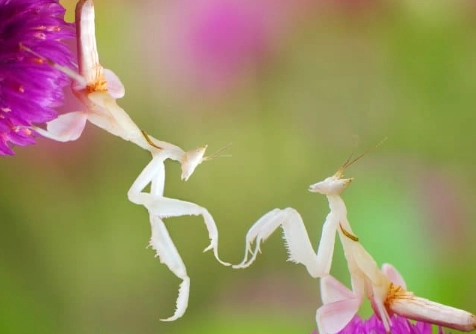
Why Captive-Bred is Non-Negotiable
This is the single most important ethical point. The pet trade has devastated wild populations of countless species. While the impact on orchid mantises isn't as documented as for some reptiles, the principle stands.
- Wild-Caught (WC): Stresses the animal, often carries parasites/diseases, depletes native ecosystems, and has a much higher mortality rate in transit and acclimation. It's bad practice.
- Captive-Bred (CB): The animal is accustomed to captive conditions, healthier, and its purchase does not impact wild populations. It supports responsible breeders who have invested in sustaining the hobby ethically.
Always, always buy from a breeder who can guarantee captive-bred offspring. If a seller is vague or advertises "imported," walk away. This is one area where being cheap costs more in heartache and ecological damage.
Red Flag: If a website is selling "wild-caught" orchid mantises or can't confirm the breeding history, they are part of the problem. Your purchase encourages unsustainable collection. Don't do it.
The Not-So-Glamorous Care Requirements
People see the flower-like appearance and think "delicate and easy." Wrong. They are hardy for mantises, but have very specific needs. If you can't meet these, legality is irrelevant—you shouldn't own one.
Housing: A tall, well-ventilated terrarium (mesh is great) is a must. They need space to hang and molt. Crowding or inadequate height leads to fatal mismolts.
Heat & Humidity: This is where many fail. They need consistent warmth (75-85°F) and high humidity (60-80%). This isn't a "spritz now and then" situation. It requires a reliable heat source (like a small heat mat on the side, NOT the bottom) and regular misting with a hygrometer to monitor levels. Fluctuations cause stress and death.
Food: They are active, visual predators. You need a reliable source of live, appropriate-sized flying insects. Fruit flies (Drosophila) for nymphs, later moving to house flies, blue bottle flies, moths, or small crickets. No, they won't eat dead bugs. No, they can't just share your leftover fruit. You are now a manager of a live insect colony. Are you ready for that?
Lifespan & Commitment: An adult female orchid mantis may live 8-12 months. It's a short, intense commitment. You are responsible for her entire life cycle.
I made mistakes with my first mantis (not an orchid, a ghost mantis) on humidity. I thought I was keeping it high enough. I wasn't. It mismolted and died. It was a crushing lesson in the precision these animals require. It's not just about whether is it illegal to own an orchid mantis, it's about whether you can provide a proper life.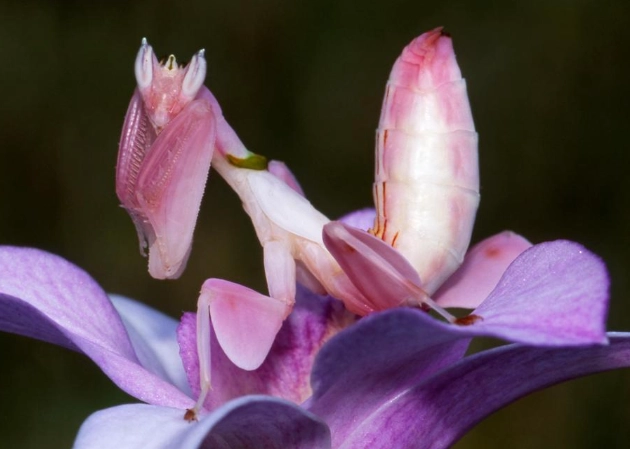
The Bigger Picture: Conservation and Ecological Responsibility
Even if something is legal and you can care for it, there's a wider lens to look through. The exotic pet hobby has a shadow. The demand for "weird" and "beautiful" creatures can push species toward danger.
Orchid mantises hail from rainforests in Southeast Asia—habitats under immense pressure from deforestation and palm oil plantations. While the pet trade might not be their primary threat, removing any animal from a struggling ecosystem adds pressure. This is why captive breeding is an absolute ethical imperative. It creates a sustainable population outside of the wild.
Furthermore, the "what if" scenario. What if it escapes? In suitable climates (like Florida or parts of Asia), could it establish itself? While not considered a major invasive threat like the giant African land snail, introducing any non-native predator can have unforeseen consequences for local pollinators and insect populations. Responsible ownership means escape-proof enclosures, always. This is a core part of the social contract of keeping non-native species.
"Legality is the minimum standard. Ethics and competence are what define a responsible keeper." – A sentiment echoed by seasoned invertebrate hobbyists and conservationists.
Your Action Plan: How to Legally and Ethically Acquire an Orchid Mantis
Let's get practical. You've checked your laws, you've assessed your ability to provide care, and you've decided to proceed. How do you do it right?
- Finalize Your Local Law Check: Don't just rely on this article. Go to the official .gov or .gov.uk website for your region. Search for "invasive species list," "prohibited live animals," or "conditional species permit." Make a note or take a screenshot for your records.
- Find a Reputable Breeder: This is crucial. Look for breeders on dedicated invertebrate forums, reptile/exotic pet expos, or specialized online stores with strong reputations. Good signs: they specialize in mantises, they can provide detailed care sheets, they answer questions about lineage (e.g., "F2 CB" meaning second generation captive-bred), and they don't sell wild-caught animals. Avoid generic pet shops and mass-market online retailers.
- Prepare the Enclosure FIRST: Have the entire terrarium set up, heated, humidified, and stabilized for at least 48 hours before the mantis arrives. This is non-negotiable. The stress of shipping is huge; they need a perfect, ready home immediately.
- Arrange Safe Shipping: A good breeder will know how to ship live insects safely, using insulated boxes and fast delivery methods. Never have a live animal shipped to a mailbox or left on a porch in extreme weather. Plan to be home to receive it.
- Quarantine & Acclimation: When it arrives, don't handle it. Gently move it in its shipping vial into the prepared enclosure and leave it completely alone for 24-48 hours to hydrate and settle. Offer food after this period.
Common Questions (The Stuff You're Actually Searching For)
Let's tackle some of the specific, burning questions that lead people to ask "is it illegal to own an orchid mantis?" in the first place.
Sometimes, loving an animal means not owning it.
Final Thoughts: More Than a Yes or No Answer
So, after all this, what's the final verdict on "is it illegal to own an orchid mantis"? It's a gateway question. It opens the door to a much more important conversation about responsibility, ethics, and capability.
For many, the path is clear: check your local laws, find an ethical breeder, set up a perfect habitat, and enjoy the incredible experience of caring for one of nature's most astonishing mimics. For others, particularly those in restrictive regions or who realize the care is beyond their current means, the answer is to hold off. The hobby will still be there later, and there are many other fascinating, less-demandful mantis species to start with.
The legality is just the first box to check. The real work—and the real reward—lies in everything that comes after. Do your homework, be honest about your commitment, and always, always prioritize the welfare of the animal over your desire to own something beautiful. That's the mark of a true keeper.



Comments
Leave a Comment