Your Quick Guide to Orchid Mantis Care
- First Things First: The Orchid Mantis Reality Check
- Setting Up the Perfect Home: Enclosure is Everything
- The Two Pillars: Temperature and Humidity
- Feeding Your Flower Mimic: It's Not Just Fruit Flies
- The Molt: The Most Stressful (and Amazing) Part of Orchid Mantis Care
- Common Health Issues and How to Spot Them
- Frequently Asked Questions (The Ones You're Actually Searching For)
- Final Thoughts: Is Orchid Mantis Care For You?
Let's be real. You saw a picture. Maybe it was a stunning pink and white insect perched on a flower, looking less like a predator and more like a piece of living art. The orchid mantis (Hymenopus coronatus) does that to people. It triggers a "I must have this" reaction that's hard to ignore. I get it. I was there too, scrolling through forums and care sheets, equal parts excited and terrified of messing it up.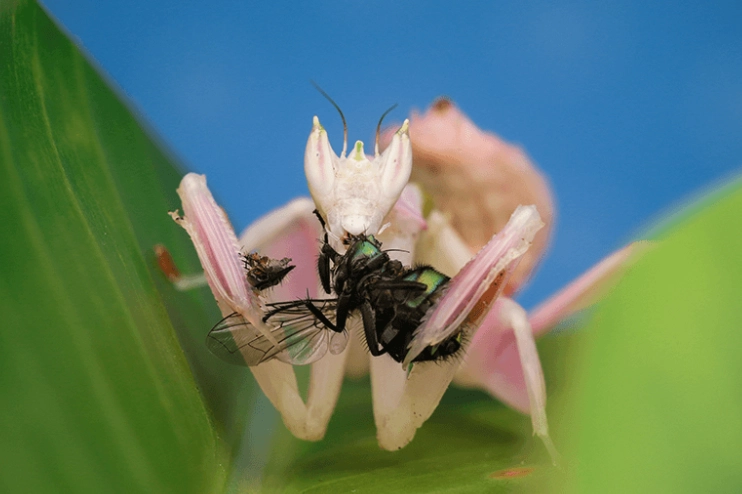
But here's the thing nobody tells you right away: orchid mantis care isn't just about keeping something alive. It's about recreating a tiny slice of the Malaysian or Indonesian rainforest on your desk or shelf. It's a commitment to understanding humidity, temperature, and the dietary whims of a creature that's both incredibly delicate and ruthlessly efficient. This isn't a goldfish. Get it wrong, and the consequences are pretty immediate and, frankly, sad.
So, I'm writing this guide not as a distant expert, but as someone who's made the mistakes, celebrated the molts, and learned through trial and error (mostly error at the start). This is everything I wish I'd known before my first nymph arrived in a deli cup. We'll ditch the overly technical jargon and talk about the actual, practical steps of orchid mantis care that work.
First Things First: The Orchid Mantis Reality Check
Before you even think about buying one, let's clear the air. Social media makes them look like the perfect, low-maintenance pet. They are not. They are exotic pets with specific needs. If you're looking for something to cuddle or handle frequently, look elsewhere. Mantises are observe-and-appreciate pets. Their beauty is in their stillness and their sudden, precise movement during feeding.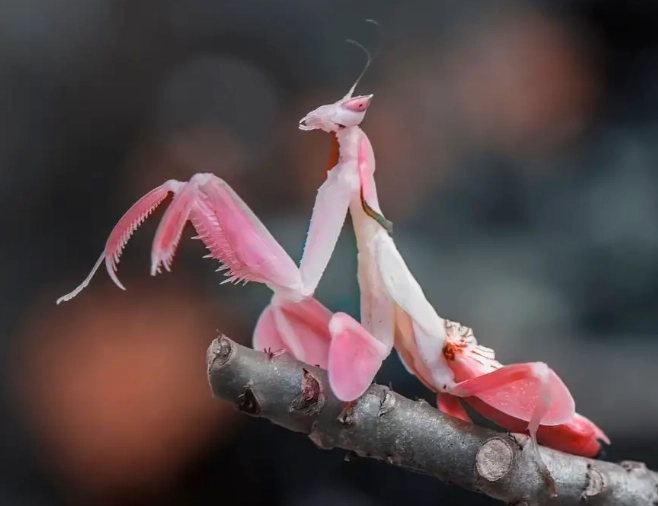
Another reality? Their lifespan. An adult female orchid mantis might live 8-10 months total, with only about 4-6 of those as a stunning, full-grown adult. The males live even shorter lives. You're signing up for a brief, intense, and incredibly rewarding relationship. You have to be okay with that cycle.
Setting Up the Perfect Home: Enclosure is Everything
Think of the enclosure as the foundation of all orchid mantis care. Get this wrong, and nothing else will work properly. The setup changes as they grow, so we'll break it down by life stage.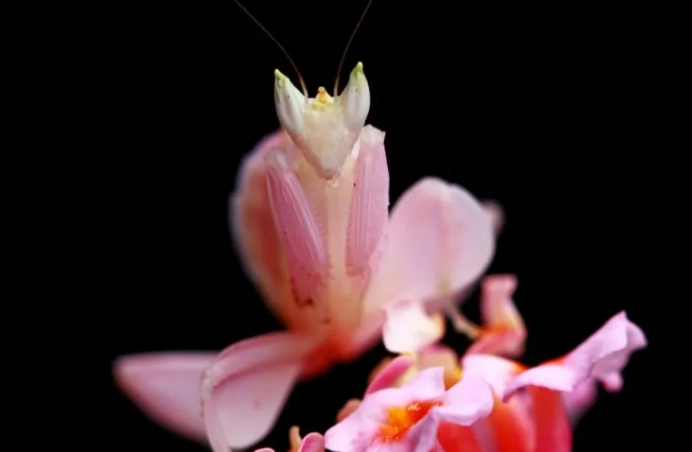
Nymph Housing (L1 to L4)
When they're tiny (L1 nymphs are like moving specks), you need a simple, secure, and easily humidified space. A 32-ounce deli cup is the industry standard for a reason. It's cheap, clear, and functional.
- Ventilation: Poke or melt small holes in the lid and upper sides. Too many holes and you lose humidity; too few and there's no air flow. Aim for a dozen small holes in the lid.
- Substrate: A paper towel on the bottom. Seriously, just a paper towel. It's easy to replace, helps with humidity, and lets you spot poop (frass) and leftover food parts for easy cleanup.
- Furnishings: They need to hang upside-down to molt. Provide sticks or fake plants that reach the top. I prefer thin, textured fake vines from a craft store—they're easy to clean and provide perfect grip.
- Humidity Source: Lightly mist one side of the cup (not directly on the mantis!) every day or every other day, depending on your room's dryness. The paper towel should be slightly damp, not soaked.
Juvenile to Adult Housing
Around L4 or L5, they need to graduate to a proper terrarium. This is where your orchid mantis care routine gets more permanent.
Enclosure Type: A tall mesh or glass/mesh hybrid terrarium is ideal. All-glass can work if you're diligent about ventilation and misting, but all-mesh makes humidity control a nightmare. A front-opening terrarium (like those from Exo Terra or Zoo Med) is a game-changer for maintenance.
Size: For a single adult female, an enclosure around 12" x 12" x 18" (H) is perfect. Males can do fine in something slightly smaller. The key is height—they need space to hang down for molting.
| Enclosure Feature | Recommendation | Why It Matters |
|---|---|---|
| Material | Glass with mesh top or front-mesh panels | Retains humidity while allowing air flow. Prevents escapes. |
| Substrate | Organic potting soil (no fertilizers), sphagnum moss, or a bioactive mix | Holds moisture, supports live plants if used, and looks natural. |
| Furnishings | Multiple branches, tall fake or live plants (Pothos, Philodendron), mesh or twine under the lid | Provides climbing and molting surfaces. Live plants help with humidity. |
| Water Source | NO water dishes. Misting only. | Mantises drink droplets from surfaces. Dishes are drowning hazards. |
The Two Pillars: Temperature and Humidity
If I had to pick the two most critical elements of orchid mantis care, it's these. They are non-negotiable.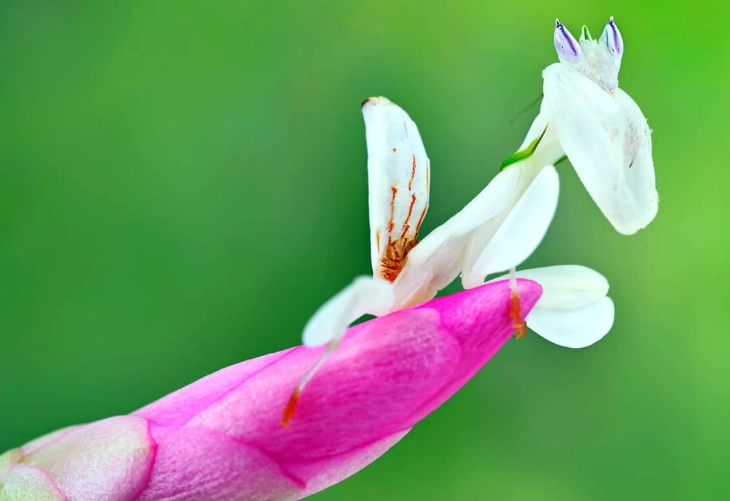
Temperature: Room temperature (around 72-75°F) is often okay, but they thrive in the low 80s. I use a small, low-wattage heat mat placed on the SIDE of the glass (never underneath), connected to a thermostat. This prevents overheating. A simple digital thermometer inside the enclosure is a must-have.
Humidity: This is the big one. 60-80% is the sweet spot. How do you achieve this?
- Misting: Use a fine mist spray bottle with distilled or reverse osmosis water to avoid mineral spots. Mist the plants and sides of the enclosure heavily once or twice a day. The substrate should feel moist, and you should see fine droplets on the plants.
- Hygrometer: Get a decent digital one. The cheap analog dials are notoriously inaccurate. Place it in the middle of the enclosure.
- Method: Mist heavily in the evening to simulate a rainforest dew cycle. A lighter mist in the morning can help if your room is very dry.
What happens if humidity is wrong? Low humidity = a mantis getting stuck in its molt (a death sentence). High humidity (constantly soggy, no air flow) = mold and bacterial growth, which can lead to respiratory issues. It's a balance.
Feeding Your Flower Mimic: It's Not Just Fruit Flies
Orchid mantis care guides often just say "feed them flying insects." That's too vague. Their diet needs to evolve with them, and variety is key to good health.
Nymphs (L1-L3): Hydei fruit flies (the larger species) are the staple. You can buy cultures online. Dust them with a light calcium powder supplement once a week.
Nymphs (L4 to Sub-adult): This is where you can introduce variety. Blue bottle fly spikes (let them hatch into flies in a separate container), small crickets (head size or smaller), and later, small dubia roach nymphs are excellent. I found mine went crazy for green bottle flies—the movement really triggers their hunting instinct.
Adults: Females are impressive eaters. They can take large crickets, full-sized dubia roaches, moths, and even the occasional waxworm (as a treat, not a staple—they're fatty). Males, being smaller, will stick to smaller crickets and flies.
Feeding Schedule & How-To
- Frequency: Feed nymphs every 2-3 days. Feed sub-adults and adults every 3-4 days. Watch their abdomen. It should look plump but not massively distended after a meal. If it's looking very skinny, feed sooner.
- Method: Never leave live prey unattended for long, especially crickets. A hungry cricket can bite a molting or resting mantis. I put 1-2 appropriately sized prey items in at a time and watch until they're caught. Remove any uneaten prey after a few hours.
- Gut-loading: This is critical. You are what your food eats. Feed your feeder insects nutritious foods (commercial gut-load, carrots, leafy greens, oats) for at least 24 hours before offering them to your mantis. This transfers nutrients.
- Supplements: Lightly dust feeders with a calcium supplement (without vitamin D3) once a week. Once every two weeks, use a calcium powder with D3 or a multivitamin powder. Don't overdo it.
The Molt: The Most Stressful (and Amazing) Part of Orchid Mantis Care
This is the process where they grow. They hang upside down, split their old exoskeleton, and wiggle out. It's nerve-wracking to watch but incredible.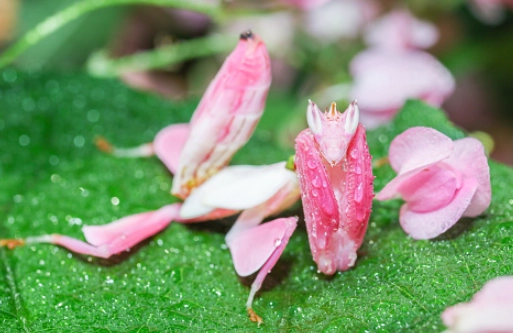
Signs of an impending molt (pre-molt): They stop eating (sometimes for several days). Their abdomen may look full from absorbing water. They become lethargic and find a high spot to hang from. DO NOT FEED OR DISTURB THEM during this time.
During the molt: It can take a few hours. Do not touch the enclosure, mist, or make vibrations. Just watch from a distance if you must. The number one cause of a bad molt is low humidity or disturbance.
After the molt: They will be soft, white, and vulnerable. Leave them completely alone for at least 24-48 hours while their new exoskeleton hardens and darkens. Do not offer food until they are moving normally and their body has hardened (usually 2 days post-molt). Their first meal after a molt is crucial.
Common Health Issues and How to Spot Them
Even with perfect orchid mantis care, things can go wrong. Early detection is key.
- Failed Molt (Dysecdysis): The mantis gets partially stuck in its old skin. Often fatal. Cause: Almost always low humidity. Prevention: Maintain proper humidity, especially in the days leading up to a molt.
- Dehydration: Abdomen looks wrinkled or skinny, lethargy, difficulty moving. Treatment: Offer a gentle mist of water directly in front of it. They will often drink eagerly. Re-evaluate your misting schedule.
- Falling: A mantis that frequently falls or has trouble gripping may have an internal issue, be weak from poor nutrition, or be nearing the end of its natural life. Ensure feeders are gut-loaded and supplements are given.
- Black Spots/Fungus: Dark spots on the body. Usually a sign of a bacterial or fungal infection, often from unsanitary conditions or consistently wet substrate. Improve ventilation, clean the enclosure thoroughly, and replace the substrate.
Frequently Asked Questions (The Ones You're Actually Searching For)
Final Thoughts: Is Orchid Mantis Care For You?
Keeping an orchid mantis is a unique hobby. It's quiet, it's observational, and the reward is in the daily details—watching a perfect ambush, seeing a new flower-like coloration emerge after a molt, and successfully creating a micro-habitat.
It requires diligence. You can't go on a weekend trip without arranging for someone to mist the enclosure. You need to maintain a supply of live insects. You have to be okay with a relatively short lifespan.
But if you're the type of person who finds joy in the specifics—dialing in the perfect humidity, cultivating fruit fly cultures, and watching a living masterpiece go about its day—then there's nothing quite like it. The fundamentals of orchid mantis care are simple in theory: keep it warm, keep it humid, feed it well. The art is in the consistent execution.
If you decide to take the plunge, do your research, start with a later-instar nymph (L3 or L4 is more forgiving than an L1), and invest in good equipment from the start. Your future pink pet will thank you for it. And remember, the community is out there. Don't be afraid to ask questions on forums. We were all beginners once, staring at a deli cup, hoping we got it right.


Comments
Leave a Comment