Quick Guide
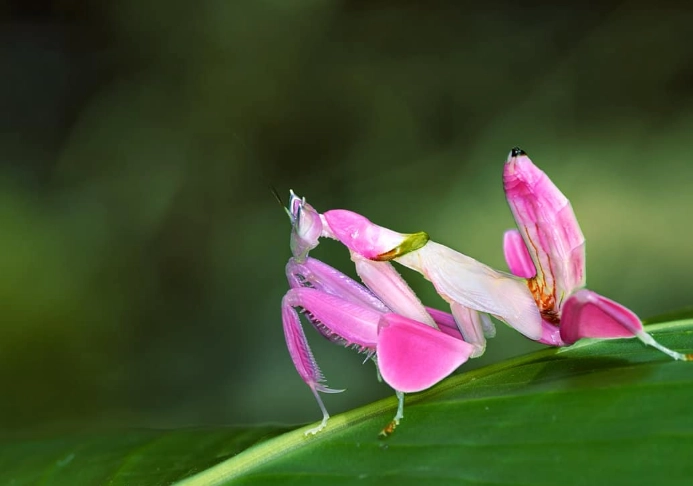
Let's be honest, the first time you see a picture of a Purple Orchid mantis, you probably do a double-take. Is that a flower? Is it an insect? It looks like something from a fantasy movie, not your local pet store. I remember scrolling online years ago and stumbling across one. I thought it was photoshopped. Turns out, nature is just that incredible sometimes.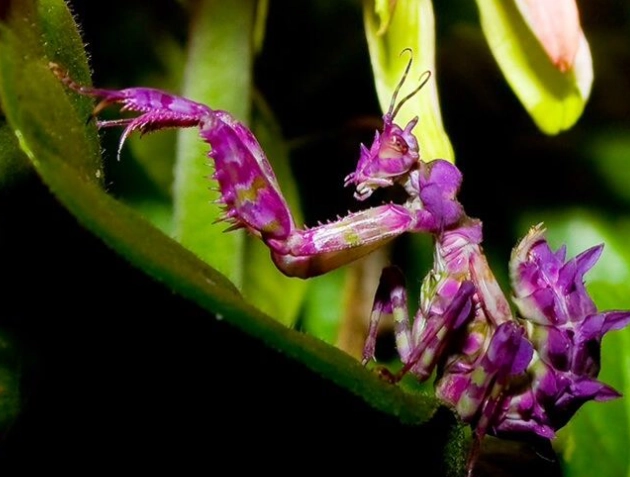
This guide isn't just a dry list of facts. If you're curious about them, thinking of keeping one, or just fell down an internet rabbit hole about cool bugs, you're in the right place. We're going to talk about what it's really like—the stunning beauty, the specific care, and the realities (good and less good) of having a Purple Orchid mantis in your life. I'll share what I've learned, what resources actually help, and try to answer all the questions buzzing in your head.
What Exactly Is a Purple Orchid Mantis?
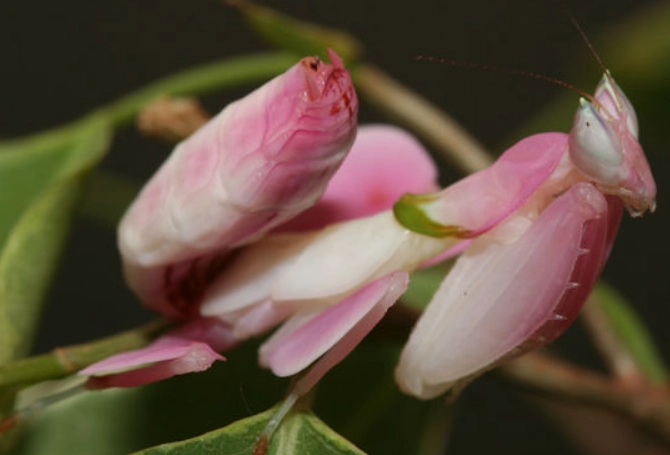
Scientifically, it's Hymenopus coronatus. They hail from the rainforests of Southeast Asia—think Malaysia, Indonesia, Thailand. They didn't evolve to look like that to win beauty contests. It's a deadly game of hide-and-seek. They sit on or near flowers, looking indistinguishable from a blossom, and wait. Pollinators like bees, butterflies, and moths come in for a snack, and instead find the last thing they'll ever see.
It's aggressive mimicry at its finest. They're not just hiding; they're actively luring prey. Some studies even suggest their legs might reflect ultraviolet light, just like real flowers, to be extra enticing. Talk about playing dirty.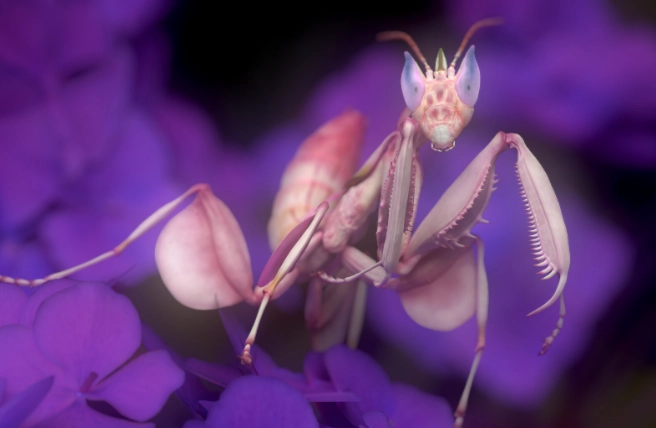
Their look changes as they grow. The nymphs (babies) often look like tiny, spiky black and red ants—another clever disguise to avoid predators. As they molt and become adults, that iconic floral form takes shape. Females are the showstoppers, large and ornate. Males are smaller, thinner, and better fliers, with one main job in life.
The Complete Purple Orchid Mantis Care Manual
Okay, so you're smitten. Can you actually keep one alive and thriving? Absolutely. But they're not the hardiest beginner mantis. They have specific needs. Get these right, and you'll have a happy, fascinating pet. Get them wrong, and... well, let's not go there.
Setting Up the Perfect Enclosure
Think of their home as a miniature slice of humid, flowery rainforest. A tall enclosure is key—they are arboreal, meaning they live up high. A standard glass or mesh reptile terrarium works, but I personally prefer a well-ventilated acrylic or mesh enclosure designed for mantises. Something at least 12 inches tall for an adult female.
Ventilation is a tightrope walk. They need high humidity, but stagnant, stuffy air is a recipe for mold and bacterial infections, which can kill a mantis fast. You want cross-ventilation—mesh on at least two sides.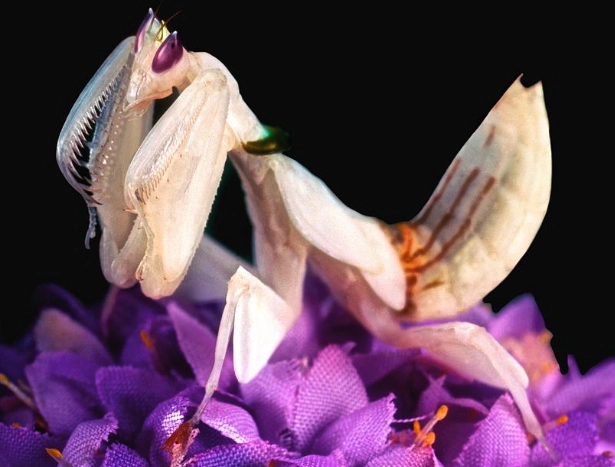
Now, the interior design. This is crucial for their well-being.
- Substrate: Coco fiber, sphagnum moss, or even paper towel. It holds moisture for humidity and gives you something to spray. Easy to clean, too.
- Climbing & Perching: This is non-negotiable. They spend 99% of their time hanging upside down or perched. Provide lots of thin branches, twigs, fake vines, and most importantly, a mesh or fabric top they can hang from for molting. The plastic tops of some cages are useless for this—they can't grip. A fabric or fine metal mesh ceiling is their best friend.
- Decoration: Add some silk or plastic flowers. Not just for our viewing pleasure (though it's amazing to see them blend in), but it gives them more perch options and makes them feel secure. Some keepers swear their mantis prefers certain colors.
The Critical Numbers: Temperature & Humidity
This is where most first-timers slip up. These aren't guesses; they're requirements.
| Life Stage | Daytime Temperature | Nighttime Temp Drop | Humidity Level | Spraying Frequency |
|---|---|---|---|---|
| Nymph (L1-L3) | 78-85°F (25-29°C) | Can drop to 70°F (21°C) | 70-80% | Lightly 1-2 times daily |
| Nymph (L4-Adult) | 75-82°F (24-28°C) | Can drop to 68°F (20°C) | 60-70% | Lightly once daily |
| Adult Female | 75-80°F (24-27°C) | Appreciates a slight drop | 50-60% | Every other day |
You'll need a small digital hygrometer/thermometer inside the enclosure. Don't rely on guesswork. To maintain humidity, a light misting with distilled or reverse-osmosis water is best (tap water can leave mineral deposits). Don't soak the enclosure—just create droplets on the walls and leaves for them to drink. The humidity should spike after misting and then gradually fall.
What about heating? A low-wattage heat mat on the SIDE of the enclosure (never underneath) can help, but often a warm room is enough. Avoid heat lamps directly above—they can desiccate and cook your mantis.
Feeding Your Purple Orchid Mantis: It's Not Just Crickets
Here's a fun fact: many experienced keepers believe Orchid Mantises, including the Purple Orchid mantis varieties, actually prefer flying prey. It makes sense, given their wild hunting strategy. Their reaction to a flying moth versus a crawling cricket is night and day.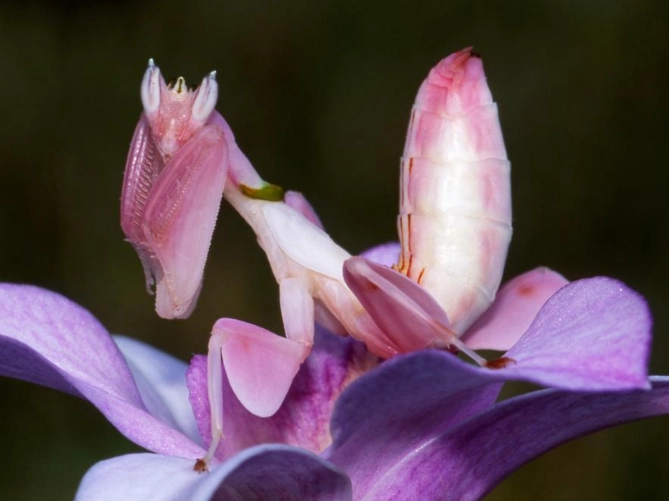
Staple Diet: Wingless fruit flies (Drosophila) for tiny nymphs. As they grow, move to house flies, blue bottle flies, moths, and small butterflies. These are the ideal, natural foods.
Alternative/Supplemental Diet: Crickets, roaches (like dubia nymphs), and mealworms. These are easier to find. But there's a catch. Some Orchid Mantises can be picky and ignore non-flying prey. Also, crickets can be aggressive and even bite a molting or shy mantis. If you use crickets, make sure they are an appropriate size (never wider than the mantis's head) and remove them if uneaten.
How often? Nymphs eat almost daily. Sub-adults every 2-3 days. A well-fed adult female might only eat once every 4-7 days. Watch their abdomen—it should look plump but not obscenely bloated. A skinny, flat abdomen means they're hungry.
Water is provided through misting droplets. They will drink delicately from leaves or the enclosure walls. Never leave a water dish—they can drown in a teaspoon of water.
Understanding Their Behavior: More Than Just a Pretty Face
If you think keeping a Purple Orchid mantis is like having a living statue, you're in for a surprise. They have distinct personalities and behaviors.
The Famous Sway: This is the coolest thing. They often perform a slow, rhythmic side-to-side swaying motion. Why? It's debated. It could be mimicking a flower moving in the breeze, enhancing their camouflage. It could be a way to gauge distance to prey or a threat. It's hypnotic to watch.
Molting - The Stressful Time: This is when they are most vulnerable. They stop eating, hang upside down, and wriggle out of their old exoskeleton. The new one is soft and takes hours to harden. DO NOT DISTURB THEM during this time. No handling, no feeding, don't even spray directly on them. High humidity is critical for a successful molt. A bad molt (where they get stuck) is often fatal. Ensure they have plenty of height and a perfect grip.
Handling? I'm cautious here. They are delicate, not cuddly. They can be skittish and jump or fly (males especially). The risk of a fall is high, and a fall from even a short height can be fatal. If you must handle, let them walk onto your hand gently, do it close to a soft surface, and never grab them. Honestly, they are better observed than handled. Their beauty is visual.
Common Questions & Myths Debunked
Challenges & The Realistic View
Let's not sugarcoat it. It's not all perfect orchid blooms.
- The Cost: The mantis itself can be $40-$100+ for a nymph. The enclosure, supplies, and constant purchase of feeder insects add up.
- The Maintenance: Daily misting, monitoring gauges, buying/culturing flies. It's a daily commitment.
- The Heartbreak: Their lifespans are short. They can die from seemingly nothing—a bad molt, a minor infection. It's tough when you've cared for them for months.
- Finding Food: You can't just run to Petco for blue bottle flies on a Tuesday night. You need a plan, often involving online orders or culturing your own.
So why do it? For the sheer wonder. For the connection to a tiny, breathtaking piece of evolution. Watching a Purple Orchid mantis hunt, sway, or simply exist is a unique experience. It's a hobby that teaches patience, attention to detail, and a deep appreciation for invertebrates.
Final Thoughts & Next Steps
If you've read this far, you're serious. My advice? Do your homework. Join online communities like the Orchid Mantis groups on Facebook or the forums at The Amateur Entomologists' Society. Read, ask questions, and learn from others' mistakes before you get your first nymph.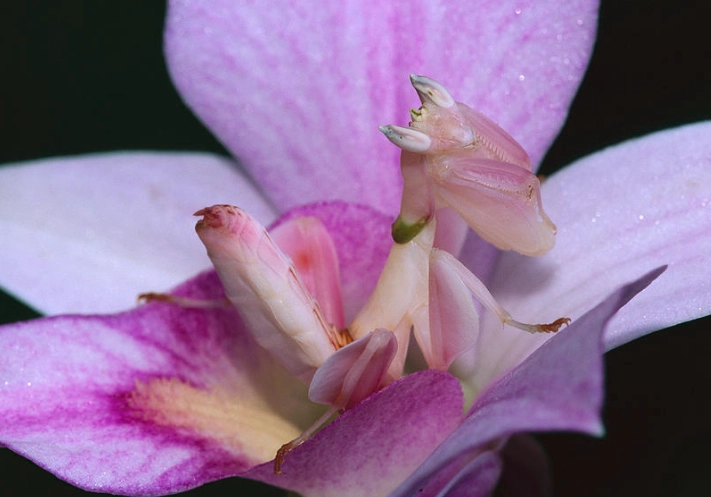
Start setting up your enclosure a week in advance. Get the temperature and humidity stable before the live animal arrives. Have your feeder insect source locked down.
The Purple Orchid mantis is a privilege to keep. It demands respect and specific care. But if you can provide that, you'll be rewarded with a front-row seat to one of nature's most astonishing acts of deception and beauty. It's less like having a pet, and more like being a temporary guardian for a living work of art.
Good luck. And remember—patience, consistency, and always have more fruit fly cultures than you think you need.

Comments
Leave a Comment