Quick Guide
- The Lifespan Timeline: From Tiny Nymph to Majestic Adult
- The Biggest Factors That Shorten (or Extend) an Orchid Mantis Lifespan
- Male vs. Female: A Dramatic Difference in Longevity
- Common Questions About Orchid Mantis Lifespan (The Stuff You Really Want to Know)
- Practical Tips to Maximize Your Orchid Mantis's Lifespan
- Facing the End: Signs of Old Age and Natural Decline
- Beyond the Numbers: The Real Takeaway on Orchid Mantis Lifespan
Let's cut right to the chase. You saw a picture. A stunning, pink-and-white insect that looks more like a flower than a predator. The orchid mantis. You're hooked. Maybe you're thinking of keeping one, or maybe you're just plain curious. And one of the first questions that pops into your head is probably the most practical one: How long will this beautiful creature be around? What's the typical orchid mantis lifespan?
I remember the first time I got one. I was so excited, convinced I had read all the care sheets. I was prepared for the orchid mantis lifespan to be short, but I wasn't prepared for how fast it could go wrong if you miss just one detail. It's a bittersweet journey, keeping these living jewels.
The short, and often disappointing, answer is that orchid mantises (Hymenopus coronatus) don't live very long. In the grand scheme of pets, their time is fleeting. But that "short" lifespan is packed with incredible transformation and beauty. Understanding it isn't just about counting days; it's about knowing what to expect at each stage and, more importantly, how your care directly influences every single one of those days. A well-cared-for mantis doesn't just live longer; it lives better.
The Core Truth: From hatching to its final molt, the total orchid mantis lifespan in captivity typically ranges from 6 to 9 months. Females generally outlive males, sometimes significantly. In the wild, it's almost always shorter due to predators, disease, and environmental challenges.
The Lifespan Timeline: From Tiny Nymph to Majestic Adult
You can't really talk about an orchid mantis lifespan without breaking it down. It's not one long stretch. It's a series of distinct chapters, each with its own look, needs, and risks. Missing the cues for one chapter can cut the next one short.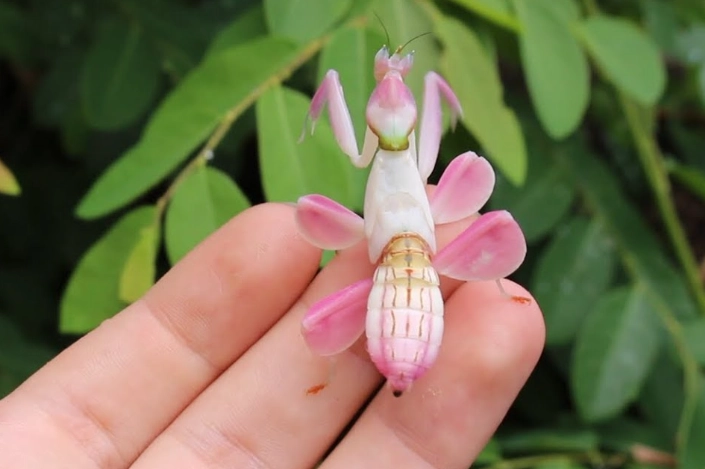
The Nymph Stage: The Frail Beginning
This is the most critical period. When they hatch from their ootheca (egg case), they're called L1 nymphs—tiny, black, and ant-like. They don't look like orchids at all yet. This stage and the next few molts have the highest mortality rate, which is why many sellers start offering them at L3 or L4. The orchid mantis lifespan clock starts ticking here, and humidity is the biggest make-or-break factor. Too low, and they can't shed their skin. It's as simple and as brutal as that.
I've lost a couple at this stage early on. You check the enclosure, and there's this tiny, perfect creature stuck halfway out of its old skin. It's frustrating because the fix—higher humidity—seems so simple in hindsight. The nymph stage, from L1 to the sub-adult molt, can last anywhere from 3 to 5 months, depending on temperature and food supply.
The Adult Stage: The Brief Bloom
The final molt is a spectacle. They emerge as full, winged adults, displaying those iconic floral lobes. This is when their colors are most vibrant. But here's the catch: this is also the final chapter. For males, the adult orchid mantis lifespan is painfully short. Once mature, their sole biological drive is to find a female. After mating (if they're lucky enough to find a partner and not become her post-coital snack), they often decline rapidly, living only 2 to 4 weeks as adults.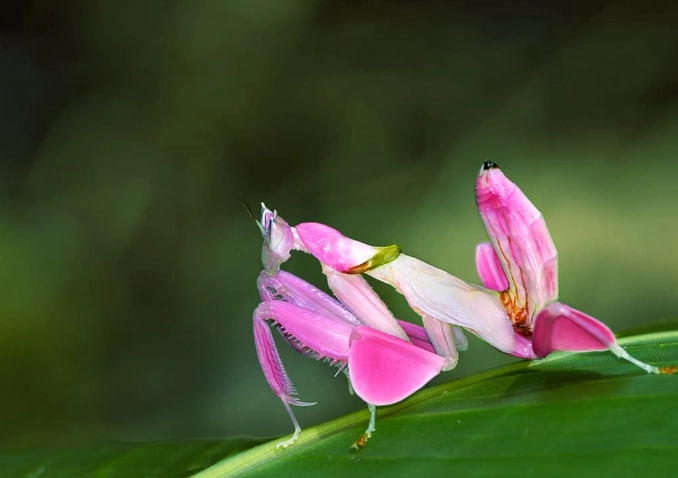
Females get a better deal. After her final molt, a female needs to build up resources to produce eggs. A well-fed female adult can live for 2 to 4 months. I had one female that lived a solid 4 months after her final molt. She was a prolific eater and laid two fertile oothecae. It felt like a real success, extending that final, beautiful phase of her life.
The Biggest Factors That Shorten (or Extend) an Orchid Mantis Lifespan
This is where you, as a keeper, have real power. The difference between a 6-month and a 9-month orchid mantis lifespan often comes down to a handful of key factors. It's not magic; it's husbandry.
Let's put this in a table because it's easier to see what helps and what hurts:
| Factor | Lifespan Shortener (The Don'ts) | Lifespan Extender (The Do's) |
|---|---|---|
| Humidity | Low humidity ( | Consistent high humidity (70-80% for nymphs, 60-70% for adults). Daily misting with fine spray. |
| Feeding | Underfeeding (weakens mantis), or only offering large, hard prey (risk of injury). | Appropriate-sized live prey (fruit flies for nymphs, flies/crickets for adults). Regular, but not excessive, feeding. |
| Enclosure | Tall, smooth-sided container with no mesh top or climbing surfaces. No ventilation. | Tall, well-ventilated mesh/glass terrarium. Plenty of vertical sticks and fake foliage to hang and molt from. |
| Handling | Frequent handling, especially before/after molts. Can cause falls or stress. | Minimal, gentle handling. Observe more than you interact. Let them come to you. |
| Temperature | Too cold (85°F/29°C) causes stress. | Stable, warm temperature (78-82°F / 25-28°C). A small heat mat on the side can help. |
See that humidity row? I can't stress it enough. A mismolt isn't just a setback; it's usually a death sentence. Their body is soft and vulnerable after a molt. If they get stuck, they'll be deformed, often unable to hunt or move properly. Keeping that air moist, especially in the days leading up to a molt (you'll know—they stop eating and get sluggish), is the single most important thing you can do for a healthy orchid mantis lifespan.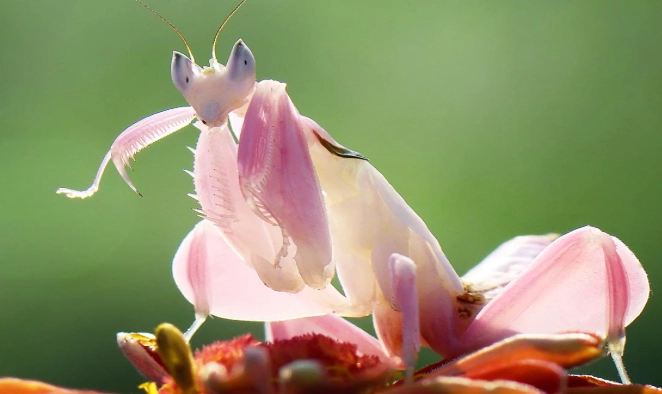
Watch Out For: Using tap water to mist if it's heavily treated. Some keepers swear it causes no issues, others point to potential chemical buildup. I've switched to distilled or reverse osmosis water just to be safe. It's a small hassle for peace of mind.
Male vs. Female: A Dramatic Difference in Longevity
This is one of the starkest realities. If you're hoping for a long-term companion, you almost certainly want a female. The difference in their adult orchid mantis lifespan isn't a small gap—it's a chasm.
- Males: Smaller, thinner, with larger antennae and more prominent wings. Their adult life is a frantic sprint. After that final molt, they mature quickly and become obsessed with finding a mate. They often refuse food. Even in perfect conditions without a female present, they rarely live beyond 6-8 weeks as adults. Their total lifespan from hatch is often around 5-6 months.
- Females: Larger, heavier, with those beautiful broad floral lobes on their legs. Their biological program is different: eat, grow, mate, lay eggs. A healthy female will continue to eat voraciously after her final molt, building reserves for egg production. This period of feeding and egg-laying can extend her adult life to 3-4 months, making her total orchid mantis lifespan easily reach 8-9 months, sometimes more.
It's a raw deal for the boys, biologically speaking. When you buy an unsexed nymph, you're rolling the dice on how long you'll have it as an adult.
Common Questions About Orchid Mantis Lifespan (The Stuff You Really Want to Know)
Practical Tips to Maximize Your Orchid Mantis's Lifespan
Okay, enough theory. Here's the actionable stuff, the checklist I wish I had when I started.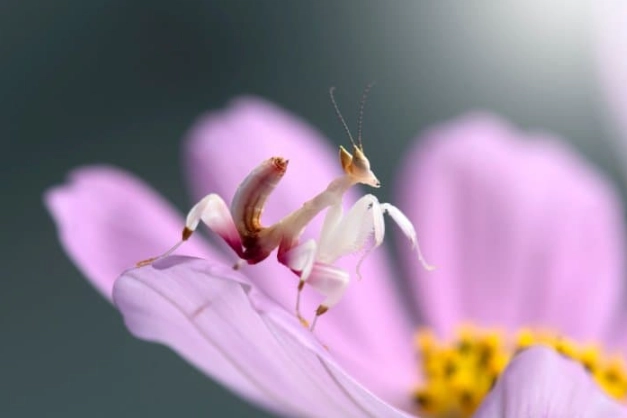
The Humidity Protocol: Get a digital hygrometer. Don't guess. Mist the enclosure lightly twice a day—once in the morning, once in the evening. Don't spray the mantis directly. Use a fine mist bottle. Add a small dish of water with pebbles in it to boost ambient humidity. Live plants like pothos can also help, but they need light.
Feeding Strategy: Feed every 2-3 days for nymphs, 3-4 days for adults. The prey should be no larger than the space between the mantis's eyes. Gut-load your feeder insects (feed them nutritious food like carrots, oats) 24 hours before offering them. This passes nutrients to your mantis. Reputable sources for feeder genetics are important; wild-caught prey can introduce pesticides or parasites.
Enclosure Setup for Success:
- Go vertical. They need height to hang upside down for molting. A 12-inch tall enclosure is a good minimum.
- Ventilation is key. A mesh top is ideal to prevent stagnant, fungal air while keeping humidity in.
- Furnish for molting. Provide multiple anchor points near the top—twigs, mesh, fake vines. They need something sturdy to grip when they wriggle out of their old skin.
- Substrate is for humidity, not for walking. Use coconut fiber, sphagnum moss, or even just paper towels. Avoid anything they could accidentally ingest.
What about handling? I'm of two minds. On one hand, it's amazing to have one walk onto your hand. On the other, every handling session is a risk of a fall or stress. I limit it to necessary enclosure maintenance. Letting them be is often the best way to ensure a full orchid mantis lifespan.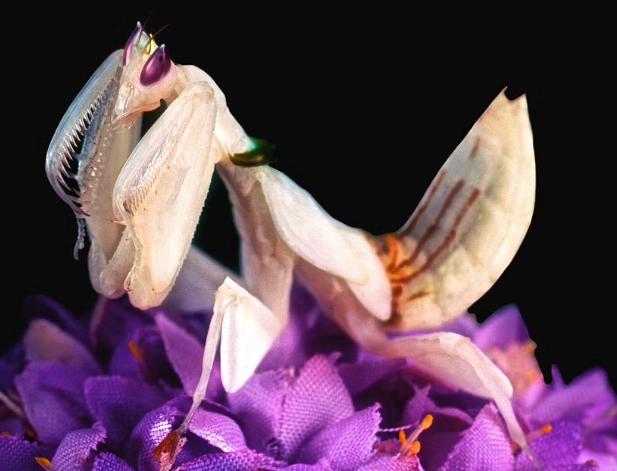
Facing the End: Signs of Old Age and Natural Decline
It's important to recognize when the end is near due to natural aging, not illness. It helps you avoid unnecessary panic and interventions. For a female nearing the end of her orchid mantis lifespan, you might notice:
- Decreased appetite: She'll start refusing food she normally would pounce on.
- Lethargy: She'll move less, often staying in one spot for days.
- Loss of coordination: Movements may become slower, more deliberate, or slightly clumsy.
- Color change: Her vibrant pinks and whites might fade or become duller.
For males, the decline is often more abrupt after mating or after weeks of frantic activity. There's not much to do at this stage except provide water (via misting) and a quiet, stress-free environment. Trying to force-feed a dying mantis is more stressful than helpful.
Beyond the Numbers: The Real Takeaway on Orchid Mantis Lifespan
When you look up "orchid mantis lifespan," you're looking for a number. 6 months. 9 months. But what you're really asking is, "Is it worth it?" and "How do I make the most of it?"
The number is small. There's no sugar-coating that. You will get attached, and you will have to say goodbye sooner than with almost any other pet. That's the deal. But in exchange, you get a front-row seat to one of nature's most astonishing acts of mimicry and transformation. You watch a clumsy, black nymph turn into a living flower. You witness the precision of a hunt, the drama of a molt, the architectural wonder of an ootheca.
Focusing solely on maximizing the orchid mantis lifespan can make you an anxious keeper. Focus instead on optimizing their quality of life. Give them the humidity to molt safely, the right food to grow strong, and the space to behave naturally. If you do that, the lifespan often takes care of itself, reaching its full, natural potential.
It's a brief, beautiful responsibility. Understanding the timeline—the fragile nymph stage, the dramatic maturation, the truncated adult life—allows you to appreciate each phase for what it is. Don't mourn the short orchid mantis lifespan before it's over. Just pay attention. That's the best thing any keeper can do.
For those looking to dive deeper into the science behind mantis biology and longevity, resources like research published in entomological journals (you can often find summaries on platforms like ResearchGate) or care guides from established invertebrate societies can be invaluable. Always cross-reference information, as care standards do evolve. The Mantis Species File is a fantastic taxonomic resource to confirm you're reading about the true Hymenopus coronatus. For practical, community-driven advice, forums like those on Arachnoboards (which has a large mantis section) are filled with experienced keepers sharing real-world successes and failures.
Comments
Leave a Comment