Let's be honest, the first time you see a picture of an Axanthic crested gecko, it stops you in your tracks. That stark, almost black-and-white look, the crisp patterns against a muted background – it's a reptile that looks like it walked out of a graphic novel. I remember scrolling through a breeder's page years ago and thinking, "What on earth is that?" It was so different from the usual oranges and reds you see. But here's the thing I've learned after keeping cresties for a while: that stunning Axanthic look is just the start. There's a whole world of genetics, care specifics, and yes, a hefty price tag that comes with it.
Maybe you're a first-time reptile owner who's fallen in love with the look. Or perhaps you're a seasoned keeper looking to add a unique morph to your collection. Whoever you are, the Axanthic crested gecko raises a ton of questions. Is it harder to care for? Why does it cost so much more? What are you actually getting into?
This guide is my attempt to walk you through all of it. Not just the shiny brochure stuff, but the nitty-gritty details you need to make a smart decision. We'll talk about what 'Axanthic' really means (it's not just about color), how to set up the perfect home for one, where to find a healthy animal, and whether the whole thing is worth the investment. I'll even throw in some of my own opinions and the occasional gripe – because no pet is perfect.
Explore the Topics
- So, What Exactly IS an Axanthic Crested Gecko?
- The Genetics Behind the Look: It's Not Magic, It's Science
- Caring for Your Axanthic Crested Gecko: Are They Different?
- The Price of Beauty: What Does an Axanthic Crested Gecko Cost?
- Finding and Choosing a Healthy Axanthic Crested Gecko
- Axanthic vs. Other Morphs: A Quick Comparison
- Common Questions (Stuff You're Probably Wondering)
- My Final Take: Who Should Get One?
So, What Exactly IS an Axanthic Crested Gecko?
If you're expecting a simple answer, reptile genetics rarely provides one. The term "Axanthic" gets thrown around a lot, but it describes a specific genetic trait that affects pigmentation. In plain English, an Axanthic animal lacks yellow and red pigments (xanthophores and erythrophores). What's left are the black, brown, grey, and white pigments (melanophores and iridophores).
The result? You get a gecko with a palette that's heavy on greys, silvers, blacks, and browns. Patterns like pinstripes, tiger stripes, or dalmatian spots become incredibly high-contrast and sharp against the cool base color. It gives them a very clean, almost monochromatic look that many hobbyists find incredibly striking.
Now, here's where it gets interesting. Not all Axanthic cresties look the same. The expression can vary a lot. Some are a pale, silvery grey with jet-black markings. Others are a deep charcoal. The base color can be influenced by other genes in the mix, which breeders play with to create different "lines" or looks.
I think one of the biggest misconceptions is that Axanthics are dull. When you see a high-quality one in person, under good light, they have a depth and a pearlescent sheen that photos often fail to capture. The lack of yellow lets you appreciate the structure of their patterns in a whole new way.
The Genetics Behind the Look: It's Not Magic, It's Science
Okay, let's dive into the weeds a bit. You don't need a biology degree to understand this, but knowing the basics helps you understand what you're buying and, if you ever get into breeding, what to expect.
The Axanthic trait in crested geckos is widely believed to be a recessive trait. What does that mean for you?
- Visual vs. Carrier: A gecko that looks Axanthic has two copies of the gene (one from each parent). We call this a "visual" Axanthic. A gecko that carries only one copy won't show the trait but can pass it on to its babies. This is a "heterozygous" or "het" Axanthic.
- The Breeding Math: If you breed two visual Axanthics together, 100% of the offspring will be visual Axanthics. That's the surefire way to produce more. Breeding a visual to a het gives you roughly half visuals and half hets. Breeding two hets is a lottery – only about 25% of the babies will be visual Axanthics.
This recessive nature is a huge part of why Axanthic crested geckos command higher prices. Producing a visual animal requires specific pairings and a bit of genetic luck, making them less common than dominant-trait morphs.
It's also worth checking out resources from established herpetological communities to understand morph genetics better. Sites like Reptiles Magazine often have archives and articles on crested gecko genetics that are written by experienced breeders and are a great starting point for your research.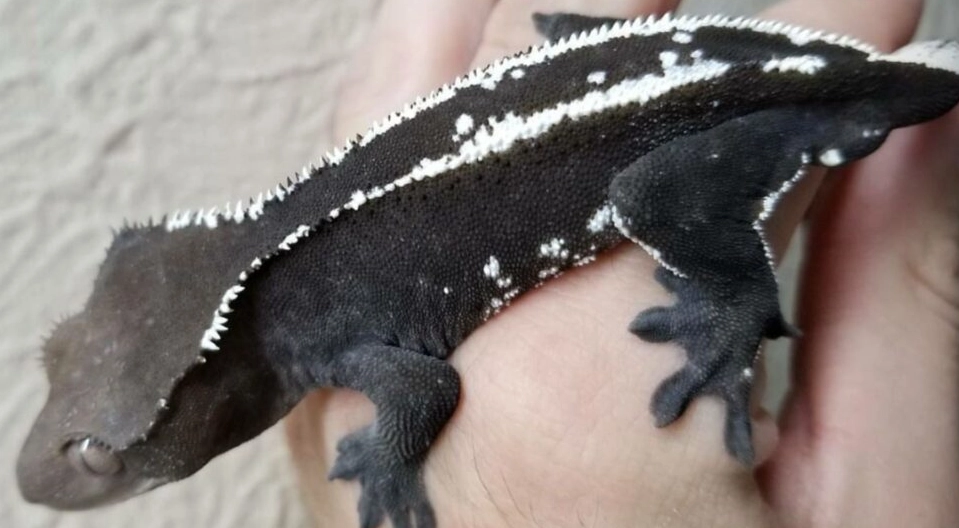
Caring for Your Axanthic Crested Gecko: Are They Different?
This is the million-dollar question, and the answer is mostly reassuring. No, an Axanthic crested gecko does not require different care from a normal crested gecko. The care sheet is identical. The Axanthic gene affects color, not hardiness or personality.
That said, because you're likely investing more in the animal, you might feel a greater urge to get everything perfect. So let's break down the absolute essentials, with a few personal tips sprinkled in.
The Habitat: Building a Comfortable Home
Crested geckos are arboreal, meaning they live in trees. Your tank setup needs to reflect that. A tall enclosure is non-negotiable.
Enclosure Size Guide:
| Life Stage | Minimum Size | My Recommended Size | Why It Matters |
|---|---|---|---|
| Hatchling/Juvenile | 12"x12"x18" | 12"x12"x18" | Small space helps them find food easily. Too big can stress them. |
| Adult (1 gecko) | 18"x18"x24" | 18"x18"x24" or larger | This is the bare minimum. More space is always better for climbing and exploring. |
| Adult Pair/Trio* | Not recommended for beginners | 24"x18"x36"+ | Co-habitation requires expert management and massive space to reduce stress. |
*I'm personally not a fan of co-habitating cresties unless it's for breeding by an experienced keeper. They do fine alone and it eliminates risk of fighting.
Inside that tank, think vertical. You need lots of climbing structures. Cork bark tubes, bamboo, and commercial reptile vines are great. Live or artificial plants provide cover and help maintain humidity. I'm a fan of a mix – live pothos is almost indestructible and gives a great natural look, while artificial plants can fill gaps without needing light.
Don't skimp on hiding spots. A nice, snug hide placed up high is often used more than one on the ground.
Climate Control: Heat, Humidity, and Light
Crested geckos are from New Caledonia, which has a relatively mild, humid climate. Replicating that is key.
- Temperature: Ideal range is 72-78°F (22-25.5°C) during the day. It can drop to the high 60s at night. This is crucial: They do NOT tolerate heat well. Temperatures consistently above 80°F (27°C) can cause severe stress and be fatal. I use a simple digital thermometer on the side of the tank, away from any heat source.
- Humidity: This one trips people up. You don't want a soggy tank. Aim for a cycle: mist the enclosure heavily in the evening to spike humidity to 80% or so, then let it dry out to around 50% during the day. This mimics dew and drying. A hand mister works, but an automatic misting system is a game-changer if you travel or have a busy schedule.
- Lighting: They don't require special UVB lighting if you're using a complete diet powder (like Repashy or Pangea), but many keepers (myself included) provide low-level UVB (like a 5.0 or 2% bulb) on a 12-hour cycle. The science is leaning towards it being beneficial for their overall health and activity. No special basking lights are needed.
Feeding Your Axanthic Crested Gecko
This is the easy part, and one reason cresties are such great pets. The staple diet is a commercially prepared crested gecko diet (CGD) powder. You mix it with water to a ketchup-like consistency. Brands like Pangea and Repashy are fantastic – they're complete diets with insects and fruit.
I offer fresh CGD every other day for juveniles and 2-3 times a week for adults. I remove uneaten food after 24-48 hours to prevent mold. Some keepers like to offer live insects like small crickets or dubia roaches as a weekly treat for added protein, especially for growing juveniles or breeding females. It's not strictly necessary with the modern CGDs, but it's fun enrichment.
Always have a shallow dish of fresh, clean water available. They will drink from it and sometimes soak in it.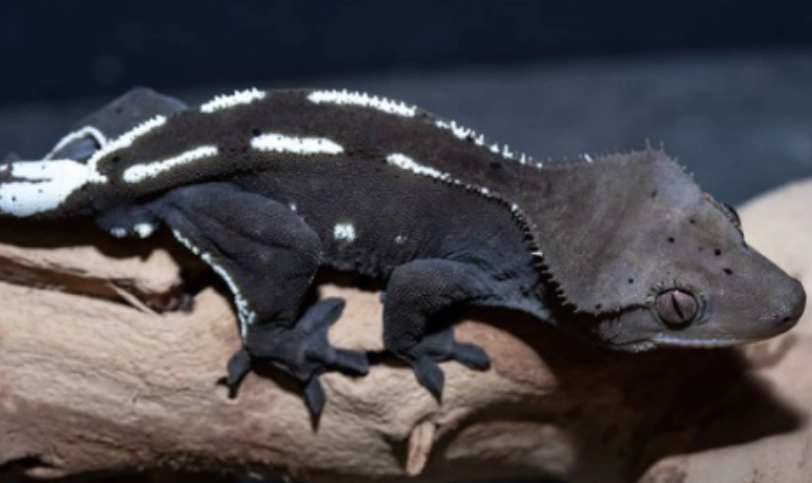
The Price of Beauty: What Does an Axanthic Crested Gecko Cost?
Let's talk numbers, because this is often the biggest shock. You are not paying for a "normal" pet here. You are paying for a specific genetic art project.
Prices vary wildly based on age, lineage, pattern, and the breeder's reputation. As of my last deep dive into the market (checking places like MorphMarket), here's the rough breakdown:
- Hatchling/Juvenile (Visual Axanthic): $300 - $600+. This is your entry point. A "basic" visual Axanthic with nice contrast but no extra fancy patterns.
- Adult Breeder (Visual Axanthic): $600 - $1,500+. Proven breeders or animals with exceptional color/pattern command premium prices.
- Axanthic + Other Traits ("Combo Morph"): $800 - $2,500+. This is where it gets wild. An Axanthic with harlequin patterning, extreme dalmatian spots, or lily white traits can reach astronomical prices. You're paying for multiple rare genes in one animal.
- 100% Het Axanthic: $150 - $300. A cheaper way to get into the genetics game, but you won't see the look.
On top of the animal cost, factor in setup:
- Enclosure (PVC or glass): $150 - $300
- Heating/Lighting (thermostat, low-watt heat mat if needed, LED light): $80 - $150
- Decor/Substrate: $100 - $200
- Misting system (optional but recommended): $60 - $200
So, your initial investment for an Axanthic crested gecko and a proper home can easily land between $700 and $1,500+. It's not a casual purchase.
Is it worth it? That's a personal call.
For me, if you're simply looking for a wonderful, personable pet reptile, a beautiful "normal" or "flame" morph crestie for $50-$150 is an absolutely fantastic choice. You get 100% of the great pet experience for a fraction of the cost. The Axanthic price tag is for the aesthetics and the genetics, not for a better pet.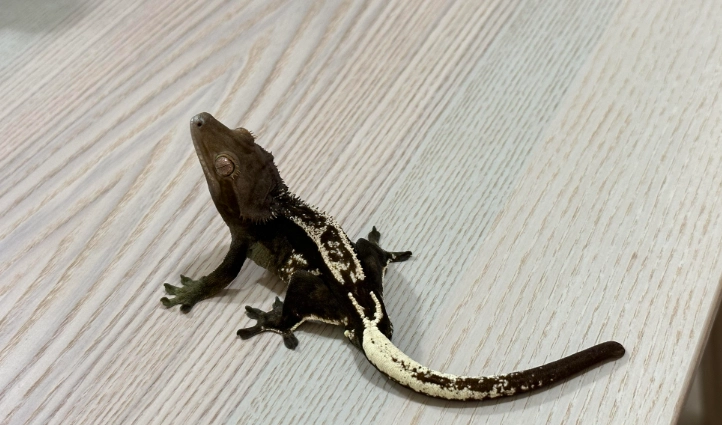
Finding and Choosing a Healthy Axanthic Crested Gecko
This is where you need to be a detective. A high price doesn't automatically mean a healthy animal.
Where to Look:
- Reputable Specialty Breeders: This is your best bet. Look for breeders who focus on crested geckos, have detailed websites, are active on reptile forums, and are happy to answer all your questions. They should provide pictures of the actual parents and detailed lineage info.
- Reptile Expos: A great way to meet breeders in person, see the animals up close, and ask questions. You can check their condition on the spot.
- Online Marketplaces (with caution): Sites like MorphMarket aggregate breeders. Check seller reviews meticulously. Avoid sellers with mostly negative or vague feedback.
Red Flags to Avoid:
- Sellers who can't or won't provide clear pictures of the exact animal for sale.
- Prices that seem "too good to be true" for a visual Axanthic.
- No information about the animal's hatch date, feeding history, or parents.
- Pressure to buy immediately.
- Animals that look lethargic, have stuck shed, visible ribs or hip bones, or a kinked tail.
When you're ready to choose, ask the breeder these questions:
- What is its exact hatch date?
- What has it been eating, and how often?
- Has it had any health issues?
- Can I see pictures of the parents?
- What is its current weight? (A healthy juvenile should have some plumpness).
Any breeder worth their salt will have this info ready. For broader information on reptile health and selecting animals, resources from veterinary associations or university extensions, like those found through the USDA APHIS site on animal import/export welfare, can give you a solid baseline on what responsible animal husbandry looks like.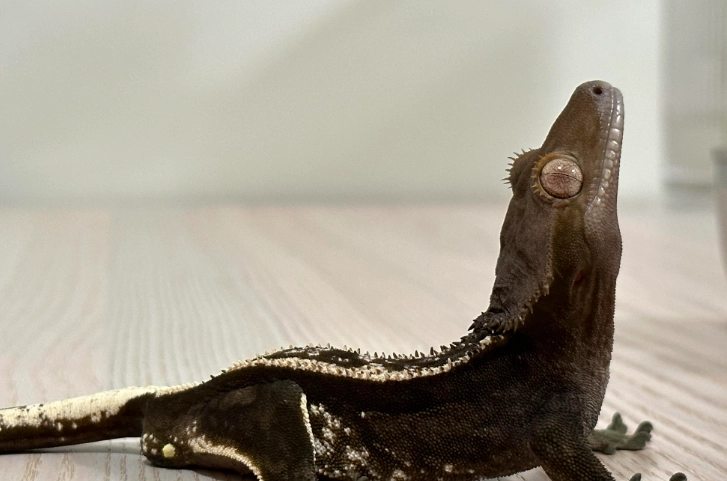
Axanthic vs. Other Morphs: A Quick Comparison
To help you see where the Axanthic fits in, here's a super simplified comparison with two other popular morph types.
| Morph Type | Visual Appeal | Typical Price Range | Genetic Complexity | Best For... |
|---|---|---|---|---|
| Axanthic | High-contrast, cool tones (greys, blacks, whites). Clean, graphic look. | $300 - $2,500+ | High (Recessive trait) | Collectors, those who love monochromatic looks, breeders focusing on genetics. |
| Harlequin/Flame | Warm tones (oranges, reds, yellows) with side patterning. Often very "fiery." | $50 - $400 | Low to Moderate (Polygenic/Line-bred) | First-time owners, anyone who loves bright colors, most pet homes. |
| Dalmatian Spot | Characterized by black spots on any base color. Can range from few spots to "extreme" coverage. | $75 - $600+ (spots add value) | Moderate (Polygenic/Incomplete Dominant?) | People who love unique patterns, spotting combined with other morphs (like Axanthic!) creates stunning animals. |
See? The Axanthic crested gecko sits at the higher end of the spectrum in almost every category. It's a commitment.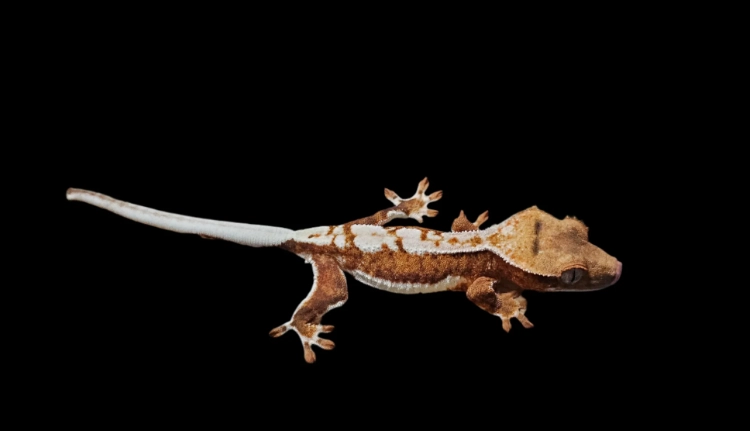
Common Questions (Stuff You're Probably Wondering)
Yes, compared to standard morphs. Because the trait is recessive, producing a visual animal requires specific pairings. They are not "endangered" rare, but they are less commonly found in the general pet trade than your average red or orange crestie. You'll need to seek out a specialty breeder.
As discussed, anywhere from $300 for a basic juvenile to well over $1,500 for a high-expression adult or combo morph. Always factor in the cost of a full setup on top of that.
No. Their care requirements are identical to any other crested gecko. The challenge isn't in the care, it's in the initial sourcing and cost. Don't let anyone tell you it needs special food or heat—that's a myth.
You can, but should you? Breeding reptiles responsibly is a massive undertaking. You need deep knowledge of genetics, incubators, setups for hatchlings, and a plan for all the offspring. If you have a visual Axanthic and breed it to another visual, all babies will be Axanthic. But please, don't jump into breeding just because you have a rare morph. The hobby is saturated with poorly-planned breedings. Do extensive research first.
All crested geckos can "fire up" (darken) and "fire down" (lighten) based on mood, temperature, time of day, and stress. An Axanthic will do this too. When fired up, their dark pigments become more intense, making their patterns even sharper. When fired down, they may look paler and more washed out. It's a normal part of their biology.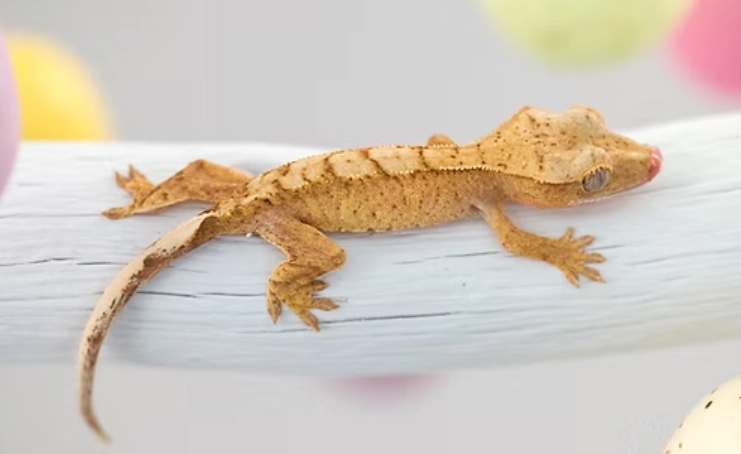
My Final Take: Who Should Get One?
After all this, where do I land on the Axanthic crested gecko?
Look, they are stunning animals. There's no denying it. If you have the budget and their unique look speaks to you on a deep level, and you're committed to providing a fantastic home for 15-20 years, then go for it. Find an amazing breeder and bring one of these living works of art into your life.
But.
If you're new to reptiles, or you're on a tight budget, or you just want a friendly, low-maintenance pet to enjoy, I would strongly, strongly encourage you to start with a standard morph. You will get the exact same delightful personality, the same fun feeding responses, the same joy of watching them explore. You'll learn the ropes of care without the anxiety that comes with a four-figure animal. You can always upgrade later.
The Axanthic trait is the icing on the cake. But the cake – a healthy, well-cared-for crested gecko – is what truly matters. Get the fundamentals of care down first with a more affordable animal. Fall in love with the species. Then, if you're still captivated by those cool grey tones and sharp patterns, you'll be an experienced keeper ready to appreciate and properly care for an Axanthic crested gecko when the time is right.
Whatever you choose, do your homework, prioritize the animal's welfare over everything else, and enjoy the journey. These little guys from New Caledonia have a way of stealing your heart, whether they cost $50 or $500.


Comments
Leave a Comment