Quick Guide
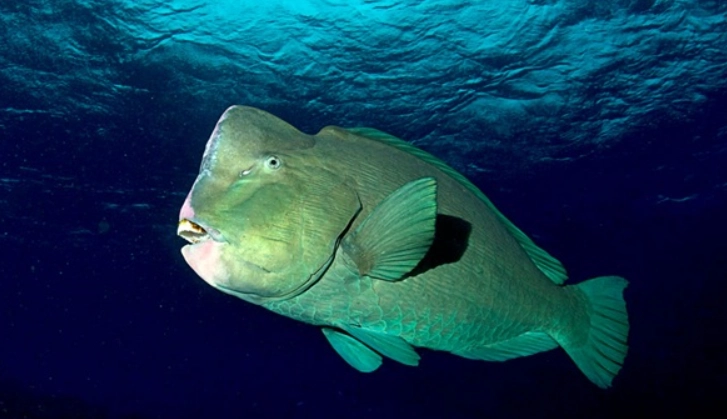
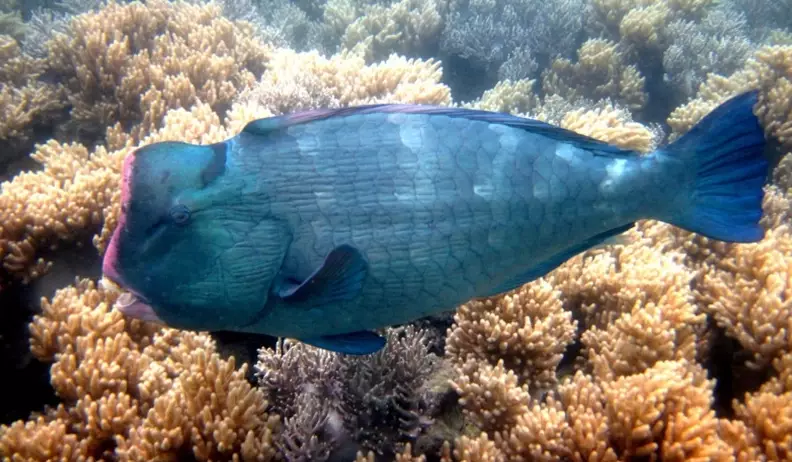
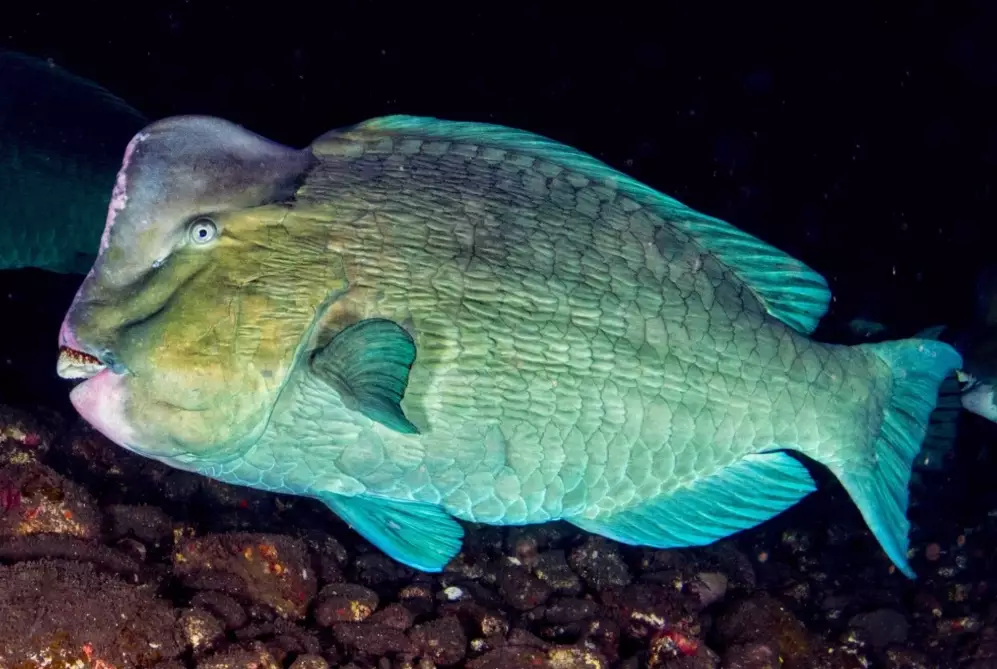
Let's talk about the Green Humphead Parrotfish. You know, that big, blue-green, bumpy-headed fish that looks like it swam straight out of a cartoon? I remember the first time I saw one while diving in the Philippines. It was massive, almost surreal, moving through the coral with a kind of slow, deliberate grace. It got me wondering – a creature that size, playing such a critical role on the reef... just how long does it get to live? That question, the Green Humphead Parrotfish lifespan, is more than just a curious fact. It's a window into the health of our coral reefs and a story filled with both wonder and warning.
The short answer is they can live a surprisingly long time, but getting to that old age is a tough journey these days. We're talking about a fish that's a true reef architect, a heavyweight champion of coral ecosystems. Understanding its life expectancy isn't just for marine biologists; it matters for anyone who cares about the ocean.
Core Fact: The estimated Green Humphead Parrotfish lifespan in the wild is typically between 20 to 40 years, with some individuals potentially reaching up to 50 years under ideal, undisturbed conditions. This makes them one of the longest-living reef fish species.
But here's the thing – throwing out a number like "40 years" doesn't tell the whole story. It's like saying a human can live to 100. Sure, it's possible, but what does that journey look like? What are the odds? The reality of the Bolbometopon muricatum life expectancy (that's its scientific name) is wrapped up in a complex mix of biology, ecology, and human pressure. To really get it, we need to break it down.
How Do We Even Know How Long They Live?
Figuring out the lifespan of a wild fish isn't like checking a birth certificate. Scientists use clever methods, primarily analyzing otoliths – tiny, bony structures in a fish's inner ear. Think of them like tree rings. Each year, growth bands form on the otolith. By carefully counting these bands under a microscope, researchers can estimate a fish's age. Studies on deceased or sustainably sampled fish have given us our best estimates for the Green Humphead Parrotfish lifespan.
It's not a perfect science, and estimates can vary. Some early studies suggested shorter lifespans, but more recent and comprehensive work points to these fish being true long-term residents of the reef. This longevity is a key part of their life strategy.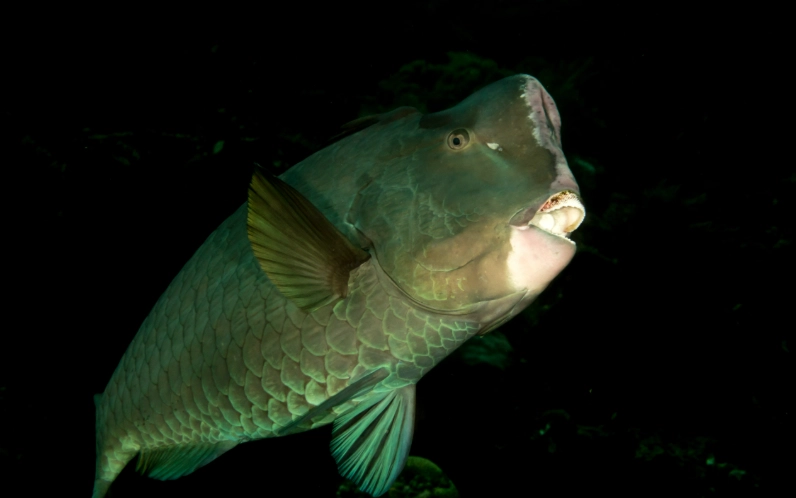
The Lifecycle: From Tiny Drifter to Reef Giant
Their long parrotfish longevity story begins in a humble way. Like many reef fish, they start as tiny, translucent larvae, adrift in the open ocean plankton for several weeks. It's a perilous stage. The vast majority won't make it. Those that do eventually settle onto a coral reef, transforming into juvenile parrotfish.
Juveniles are secretive, hanging out in branching corals for protection. They don't yet have the famous hump. Growth is relatively slow and steady. It takes a Green Humphead Parrotfish about 5 to 7 years just to reach sexual maturity. That's a long time to avoid predators and find enough food before it can even think about reproducing.
This delayed maturity is a crucial point. It means a population can't bounce back quickly from losses. If you take out the big, old breeders, you're not just removing a fish; you're removing decades of reproductive potential. The species bets on living long and producing many offspring over a long lifetime, not on rapid, short-term breeding.
As they mature, the males develop that prominent forehead hump (the "humphead") and their powerful beak-like teeth, which are actually fused teeth that form a parrot-like beak, grow strong enough to crunch through solid coral. This is when they truly become the ecosystem engineers we know.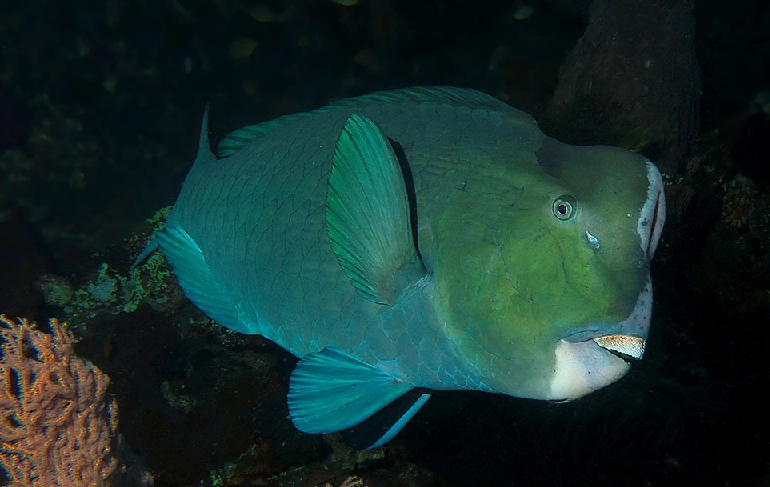
What's the Biggest Threat to Their Lifespan? A Simple Ranking
In a perfect, untouched ocean, the natural Green Humphead Parrotfish lifespan would be limited by old age, disease, or the occasional large shark or reef predator. But our oceans are far from untouched. The single biggest factor cutting their lives short is human activity. Let's rank the top threats.
| Rank | Threat | How It Impacts Lifespan | Severity |
|---|---|---|---|
| 1 | Overfishing & Targeted Harvest | Directly removes individuals, often the largest/oldest. Drives down average life expectancy dramatically. | Extreme |
| 2 | Habitat Degradation (Coral Loss) | Reduces food source (live coral) and shelter. Increases stress and vulnerability. | High |
| 3 | Destructive Fishing Practices | Blast fishing or cyanide fishing kills fish of all ages and destroys the reef structure itself. | High |
| 4 | Bycatch | Accidental capture in nets or traps meant for other species. | Moderate-High |
| 5 | Water Pollution & Climate Change | Weakens corals (their food), causes disease, and leads to coral bleaching events. | Increasing |
Looking at this table, it's pretty clear. Overfishing is the number one killer. These fish are highly prized in many parts of Asia and the Pacific for their meat. They are often caught at night while sleeping, making them easy targets. Because they grow slowly and mature late, fisheries can quickly deplete a local population, and recovery takes decades—if it happens at all. This directly slashes the potential Green Humphead Parrotfish lifespan from decades to just a few years for many individuals.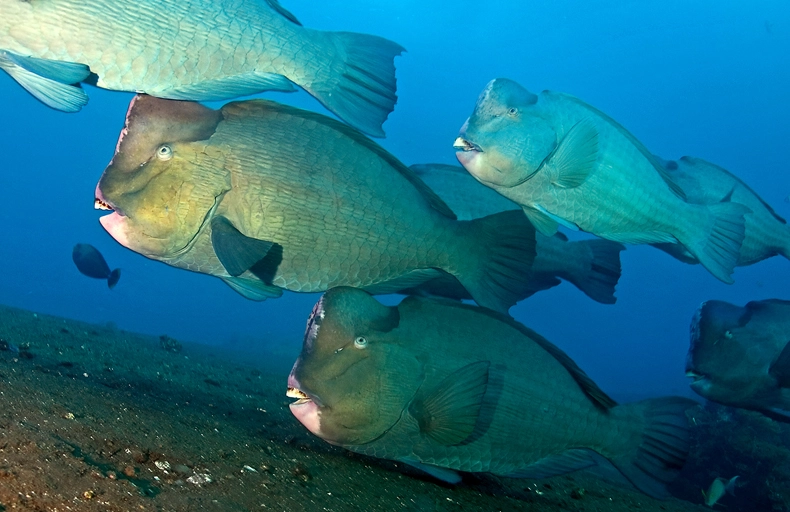
The Hard Truth: In many heavily fished areas, the average observed Green Humphead Parrotfish lifespan is now likely far below the biological potential of 40+ years. Most fish are caught long before they reach old age, meaning we rarely see the true giants anymore. It's heartbreaking to see such a magnificent animal's life cut so short.
Why Does Their Long Lifespan Matter So Much?
You might think, "So a fish lives a long time. So what?" Well, for the Green Humphead Parrotfish, longevity is directly tied to its job description. This isn't just any fish; it's a keystone species. Its long life allows it to become a mega-herbivore and bioeroder of immense importance.
They Are Coral Reef Gardeners
An adult can eat over 5 tons of coral per year. That sounds destructive, but it's the opposite. They scrape algae off the reef, preventing it from smothering corals. More importantly, by biting off chunks of dead coral, they grind it up in their pharyngeal mills (throat teeth) and excrete it as fine white sand. A single fish can produce hundreds of pounds of sand annually. This sand forms tropical beaches and creates space for new coral larvae to settle. An old fish has done this work for decades, shaping the very structure of the reef.
Long Life = Bigger Impact
A fish that lives 40 years contributes orders of magnitude more to sand production and algae control than one that lives only 10. Its ecological role compounds over time. Losing the old, large individuals doesn't just reduce numbers; it degrades the reef's resilience and its very ability to build and maintain itself. The parrotfish longevity is, therefore, a proxy for reef health. No old parrotfish, often means a reef in trouble.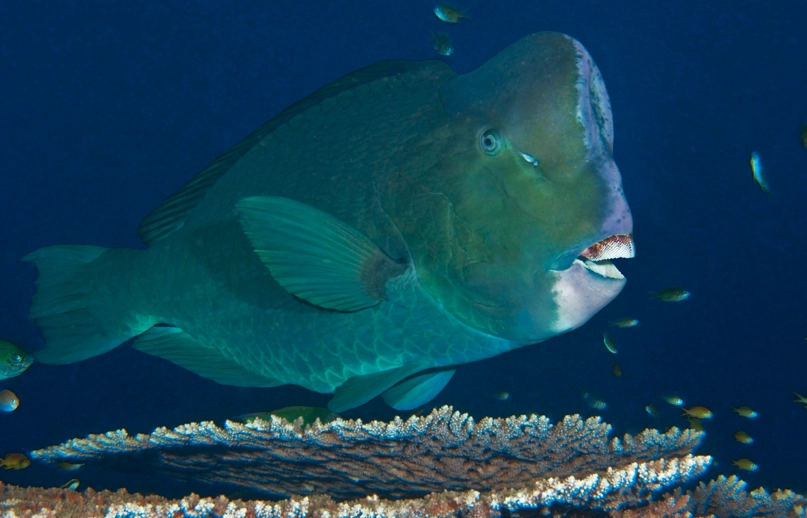
Personal Observation: I've dived on reefs with healthy populations of large, old humpheads. The difference is palpable. The reef structure is more complex, there's less slimy algae, and the overall feeling is one of balance and vitality. On overfished reefs where these giants are absent, the reef often looks quieter, flatter, and algae seems to be winning. It's a stark contrast.
Conservation Status and What's Being Done
Given the pressures on its life expectancy, it's no surprise the Green Humphead Parrotfish is listed as Vulnerable on the IUCN Red List of Threatened Species. This means it faces a high risk of extinction in the wild. You can read the full, detailed assessment on the IUCN Red List website, which is the global authority on species conservation status.
So, what protects a long Green Humphead Parrotfish lifespan? Effective conservation measures include:
- Marine Protected Areas (MPAs) with No-Take Zones: These are sanctuaries where fishing is completely banned. They are the single most effective tool for allowing these fish to grow old. Places like the Great Barrier Reef Marine Park and various MPAs in Palau and the Philippines have shown that when protected, populations can recover and individuals can reach their full lifespan potential.
- Species-Specific Fishing Bans or Size Limits: Some countries and states have completely banned the fishing or sale of this species. Others impose minimum size limits, though these are tricky because the fish matures so late.
- International Trade Regulations: The species is listed on Appendix II of CITES (the Convention on International Trade in Endangered Species), which aims to ensure international trade is legal and sustainable.
- Community-Based Management: In many Pacific islands, local communities are leading conservation efforts, recognizing the fish's cultural and ecological value.
For more on how marine protected areas work, the U.S. National Oceanic and Atmospheric Administration (NOAA) has excellent resources on Marine Protected Areas.
Common Questions About Green Humphead Parrotfish Lifespan
Final Thoughts: It's About More Than Just a Number
When we talk about the Green Humphead Parrotfish lifespan, we're really talking about a benchmark for ocean health. That number – 20, 40, 50 years – is a measure of our own stewardship. A long lifespan signifies a functioning, resilient reef ecosystem where natural processes are allowed to play out. A shortened lifespan is a red flag, a sign of over-exploitation and imbalance.
These fish aren't just passive inhabitants of the reef; they are active, long-term builders. Their story is one of slow growth, delayed gratification, and monumental impact. It's a strategy that worked for millennia until modern human pressures arrived. Now, their future longevity is in our hands. Supporting sustainable seafood choices, advocating for strong marine protections, and simply spreading the word about these incredible animals are all steps we can take. The goal is a future where every Green Humphead Parrotfish has the chance to live out its full, long, sand-producing, reef-shaping life.
Think about that for a second. A fish that can live half a century, shaping its world the entire time. That's worth protecting, don't you think?
Comments
Leave a Comment